A buyer-focused examination of waterfront ownership, shared amenities, fees, access, and operational due diligence at two Fisher Island condominiums.
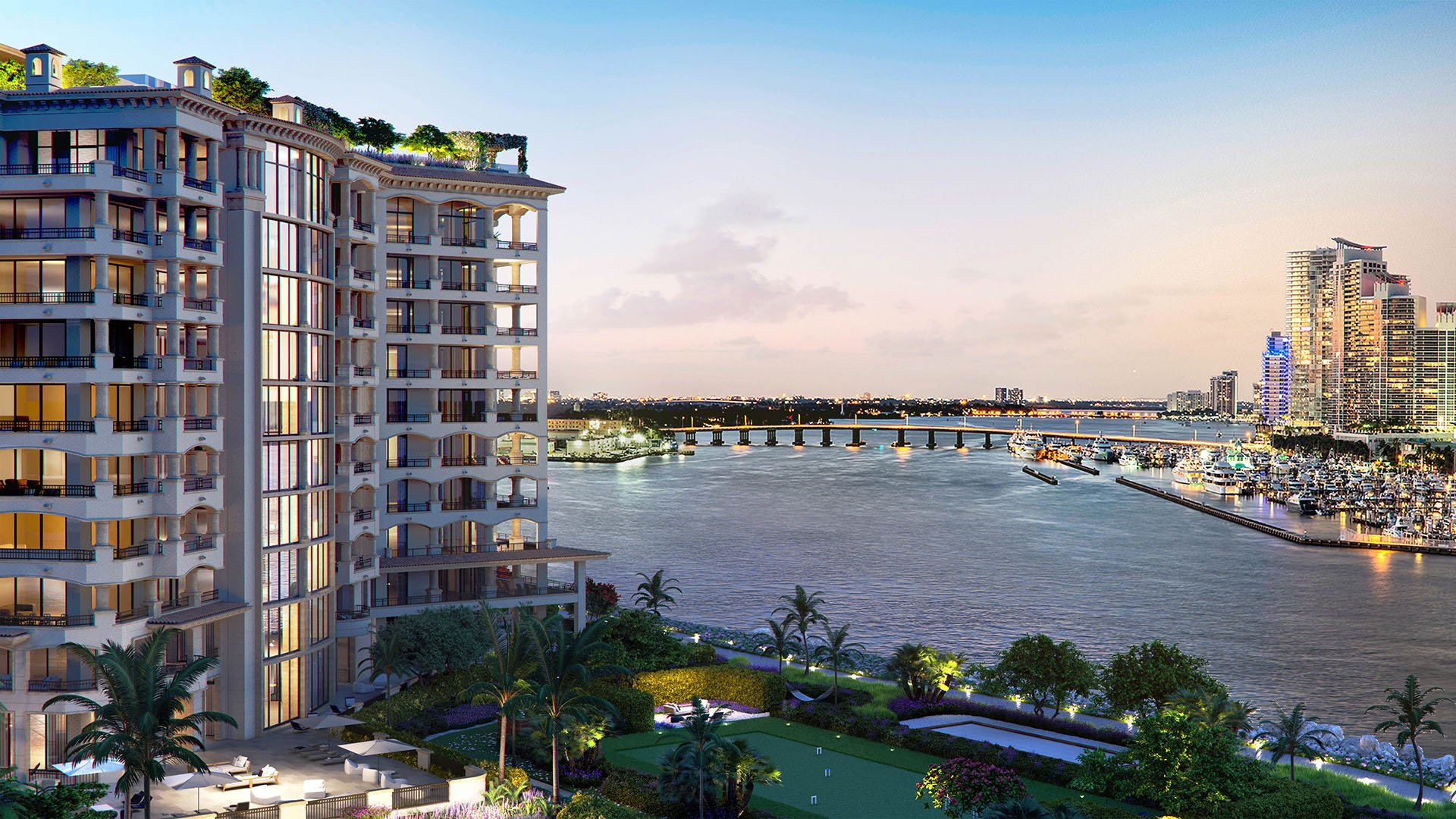
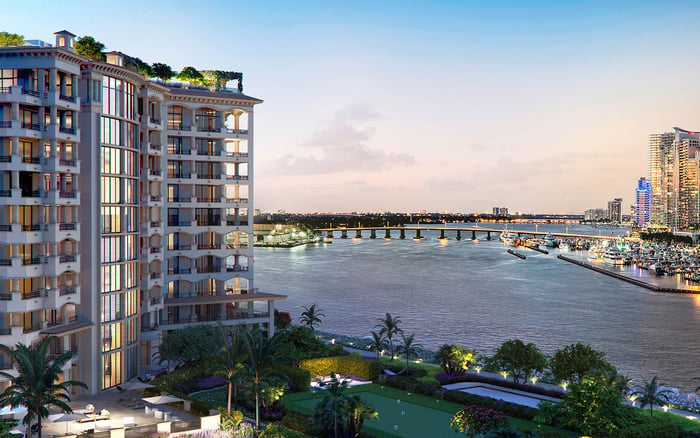
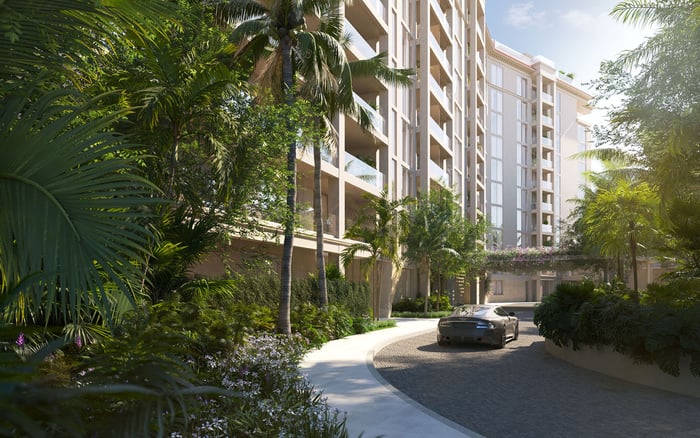
At Palazzo del Sol and Palazzo della Luna, the visual proposition is immediate: broad water outlooks, landscaped surroundings, and a private-island setting distinct from Miami’s mainland neighborhoods. Yet sophisticated buyers know that a waterfront condominium demands scrutiny beyond its architecture and Biscayne Bay exposure.
The essential questions are what is privately owned, what is shared, who controls each amenity, and which expenses extend beyond the residence itself. On Fisher Island, those distinctions are especially consequential. There is no public bridge or causeway to the mainland; access is primarily by private ferry or private vessel. Transportation, governance, and service continuity are therefore integral to the ownership experience, not peripheral details.
A residence can command expansive water views without conveying individual ownership of the shoreline, gardens, or shared waterfront areas below. At Palazzo del Sol, a purchase constitutes condominium ownership. Palazzo della Luna similarly combines a privately owned unit with access to shared building and waterfront amenities.
Buyers should ask counsel to identify the unit boundaries and classify terraces, gardens, waterfront areas, access routes, and other relevant spaces under the condominium declaration. Marketing imagery may express the lifestyle beautifully, but it cannot establish legal control, exclusive use, or maintenance responsibility.
The same discipline applies when considering other island options, including The Links Estates at Fisher Island and The Residences at Six Fisher Island. Different residential formats can carry different boundaries, rights, and operating structures. The governing documents-not a shared location or aesthetic-define the purchase.
The most useful operational exercise is to map every service and amenity to the entity responsible for it. Building-controlled amenities should be distinguished from facilities operated by separate Fisher Island club or island-wide organizations. Access to one category should never be presumed to confer access to another.
Request a clear explanation of which entity maintains each relevant area, sets its rules, approves access, and charges for use. If a buyer values a marina connection, transportation arrangement, landscaped waterfront, or particular recreational experience, that buyer should determine whether it is a condominium benefit, a separate privilege, or subject to another organization’s terms.
This distinction also matters when service expectations change. A condominium association governs within its own authority, while separate island organizations may make independent operational decisions. Buyers should understand those lines of control before assigning value to any feature outside the unit.
A headline association fee rarely tells the complete story. Current condominium budgets should be reviewed alongside reserves, insurance obligations, existing and contemplated assessments, and the allocation of shared costs. The objective is not merely to calculate a monthly figure, but to understand what it supports and where additional exposure may arise.
For each Palazzo, buyers should request current governing documents and estoppel materials, then reconcile them with the association budget. Questions should address reserve balances, collection practices, capital planning, maintenance responsibilities, and any separate charges connected to island-wide or club operations. Current club dues and association fees should be verified rather than inferred from earlier listings or conversations.
Insurance warrants equally close attention because the declaration may allocate responsibilities between the association and individual owners. A buyer’s advisers should determine what the association insures, what the owner must insure, and how deductibles or uninsured items may be treated.
Fisher Island’s controlled access is central to its character, but it also makes mobility an operational consideration. Buyers should understand how residents, guests, employees, deliveries, and service providers reach the property, along with the rules governing private-vessel arrivals. No assumption about convenience should replace a review of current procedures.
This is particularly relevant for a second-home owner who prioritizes seamless arrivals or a household with frequent guests and staff. The issue is not simply whether access exists, but how it functions within the owner’s expected daily rhythm-and who controls changes to that system.
An investment analysis should also account for these operational layers. Future buyers may evaluate the same documents, fees, insurance allocations, and access arrangements, making clarity an important component of long-term marketability.
Before contract deadlines expire, a buyer should examine the condominium declaration, amendments, rules, current budget, reserves, assessments, insurance obligations, and the classification of waterfront common elements. The review should also identify any approval procedures and distinguish services provided by the building from those supplied by separate island organizations.
For a resale purchase, current estoppel materials can help confirm amounts and obligations tied to the unit, but they should be considered alongside the broader governing record. The central discipline is simple: connect every valued feature to a documented right, every recurring cost to the responsible entity, and every operational promise to the rules that govern it.
Palazzo del Sol and Palazzo della Luna offer a rare private-island context. The most confident purchase is one in which the legal and operational architecture is understood as clearly as the physical architecture.
Does a Palazzo residence include ownership of the shoreline? Condominium ownership should not be assumed to include direct individual ownership of the surrounding shoreline or shared waterfront areas. Confirm boundaries in the declaration.
Are gardens and waterfront amenities part of the private unit? Not necessarily. Their legal classification, use rights, and maintenance obligations should be verified in current governing documents.
Are building amenities and Fisher Island facilities the same? No assumption should be made. Building-controlled amenities should be distinguished from facilities run by separate club and island-wide organizations.
How is Fisher Island reached from the mainland? Fisher Island has no public bridge or causeway. Access is primarily by private ferry or private vessel.
Should buyers rely on a quoted association fee? A quote is only a starting point. Verify current fees through budgets and estoppel materials, then review reserves, insurance, and assessments.
What reserve information should a buyer request? Request current reserve balances and the association’s relevant capital-planning materials. Review them alongside the budget and known assessment obligations.
Are club dues included in condominium fees? That should not be presumed. Confirm current condominium charges and any separate club or island-wide obligations through the applicable documents.
Do renderings establish waterfront rights? No. Marketing imagery does not prove ownership, exclusive use, access rights, or maintenance responsibility.
What insurance questions matter most? Determine what the association insures, what the owner must insure, and how deductibles or uninsured responsibilities may be allocated.
What should be reviewed before an offer becomes binding? Review the declaration, rules, budget, reserves, assessments, insurance obligations, estoppel materials, and classifications of waterfront common elements.
For a tailored shortlist and next-step guidance, connect with MILLION.
If branded residences are on your mind — as a home or as an allocation — we would be glad to share what we are seeing, privately.
Begin a quiet conversation