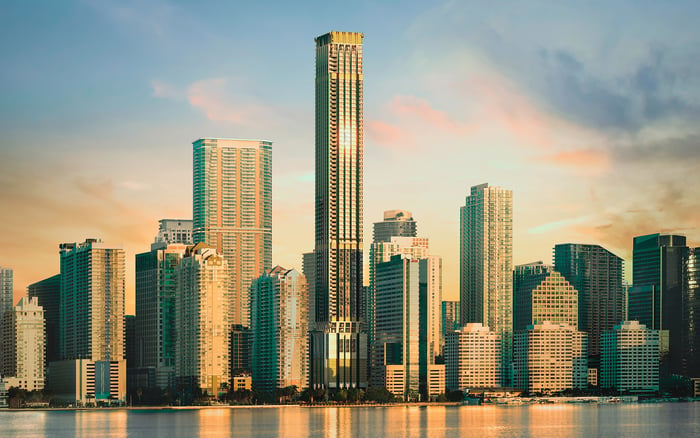
A buyer-focused look at 888 Brickell by Dolce & Gabbana, from its branded design language and Brickell address to the practical questions that matter for full-time living.
888 Brickell by Dolce & Gabbana is planned for Brickell, placing it within one of Miami’s most closely watched luxury corridors. Its significance is not limited to brand or address. It is the project’s position at the intersection of fashion, hospitality, and private residential ownership.
The tower is positioned as a luxury branded-residence project in Miami’s expanding high-end branded real estate market. For buyers considering 888 Brickell by Dolce & Gabbana, the essential question is not whether the project will be visually memorable. It is whether its glamour, service model, and mixed hotel-residential structure align with how the owner actually intends to live.
The project is branded and designed in collaboration with Dolce & Gabbana, giving it a distinct position among Miami’s design-led residential offerings. The concept emphasizes fully curated interiors rather than the more conventional model of lightly finished condominium delivery. That distinction matters. A buyer is not simply purchasing space, exposure, and building services. The buyer is accepting a strong aesthetic point of view.
For some owners, this is precisely the appeal. A globally mobile buyer may want a turnkey Miami base that feels complete from day one, with a hospitality sensibility and a recognizable design identity. For others, especially those accustomed to commissioning their own designers, the curated nature of the residence deserves closer study. The design language is characterized as glamorous and highly stylized, which can be compelling in a pied-à-terre or entertainment-focused home. For year-round use, the more practical test is whether the palette, layout, furniture program, and operational rhythm will remain comfortable after the initial impression fades.
Brickell is the project’s great advantage and its daily-life filter. The location places residents in Miami’s financial core, where the energy is urban, vertical, and increasingly international. For buyers who want proximity to offices, restaurants, private clubs, and a dense city rhythm, the setting is difficult to replicate elsewhere in South Florida.
Still, Brickell is not a waterfront enclave or a suburban private compound. It rewards owners who value immediacy and movement. Those comparing the project with Baccarat Residences Brickell, Cipriani Residences Brickell, or St. Regis® Residences Brickell are really comparing different versions of branded urban life. The larger question is whether the owner wants Brickell as a full-time neighborhood, not simply as a dramatic Miami address.
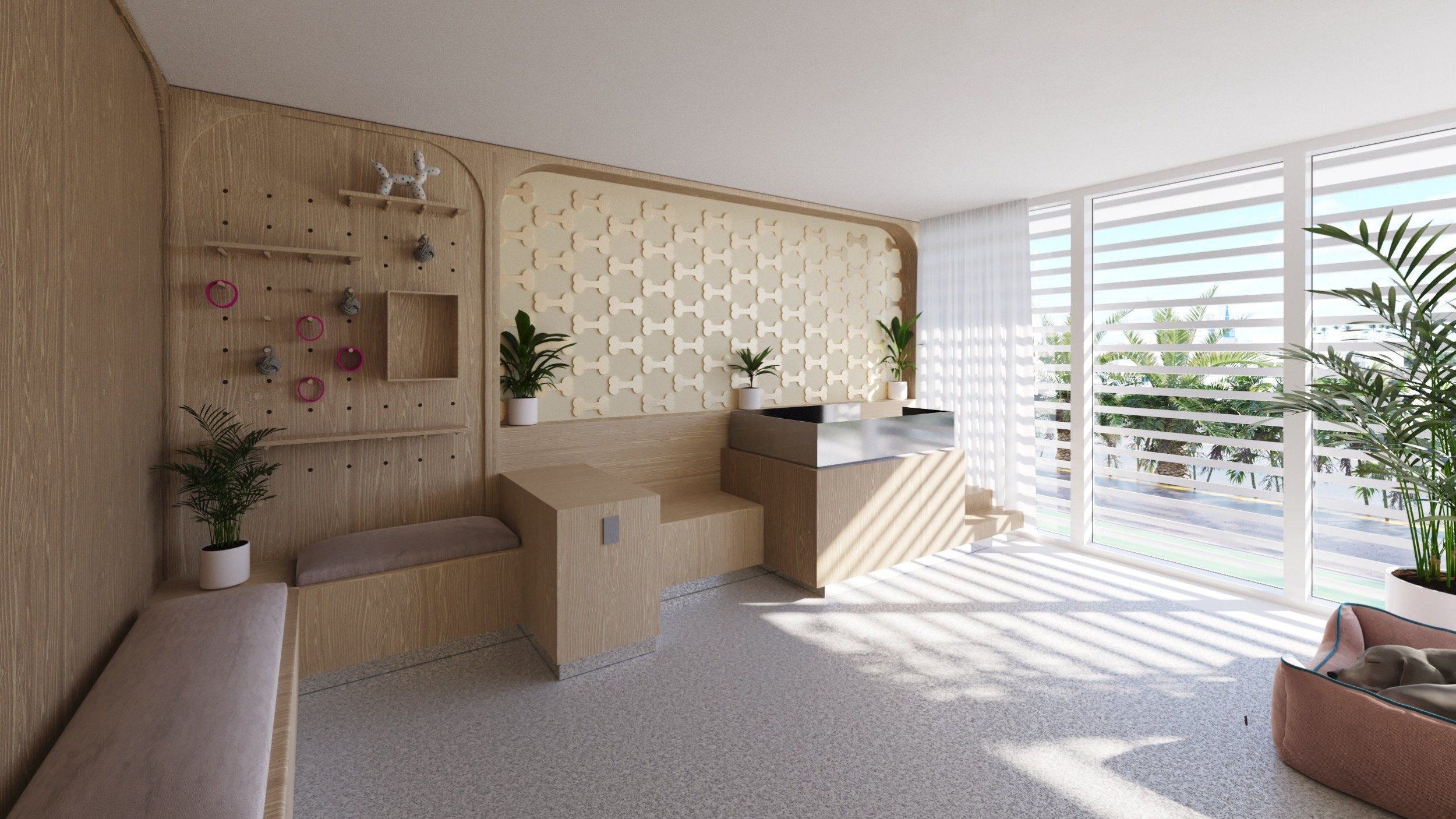
For families and primary-residence buyers, that distinction becomes sharper. School runs, pets, household staff, visitors, grocery routines, elevator patterns, and weekend traffic all become part of the ownership experience. Brickell’s convenience is real, but so is its intensity.
The building concept combines a hotel component with branded residential units. That model is designed to blur boutique-hotel hospitality and high-end condominium living. In luxury terms, the benefit is clear: service, arrival experience, amenities, dining energy, and a sense of constant polish.
But the condo-hotel structure also requires disciplined due diligence. Buyers should evaluate privacy, operating costs, legal structure, access controls, rental rules, and the way hotel guests interact with residential areas. The building program is expected to place more public or semi-public hotel functions, such as lobby, dining, or event spaces, in lower portions of the tower. Residential components are described as stacked higher in the building, supporting view premiums and greater separation from street-level activity.
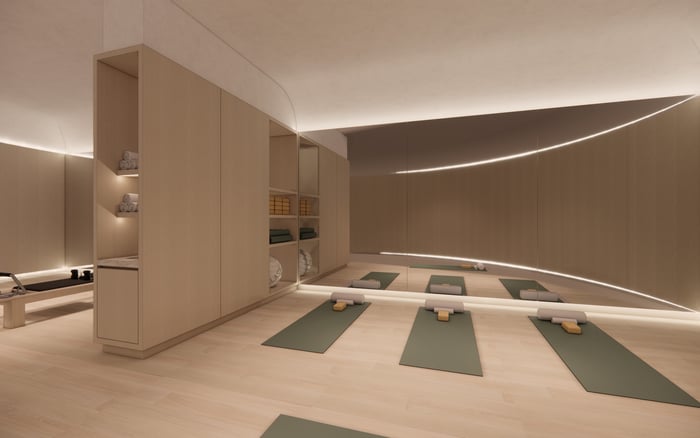
This vertical zoning may be one of the most important livability features. Amenities are described as shared but vertically zoned between hotel and residential uses, so buyers should understand exactly which spaces are private, which are shared, and how those areas are managed during peak demand.
New-construction branded residences often succeed when the owner’s lifestyle matches the building’s operating rhythm. At 888 Brickell, that rhythm appears service-heavy, curated, and hospitality-forward. A second-home buyer may view that as ideal, particularly if the residence is used seasonally or as a Miami base between other global homes.
A full-time owner should apply a different lens. How quiet is the residential arrival? How private are elevators and amenity routes? How predictable are monthly carrying costs? How durable is the interior package for children, pets, frequent entertaining, or live-in staff? How much flexibility does an owner have to personalize a highly branded home?
High floors may be part of the appeal, especially if the residential stack delivers separation from the hotel component and the street. Yet height alone does not resolve practical questions. The best unit may not simply be the highest one available. It may be the one with the right exposure, elevator access, acoustic separation, storage logic, and service flow.
Branded residences can create emotional clarity. Buyers immediately understand the identity, the service promise, and the lifestyle. That clarity can be valuable in a market where many towers compete for attention. At the same time, a fashion-branded residence may have a narrower buyer profile than a more neutral luxury condominium.
Resale implications should be considered before contract, not after closing. A future buyer will respond not only to the Dolce & Gabbana name, but also to the ongoing cost structure, hotel-residence governance, design condition, and the relevance of the brand identity at the time of resale. Owners comparing 888 Brickell with The Residences at 1428 Brickell may find that both sit within the same premium urban conversation, while offering very different interpretations of privacy, design, and daily use.
The most successful buyer will likely be one who wants an unmistakable Miami residence rather than a blank canvas. For that owner, 888 Brickell may offer a rare combination of address, fashion identity, hotel energy, and vertical drama. For a more privacy-driven buyer, the underwriting should be slower and more exacting.
Where is 888 Brickell by Dolce & Gabbana planned? It is planned for Miami’s Brickell district, placing it in the city’s financial core.
Is 888 Brickell by Dolce & Gabbana a traditional condominium? The concept combines a hotel component with branded residential units, so buyers should examine the legal and operating structure carefully.
What makes the design concept different? The residences emphasize fully curated interiors connected to Dolce & Gabbana’s glamorous, highly stylized design identity.
Is the project intended for full-time living? It may work for full-time owners, but buyers should test privacy, service flow, costs, and daily comfort before assuming it functions like a conventional home.
Why does the hotel component matter? Hotel uses can enhance service and energy, but they also raise questions about access control, shared amenities, guest traffic, and operating expenses.
Are the residences expected to be higher in the tower? Residential components are described as stacked higher to support views and provide more separation from lower public or semi-public areas.
Who is the ideal buyer for this project? It may appeal to globally mobile luxury buyers seeking a turnkey, service-heavy Miami base with a strong branded identity.
What should families evaluate most closely? Families should consider daily routines, privacy, elevator patterns, durability of interiors, and whether the hospitality environment feels comfortable every day.
How should buyers think about resale? Resale should be evaluated through brand durability, operating costs, legal structure, design specificity, and the size of the future buyer pool.
What is the main decision point for full-time owners? The central question is whether the project feels like a livable home, not only a visually powerful statement property.
For a discreet conversation and a curated building-by-building shortlist, connect with MILLION.
If branded residences are on your mind — as a home or as an allocation — we would be glad to share what we are seeing, privately.
Begin a quiet conversation