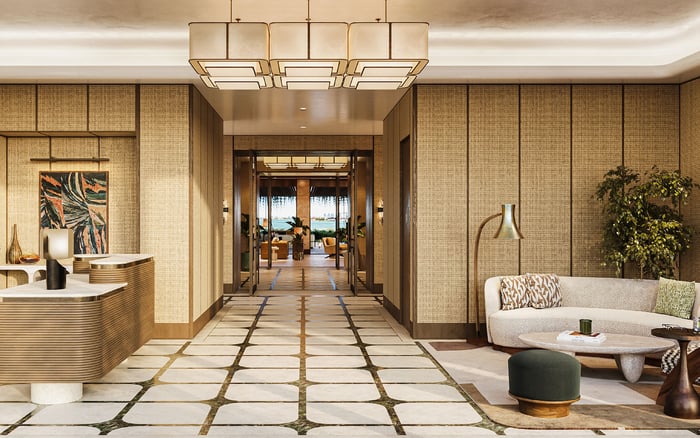
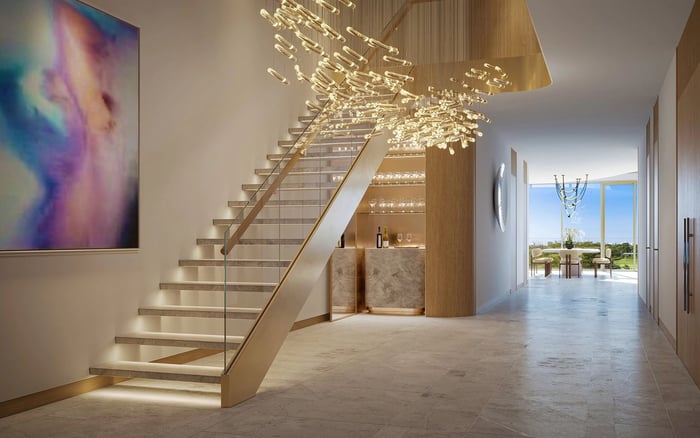
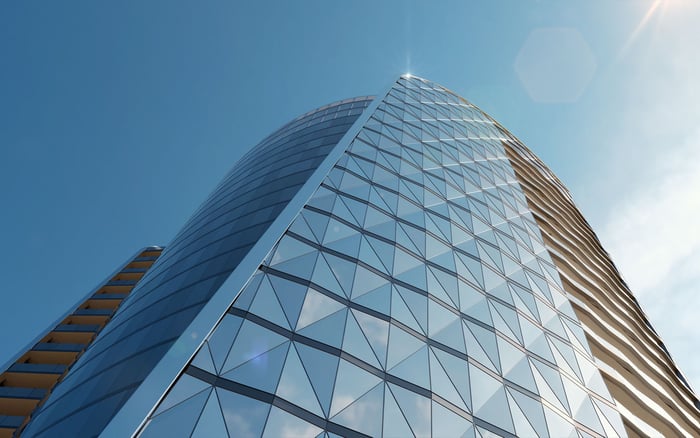
A buyer-focused look at why discreet access to wellness, dining, design, and daily retail is becoming a quiet luxury priority across South Florida in 2026.
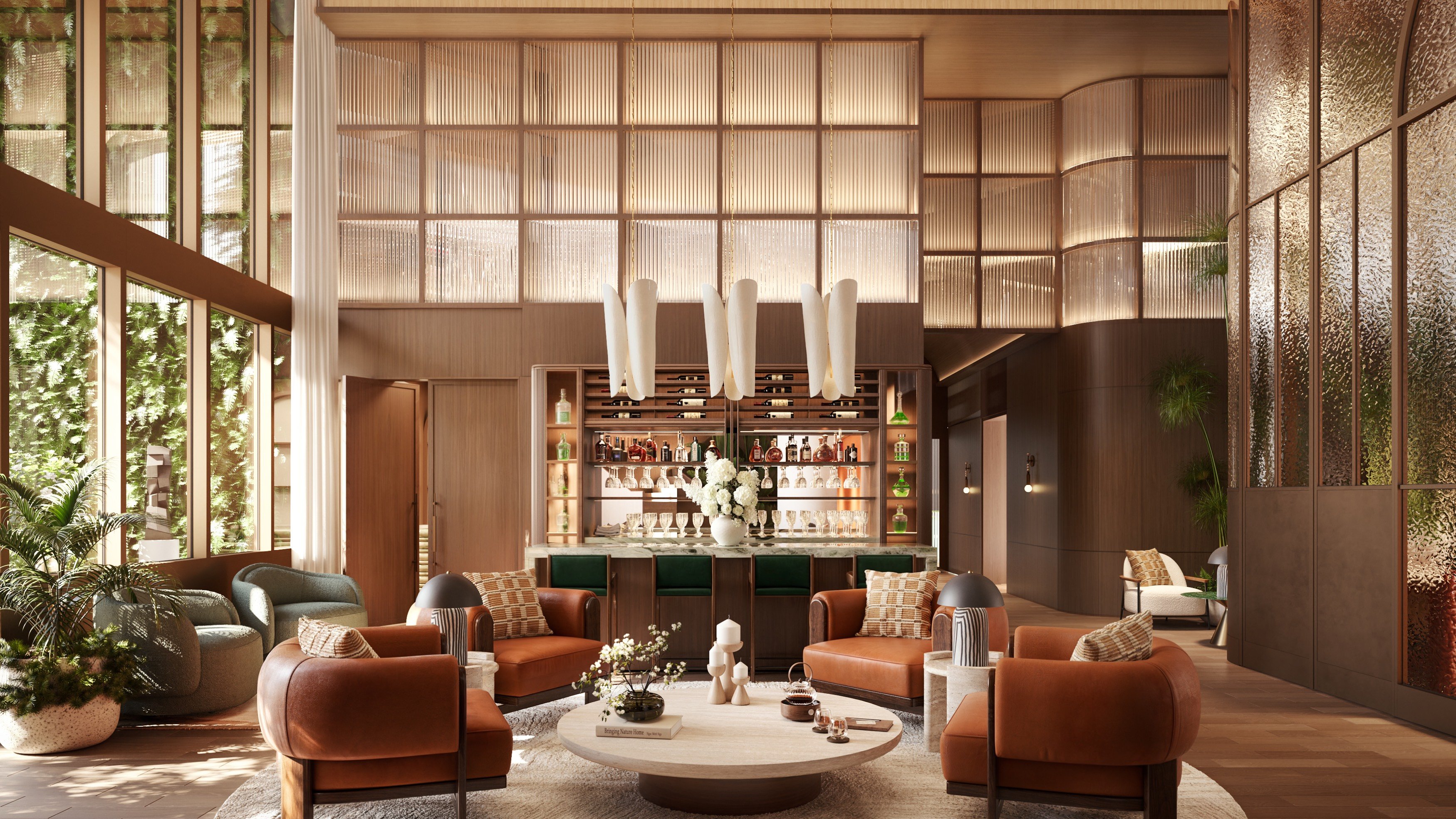
Quiet luxury has always been less about display than ease. In South Florida’s highest-end residential conversations, that ease is increasingly measured by what sits just beyond the lobby, the garden gate, or the private drive. Wellness-retail proximity, once treated as a lifestyle bonus, is moving into the category of core residential value for 2026.
The shift is not about living above noise, crowds, or constant commercial energy. The most discerning buyers are not asking for more stimulation. They are asking for access without friction. A restorative fitness session, a tailored facial, a chef-driven market, a trusted café, a pharmacy, a florist, a gallery, or a refined dinner reservation all form part of the invisible architecture of daily life.
For the luxury buyer, proximity matters when it preserves time, protects privacy, and reduces decision fatigue. A residence that supports a clean morning routine, an efficient school or office rhythm, and a graceful evening return can feel more valuable than one that offers spectacle but requires logistics.
In 2026, the premium is not simply walkability. It is curated adjacency. The distinction matters. Walkability suggests distance. Curated adjacency suggests quality, discretion, and compatibility with the way an owner actually lives.
This is why a quiet luxury buyer may choose a neighborhood not because it has the most retail, but because the right retail is nearby. The best locations create a sense of completion. They allow residents to maintain wellness, host elegantly, manage errands, and entertain guests without turning every task into a production.
In buyer shorthand, this lens often spans Brickell, Miami Beach, Coconut Grove, Surfside, Bay Harbor, and West Palm Beach, each offering a different interpretation of access, privacy, and daily rhythm. The common thread is not density. It is usefulness at a luxury standard.
For some buyers, that may mean proximity to polished dining and private fitness. For others, it may mean boutique wellness, family-friendly retail, shaded streets, or a calm village atmosphere. The highest expression is a location that feels connected without feeling public.
Private residential wellness has become increasingly sophisticated, but the residence alone cannot carry the entire wellness routine. Even the most complete amenity program benefits from a surrounding ecosystem that supports movement, recovery, nutrition, grooming, and preventative care.
A home gym may answer one part of the day. A trusted Pilates studio, treatment room, juice bar, clean grocer, or medical-wellness provider may answer another. The real luxury is the ability to choose without compromise while remaining close to home.
This is especially relevant for second-home owners who arrive in South Florida expecting immediate continuity. They want the first forty-eight hours to feel seamless. The refrigerator should be simple to stock. The trainer should be accessible. The dinner plan should be elegant. The recovery routine should not require a cross-county itinerary.
For primary residents, wellness-retail proximity compounds over time. The saved drive, the simplified errand, the spontaneous healthy lunch, and the easy appointment all contribute to a less burdened lifestyle. That cumulative calm is difficult to quantify, but affluent buyers recognize it quickly.
Not all retail strengthens a luxury address. The wrong retail mix can create congestion, noise, and visual clutter. The right mix, by contrast, quietly elevates the daily experience. It is edited, useful, and compatible with residential privacy.
The most valuable wellness-retail environments tend to share several qualities. They are easy to enter and exit. They maintain a high service culture. They offer practical needs alongside indulgent ones. They feel safe, polished, and consistent. They do not overwhelm the residential character of the neighborhood.
This is where quiet luxury becomes highly specific. A buyer may prefer one exceptional grocer to a dozen ordinary options. One discreet spa may matter more than a crowded wellness district. A small collection of restaurants with real staying power can be more desirable than a rotating scene.
The same principle applies to design, fashion, and home services. A luxury residence functions best when the surrounding neighborhood supports the owner’s standards. Tailoring, florals, entertaining, grooming, wellness, and food are not afterthoughts. They are the logistics of gracious living.
The central tension in wellness-retail proximity is privacy. Buyers want access, but they do not want to feel exposed. They want convenience, but not a tourist corridor at the front door. They want a neighborhood with energy, but not a residence that feels consumed by it.
The strongest addresses solve this tension through separation, scale, and approach. A calm arrival sequence, secure residential entry, thoughtful landscaping, controlled parking, and sensible circulation can make nearby retail feel like an amenity rather than an intrusion.
For South Florida, this is especially important because climate, seasonality, and social rhythm all shape how people move. A destination may be close on a map but unpleasant in practice. Conversely, a slightly more discreet location can feel more luxurious if the path is shaded, private, and intuitive.
Buyers should study the lived experience, not only the promotional map. Where will guests arrive? Where do service vehicles move? What does the street feel like in the morning, at school pickup, on a weekend evening, or during peak season? Quiet luxury depends on these details.
A sophisticated buyer should evaluate wellness-retail proximity through four practical questions.
First, does the nearby retail improve the owner’s routine? A beautiful storefront is irrelevant if it does not support daily life. Second, does the wellness ecosystem match the owner’s actual habits? Aspirational amenities are less useful than the services one will use weekly.
Third, does the setting preserve residential calm? If access comes at the cost of privacy, the value proposition weakens. Fourth, is the neighborhood’s retail character durable? Luxury buyers should favor quality, service, and a balanced mix over novelty.
The strongest residences in 2026 will be those that make life feel composed. They will not require buyers to choose between sanctuary and connection. They will offer both, with enough distance to breathe and enough proximity to simplify.
While lifestyle leads the conversation, the investment logic is clear in principle. Scarce residential settings that combine privacy, design quality, and useful proximity are difficult to replicate. Land can be improved, interiors can be renovated, and amenities can be refreshed. A well-balanced location is harder to manufacture.
This does not mean every residence near retail deserves a premium. The adjacency must be refined. It must serve the resident, not dominate the address. It must feel compatible with long-term ownership and sophisticated resale expectations.
For 2026, the quiet luxury case is ultimately about resilience of desirability. Homes that help owners live better, with less friction and more discretion, tend to remain compelling. In a market where many properties can claim luxury finishes, the surrounding lifestyle infrastructure becomes a sharper differentiator.
The future luxury address will not shout. It will make the day easier.
What is wellness-retail proximity? It is the practical closeness of a residence to wellness, dining, service, and daily retail that supports an elevated routine.
Why does it matter more in 2026? Buyers are placing greater value on time, privacy, and ease, not only on interiors, views, or building amenities.
Is this the same as walkability? Not exactly. Walkability is about distance, while quiet luxury proximity is about quality, discretion, and usefulness.
Can nearby retail hurt a luxury residence? Yes. If it brings noise, traffic, or visual clutter, proximity can weaken the sense of privacy and calm.
What type of retail is most valuable? Refined everyday retail, trusted wellness services, polished dining, and practical conveniences tend to matter most.
Should second-home buyers prioritize this? Yes. Proximity can make arrivals smoother and help owners reestablish routines quickly after travel.
Does a strong amenity floor replace neighborhood wellness? No. Private amenities are valuable, but a broader wellness ecosystem can make daily life more complete.
How should buyers compare neighborhoods? They should study daily rhythm, access, privacy, arrival experience, and whether nearby services match real habits.
Is quiet luxury about being away from everything? Not necessarily. It is about being close to what matters while remaining protected from unnecessary exposure.
What is the best long-term lens? Favor locations where convenience feels discreet, durable, and compatible with the residential character of the address.
For a discreet conversation and a curated building-by-building shortlist, connect with MILLION.
If branded residences are on your mind — as a home or as an allocation — we would be glad to share what we are seeing, privately.
Begin a quiet conversation