A practical due-diligence guide for family buyers evaluating catering flow, vendor movement, terrace entertaining, and service logistics at Regalia Sunny Isles Beach.
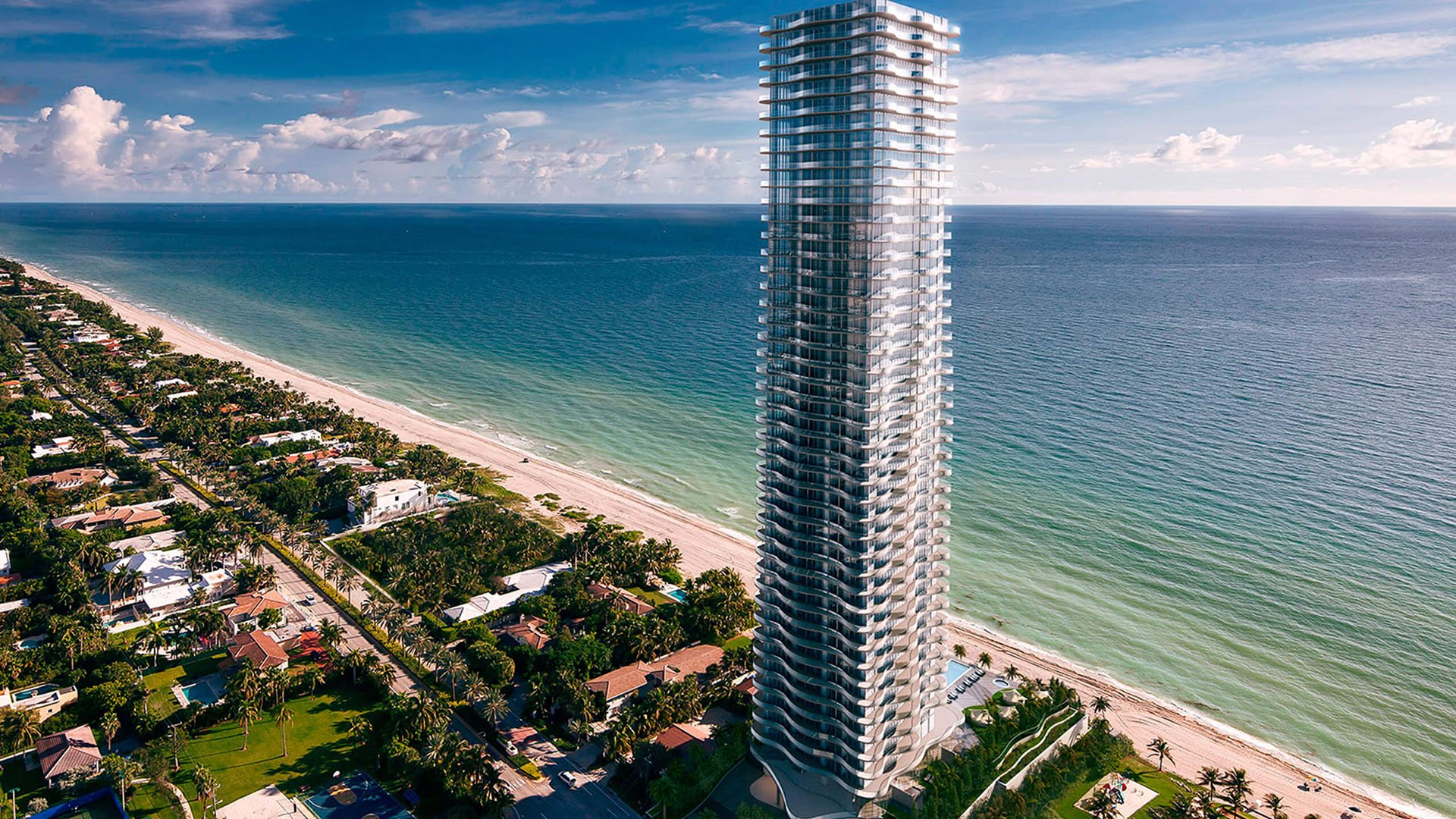
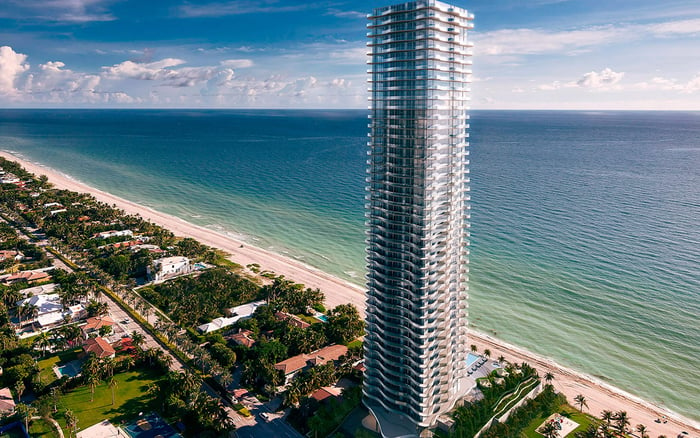
Regalia Sunny Isles Beach belongs to the world of ultra-luxury oceanfront condominium living, where privacy, scale, and coastal presence shape the buyer conversation. For families, however, the most revealing questions are not always about stone, ceiling heights, or the immediate drama of the view. They are often about movement: who enters, where they wait, how they deliver, how they serve, and how they disappear once the evening is over.
Catering flow is the complete path of food, staff, equipment, deliveries, guests, waste, and cleanup before, during, and after an event. In a single-family estate, much of that choreography is absorbed by private driveways, back-of-house corridors, garages, service yards, and storage rooms. In a condominium, even a highly private one, the same choreography depends on shared infrastructure, access control, elevator policies, building staffing, and house rules.
That distinction matters at a boutique, low-density oceanfront property. The appeal of fewer residences and a more private atmosphere can be powerful, but it also makes operational questions more personal. A family that hosts Friday night dinners, children’s birthdays, seasonal gatherings, religious celebrations, or executive entertaining should understand how the building supports those moments without compromising the calm that made the residence desirable in the first place.
A serious buyer should ask early whether caterers, florists, rental companies, musicians, AV technicians, and cleaning teams follow a designated loading, receiving, or vendor drop-off protocol. The issue is not simply convenience. It is whether service arrivals are separated from family arrivals, guest arrivals, valet movement, and the daily rhythm of residents returning from school, travel, or work.
The next question is elevator capacity and control. Buyers should confirm how service elevators are reserved, whether they can accommodate catering carts, floral installations, party rentals, audiovisual equipment, and post-event removal, and how those reservations are managed during holidays or high-occupancy periods. A beautiful dinner can be undermined if the back-of-house sequence is compressed into the same narrow window as multiple resident moves, deliveries, or other private events.
Families should also ask how vendor access is scheduled, approved, staffed, and secured. A polished event may involve far more than a chef. It can include servers, bartenders, rental crews, lighting specialists, florists, valet coordination, and post-event cleaners. Each layer requires a credentialing process, timing plan, and point of accountability. For buyers used to estate-style control, this is where condominium due diligence becomes essential.
Regalia’s full-floor-style residential concept makes the internal plan especially important for family life. The question is not simply whether the residence is large. It is whether the layout allows service movement to remain discreet while the household continues to function.
A buyer should walk the plan as if an event were already underway. Where does the caterer stage trays before dinner? Is there enough refrigeration for prepared food, beverages, dessert, and children’s items? Can staff move from kitchen to dining area to terrace without crossing private bedroom zones or interrupting elderly relatives, children, or live-in staff? Where do boxes, floral buckets, rental containers, and trash go during the event, before removal is permitted?
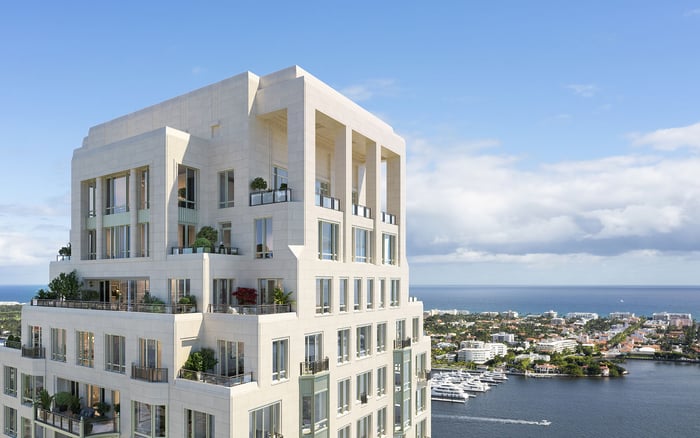
The best entertaining residences feel calm because the work is almost invisible. At Regalia Sunny Isles Beach, the wrap-around terrace concept adds another layer to that evaluation. A terrace can be the emotional center of a gathering, particularly on an oceanfront evening, but buyers should ask how outdoor service connects to kitchen, pantry, storage, and cleanup routes. If guests migrate outside, staff must be able to follow the event without turning the family’s private circulation into a service corridor.
Before purchase, families should request and review the condominium documents, house rules, vendor policies, elevator reservation procedures, and event guidelines. The goal is not to search for problems. It is to confirm whether the building’s operating culture matches the way the family actually lives.
Key topics include restrictions on event size, hours, noise, cooking equipment, alcohol service, outside deliveries, and use of common areas. Buyers should also ask whether there are different rules for weekday deliveries, weekend events, religious holidays, and major seasonal periods. In Sunny Isles, the highest-demand weeks can overlap with school breaks, visiting relatives, and peak entertaining calendars, making logistics more consequential.
A property manager, association representative, listing agent, or owner representative should be able to clarify current procedures. Because building policies can evolve, buyers should avoid relying on assumptions drawn from other towers, past events, or general luxury condominium norms. A boutique building can feel exceptionally private while still requiring precise compliance with shared protocols.
The strongest due diligence combines hospitality thinking with family realism. A buyer should ask how a dinner for twelve differs from a child’s birthday, how a religious gathering differs from a cocktail reception, and how a multigenerational household would experience the same operational plan. A quiet grandparent, sleeping child, or live-in caregiver may be affected by vendor movement more than guests ever notice.
This is also a resale consideration. High-net-worth buyers compare luxury towers not only by views and finishes, but by the ease with which the residence performs. If entertaining is part of the household’s identity, then service infrastructure becomes a value issue. The residence that allows staff, food, equipment, and cleanup to move gracefully will often feel more livable than one that relies on improvisation.
For the right family, Regalia’s privacy, space, and coastal setting can be a compelling match. The point is to evaluate that promise in operational terms. A beautiful residence should not only host a memorable evening. It should protect the household before the first guest arrives and after the last tray leaves.
What does catering flow mean in a condominium purchase? It means the movement of food, staff, equipment, deliveries, guests, and cleanup through the building and residence before, during, and after an event.
Why is catering flow especially relevant at Regalia Sunny Isles Beach? Regalia is positioned around privacy, space, oceanfront living, and a boutique format, so family buyers should understand how entertaining logistics work within that setting.
Should buyers ask about a loading or vendor drop-off area? Yes. Buyers should ask whether vendors have a defined arrival and delivery protocol that is distinct from resident and guest movement.
Why do service elevators matter for family entertaining? Service elevators may determine how catering carts, flowers, rentals, AV equipment, and cleanup materials move without disrupting the residence or lobby experience.
What should buyers ask about terrace entertaining? Buyers should ask how the terrace connects to kitchen, pantry, service, storage, and cleanup routes during an active event.
Are event rules important before purchase? Yes. Buyers should review rules on event size, hours, noise, cooking equipment, alcohol service, deliveries, and use of common areas.
How should multigenerational families evaluate the layout? They should test whether staff can circulate without disturbing children, elderly relatives, live-in staff, or private bedroom areas.
Do holiday periods change the catering-flow question? They can. Holiday and high-occupancy periods may place more pressure on elevator reservations, staffing, deliveries, and vendor scheduling.
Can catering logistics affect resale appeal? Yes. Luxury buyers often compare buildings by service infrastructure as well as views, finishes, privacy, and residence size.
Who should confirm current procedures before closing? Buyers should confirm procedures with the association, property manager, listing agent, or owner representative before relying on any assumption.
When you're ready to tour or underwrite the options, connect with MILLION.
If branded residences are on your mind — as a home or as an allocation — we would be glad to share what we are seeing, privately.
Begin a quiet conversation