A discreet buyer’s guide to evaluating brand licensing terms, operating standards, resale considerations, and contract language before purchasing luxury real estate in Coral Gables.
In Coral Gables, luxury real estate is often purchased with a long view. Buyers are not simply acquiring square footage. They are choosing an address, an architectural language, a rhythm of service, and a lifestyle that should still feel composed years after closing. When a residence carries a brand association, that promise can be powerful. It can also be misunderstood.
Brand licensing is the legal and commercial framework that allows a residential project to use a name, identity, design system, hospitality standard, or lifestyle concept associated with a third-party brand. For buyers, the central question is not whether the name is recognizable. It is what, precisely, the name obligates anyone to do.
That matters especially in Coral Gables, where discretion, permanence, and neighborhood fit often outweigh spectacle. A branded presentation may imply a level of service or design continuity, but the purchase documents determine what is actually enforceable. Buyers comparing new development, boutique condominium living, or villa-style residences should ask direct questions before treating a brand as a lasting asset.
The approach is simple: separate the romance of the brand from the legal architecture behind it.
The first question is basic but essential: who is the licensing agreement actually between? In many luxury developments, the buyer is not a party to the license. The agreement may sit between the brand owner and a developer, owner entity, hotel operator, management company, or other project-related entity.
That distinction affects control. If the license is not directly with the condominium association or future residential owner structure, buyers should understand whether the association inherits any rights, obligations, or restrictions after turnover. A sales gallery may present a brand as part of the residential identity, but the governing documents should explain who can use the name, who can enforce standards, and who can terminate or renew the relationship.
Ask for the plain-language version, then ask to see where it appears in the actual documents. If the answer depends on a marketing deck rather than recorded instruments, purchase agreement language, association documents, or management agreements, that is a signal to slow down.
Not all branded real estate is structured the same way. Some brand relationships focus on design inspiration. Others involve operating standards, staff training, resident services, food and beverage concepts, wellness programming, or hospitality protocols. A buyer should not assume that a prestigious name means the brand will actively manage the property.
The practical question is: what is mandatory, and what is aspirational? If the brand is expected to review interiors, approve amenities, supervise service standards, or consult on operations, the documents should define the scope. If the brand’s role ends before or shortly after completion, that should be equally clear.
In Coral Gables, where buyers may be evaluating refined local options such as Cora Merrick Park alongside other luxury residences, the brand conversation should be grounded in daily life. Will the name affect arrival experience, staff culture, privacy, amenity access, and maintenance discipline, or is it primarily a design and marketing association?
A brand license may have a defined term. It may include renewal rights, conditions, approvals, fees, or termination triggers. Buyers should ask whether the brand association is intended to continue indefinitely, whether renewal is automatic, and who controls the decision to renew.
The most important issue is not only duration. It is consequence. What happens if the license expires or is terminated? Can the building keep using the brand name? Must signage, uniforms, digital assets, amenity names, or resident materials change? Are owners entitled to any remedy if the branded identity disappears?
A polished purchase presentation can make a brand feel permanent. Contracts may reveal a more conditional reality. For a buyer planning to hold a residence as a primary home, second home, or legacy asset, that distinction can shape both personal confidence and resale narrative.
Branding is rarely free. There may be licensing fees, management fees, design consultation costs, training costs, marketing charges, renewal fees, or operating expenses connected to maintaining standards. Some costs may be borne by the developer before closing. Others may eventually flow through association budgets or service charges.
Buyers should ask for a clear explanation of any recurring brand-related costs and how they are allocated. Are they fixed, variable, subject to increase, or dependent on the continuation of a management agreement? Are they included in regular assessments, billed separately, or embedded in broader operating budgets?
The answer should be reviewed not only for affordability, but for alignment. A meaningful brand program can justify cost if it delivers consistent service, design governance, and resident experience. A vague fee attached to an undefined role is harder to underwrite.
The most elegant branded residences depend on standards that survive the initial sales period. Buyers should understand who enforces those standards after owners move in. Is there a brand manual? Does the brand retain approval rights over public spaces, uniforms, amenity programming, vendors, or renovations? Does the condominium association have flexibility, or must it preserve specific protocols?
There is a balance to strike. Too little control may dilute the brand. Too much control may limit owner autonomy or increase costs. In Coral Gables, where architectural character and residential calm are central to buyer expectations, standards should enhance the property rather than impose a hotel-like atmosphere that feels out of place.
For buyers considering projects such as Ponce Park Coral Gables, the best diligence is not abstract. Ask how the resident experience will be governed after the developer exits, how decisions will be made, and whether the community has a credible path to maintaining its intended character.
A brand can influence resale language, buyer perception, and broker positioning. Buyers should ask whether the brand name may be used in resale marketing, what approvals are required, and whether future listings must follow brand guidelines. If leasing is contemplated, ask whether rental restrictions, guest policies, service access, or brand standards affect how the residence may be used.
This is especially relevant in branded residences, where a buyer may be paying for more than finishes. The perceived premium may depend on the continuity of the name, the quality of service, and the discipline of the association. If the license cannot be referenced freely on resale, or if the brand has the right to exit, the buyer should understand that before assigning value to the name.
A residence should be desirable with or without a logo. The strongest brand relationship adds coherence, not dependency.
Coral Gables rewards restraint. A brand that feels compelling in a resort tower, waterfront condominium, or dense urban setting may not translate automatically into a neighborhood known for cultivated living. Buyers should ask whether the brand enhances the project’s architecture, landscaping, service rhythm, and sense of privacy.
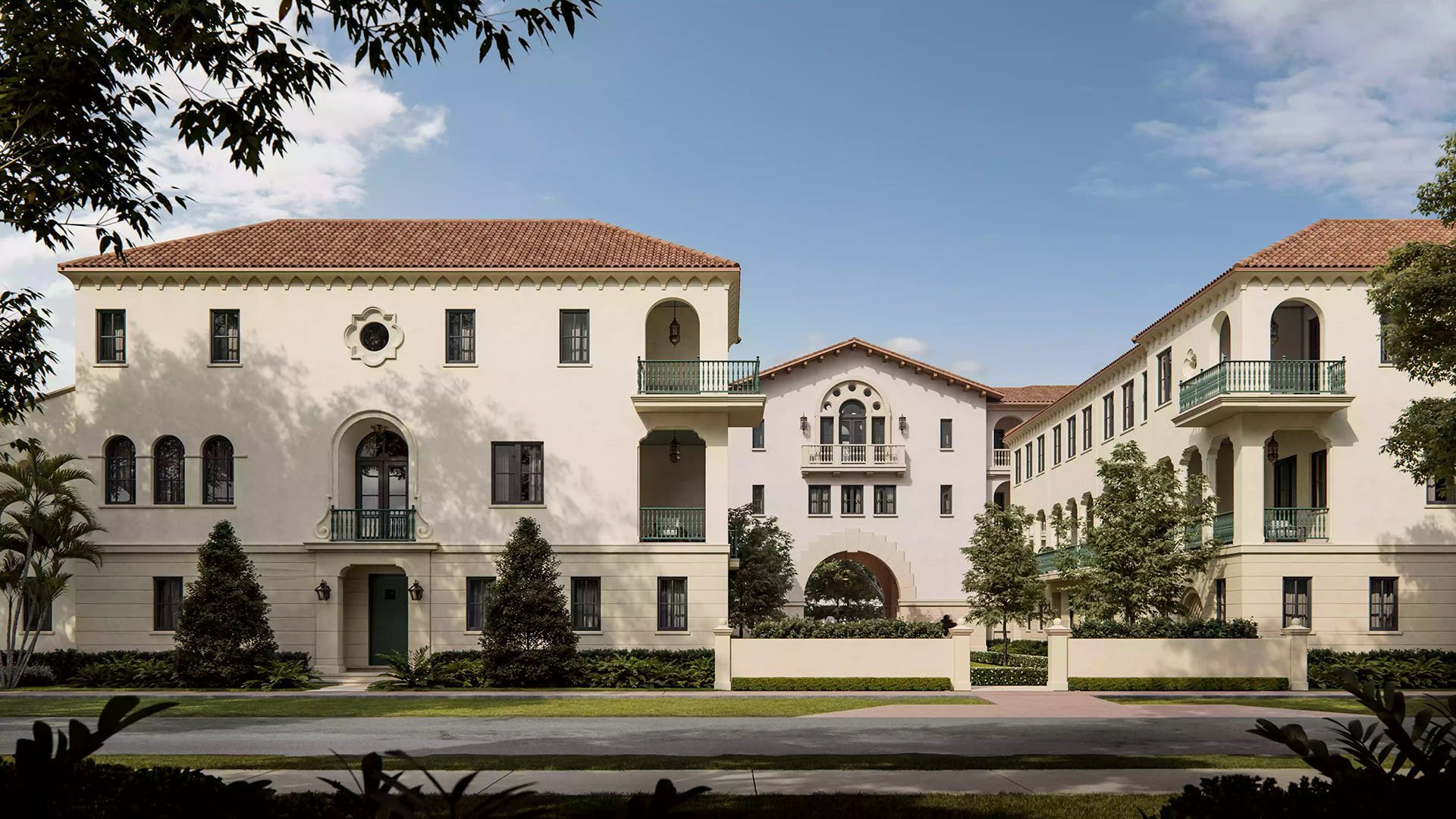
This is why local context matters. A buyer considering The Village at Coral Gables may think differently about brand value than a buyer evaluating a skyline tower or beachfront residence. The right question is not whether a brand is globally recognized. It is whether the licensing structure supports the specific life the buyer wants in Coral Gables.
The best branded real estate feels inevitable. The name, design, operations, and resident culture all point in the same direction. If the brand feels layered onto the project rather than embedded into it, buyers should ask harder questions.
Before signing, buyers should have counsel review the purchase agreement, association documents, management agreements, budget materials, and any available brand-related disclosures. The goal is not to dampen enthusiasm. It is to make sure the premium is understood.
Ask whether the brand license survives closing. Ask who can terminate it. Ask whether owners have any rights if the brand leaves. Ask which costs are brand-related. Ask whether the association can change operators, vendors, or standards. Ask whether the brand controls resale marketing. Ask whether the project can continue using the name if the license is not renewed.
In a sophisticated market, these questions are not adversarial. They are part of luxury due diligence. A buyer who understands the licensing terms can decide whether the brand is a true operational asset, a design influence, a hospitality promise, or simply part of the sales narrative.
What is a brand license in luxury real estate? It is an agreement that permits a project to use a brand name, identity, standards, or design association under defined conditions.
Does buying a branded residence make me a party to the license? Not necessarily. Buyers should ask whether the license is with the developer, association, operator, or another entity.
Can a branded building lose its brand after I buy? It may be possible if the license expires, is not renewed, or is terminated under the governing terms.
Should the brand license affect what I am willing to pay? Yes, but only after you understand what services, standards, rights, and risks the brand actually carries.
Are brand-related fees always shown separately? Not always. Ask whether fees are included in assessments, operating budgets, management costs, or separate charges.
Can I use the brand name when reselling my residence? Ask whether resale marketing is subject to brand guidelines, approvals, or restrictions after closing.
Does a branded residence guarantee hotel-style service? No. The service obligation depends on the specific management and licensing documents.
What should matter most in Coral Gables? The brand should complement privacy, architecture, landscape, service discipline, and neighborhood character.
Who should review the licensing language? Use experienced real estate counsel familiar with condominium documents, development disclosures, and luxury service agreements.
What is the simplest red flag? If the brand promise is central to pricing but vague in the documents, ask for clarification before signing.
For a confidential assessment and a building-by-building shortlist, connect with MILLION.
If branded residences are on your mind — as a home or as an allocation — we would be glad to share what we are seeing, privately.
Begin a quiet conversation