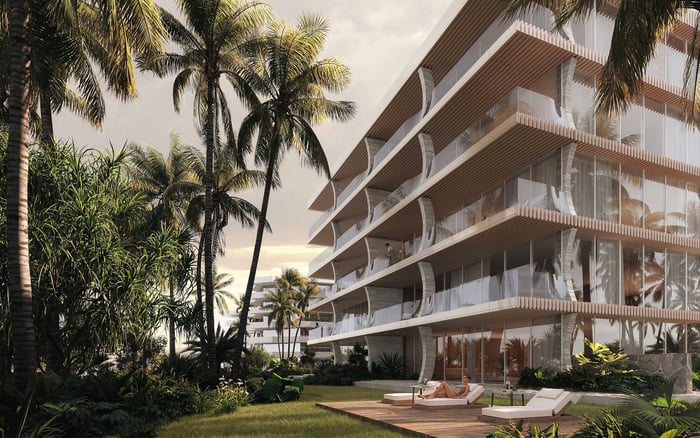
Fort Lauderdale is increasingly compelling for luxury buyers who want a quieter coastal base without giving up regional mobility. For those who value Brightline-connected travel, the city offers a poised alternative to louder South Florida markets, with waterfront living, practical access, and a more discreet sense of arrival.
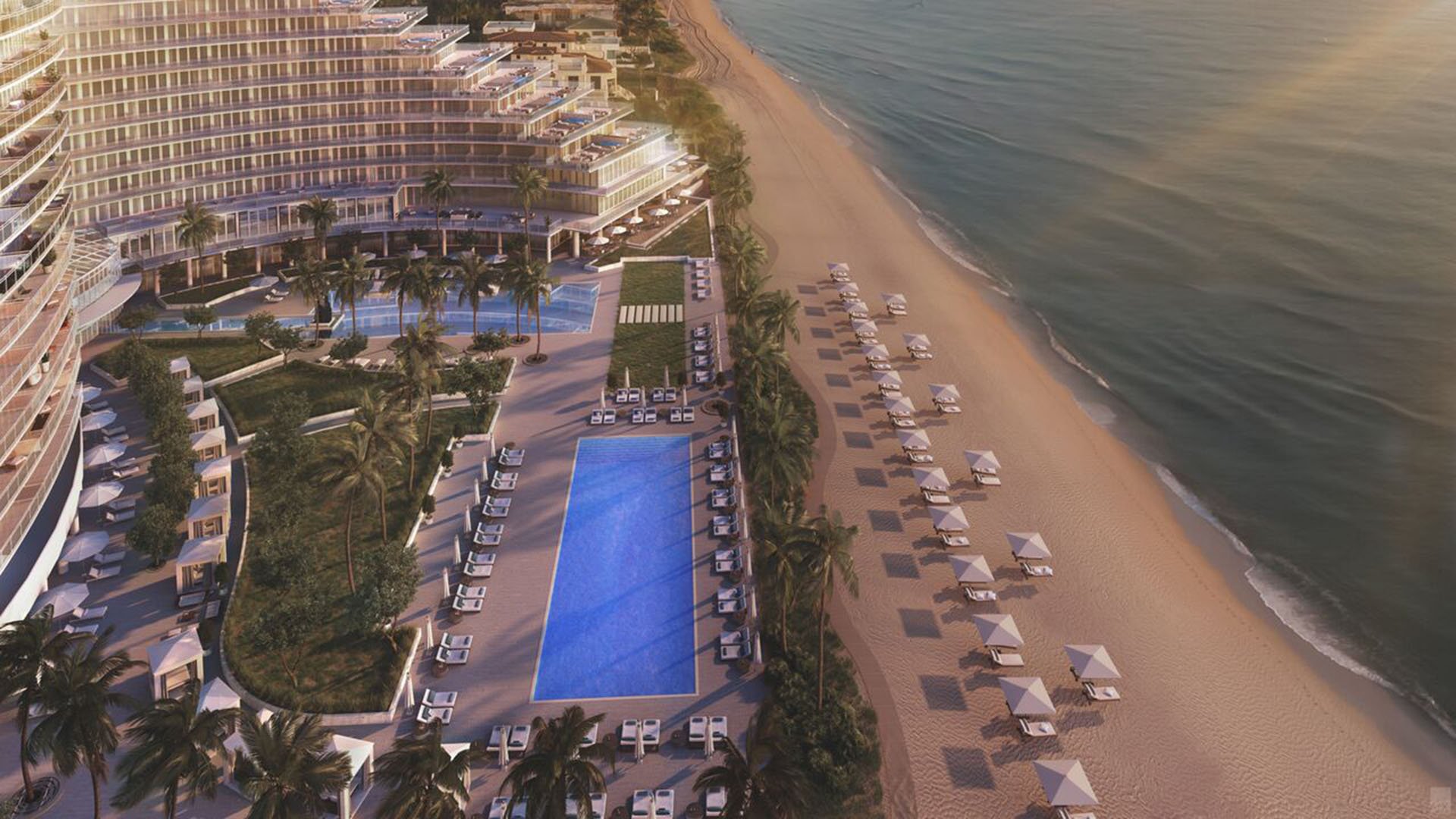
Fort Lauderdale has always understood the value of understatement. Its appeal is not built on spectacle, but on the more durable pleasures of water, privacy, marina culture, shaded streets, and a rhythm that feels less performative than many coastal destinations. For a luxury buyer considering where to live in South Florida, that restraint is no longer a secondary virtue. It is increasingly the point.
The phrase quiet luxury is often misused as a design trend, but in real estate it is better understood as a lifestyle standard. It means a residence that works elegantly, a neighborhood that feels composed, and a daily routine that does not require constant negotiation with congestion, noise, or overexposure. Fort Lauderdale speaks to that buyer with a rare combination of discretion and convenience.
The Brightline-connected travel question adds a practical dimension. The buyer who moves between South Florida markets for work, family, culture, dining, or seasonal commitments does not want to feel locked into a single urban center. Fort Lauderdale can function as a composed home base, allowing the owner to enjoy a more relaxed waterfront environment while keeping the broader corridor within reach.
For high-end buyers, travel convenience is rarely only about minutes. It is about friction. A residence becomes more valuable when it reduces the small points of resistance that accumulate across a week: the extra drive, the uncertain arrival, the sense that a day has been organized around transit rather than preference.
Brightline-connected travel matters because it supports optionality. A Fort Lauderdale owner may want dinner in Miami, a meeting farther north, or an easy transition between residences and professional commitments. The appeal is not merely that another mode of movement exists. It is that the home can sit in a quieter setting without asking the owner to surrender regional fluency.
That distinction is especially meaningful for buyers who do not want their residence to advertise ambition. In Fort Lauderdale, luxury can be experienced through proportion, service, dockage potential, views, walkability in select pockets, and a sense of ease. The city does not need to compete through volume. It can offer a more edited life.
In Fort Lauderdale, quiet luxury is not a single aesthetic. It may be a refined condominium with generous terraces and water views. It may be a single-family residence oriented toward boating and outdoor living. It may be a lock-and-leave seasonal home that allows an owner to arrive with minimal ceremony and immediately feel settled.
The common thread is control. The best properties give residents command over light, privacy, arrival, service, storage, parking, wellness routines, and entertaining. These are not superficial amenities. They are the mechanics of calm. A home that makes daily life feel effortless has lasting value because it respects time, attention, and personal space.
Fort Lauderdale also benefits from a scale that many luxury buyers find reassuring. It offers urban energy without insisting on constant intensity. Dining, beaches, cultural life, yachting, and professional access can coexist with neighborhoods that still feel residential. The result is a market that can appeal to both full-time residents and seasonal buyers who prefer refinement over theater.
In search terms, the decision often sits at the intersection of Fort-lauderdale, Broward, Downtown, New-construction, Oceanfront, and Second-home priorities. In lived terms, it is less about labels and more about whether the property makes an owner feel both connected and protected.
The Fort Lauderdale argument is strongest for buyers who want South Florida access without adopting the most conspicuous version of South Florida life. That includes executives who move frequently along the coast, families who value a calmer base, boaters who want water to be part of the daily routine, and seasonal residents who prefer their second home to feel like a true retreat.
It also suits buyers who are comparing lifestyles, not simply addresses. A trophy property in a more visible market may satisfy one desire, but a Fort Lauderdale residence may better answer the question of how one actually wants to live. The quiet luxury buyer is often less interested in proving arrival than preserving quality of life.
This is where Brightline-connected thinking becomes more than a transit note. It changes the residential calculus. If regional movement can be simplified, the buyer is freer to choose the environment that best supports private life. Fort Lauderdale, in that sense, becomes not a compromise, but a deliberate selection.
A careful buyer should begin with lifestyle sequencing. Where will most mornings begin? How often will travel north or south be part of the week? Is the priority beach access, boating, walkable dining, privacy, or a lock-and-leave format? The best purchase aligns the property with the owner’s real patterns rather than a generic idea of luxury.
Building quality and residence planning matter deeply. Look for layouts that separate public and private zones, terraces that can be used comfortably, views that retain emotional value at different times of day, and amenity programs that support actual habits. A wellness space is valuable if it replaces a daily errand. A concierge program matters if it reduces complexity. Parking, storage, pet policies, guest flow, and service access should be treated as core luxury features, not afterthoughts.
For waterfront buyers, the evaluation is even more personal. The relationship between house, water, boat, pool, outdoor room, and sunset becomes central to the experience of ownership. For condominium buyers, the question is often whether the building can deliver privacy and service without feeling overprogrammed. The finest choice is usually the one that disappears into daily life because it works so well.
Fort Lauderdale’s luxury appeal is not dependent on being louder than its neighbors. Its strength is composure. For buyers who prize movement, privacy, and a gentler form of coastal sophistication, that composure is increasingly persuasive.
A Brightline-connected lifestyle allows Fort Lauderdale to be considered on its own terms. The city can be a primary residence, a seasonal base, or a strategic coastal foothold for someone whose life extends across South Florida. The important point is that convenience and calm are not opposing values here. They can reinforce each other.
This is the quiet luxury case: choose the place that lets life feel easier, not just more visible. Choose the residence that supports how one moves, rests, hosts, and returns. In Fort Lauderdale, that proposition feels especially current.
Is Fort Lauderdale a quiet luxury market? Yes. Its strongest luxury appeal is often found in privacy, water access, restrained design, and a calmer coastal rhythm.
Why does Brightline-connected travel matter for buyers? It can make regional movement feel easier, allowing owners to choose Fort Lauderdale for lifestyle while staying connected across South Florida.
Is Fort Lauderdale better as a primary home or second home? It can work well for either. The best fit depends on how often the owner travels, entertains, boats, or uses the residence seasonally.
What should buyers prioritize in a Fort Lauderdale condominium? Prioritize privacy, terrace usability, service quality, parking, storage, building scale, and how well the amenities match daily habits.
What defines quiet luxury in Fort Lauderdale real estate? It is defined by ease, proportion, discretion, water orientation, thoughtful service, and a home that supports life without excess noise.
Is waterfront property central to the Fort Lauderdale lifestyle? For many luxury buyers, yes. Water views, boating access, and outdoor living are major parts of the city’s residential identity.
Should buyers compare Fort Lauderdale with Miami? Yes, but the comparison should focus on lifestyle. Fort Lauderdale may appeal to buyers seeking a softer, more private daily environment.
Can Fort Lauderdale suit buyers who travel frequently? Yes. Buyers who value a composed home base and regional flexibility may find the city especially practical.
What is the main risk of choosing the wrong property? The risk is buying for a label rather than lived experience. Layout, location, service, and access should match the owner’s actual routine.
How should a buyer begin the search? Begin by defining the desired daily rhythm, then evaluate neighborhoods and residences through privacy, access, water, and service.
To compare the best-fit options with clarity, connect with MILLION.
If branded residences are on your mind — as a home or as an allocation — we would be glad to share what we are seeing, privately.
Begin a quiet conversation