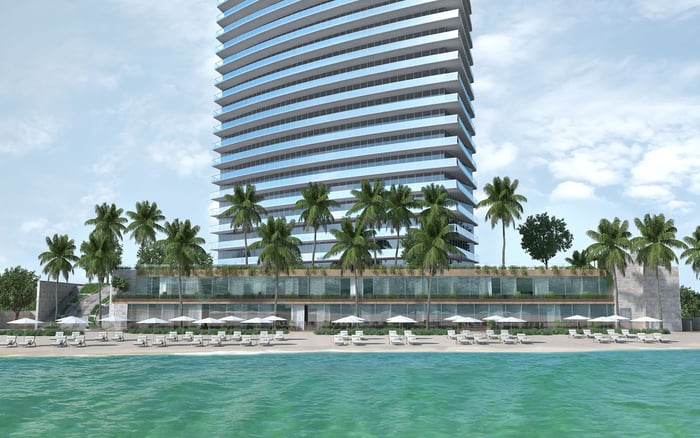
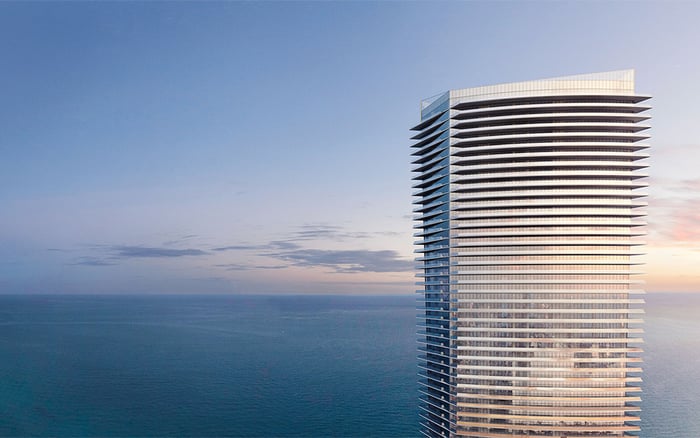
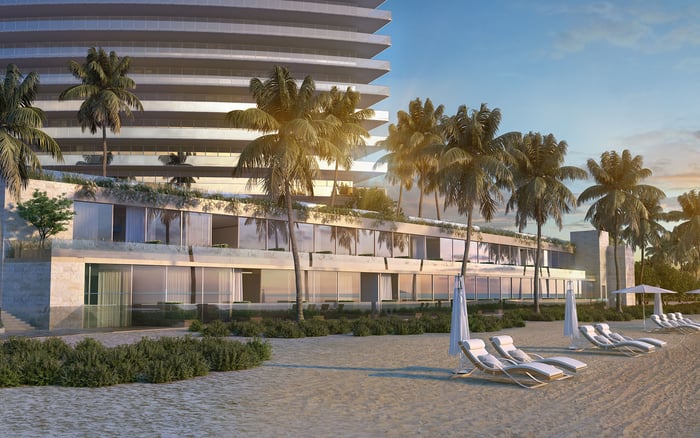
A buyer-focused look at restaurant exhaust diligence at Armani/Casa Residences in Sunny Isles Beach, where branded luxury, oceanfront conditions, association control and mechanical feasibility can shape the value of any food-and-beverage use.
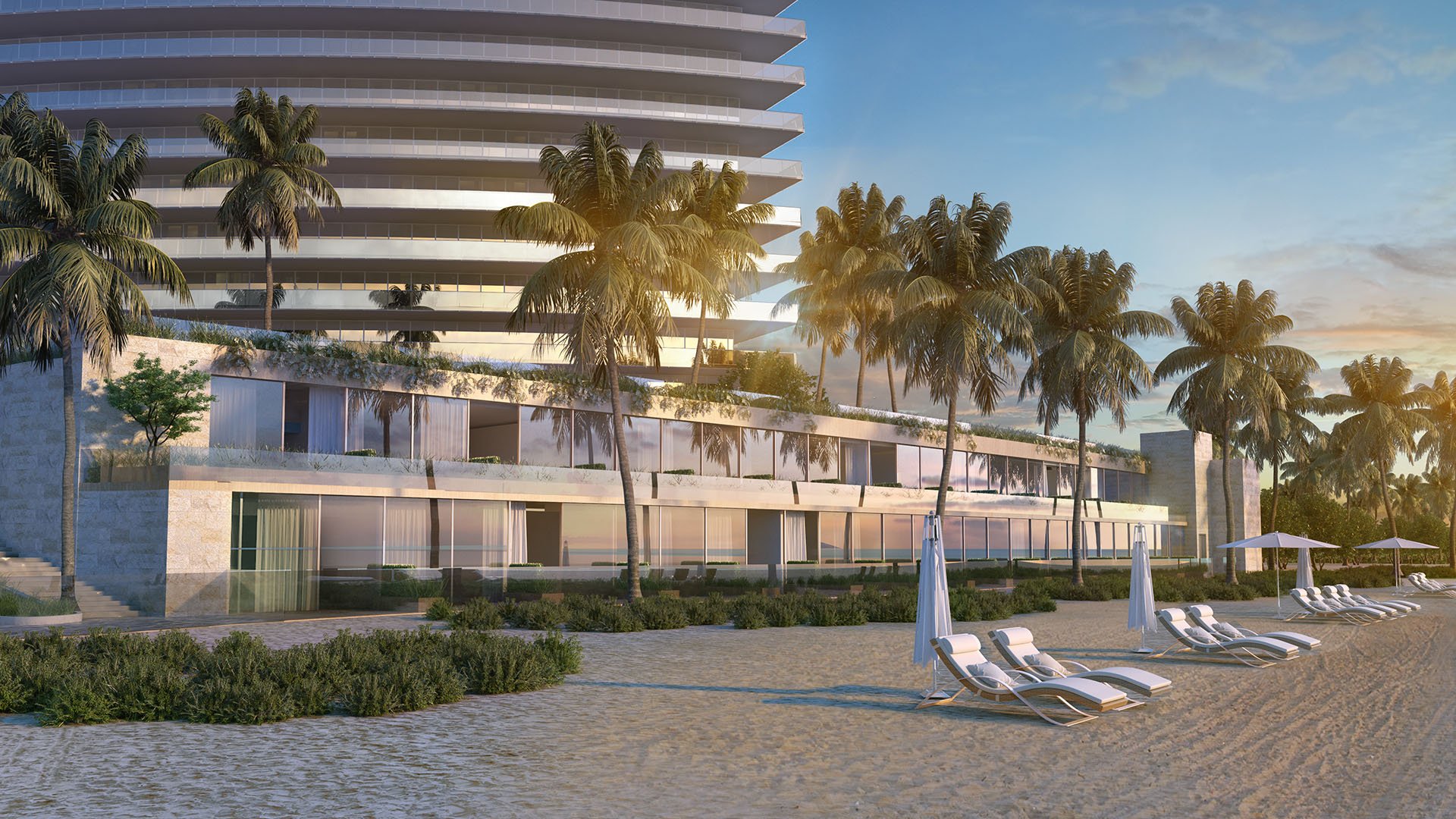
Armani/Casa Residences is a branded luxury condominium project in Sunny Isles Beach, positioned as an oceanfront residential tower with a design identity tied to Armani/Casa. That brand context matters. In a conventional retail building, restaurant exhaust may be viewed as a technical path from kitchen to discharge. In a high-end residential condominium, it becomes a question of comfort, discretion, appearance, association approval and long-term asset value.
For a buyer evaluating commercial or food-and-beverage potential, the first mistake is assuming that a premium address automatically supports a serious restaurant. A space may feel suitable for hospitality, coffee, wine, prepared foods or private service, yet still lack the infrastructure required for a true commercial kitchen. In 2026, the sharper buyer test is not whether the location is glamorous. It is whether the building can physically, legally and aesthetically carry grease exhaust without compromising the residential environment.
Armani Casa Sunny Isles Beach becomes a useful diligence case because the issue sits at the intersection of oceanfront prestige, commercial feasibility and investment discipline. For Sunny Isles buyers, the question is less theatrical than it appears: can the space support the use being priced into the deal?
Not all food service requires the same infrastructure. A café-style use, packaged food concept, wine bar, juice counter or warming-only operation may have very different requirements from a restaurant with open-flame cooking, fryers, grills or other equipment that produces grease-laden vapors. The latter can require code-compliant grease exhaust, fire-safety systems, make-up air coordination and approved discharge routes.
That distinction should be made before a buyer negotiates rent, resale value or build-out cost. If the contemplated use is light service, diligence may focus on electrical capacity, plumbing, odor control and association rules. If the business plan depends on serious cooking, the buyer must determine whether the building already has suitable shafts, roof access, mechanical space and approved discharge paths.
In a completed high-rise condominium, adding those elements after the fact can be difficult. Façade penetrations, new vertical duct routes and roof-level equipment can raise structural, aesthetic and approval concerns. A buyer should not treat those issues as routine tenant improvements simply because the square footage is attractive.
Restaurant exhaust in a branded residential tower is never only a mechanical exercise. Condominium approvals, association control and governing documents can materially shape what is possible. A commercial space owner may control the interior, but the exhaust route may need to pass through common elements, mechanical areas, roof zones or exterior conditions subject to association review.
That control can be especially important in a luxury branded environment. Odor, fan noise, vibration, visible equipment, service access and maintenance activity all affect residents. At an address built around design continuity and quiet oceanfront living, even a technically feasible route may be unacceptable if it changes the building experience.
The buyer’s document request should be precise. Original development approvals, condominium documents, mechanical drawings, association rules and any prior approvals related to food-and-beverage use should be reviewed before closing or before a lease is signed. If the documents do not clearly support the intended use, the price should reflect that uncertainty.
For new-construction buyers across South Florida, this lesson is increasingly relevant. The most valuable hospitality spaces are those whose infrastructure was planned early, not forced into the building later.
The core question is simple: where does the exhaust go? The answer is rarely simple in an oceanfront tower. A credible path may require a dedicated grease duct, rated construction, access for cleaning, coordination with fire-safety systems, make-up air, fan placement and a discharge point that does not disturb residences.
Existing shafts are the cleanest answer when they are appropriately sized, accessible and approved for the intended use. Roof access may be necessary for fan equipment or discharge, but roof areas in residential towers are often sensitive and carefully controlled. Mechanical rooms may already be fully allocated to building systems. Any proposed rerouting through occupied or common areas can introduce construction disruption and resident objections.
Coastal conditions add another layer. Sunny Isles Beach is an oceanfront setting, which means wind, salt-air exposure and durability concerns should be part of the conversation. Exhaust equipment and exterior components need to be considered not only for code compliance but also for long-term performance in a marine environment.
A buyer does not need to solve the full engineering design during the first walkthrough. But the buyer does need enough clarity to avoid paying restaurant-capable pricing for a space that may only support limited food service.
Restaurant exhaust can alter value because it changes the range of possible users. A space that can support a real kitchen may attract a different tenant profile than one limited to boutique retail, showroom use, wellness, beverage service or prepared foods. Conversely, a space marketed with food-and-beverage potential may be worth less if the building cannot accommodate grease exhaust in a practical way.
The capital expenditure question is also central. If upgrades are possible, who pays? How long will approvals take? Will work require access through common elements? Could construction logistics disturb residents? Are there limits on hours, staging, deliveries or rooftop work? Each answer affects both cost and execution risk.
Sophisticated buyers should model restaurant exhaust as a contingency, not a decorative improvement. If feasibility is uncertain, the purchase agreement or lease should provide enough time and leverage to complete document review, obtain professional input and confirm association approval paths. The premium of the address should not obscure the practical limits of the building.
Armani/Casa design is part of the residential promise at this Sunny Isles Beach tower. That promise creates a higher standard for any commercial use that touches the building experience. A kitchen exhaust solution that might pass in a back-of-house urban setting can still be problematic if it introduces visible equipment, persistent odors, audible fans or maintenance traffic inconsistent with the property’s atmosphere.
This is why the buyer test should include a brand-environment question: can the exhaust route serve the operator without compromising residents? If the answer is unclear, the issue belongs in valuation, not on a post-closing wish list.
For the right buyer, this discipline is not a deterrent. It is protection. The best assets in South Florida often reward those who understand what is hidden behind the finishes. At Armani/Casa Residences, the test is not whether hospitality belongs near luxury. It is whether the building was prepared for the specific intensity of the hospitality use being proposed.
A serious buyer should begin with the intended menu, equipment and operating model. From there, the team can determine whether the use is light food service or a commercial kitchen requiring grease exhaust. That single distinction frames the rest of diligence.
Next, the buyer should review mechanical drawings, shaft locations, roof access, discharge possibilities and maintenance access. The association layer should be evaluated at the same time, not after design money has been spent. Fire-safety requirements, construction logistics and capital expenditure should be treated as transaction issues.
Finally, the buyer should ask whether the proposed solution preserves the residential character of the tower. In a branded oceanfront condominium, technical feasibility is only one threshold. Resident comfort, visual discipline and operational discretion are equally important.
Is Armani/Casa Residences a luxury condominium in Sunny Isles Beach? Yes. It is a branded luxury condominium project positioned as an oceanfront residential tower in Sunny Isles Beach.
Does a luxury address automatically support a restaurant kitchen? No. Restaurant viability depends on infrastructure, approvals and exhaust routing, not only on location or prestige.
What is the first restaurant exhaust question a buyer should ask? The buyer should ask whether the planned use is light food service or a true commercial kitchen requiring grease exhaust.
Why are existing shafts important? Suitable shafts can make exhaust routing more practical, while new duct routes in a completed high-rise can be difficult.
Can façade penetrations be a problem? Yes. New exterior penetrations may raise structural, aesthetic, approval and resident-comfort concerns.
Why does the condominium association matter? Exhaust routes may affect common elements, roof areas, exterior appearance and resident experience, all of which can require review.
How does the oceanfront setting affect diligence? Wind, salt-air exposure and durability concerns should be considered when evaluating exhaust equipment and discharge.
Is restaurant exhaust a valuation issue? Yes. A space may be worth less if it cannot support the food-and-beverage use implied by its pricing.
What documents should buyers review? Buyers should review development approvals, condominium documents, mechanical drawings and association rules before assuming feasibility.
What is the main takeaway for 2026 buyers? A premium branded tower can be a superb address, but serious restaurant use still depends on infrastructure planned or approved for that purpose.
To compare the best-fit options with clarity, connect with MILLION.
If branded residences are on your mind — as a home or as an allocation — we would be glad to share what we are seeing, privately.
Begin a quiet conversation