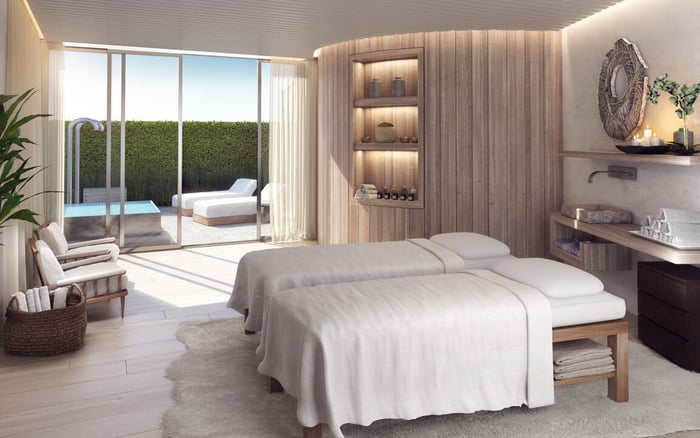
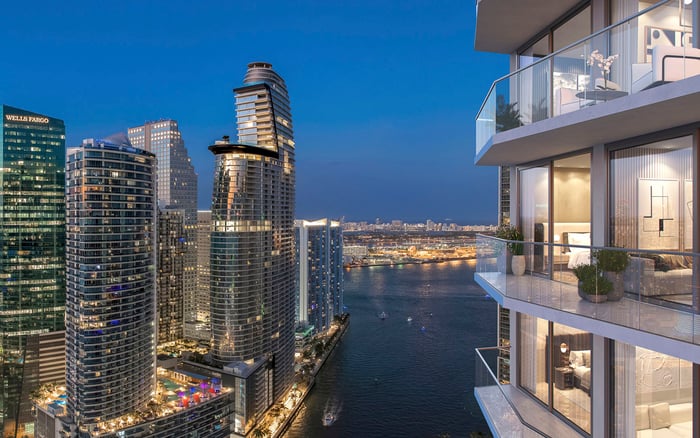
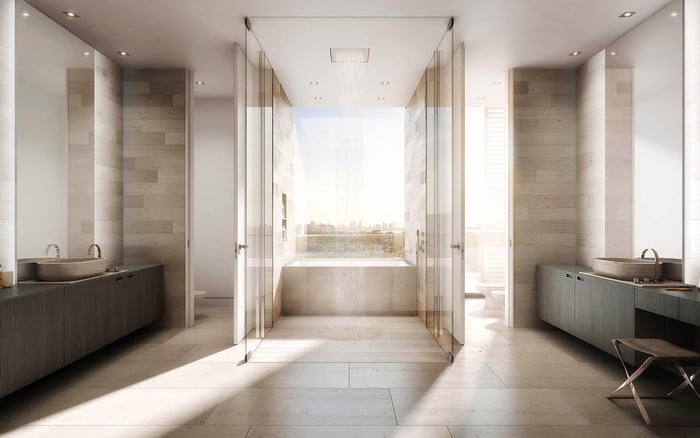
Auberge Beach Residences & Spa Fort Lauderdale is the stronger match for buyers seeking a quieter, retreat-oriented hospitality brand, while Casa Bella by B&B Italia Downtown Miami is better for those who want design-led luxury with Downtown access.
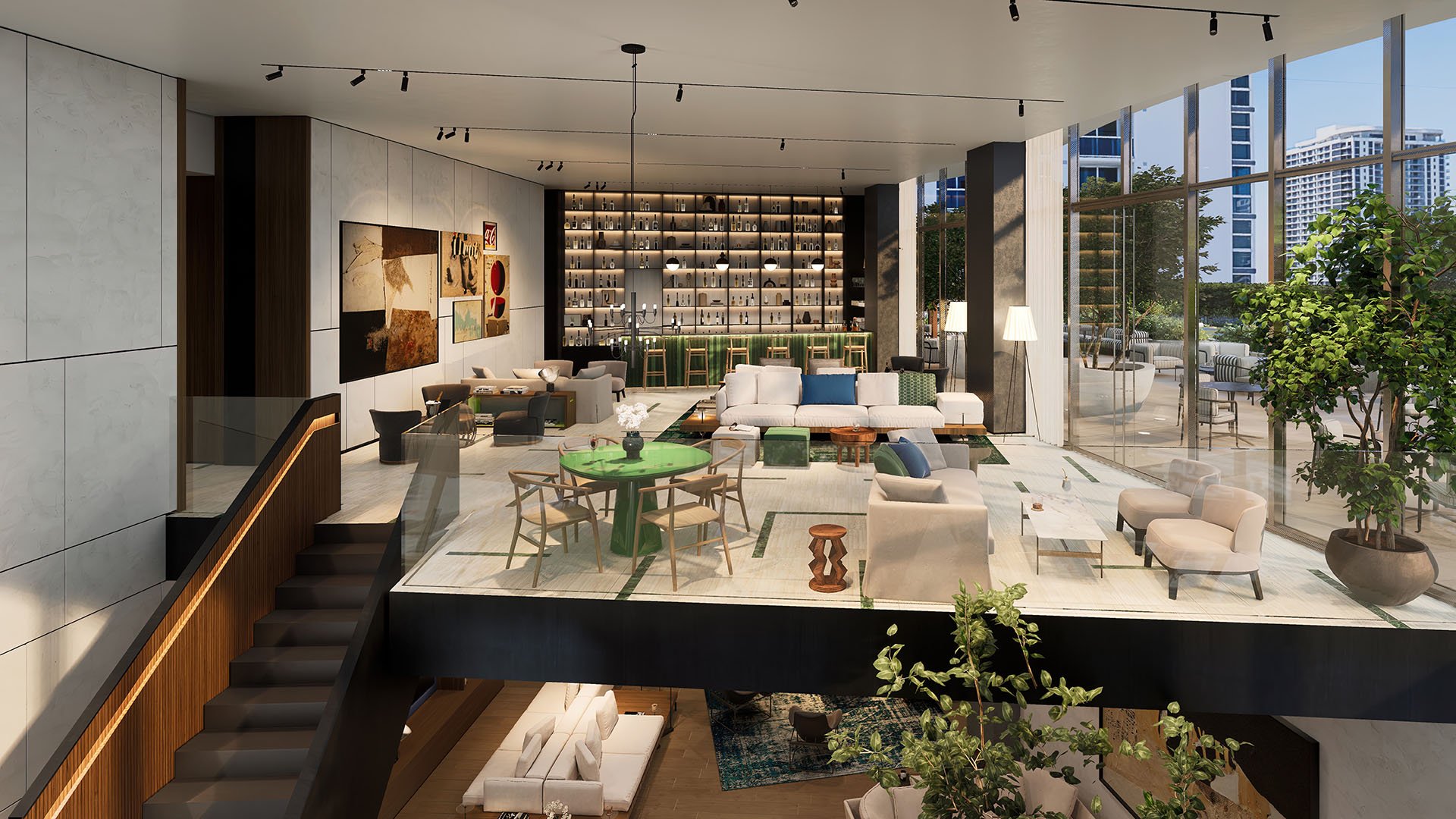
For a buyer who wants a quieter hospitality brand rather than a public-facing scene, Auberge Beach Residences & Spa Fort Lauderdale is the more natural fit. Its appeal is not that it is less ambitious or less luxurious than Casa Bella by B&B Italia Downtown Miami. The distinction is subtler, and more important: Auberge Beach is shaped around an oceanfront resort-residential mood, spa-oriented wellness, and a softer daily rhythm, while Casa Bella is an urban, design-forward condominium rooted in the B&B Italia name.
That difference matters for buyers who define luxury through calm, discretion, and daily restoration. Auberge Beach Residences & Spa Fort Lauderdale sits within a Fort Lauderdale coastal context that feels more retreat-like than Downtown Miami. Casa Bella by B&B Italia Downtown Miami, by contrast, is inherently connected to the cultural, dining, entertainment, and nightlife energy of the city core. Both can be excellent luxury residences. They simply answer different emotional briefs.
The most common mistake in this comparison is treating “quiet” as a synonym for better. It is not. Quietness, in this context, refers to the tone of the brand, the rhythm of the setting, the nature of the amenities, and the likely feel of daily arrival. A buyer may prefer a calm residential resort, or may prefer the vitality of a high-design urban address. Neither preference is automatically superior.
Auberge Beach’s advantage is its hospitality tone. Its identity reads as resort-oriented, wellness-minded, and more restorative than theatrical. That gives the property a framework that feels closer to a beachside retreat than an urban stage.
Casa Bella’s advantage is different. It is a branded residence with a strong design pedigree, shaped by B&B Italia’s design identity rather than a traditional hotel or resort posture. For buyers who want branded luxury, expressive interiors, and proximity to Miami’s cultural and social energy, Casa Bella’s positioning is compelling.
Auberge Beach is better aligned with buyers who want resident comfort, controlled hospitality access, and a resort-residential atmosphere over nightlife, event energy, or high public visibility. Its oceanfront Fort Lauderdale setting gives daily life a softer edge: beach, wellness, and spa-forward living become central to the experience rather than secondary conveniences.
This is especially relevant for second-home buyers who arrive in South Florida seeking decompression. The draw is not just a beautiful residence. It is the promise of a more restorative sequence: morning by the water, wellness amenities, quieter service, and an environment that feels less tethered to the pace of the city.
That does not mean Auberge Beach should be described as fully private or free of outside activity. Resort-style properties can still include guests, visitors, or shared amenity movement. The point is more measured: its brand and setting support a quieter hospitality posture than a Downtown Miami tower designed around urban connectivity.
Casa Bella is better suited to buyers who want the energy of Downtown and the distinction of a design-led branded residence. Its identity is not primarily about retreat. It is about style, access, and a sophisticated urban lifestyle connected to cultural institutions, dining, entertainment, and the broader Miami social grid.
That makes Casa Bella compelling for buyers who do not want seclusion to be the governing principle. They may want a residence that feels polished and amenity-rich, yet still plugged into the city. In that context, the surrounding movement is not a compromise. It is part of the reason to buy.
The buyer choosing Casa Bella for quiet living should simply be clear-eyed. Downtown Miami brings more surrounding intensity than a beachside Fort Lauderdale setting. For some owners, that energy adds value. For others, it can work against the desire for a subdued hospitality experience. The right answer depends on whether the buyer wants Miami at the doorstep or would rather keep the city at a more deliberate distance.
First is brand ethos. Auberge Beach is resort-spa oriented; Casa Bella is design-residential. That single distinction sets the tone for how each property is likely to feel.
Second is neighborhood energy. Fort Lauderdale’s coastal setting gives Auberge Beach a more resort-residential frame. Downtown Miami gives Casa Bella more immediate access to culture, dining, entertainment, and nightlife.
Third is amenity programming. Buyers seeking wellness, privacy, and restorative amenities will likely respond more strongly to Auberge Beach. Buyers seeking urban luxury with a strong design narrative may find Casa Bella more expressive.
Fourth is use pattern. A primary resident, seasonal owner, or investment-minded buyer may weigh the same features differently. The quieter buyer should think less about headline amenities and more about how the building will feel on an ordinary Tuesday morning.
Fifth is likely foot traffic. Public-facing energy, restaurant activity, events, and guest movement can shift the atmosphere of a property. Buyers who are sensitive to this should focus on how hospitality is controlled, how amenities are accessed, and whether the surrounding context reinforces calm or activity.
Auberge Beach is the better match for the buyer seeking a quieter hospitality brand. Its resort-spa orientation, beachside setting, and more understated residential rhythm support the idea of quiet luxury as wellness, privacy, and restoration.
Casa Bella is the better match for the buyer seeking visible design luxury in Downtown Miami. Its strength is not silence; it is the combination of design identity, urban convenience, and a more connected city lifestyle.
For the discreet buyer who wants hospitality without the sense of being on display, Auberge Beach has the clearer advantage. For the buyer who wants branded luxury with Miami’s energy close at hand, Casa Bella remains the sharper urban choice.
Which property better supports a quieter hospitality brand? Auberge Beach Residences & Spa Fort Lauderdale is the stronger fit for buyers seeking a quieter, retreat-oriented hospitality experience.
Is Casa Bella by B&B Italia Downtown Miami less luxurious? No. Casa Bella serves a different luxury preference, with a design-forward identity and stronger Downtown connectivity.
Why does Auberge Beach feel calmer? Its oceanfront Fort Lauderdale setting, spa-forward positioning, and resort-residential rhythm support a more restorative lifestyle.
Is Auberge Beach completely private? Not necessarily. Resort-style properties may still involve guests or hospitality activity, so buyers should evaluate access and daily operations carefully.
Who is Casa Bella best for? Casa Bella is best for buyers who value design pedigree, urban convenience, cultural access, dining, and entertainment proximity.
Does Downtown Miami make Casa Bella louder? Downtown naturally carries more activity than a coastal resort setting, so buyers seeking quiet should be comfortable with that energy.
What is the biggest difference between the two brands? Auberge Beach is tied to a resort and wellness hospitality identity, while Casa Bella is rooted in B&B Italia’s design identity.
Which is better for wellness-focused buyers? Auberge Beach has the clearer advantage for buyers who define quiet luxury through spa, wellness, and restoration.
Can Casa Bella still work for a quiet buyer? Yes, if the buyer wants a refined residence but is comfortable managing around a higher-energy Downtown environment.
What should buyers compare before deciding? They should compare brand ethos, neighborhood rhythm, amenity programming, use patterns, and the likely level of non-resident activity.
For a tailored shortlist and next-step guidance, connect with MILLION.
If branded residences are on your mind — as a home or as an allocation — we would be glad to share what we are seeing, privately.
Begin a quiet conversation