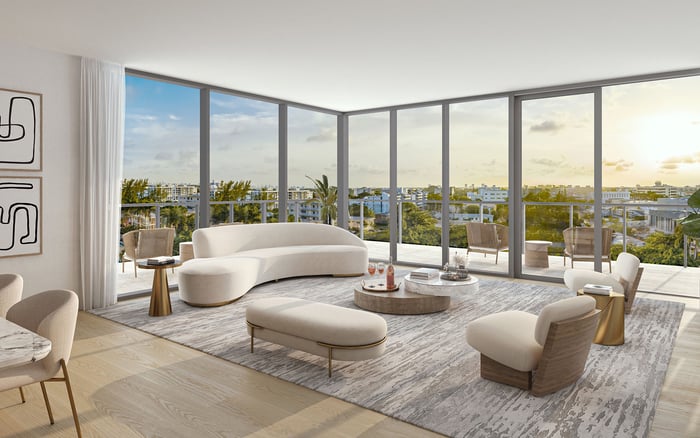
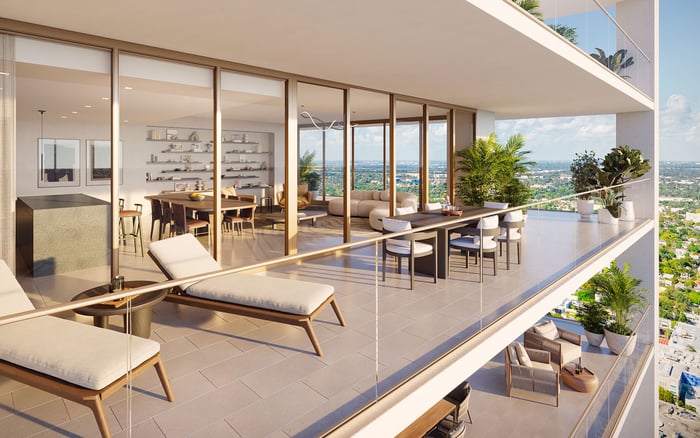
East-facing exposure in South Florida is not a superstition. It is a practical, design-forward preference shaped by heat, glare, circadian rhythm, and the way Miami living actually unfolds: coffee, workouts, terraces, and early meetings that happen before the afternoon sun turns aggressive. For buyers evaluating Miami Tropic Residences, morning light becomes a lens to judge floor plan performance, balcony comfort, artwork placement, and long-term livability. This editorial breaks down how east-facing light behaves in Miami’s latitude, what it means for interiors and energy load, and how to evaluate view corridors and privacy without overpaying for a compass point alone.
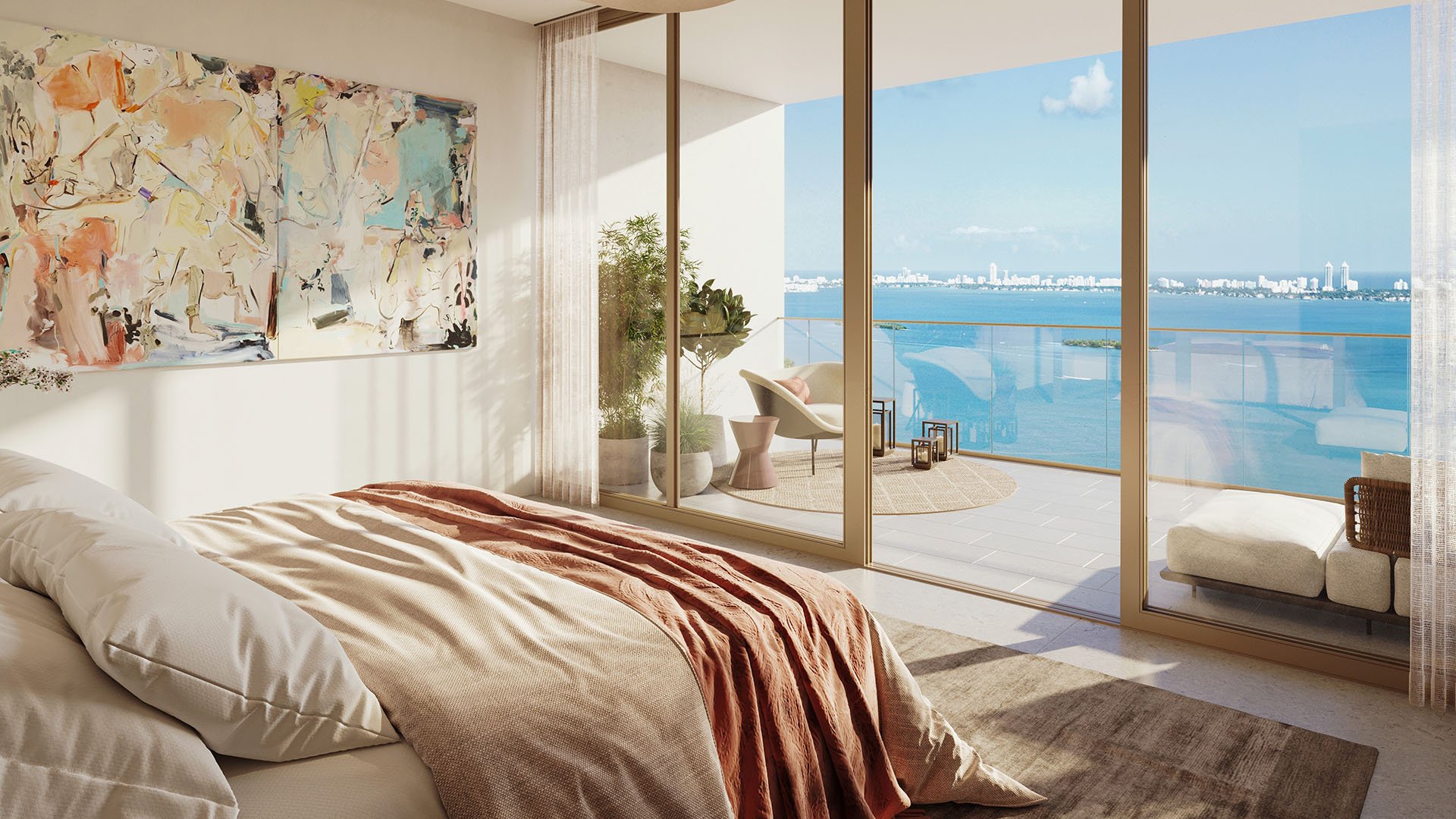
In South Florida, “best exposure” is rarely a single rule. It’s about the daily arc of comfort. East-facing residences typically receive their strongest direct sun earlier in the day, when the air feels softer and routines are already underway. By afternoon-when heat load and glare can peak-an east orientation often shifts to reflected light, which reads calmer and more flattering across interiors.
Sophisticated buyers feel the difference immediately: a living room that stays composed at 4 p.m., a terrace that remains usable later into the day, and bedrooms that wake naturally without becoming a midday heat trap. The premium isn’t only aesthetic. It’s about how long the home feels effortless-and how many rooms remain truly “all-day” spaces.
At Miami Tropic Residences, an east-facing preference is best understood as a strategy: paying to choreograph mornings, protect afternoons, and maintain a home that looks and feels crisp without constant shading adjustments.
Luxury in Miami is increasingly organized around wellness and early routines. Morning light fits that reality. It supports a predictable rhythm for workdays and travel days alike: espresso on the balcony, a quiet call with the blinds open, a workout in natural illumination that hasn’t turned punishing.
East light also flatters the finishes buyers actually specify. Pale stone reads less yellowed, white oak looks cleaner, and plaster walls show dimension without the hard shadows that can come with intense western sun. For collectors, it can be a practical advantage. Art and textiles may still require thoughtful UV management, but the gentler morning window can be easier to live with than a persistent late-day blast.
The key nuance: east-facing doesn’t automatically mean “bright.” Plan depth, ceiling height, and window-to-wall proportions can matter more than the compass point. A well-designed north or south exposure can outperform a compromised east exposure if the layout forces light to die in a long corridor.
In South Florida, the conversation becomes practical fast. Afternoon sun can turn certain balconies into ceremonial space rather than functional living. East-facing terraces often avoid that worst-case timing, translating into more outdoor meals, longer reading sessions, and fewer moments when furniture is too hot to use.
That said, don’t confuse “cooler” with “cold.” Glass, reflections off neighboring towers, and the brightness of water views can intensify perceived glare. A high-floor east exposure with a wide-open horizon can be luminous to the point that it demands interior planning: layered window treatments, glare-conscious TV placement, and a lighting plan that still feels warm at night.
If you want the east-facing premium to hold, evaluate three items during a showing or plan review:
Terrace geometry: Deeper balconies are more forgiving, creating shade bands that extend usability.
Glazing performance and operability: The best windows keep the view feeling present without turning the room into a greenhouse.
Room sequencing: Morning light matters most in spaces you use early-kitchens, breakfast areas, and primary suites.
East-facing exposure is a starting point, not a conclusion. At Miami Tropic Residences, the sharpest buyers treat orientation as one layer within a broader hierarchy: view corridor, privacy, noise profile, and plan efficiency.
A clean sunrise view can feel priceless-but not if it comes with an uncomfortably exposed terrace or a direct line of sight from a neighboring building. Likewise, a slightly angled east exposure that picks up skyline sparkle can be more visually dynamic than a straight-on view, while still delivering the morning-light benefit.
Consider asking your agent to map the following before you commit:
The angle of the façade: “East-facing” in marketing can include northeast or southeast, and those nuances change where light lands in the primary living zone.
The location of primary glazing: If the largest glass wall is in the living room but the kitchen is internal, you may not get the morning routine you believe you’re buying.
The balcony’s relationship to wind and sun: Exposure preferences should be tested against how you actually plan to use outdoor space.
For perspective, Miami’s broader luxury market offers multiple expressions of “light-first” design. In Brickell, vertical living often pairs sunrise light with skyline drama, as seen in 2200 Brickell, where orientation decisions can shape both view composition and the feel of the interior palette.
Ultra-premium buyers rarely choose exposure in isolation. They choose the best compromise for their specific priorities.
East-facing is typically the “morning-first, afternoon-composed” option. It appeals to buyers who want crisp mornings, less late-day heat, and terraces that remain inviting.
South-facing can be exceptionally bright, often with long daylight hours. It can be magnificent for plants and luminous interiors, but it may demand more shading discipline.
North-facing is often prized by designers for consistent, indirect light-steady, flattering, and controlled. In some towers, it can also reduce glare, though it may offer fewer dramatic sunrise or sunset moments.
West-facing delivers sunset theater and golden-hour interiors that photograph beautifully. The trade-off is often higher heat and glare late in the day, which can affect comfort, artwork placement, and balcony use.
On Miami Beach, where the horizon and the ritual of sunrise can define the experience, east-facing is often the emotional choice. Residences like 57 Ocean Miami Beach illustrate why: sunrise becomes part of the home’s daily identity, not just a feature you notice once.
East-facing light is naturally flattering, but interiors still need calibration. The goal is to keep mornings luminous without letting the home read washed out at noon.
Finish temperature matters: Cool whites and pale stones can look crisp in the morning; warm metals and textured woods keep the space from feeling clinical.
Layered window treatments: Sheers preserve the softness of sunrise, while discreet blackout options protect sleep and art when needed.
Reflective control: Glossy surfaces can amplify brightness. In an east exposure, balance lacquer with matte plaster, honed stone, or textured wallcoverings.
Art placement: Avoid hanging sensitive works where direct early rays repeatedly land. A slight shift can preserve the feeling without sacrificing preservation.
In waterfront markets, this design logic becomes even more pronounced. In Hallandale, for example, ocean orientation and balcony design can turn morning light into a daily ritual, which is one reason buildings such as 2000 Ocean Hallandale Beach resonate with buyers who prioritize sunrise living.
Exposure carries a psychological component that can influence resale. Many showings happen during daylight hours, often mid-morning to early afternoon. An east-facing residence can present exceptionally well in that window: bright, fresh, and visually expansive-without the harshness that can accompany later-day sun.
Still, the most durable value isn’t “east” on a brochure. It’s a home that lives well across the full day. The buyers who win long-term are the ones who test the residence at different hours, track how light travels through the plan, and confirm that the premium they’re paying is tied to comfort-not a label.
If you’re evaluating an east-facing line at Miami Tropic Residences, reduce the decision to a few concrete questions:
Does the primary suite receive morning light in a way that feels restorative, not intrusive?
Will the living area still feel balanced after the morning brightness fades?
Is the terrace deep enough to be used in multiple seasons and at multiple times of day?
Are there nearby buildings that compromise privacy or create mirror-glare?
Does the view corridor feel permanent, or vulnerable to future change?
If you want to compare how different neighborhoods interpret light and exposure, note how waterfront siting and glazing philosophies diverge. In Sunny Isles, for instance, full-height glass is often used to maximize horizon impact; projects like Bentley Residences Sunny Isles show how exposure decisions become inseparable from wind, balcony design, and the way you inhabit the sky.
Does east-facing exposure always mean cooler interiors? It often reduces late-day heat gain, but glazing, insulation, and plan depth still matter.
Is morning light better for artwork and finishes? It can be gentler than intense afternoon sun, but UV protection remains important.
What is the biggest drawback of east-facing units? Early brightness can wake light sleepers, and some lines may feel dim later in the day.
Should I prefer northeast or southeast exposure? It depends on your view and heat tolerance; both can be excellent with the right layout.
Do higher floors change how east light feels? Yes. Higher floors can increase brightness and glare due to wider horizons and reflections.
How can I make an east-facing living room feel warm at night? Use layered lighting, warmer materials, and thoughtful contrast rather than relying on daylight.
Are east-facing balconies more usable year-round in Miami? They’re often more comfortable in late afternoons, though wind and building geometry are decisive.
Does an east-facing label guarantee a sunrise view? Not necessarily-nearby towers, angles, and setbacks can block or limit the horizon.
What should I ask during a showing to verify exposure benefits? Visit at two different times and observe glare, temperature, and where light lands in key rooms.
Is east-facing exposure worth paying extra for? It can be-if it improves daily comfort and terrace use, not just the listing description.
For a tailored shortlist and next-step guidance, connect with MILLION Luxury.
If branded residences are on your mind — as a home or as an allocation — we would be glad to share what we are seeing, privately.
Begin a quiet conversation