A buyer-focused look at what truly changes day to day when your South Florida condo is paired with a hotel flag, versus a purely residential building.
In South Florida, two towers can share the same view corridor, amenity deck, and price point-yet deliver entirely different lived experiences after move-in. The separator is almost never the marble. It’s the operating model.
A condominium hotel brand (often called a condo-hotel or hotel-branded residence) is built to function like a hospitality asset: staffing is heavier, arrival is choreographed, and the building is engineered to support transient occupancy when permitted. A pure residential tower is built to function like housing: governance is resident-led, routines are predictable, and the building’s “product” is quiet continuity.
For buyers weighing the two, the real question isn’t whether the name on the porte cochère is prestigious. It’s whether you want your home to run like a hotel-or like a private club.
In a pure residential tower, the resident association typically sets the tone: house rules, vendor standards, move-in policies, and the level of tolerance for noise, pets, and renovation logistics. The operational center of gravity sits inside the ownership community.
In a hotel-branded model, authority is more distributed. Brand standards can shape everything from lobby behavior to service response times, and a management company may run significant parts of the day-to-day experience. That can be an advantage if you value consistency and professionalized service. It can be a drawback if you expect the building to feel like an extension of your personal preferences.
Put simply: pure residential can feel more “owned” by residents. Branded can feel more “run” for residents.
The most immediate difference is what you feel at the front door. Hotel-branded properties often design for high-touch arrival and frequent turnover: valets, bell staff, and a lobby that is intentionally active. That can be energizing-especially if you’re a part-time user who wants frictionless arrivals.
A pure residential tower tends to engineer for calm: fewer unknown faces, less front-of-house traffic, and an access pattern that prioritizes residents and their guests. The elevator experience becomes a daily barometer. If you’re sensitive to crowding, luggage carts, or “weekend energy,” watch how the building separates resident circulation from guest circulation.
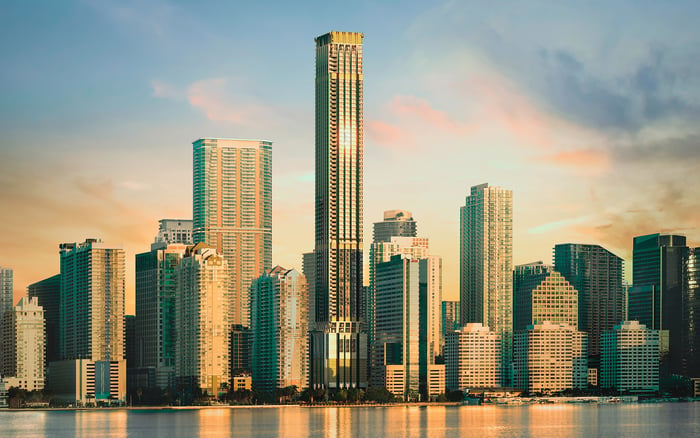
If you’re evaluating Brickell, it’s worth contrasting lifestyle expectations between neighborhoods that draw business travelers and those that skew residential. In that context, a project like 2200 Brickell reads as a more traditionally residential proposition in feel, even while still delivering a sophisticated, staffed experience.
Service isn’t one thing; it’s a bundle of staffing, policies, and response times.
In a hotel-branded environment, owners often expect a deeper bench: concierge, valet, engineering, and sometimes in-residence services that can be coordinated with minimal notice. The upside is convenience, particularly for second-home owners who want the unit “turned on” quickly after arrival.
In a pure residential tower, service can still be exceptional, but it’s typically optimized for full-time residents: package management, security, building engineering, and a steadier cadence of work orders. The service culture often reads less performative and more operational-which many primary residents prefer.
The buyer takeaway is straightforward: decide whether you want service to be a lifestyle feature or an invisible utility.
Few topics create more confusion than rentals. Buyers hear “condo-hotel” and assume short-term rentals are automatically allowed. Others hear “pure residential” and assume they aren’t. In reality, the answer lives in the documents and house rules, and it can vary widely.
Operationally, though, the two models are built around different assumptions:
Hotel-branded buildings are often structured to accommodate higher turnover and guest-like usage. Even if you never rent, you may still live with the rhythms that rental-friendly policies create.
Pure residential buildings typically favor stability, which can translate into stricter rental minimums, more controlled move-ins, and fewer transient patterns.
If your plan includes any meaningful rental strategy, you’re not only underwriting demand-you’re underwriting how that strategy will coexist with your lifestyle and your neighbors’ expectations.
Monthly costs can look deceptively similar on paper while reflecting very different service stacks.
In a hotel-branded model, you’re often paying for a front-of-house machine: more staff, longer staffed hours, elevated arrival protocols, and a higher pace of wear-and-tear in common areas. Even when impeccably maintained, a building that processes more arrivals, deliveries, and guest movement simply operates at a higher tempo.
In a pure residential model, the budget may be concentrated in building engineering, long-term reserves, and resident-centric services. The building can feel quieter because it isn’t designed to operate like a destination.
A practical due-diligence approach is to ask not only, “How much are dues?” but, “What is the building optimized to do with them?”
Amenity menus often read the same across the luxury spectrum: pools, spas, fitness, lounges. The difference is access, crowding, and cultural norms.
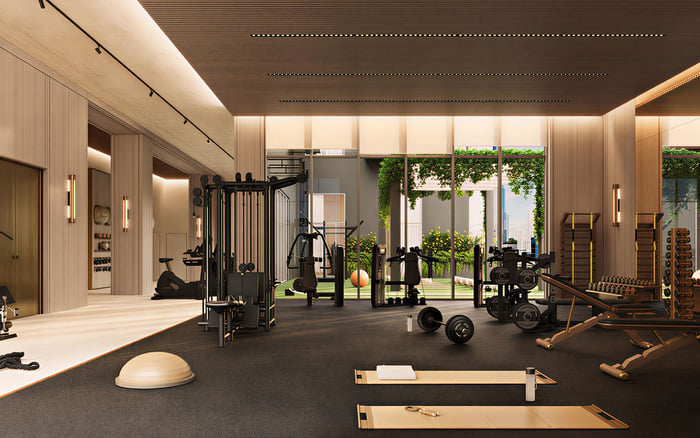
Hotel-branded living can deliver a resort-like atmosphere. It can also mean amenities are used more intensely, especially during high season and event weeks. Pure residential towers often keep a more predictable rhythm; amenities can feel like an extension of private life rather than part of a public-facing experience.
If Miami Beach is on your shortlist, a project like 57 Ocean Miami Beach speaks to buyers who want residential calm paired with high design-often the point for those prioritizing daily livability over destination energy.
Luxury buyers tend to remember service as people, not policies. Over time, the building team becomes part of your daily experience: the doorman who recognizes your family, the concierge who understands your preferences, the engineer who solves problems before they become stories.
Pure residential towers often foster continuity because they serve a more stable set of end users. Hotel-branded towers may have excellent teams as well, but staffing models can tilt toward hospitality scheduling and seasonal peaks.
If you’re a primary resident, continuity often matters more than spectacle. If you’re a part-time resident, spectacle may feel like continuity.
The clearest way to understand operational differences is to picture an ordinary Tuesday.
Are there multiple move-ins happening?
Are contractors common in the elevators?
Is the lobby active at breakfast hours?
Do you hear hallway doors throughout the day?
A hotel-branded model, especially when it supports short stays, can generate more “micro-events” that add up to a noisier baseline. A pure residential tower is generally more predictable, which can be invaluable if you work from home or value a low-stimulation environment.
This is one reason some buyers exploring ultra-luxury waterfront living gravitate to projects that position themselves as residential sanctuaries. In Sunny Isles, for example, Bentley Residences Sunny Isles is often considered by buyers who want an identity-rich building while still expecting a fundamentally residential day-to-day pattern.
Resale isn’t only about comps. It’s also about the future buyer pool the building naturally attracts.
Hotel-branded residences can appeal strongly to international buyers, second-home owners, and lifestyle purchasers who want an address that reads like a global passport stamp. Pure residential towers may draw more primary residents who are underwriting schools, commute patterns, governance culture, and a long horizon.
Neither is “better” for value in the abstract. The risk is mismatch: buying into a hospitality-forward building when you want quiet permanence, or buying into a pure residential tower when you want flexible usage and destination energy.
Operations don’t live in a vacuum. Neighborhood DNA amplifies what a building is designed to be.
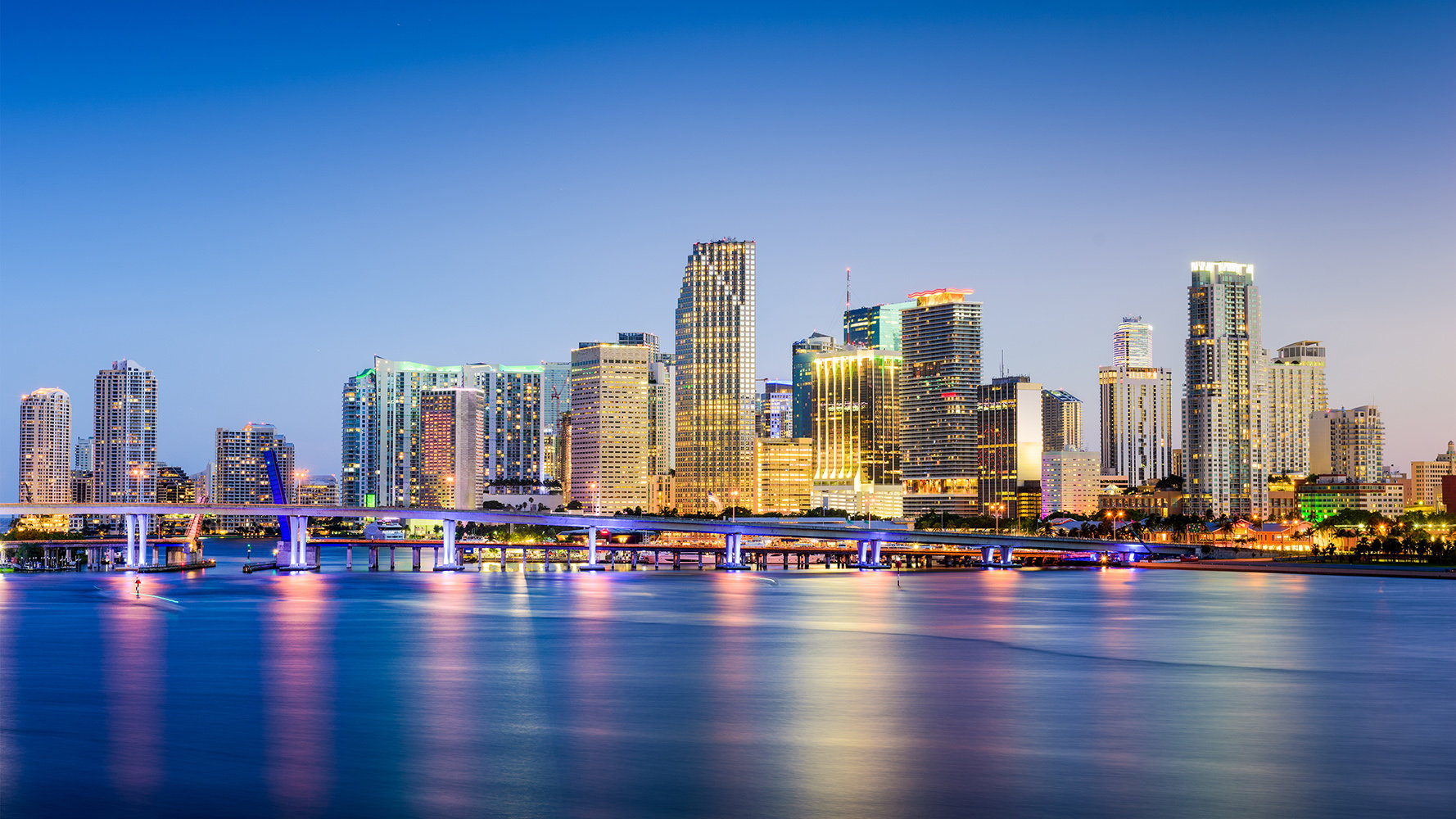
Brickell can reward service-forward living because daily convenience is part of the area’s appeal. Miami Beach can magnify differences in privacy, arrival patterns, and seasonality. Hallandale and other emerging luxury corridors can attract buyers balancing second-home usage and value, making operational clarity essential.
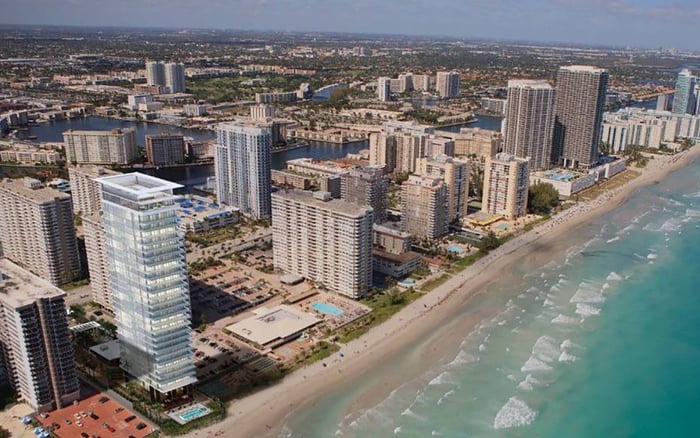
If you’re evaluating oceanfront options north of Miami, 2000 Ocean Hallandale Beach offers a useful reference point for buyers who want a distinctly luxury residential experience while remaining close to the hospitality ecosystem that defines much of the coastline.
If you want the decision to feel obvious, pressure-test yourself with four questions:
Do I value privacy and predictability more than full-service theater? If yes, a pure residential tower often fits.
Will I use the home as a true second-home with frequent arrivals and departures? If yes, a hotel-branded operating model can feel effortless.
Do I want governance control and resident-led culture? If yes, pure residential tends to deliver more influence over rules and tone.
Am I comfortable living with other people’s flexibility? Even if you never rent, your neighbor might. Your comfort with that reality is the real underwriting.
What is a condo-hotel, operationally speaking? It’s a condominium building designed to run with hospitality-style staffing and systems, often with rental-friendly operations where permitted.
Does a hotel brand automatically mean I can do short-term rentals? No. Rental minimums and restrictions depend on the building’s governing documents and policies, not the name on the building.
Are pure residential towers always quieter? Not always, but they’re typically engineered and governed for more predictable, resident-centric routines.
Will my monthly costs be higher in a branded building? They can be, because higher staffing and heavier common-area use often costs more, but budgets vary by building.
Is service actually better with a hotel brand? It can be more comprehensive and more immediately responsive, but “better” depends on whether you want hospitality-style service every day.
Do amenities feel different even if the list looks the same? Yes. Crowd levels, guest access, and seasonal usage can change how often you truly enjoy those amenities.
Which model is better for a primary residence? Many primary residents prefer pure residential governance and predictability, but some enjoy the energy and convenience of hospitality operations.
Which model is better for a second home? Branded operations can be ideal if you prioritize frictionless arrivals, staffed convenience, and a turnkey experience.
Will financing or resale be affected by the operating model? It can be, because buyer profiles and rental rules influence demand and underwriting, so you should confirm terms early.
What should I review before committing? Focus on house rules, rental policies, staffing scope, elevator and access design, and the culture you observe on an ordinary weekday.
For a discreet conversation and a curated building-by-building shortlist, connect with MILLION Luxury.
If branded residences are on your mind — as a home or as an allocation — we would be glad to share what we are seeing, privately.
Begin a quiet conversation