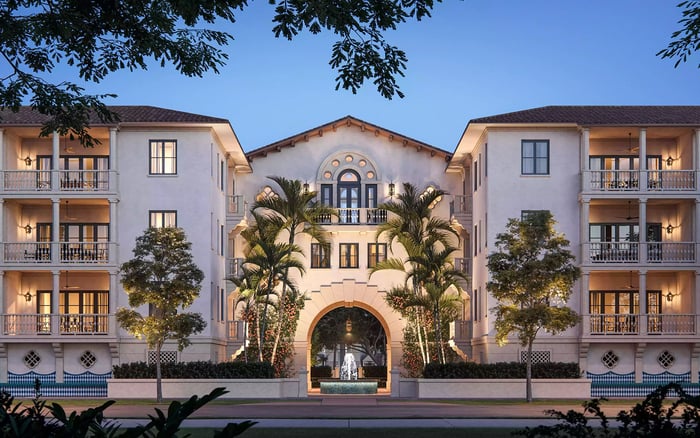
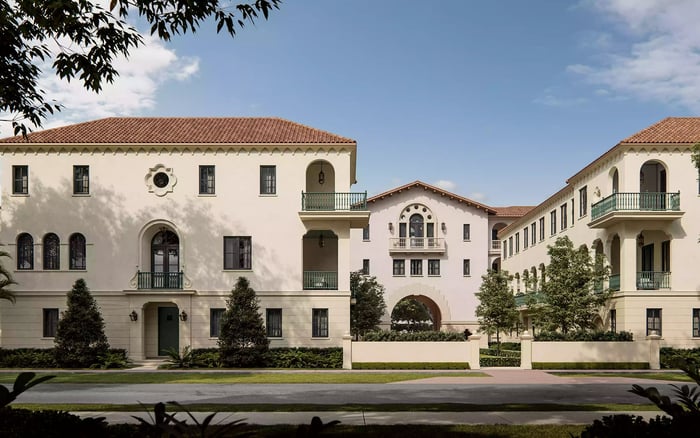
For families considering Ponce Park in Coral Gables, school choice often becomes a map exercise as much as an academic one. Pinecrest’s most sought-after campuses sit within a tight radius, but the daily experience of getting there changes dramatically with departure windows, neighborhood cut-throughs, and where you place yourself within the Gables. This MILLION Luxury guide frames the commute as a lifestyle decision: time, calm, predictability, and the ability to protect mornings and afternoons for family routines. Without leaning on brittle minute-by-minute promises, we outline the practical routes, the pinch points that shape variability, and the home-search strategies that reduce friction over a full school year.
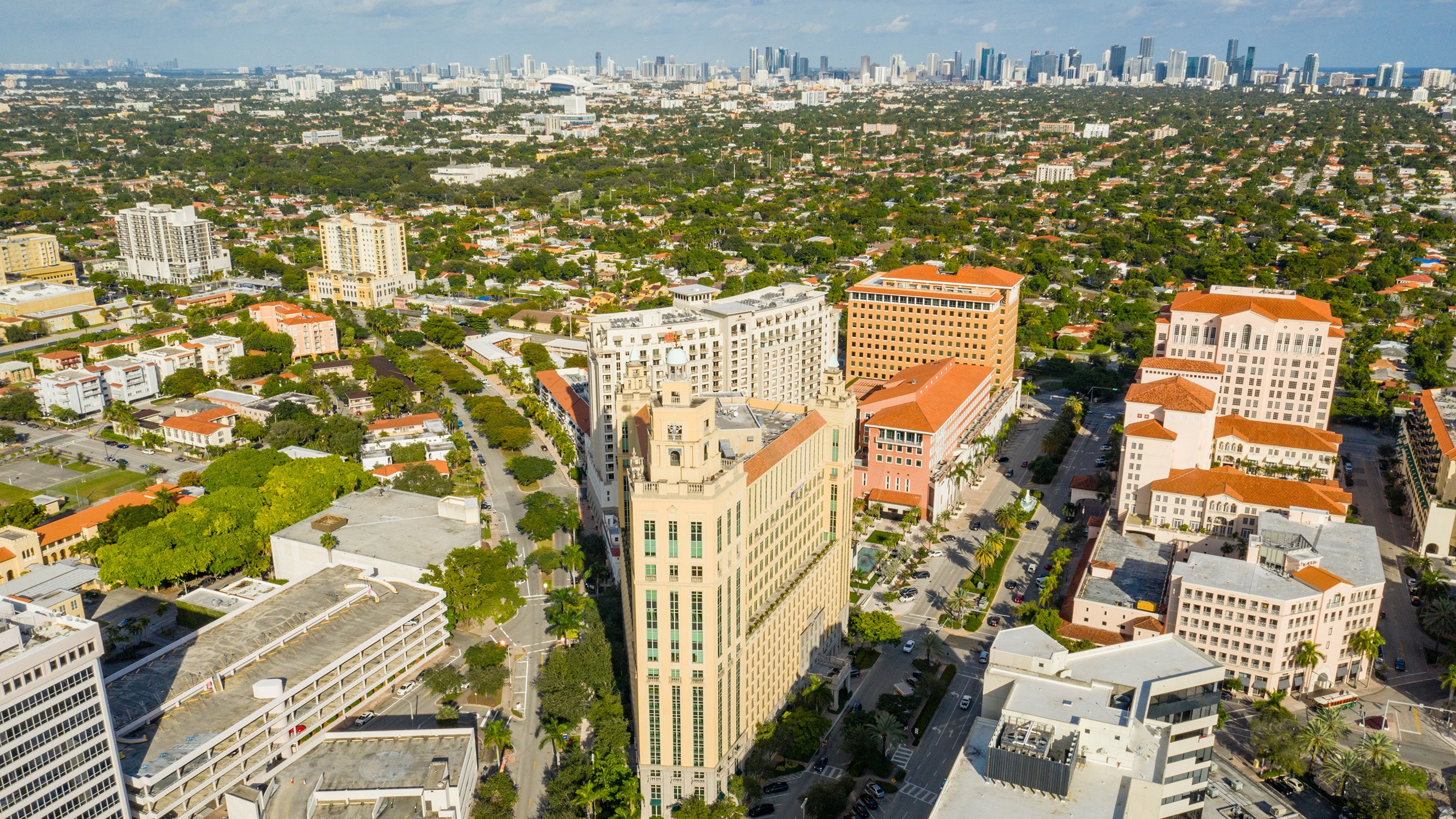
In South Florida, the most valuable amenity is often not a rooftop pool or a private wine room. It is a morning that stays on schedule. For families considering Ponce Park Coral Gables, the drive to Pinecrest’s elite educational institutions becomes a daily anchor-shaping breakfast routines, after-school sports, tutoring, and the ability to make it back to the Gables for evening dinners.
Coral Gables and Pinecrest are neighboring, high-demand communities, but the connective tissue between them is a set of arterial roads that perform very differently depending on the hour and the school calendar. The point is not to chase the fastest theoretical route. The point is to design consistency: fewer surprise slowdowns, fewer high-friction turns, and fewer minutes surrendered to drop-off choreography.
From the Ponce corridor, most families lean on three broad north-south strategies, each with a distinct feel.
First is the US-1 spine, which can feel direct and intuitive. It is also the most sensitive to signal timing, merging behavior, and episodic congestion. Second is the Old Cutler Road approach, valued for a calmer, more residential rhythm, but with its own school-zone compression and limited passing opportunities. Third is a “grid” approach using roads like Red Road and other connectors to position yourself for the final Pinecrest turn-in with fewer bottlenecks.
None of these options is universally best. The right fit depends on where the campus sits, whether you are arriving for standard drop-off or an early practice, and how much variability you are willing to tolerate.
US-1 often looks like the obvious answer: it points toward Pinecrest and tends to be familiar to drivers and navigation apps. The trade-off is that “direct” can also mean “exposed.” When a single segment slows, you absorb the full impact immediately, and alternatives can require multiple turns.
This route tends to suit households that can leave ahead of peak drop-off waves, or families with enough schedule flexibility to absorb an occasional swing without it becoming a stressor.
Old Cutler can be the counterweight to a major corridor. It often reads as more serene, with a landscape-driven cadence many luxury households prefer-especially when mornings are already crowded with decisions.
The trade-off is that the road’s character limits your ability to “make up time.” If you settle behind slower traffic or meet a compressed school zone, patience becomes part of the strategy. For families who prioritize calm over clock speed, that exchange can feel well worth it.
A mix of north-south connectors and east-west links can reduce reliance on any single artery. Executed well, it lets you stage the approach and enter Pinecrest from the side that best matches your destination.
The grid strategy rewards familiarity. After a few weeks, you typically learn which left turns are expensive, which intersections back up on specific weekdays, and which small detours reliably reduce stress.
Luxury buyers often think in terms of “drive time.” School families learn to think in terms of “arrival time.” The last half mile is where days are often won or lost.
Drop-off and pick-up are highly choreographed, and even a modest queue delay can erase the gains you made on the road. The most durable plan treats the campus perimeter as its own micro-traffic system. Arrive just before the highest-volume wave-or just after-and the entire commute can feel different.
For many families, the simplest upgrade is not changing neighborhoods. It is redesigning the morning: an earlier departure, a different approach side, or a consistent staging routine that keeps children calm, prepared, and on pace.
Within Coral Gables, small location differences can create outsized weekday impact. A home that feels “close” may still require several slow turns before you are truly moving. A home that is slightly farther but positioned for a clean outbound route can feel easier-every single morning.
That is why buyers evaluating the Gables often compare multiple lifestyle nodes, not just one building. The Village at Coral Gables and Cora Merrick Park, for example, sit within the broader Coral Gables fabric but can deliver very different “first five minutes” realities depending on your preferred corridor south.
For school commutes, the early minutes matter. The first signal, the first merge, and the first route decision often determine whether you settle into a smooth flow-or spend the rest of the drive reacting.
Families who maintain consistent commutes typically rely on a few disciplined habits.
One is standardizing departure times by day of week. Mondays can behave differently than midweek, and Friday afternoons can compress earlier. Another is separating “regular drop-off” routing from “early arrival” routing. The best route at 7:00 a.m. may not be the best route at 7:45 a.m.
It also helps to treat pick-up as its own event. Pick-up congestion can be more intense than morning drop-off because it collides with broader daytime traffic patterns, errands, and after-school activities. Many households reduce friction by building in a nearby buffer: a short coffee stop, a quick meeting, or a structured errand timed to arrive after the peak queue.
Some ultra-premium households choose to maintain a second residence that complements school life. This is not about leaving the Gables behind. It is about optionality.
A pied-a-terre in a different node can make sense if your week includes late practices, early rehearsals, or frequent campus events. In that context, a residence such as Mr. C Tigertail Coconut Grove can function as a well-placed alternative: close enough to keep you in a refined, walkable environment, while repositioning you for certain southbound trips.
The advantage is not purely time. It is energy management. Reducing the number of high-effort commutes in a week can meaningfully change how a household experiences the school year.
A commute test should be treated like a due diligence appointment, not a casual drive.
Run it at the exact times you would realistically depart and return. Do not time only the road portion; track the full sequence: leaving the garage, navigating the first few blocks, approaching the campus, and completing the drop-off loop. Note where you feel stress-those points are often more predictive than minutes.
Test at least two variants: one “best case” route and one “fallback” route. The most livable commutes are the ones with a graceful Plan B.
The central appeal of living at Ponce Park is the ability to keep the Coral Gables lifestyle intact while still accessing Pinecrest’s academic ecosystem. The Gables offers a cultivated rhythm-architectural character, established streetscapes, and a sense of discretion that resonates with legacy buyers and modern families alike.
When the commute plan is intentional, the experience can feel seamless. Your child can attend Pinecrest institutions while home life stays anchored in Coral Gables, with evenings that feel unhurried and weekends that remain your own.
Is Ponce Park Coral Gables a realistic home base for Pinecrest schools? Yes. The drive is manageable for many families, especially with a consistent route and timing plan.
Which is better for the commute: US-1 or Old Cutler Road? US-1 can feel more direct, while Old Cutler can feel calmer. Many families rotate based on the day.
What causes the biggest delays on school mornings? The campus drop-off loop and the last approach streets often add more variability than the main drive.
Should I prioritize distance or route simplicity when buying? Route simplicity often wins long-term because predictable turns and exits reduce daily stress.
Does leaving 15 minutes earlier really change the experience? Often, yes. Small shifts can move you out of the heaviest drop-off wave and smooth the approach.
Are afternoon pick-ups harder than morning drop-offs? They can be, because pick-up overlaps with errands, activities, and broader daytime traffic patterns.
Can I rely on one route year-round? It is better to have a primary route and a fallback, since traffic and school schedules change.
Is a second residence ever practical for school logistics? For some households with intensive schedules, a second base can reduce high-effort commutes per week.
How should I test the commute before purchasing? Drive the full sequence at true drop-off and pick-up times, including the campus loop and exit.
What is the main advantage of living in Coral Gables while schooling in Pinecrest? You can keep Coral Gables’ refined lifestyle at home while accessing Pinecrest’s academics and activities.
For a discreet conversation and a curated building-by-building shortlist, connect with MILLION Luxury.
If branded residences are on your mind — as a home or as an allocation — we would be glad to share what we are seeing, privately.
Begin a quiet conversation