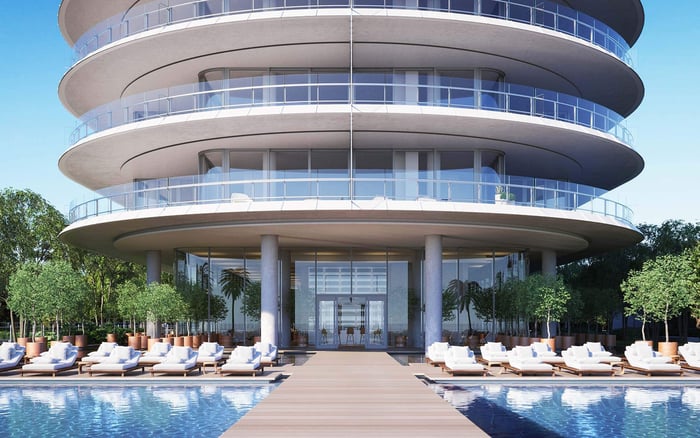
A buyer-focused guide to the oceanfront maintenance premium in South Florida, with practical closing diligence for reserves, building stewardship, amenities and long-term ownership.
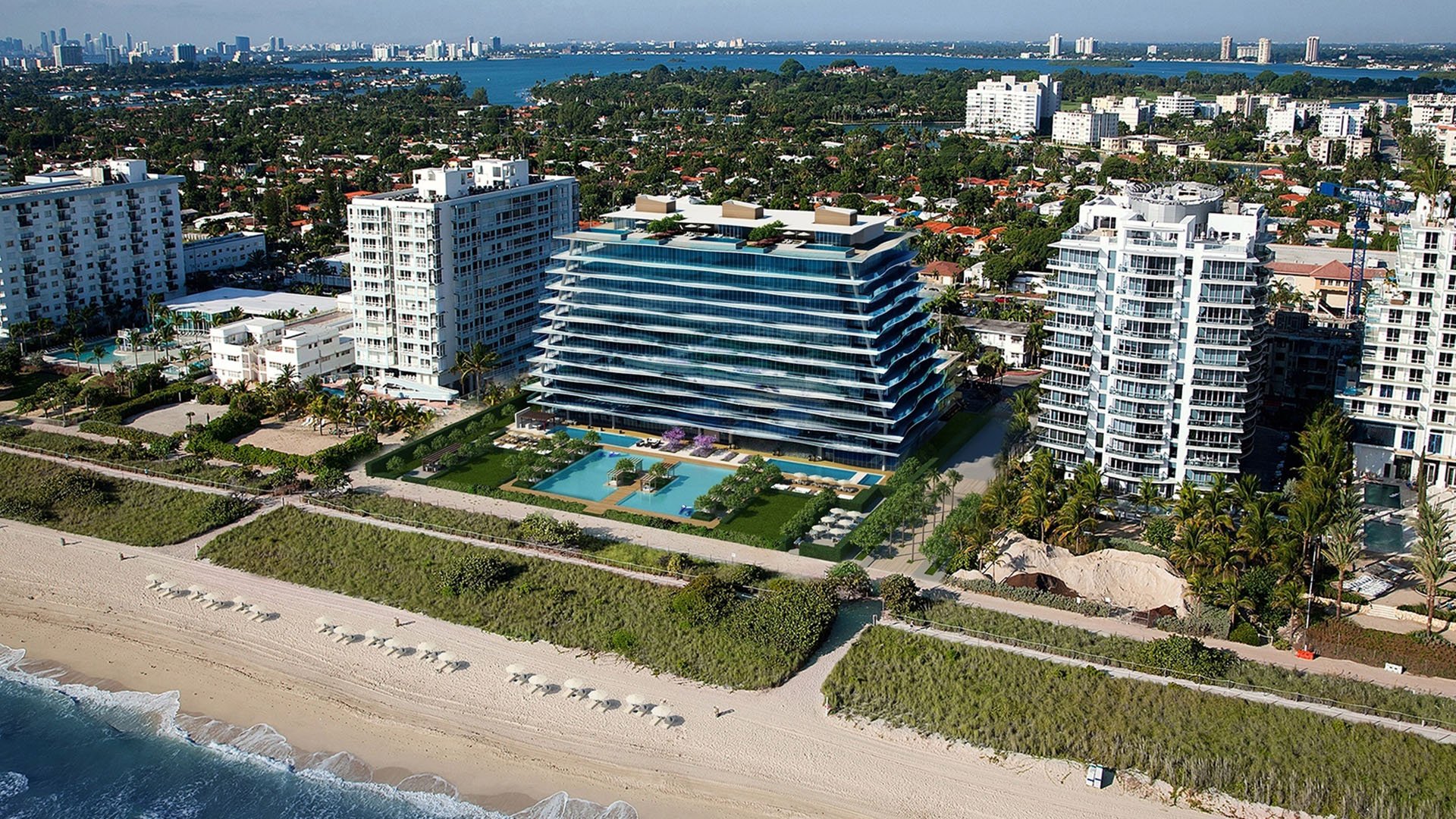
Oceanfront ownership in South Florida is often defined by light, horizon and arrival. A residence opens to the Atlantic, the morning begins on a private Balcony, and the building itself becomes part of a resort-caliber daily rhythm. Yet before closing, sophisticated buyers look beyond the view. They study the ongoing cost of protecting that view, preserving the structure around it and keeping the lifestyle operating with the quiet precision expected at the high end.
That is the oceanfront maintenance premium. It is not a single line item, and it is not always evident from the monthly association figure alone. It is the combined effect of exposure, service expectations, building systems, insurance, staffing, amenities and long-term capital planning. In a mature luxury market, the question is not whether a coastal residence requires attention. The question is whether the building has planned for it intelligently.
For a buyer comparing 57 Ocean Miami Beach with a quieter boutique address, or weighing a new tower against a resale residence, maintenance is part of the architecture of value. It influences liquidity, comfort, assessment risk and the confidence with which a family can own for years rather than seasons.
The closing period should be treated as a disciplined review of the building’s financial and physical posture. The monthly maintenance amount matters, but the composition behind it matters more. Buyers should ask what the budget covers, how reserves are handled, whether major projects are anticipated and how the association communicates capital needs.
The most useful documents are often the least glamorous: budgets, reserve schedules, insurance summaries, board minutes, engineering references where available, rules and recent association correspondence. Together, they reveal whether a property is reactive or deliberate. A lower monthly figure may feel attractive, but if essential work has been postponed, the number can be misleading. A higher figure may be entirely rational if it supports attentive staffing, preventive care and a well-funded plan for the building envelope and common areas.
Buyers should also separate routine operations from capital obligations. Valet, security, front desk, landscaping, amenity upkeep and common-area utilities sit in one category. Larger building projects sit in another. The distinction matters because day-to-day elegance does not automatically indicate long-term financial readiness.
In oceanfront real estate, the building envelope is not merely technical. It is central to the ownership experience. Windows, doors, railings, terraces, waterproofing, exterior finishes and garage areas all form the barrier between a residence and a demanding coastal environment. A buyer does not need to become an engineer, but should understand whether the building has a serious culture of inspection and repair.
This is especially relevant where outdoor living is part of the value proposition. A generous Terrace, an outdoor kitchen, a private plunge feature or a wide ocean-facing living room wall all depend on the integrity of the systems surrounding them. Maintenance is therefore not an afterthought. It is what allows design to remain beautiful.
At addresses such as The Perigon Miami Beach, buyers are often drawn to the interplay of architecture, privacy and immediate coastal presence. The more refined the experience, the more important it becomes to understand how the building intends to preserve that experience over time.
A luxury amenity program can be a decisive advantage, but it should be read as an operating commitment. A Pool deck, beach service, spa, fitness suite, lounges, wine rooms, private dining areas, guest suites and staffed arrival spaces all require maintenance, staffing standards and replacement planning. Their quality is visible on a tour, but their true cost appears in the association documents.
Buyers should ask how amenities are managed, how frequently high-use areas are refreshed and whether the building has a history of maintaining its common spaces at the level promised by its branding. A beautiful lobby without a refresh plan may be less compelling than a quieter building with a clear schedule for upgrades.
This is where the premium market rewards discipline. In Sunny Isles, a buyer studying St. Regis® Residences Sunny Isles may be evaluating a service-led lifestyle as much as a floor plan. Service is not incidental to ownership. It is funded, trained, managed and renewed.
New-construction can offer modern systems, contemporary codes, fresh amenity design and the comfort of starting from a cleaner maintenance baseline. It can also create a sense of simplicity for buyers who do not want to inherit the decisions of prior ownership groups. Still, new does not mean effortless. Buyers should understand turnover timing, warranty responsibilities, initial budgets and how the association will transition into steady-state operations.
Developer estimates can differ from mature operating reality. That does not make them suspect, but it does mean the buyer should view the first budget as a beginning rather than a permanent condition. Staffing levels, insurance, service contracts and amenity usage can evolve once residents actually occupy the building.
For Surfside buyers looking at The Delmore Surfside, the conversation should include not only architecture and privacy, but also governance, reserves and how the building’s maintenance philosophy will be established from the first years of operation.
A resale oceanfront condominium can offer established governance, visible operating history and a clear record of how the building performs in daily life. Buyers can review minutes, ask about completed work and observe the condition of corridors, elevators, garage areas, landscaping and amenity spaces. These clues matter.
The strongest resale buildings often show consistency. Their common spaces feel cared for. Their staff understands the property. Their board materials are organized. Their maintenance philosophy appears preventive rather than episodic. When these elements are missing, even a spectacular unit may deserve a more cautious underwriting of ownership costs.
Buyers should also consider the relationship between individual unit condition and building condition. A newly renovated residence can distract from deferred common-area needs, while a dated interior in a well-managed building may represent a more flexible opportunity for a patient owner.
Before closing, buyers should ask direct questions in a calm, document-driven manner. Is there a reserve study or similar planning framework? Are any special assessments pending or being discussed? What major repairs have been completed recently? What major work is anticipated? How has insurance changed the budget? Are there restrictions on contractors, renovations or terrace improvements? How does the building handle emergencies, service interruptions and vendor access?
For oceanfront assets, the best answers are rarely dramatic. They are specific, organized and consistent. A strong building can explain what it has done, what it is monitoring and how it plans to fund the next phase of care. That transparency is itself a luxury.
Buyers should bring the same rigor to Pompano Beach, Miami Beach, Bal Harbour, Sunny Isles and Surfside. The submarket may change, but the ownership principle remains the same: Oceanfront real estate is most rewarding when beauty and stewardship are aligned.
What is the oceanfront maintenance premium? It is the added ownership consideration tied to maintaining a coastal building, its systems, services and amenities at an appropriate standard.
Should buyers focus only on monthly maintenance fees? No. The monthly number matters, but buyers should also review reserves, insurance, meeting materials, capital plans and pending work.
Can a lower maintenance fee be a warning sign? It can be if important costs are being deferred or reserves are thin. A low figure should be studied, not simply celebrated.
Does new-construction avoid maintenance risk? No. It may offer newer systems and a fresh baseline, but buyers still need to understand budgets, warranties and association transition.
Why do amenities affect long-term costs? Amenities require staffing, cleaning, repairs, replacement planning and operational oversight. Their quality depends on consistent funding.
What should buyers ask about a Balcony or Terrace? They should ask about use rules, maintenance responsibility, waterproofing history and any limits on improvements or furnishings.
How important are reserves in an oceanfront building? Reserves are central to long-term confidence because they help fund future work without relying only on sudden owner contributions.
Is a renovated unit enough to justify a purchase? Not by itself. The building’s financial condition, physical condition and governance can be just as important as the private interior.
Should Surfside buyers evaluate maintenance differently? The same principles apply: review documents carefully, understand the building’s planning culture and weigh service against cost.
When should the maintenance review begin? It should begin before the inspection and financing periods expire, so the buyer has time to assess documents and ask follow-up questions.
To compare the best-fit options with clarity, connect with MILLION.
If branded residences are on your mind — as a home or as an allocation — we would be glad to share what we are seeing, privately.
Begin a quiet conversation