A buyer-focused guide to evaluating private terraces in Edgewater, with attention to outdoor kitchens, plunge pools, balcony function, upkeep, and the quiet details that shape daily livability.
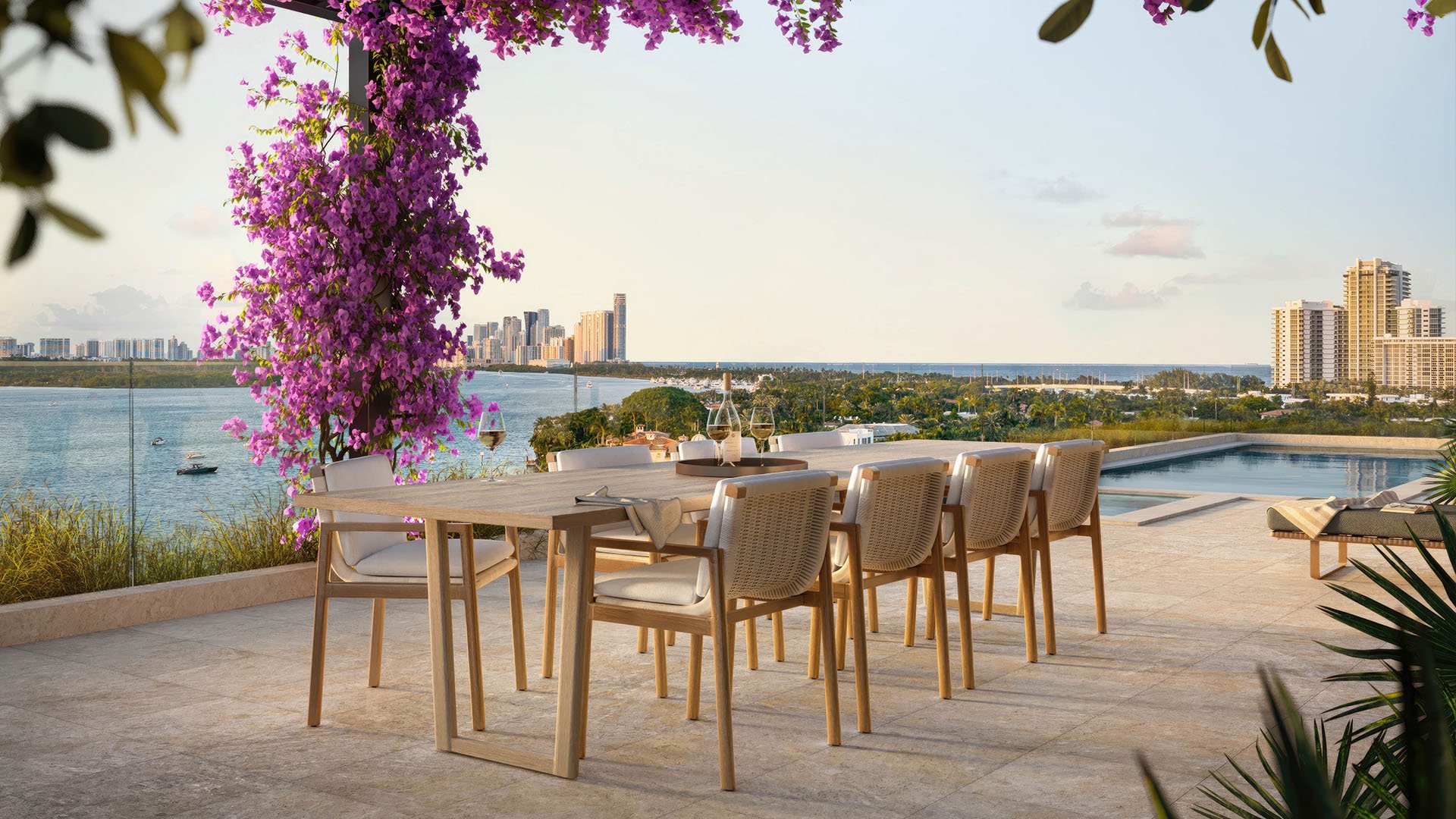
In Edgewater, the private terrace has evolved from a pleasant add-on into one of the most closely examined features in luxury condominium living. For the right buyer, it is not simply outdoor square footage. It is a breakfast room in the morning, a shaded lounge in the afternoon, and a quietly dramatic setting for dinner after dark.
The strongest terrace experience begins with restraint. A large exterior area is valuable only when it supports the way a household actually lives. Some owners want an outdoor kitchen for effortless entertaining. Others prioritize a plunge pool, a sheltered reading area, or a balcony that feels intimate rather than exposed. The distinction matters because upkeep, building rules, and furniture planning can shape the experience as much as the view.
For buyers comparing Edgewater residences such as Villa Miami, Aria Reserve Miami, EDITION Edgewater, and The Cove Residences Edgewater, the conversation should move beyond terrace size. The more important question is whether the outdoor space can be used beautifully, repeatedly, and with minimal friction.
An outdoor kitchen can make a residence feel closer to a private-villa sensibility, but it deserves careful review before a buyer assigns it full lifestyle value. The visual language is seductive: stone counters, integrated grills, refrigeration, concealed storage, and space for guests to gather without crowding the interior kitchen. Yet the practical details determine whether it becomes a daily amenity or a rarely used showpiece.
Buyers should ask how cooking is handled within the building’s rules. Is grilling allowed on that specific terrace? Are fuel, ventilation, smoke management, and drainage addressed? Is the kitchen original to the residence plan, or was it added by a prior owner? If the terrace is part of a new-construction purchase, confirm what is delivered, what is optional, and what remains subject to association approval after closing.
Materials matter as well. Cabinetry, hardware, counters, upholstery, and flooring must perform in a demanding coastal climate. A refined terrace should look effortless, but it must be specified with durability in mind. The most successful outdoor kitchens are not overloaded. They are edited, sheltered where possible, and planned so service, cleaning, and storage remain simple.
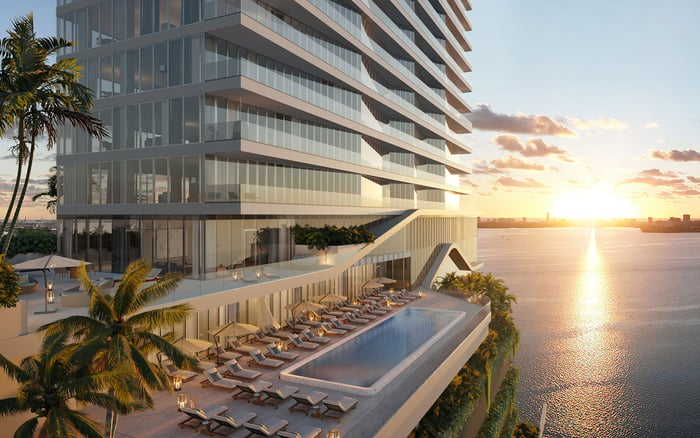
A private pool on a terrace is one of the clearest signals of ultra-luxury living, but it also introduces a separate layer of responsibility. The appeal is immediate: a quiet dip without leaving the residence, a reflective water element beside the living room, and a sense of resort privacy at home. Still, buyers should separate emotional impact from operational reality.
The first question is not only whether a pool exists, but how it is maintained. Access for service providers, equipment placement, water treatment, drainage, safety features, and noise control all matter. A plunge pool that is difficult to service can lose its charm quickly. A well-integrated pool, by contrast, feels natural because the technical work is hidden.
Privacy is equally important. Some terraces are visually open to neighboring buildings or common areas. Others create a more protected outdoor room through orientation, screening, setbacks, or architectural massing. When evaluating pool terraces, visit at different times if possible. Light, wind, sound, and sightlines can change the perceived quality of the space.
True luxury is not only what a terrace offers on the day of purchase. It is how gracefully the space ages. Outdoor kitchens, pools, planters, lighting, irrigation, speakers, stone surfaces, glass rails, and furniture all require attention. A buyer should understand what the association maintains, what the owner maintains, and what requires approved vendors.
For seasonal owners, upkeep deserves particular scrutiny. A terrace that is highly planted, heavily furnished, or dependent on multiple systems may need regular oversight even when the residence is unoccupied. That does not make it undesirable. It simply means the owner should budget for care in the same way one would for a yacht, art collection, or landscaped estate.
The most elegant terraces are often the easiest to maintain because they are planned with discipline. They have sensible storage, durable finishes, access to water and power where needed, and layouts that allow furniture to be protected in severe weather. They avoid clutter. They also respect the building’s architectural language rather than trying to turn a high-rise terrace into something it is not.
A polished presentation can make any outdoor space look appealing. A serious buyer should slow the tour down. Stand in each functional zone and imagine an ordinary day rather than a staged evening. Where does morning sun land? Where would four guests sit for coffee? Where would a chef place platters? Can doors open fully without interrupting furniture? Is there a protected corner for reading, or is the entire space exposed?
Pay attention to thresholds. The relationship between interior and exterior rooms is crucial. A terrace that flows naturally from the living area tends to be used more often than one reached through a narrow or awkward passage. Ceiling height, door width, floor level changes, and lighting transitions all affect the mood.
Buyers should also listen. Mechanical sound, street sound, neighboring terraces, and wind can alter the experience. A terrace with dramatic presence may still be less desirable if it cannot support conversation. Conversely, a more modest outdoor area can feel exceptional if it is quiet, private, and easy to use.
Before becoming attached to a terrace, create a short design brief. Decide whether the priority is cooking, lounging, swimming, planting, entertaining, exercising, or quiet personal retreat. Very few terraces perform every role equally well. The strongest purchase is usually the one that aligns with the owner’s actual rhythm.
If entertaining is the focus, circulation and service access become central. If wellness is the focus, shade, privacy, and water features may matter more. If the terrace is intended as a second living room, furniture depth, weather protection, and lighting should be evaluated with the same rigor as interior design.
This is where discretion pays. The most impressive terrace is not necessarily the largest. It is the one that feels composed, usable, and consistent with the residence. In Edgewater, that can mean a sculptural outdoor kitchen, a serene pool terrace, or a beautifully proportioned balcony that extends the living room without demanding constant attention.
What should buyers ask first about a private terrace in Edgewater? Start with use rights, maintenance responsibility, and building rules for cooking, water features, furniture, and alterations.
Is a larger terrace always better? Not necessarily. Layout, privacy, exposure, and access from the interior often matter more than raw outdoor square footage.
Can every terrace support an outdoor kitchen? No. Buyers should confirm association rules, utility access, ventilation, drainage, and whether approvals are required.
What makes a terrace pool desirable? A desirable terrace pool is private, easy to service, visually integrated, and supported by clear maintenance arrangements.
How should seasonal owners think about upkeep? Seasonal owners should plan for regular inspections, furniture care, plant maintenance, and vendor access while away.
Are terrace modifications usually simple? They can be complex. Changes may require association review, professional plans, permits, or limits based on building rules.
What materials work best outdoors? Durable stone, marine-grade metals, exterior-rated cabinetry, performance fabrics, and weather-conscious lighting are often preferred.
Why is privacy so important on an Edgewater terrace? Privacy affects daily use. A terrace that feels exposed may be used less often, even if it has impressive views.
Should buyers tour a terrace at more than one time of day? Yes. Light, sound, wind, heat, and neighboring activity can change the character of the outdoor space.
What is the best terrace for resale appeal? The strongest terraces tend to be usable, low-friction, architecturally coherent, and aligned with luxury outdoor living.
For a tailored shortlist and next-step guidance, connect with MILLION.
If branded residences are on your mind — as a home or as an allocation — we would be glad to share what we are seeing, privately.
Begin a quiet conversation