A practical luxury buyer’s guide for grandparents choosing a Miami Beach residence that can host children, grandchildren, older relatives and holiday surges with privacy, comfort and logistical ease.
For grandparents, a Miami Beach residence is rarely just a winter escape. It becomes the place where adult children arrive with work calls, grandchildren move between the beach and the pool, older relatives need shade and step-free circulation, and holiday meals extend beyond the dining table. The right purchase should be evaluated less as a pied-à-terre and more as a private hospitality platform.
That shift changes the buying criteria. Views and finishes still matter, but so do sleeping capacity, elevator reliability, service infrastructure, car pickup zones, storage, flexible dens, children’s amenities and the ability to give everyone a measure of privacy. Miami Beach rewards this kind of planning because its neighborhoods are distinct. A property that works beautifully for a couple’s long weekend may feel too exposed, too noisy or too constrained when three generations arrive at once.
The first decision is not condo versus house. It is rhythm. South of Fifth offers a compact, polished environment near parks, restaurants, the beach and bayfront views. For grandparents who want full-service condominium living and easy outings without constant driving, it is one of Miami Beach’s most logical targets. South Pointe Park is a particularly important family landmark because it gives children room to move, adults a scenic walk and visiting relatives a graceful daily ritual near the water.
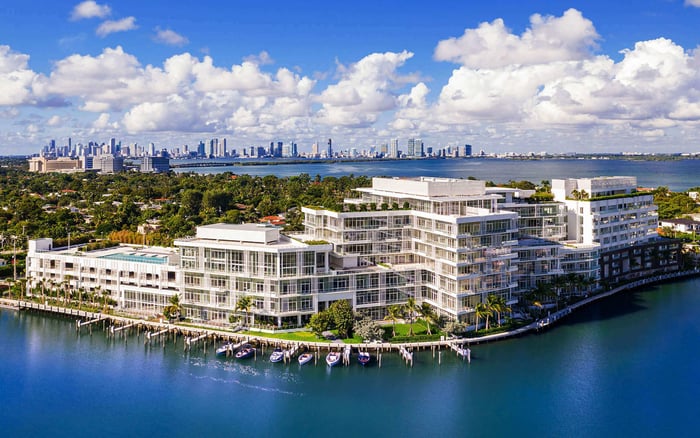
In South Beach and South of Fifth, buyers often compare highly serviced residential environments where privacy, staffing, valet flow and amenity access matter as much as square footage. Properties such as The Ritz-Carlton Residences® South Beach may enter the conversation for families drawn to a hospitality-minded setting close to the energy of the southern beach districts.
Mid-Beach and the Collins Avenue oceanfront corridor offer another version of family life. Here, Miami Beach’s resort identity is especially visible, with beachfront hotels, condominium towers and walkable amenities shaping much of the experience. For grandparents who want an oceanfront address with a more residential daily pattern than the loudest parts of South Beach, the corridor can be compelling. Residences such as The Perigon Miami Beach and Shore Club Private Collections Miami Beach sit naturally within that broader discussion of beachfront living, service and family gathering space.
Not every extended-family buyer wants proximity to nightlife. North Beach offers a quieter Miami Beach alternative, with beach access, neighborhood parks and a less intense atmosphere than South Beach. North Shore Open Space Park is an important amenity for families prioritizing green space, shaded walks and easy outdoor time for grandchildren.
This northern stretch can work especially well for longer stays. Children need repeatable routines: beach in the morning, lunch nearby, quiet time, then a pool or park outing before dinner. Grandparents need the same thing in a different form: manageable errands, less friction in daily movement and a setting that does not feel like a constant event. Beach access is valuable, but so is the sense that the home can absorb a week of family life without requiring a production.
Directly north, Surfside appeals to buyers who want a smaller-town residential setting near Miami Beach. The scale is different, the pace is calmer, and the area can feel more suitable for multigenerational visits where the goal is time together rather than constant entertainment.
Beyond Surfside, Bal Harbour adds another layer: ultra-luxury oceanfront living, high-end retail and a quieter village scale. It is not Miami Beach, but for some grandparents it offers the balance they want: close enough to the beach-city experience, yet more restrained in daily texture. Buyers considering this northern progression may also look at Rivage Bal Harbour as part of a discussion about privacy, retail proximity and a calmer coastal environment.
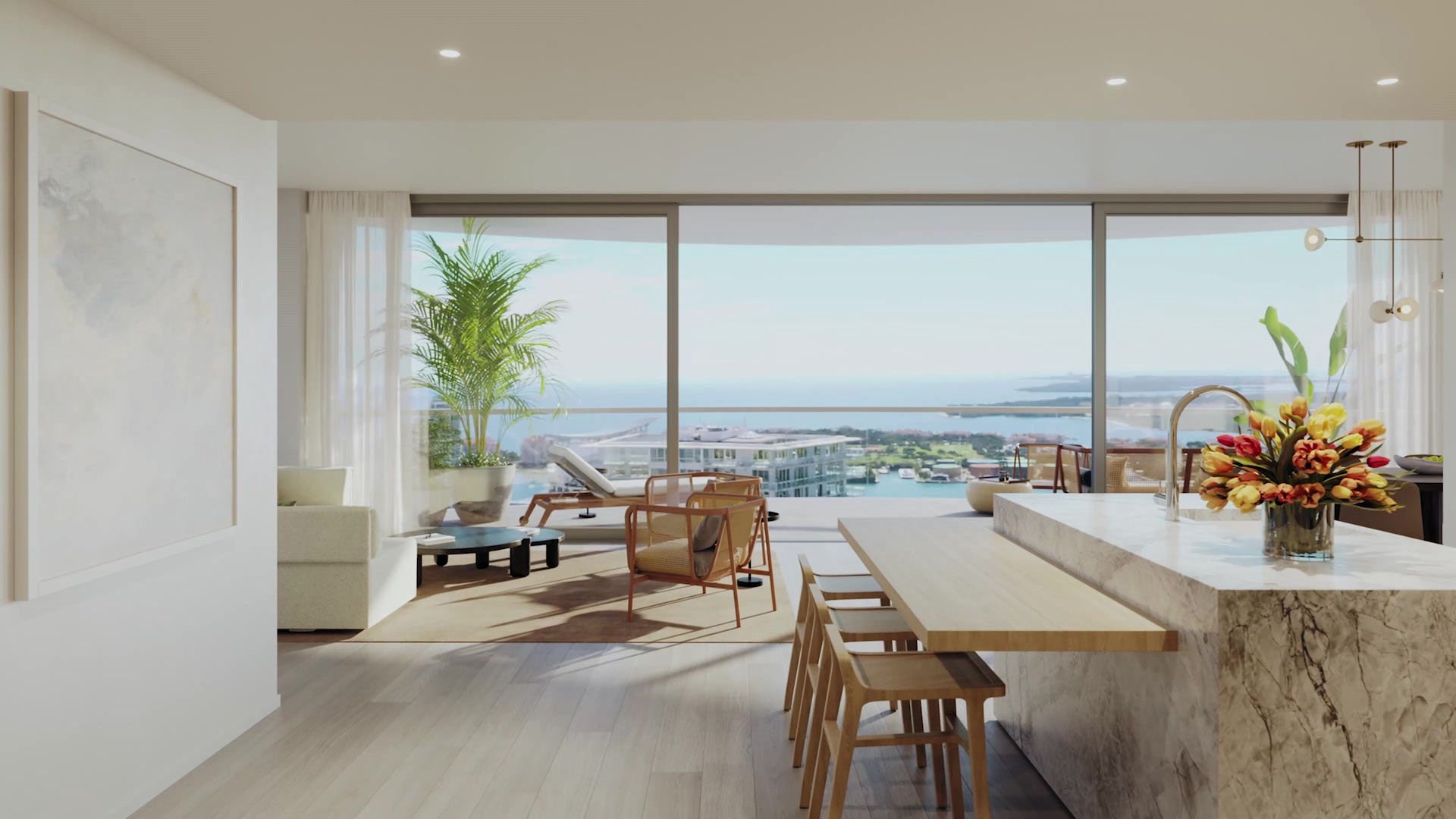
A condominium can be the easier family platform when chosen well. Full-service buildings may reduce the burden on grandparents through valet, reception, security, maintenance, pools and common areas that give grandchildren places to go without leaving the property. Larger floor plans, guest suites and separate dens can help adult children feel less like temporary occupants and more like comfortable guests.
Single-family homes offer a different kind of control. Private outdoor space, yards, docks and fewer shared rules can be decisive for households that want complete command of daily life. They can also better accommodate visiting family members who value casual movement between indoor and outdoor spaces. The tradeoff is responsibility: staffing, maintenance, security, storm preparation and parking logistics become more personal.
The key is not to assume one format is superior. The best answer depends on how the family uses the home. If visits are frequent, overlapping and service-intensive, a condominium with strong building operations may be practical. If the family values private outdoor living, pets, boating or household autonomy, a single-family property may feel more natural.
For grandparents hosting older relatives, accessibility should be treated as a primary luxury category. Step-free access, dependable elevators, shaded outdoor areas, simple circulation and easy car pickup or drop-off can matter more than decorative finishes. A beautiful residence loses utility if a relative cannot move comfortably from arrival to living room, bedroom, terrace and dining area.
Healthcare proximity should also be part of the private checklist. The point is not to buy in fear, but to buy with composure. Families with older relatives benefit from having a clear plan for urgent care, pharmacy needs, mobility equipment, accessible transportation and quiet recovery space. A den that can become a temporary bedroom may be more useful than a formal room rarely used.
For grandchildren, the essential list is different: safe outdoor spaces, beaches, pools, flexible sleeping layouts and family-friendly dining nearby. A bunk room may be charming, but a truly resilient floor plan is one that can absorb changing ages, school-break surges and cousins arriving in waves.
Grandparents should map arrivals as carefully as views. Miami International Airport is the primary gateway for many relatives flying into Miami Beach, so drive-time convenience belongs in the purchase conversation. Fort Lauderdale-Hollywood International Airport can also be useful during peak travel periods, especially when flight times or availability differ.
Causeway choice matters. The MacArthur Causeway supports access between Miami Beach and mainland Miami, including downtown cultural venues and airport routes. The Julia Tuttle Causeway is especially relevant for Mid-Beach and northern Miami Beach. The Venetian Causeway matters for buyers considering island or bayfront living. These connections influence the real-life ease of holiday weekends, airport pickups, museum outings and dinner plans across the bay.
Seasonal tourism patterns, traffic, nightlife and event calendars should also be experienced before buying. A residence may feel serene on a Tuesday in September and entirely different during a major weekend. Families should visit at the times they expect to use the home most.
What is the best Miami Beach area for grandparents hosting grandchildren? South of Fifth is strong for serviced condo living near parks, dining and the beach, while North Beach is better for a quieter rhythm.
Should grandparents buy a condo or a single-family home? Condos can simplify hosting through services and shared amenities, while homes offer more private control, outdoor space and flexibility.
Why is South Pointe Park important for family buyers? It anchors the southern tip of Miami Beach and gives families an accessible outdoor landmark near the South of Fifth condo market.
Is North Beach suitable for extended-family stays? Yes. It offers beaches, neighborhood parks and a calmer atmosphere than the busiest parts of South Beach.
How should buyers think about airport access? They should consider both Miami International Airport and Fort Lauderdale-Hollywood International Airport when planning frequent family arrivals.
Which causeways matter most for Miami Beach buyers? The MacArthur, Julia Tuttle and Venetian causeways each shape access to mainland Miami, airports and cultural destinations.
What layout features help adult children feel comfortable? Larger floor plans, guest suites, separate dens and privacy between sleeping areas can make extended stays easier.
What features matter most for older relatives? Step-free access, elevator reliability, shaded areas, healthcare proximity and easy pickup zones should be prioritized.
Is Surfside a practical alternative to Miami Beach? Surfside can work well for buyers who want a smaller-town coastal setting directly north of Miami Beach.
What is the best way to shortlist comparable options for touring? Start with location fit, delivery status, and daily lifestyle priorities, then compare stacks and elevations to validate views and privacy.
If you'd like a private walkthrough and a curated shortlist, connect with MILLION.
If branded residences are on your mind — as a home or as an allocation — we would be glad to share what we are seeing, privately.
Begin a quiet conversation