A discreet buyer’s guide to choosing a South Florida residence around lock-and-leave ownership, with emphasis on service, privacy, access, resilience, and long-term lifestyle fit.
For the buyer moving between Geneva, London, New York, São Paulo, or the Caribbean, the South Florida home is rarely just a warm-weather address. It is a base that must perform beautifully when occupied and remain quietly managed when empty. That is the essence of lock-and-leave ownership: not absence, but continuity.
The right residence should feel composed from the moment of arrival. Air conditioning, lighting, housekeeping, parking, deliveries, pet logistics, guest access, vehicle care, and outdoor spaces should already be in rhythm. A home that requires a week of repair calls after every arrival is not a lock-and-leave home, regardless of its view.
This is why the search should begin less with square footage than with operating style. Some owners want a discreet private-island environment. Others want walkable restaurants, cultural access, and immediate airport convenience. Some prefer a serviced condominium. Others want the privacy of a villa, with a dedicated manager orchestrating the invisible work behind the scenes.
Before choosing Fisher Island, Brickell, Miami Beach, Palm Beach, Boca Raton, or Fort Lauderdale, define how the residence will actually be used. Will the owner arrive for long winter stays, school holidays, brief long weekends, or spontaneous visits? Will extended family use the home independently? Will staff travel with the owner, or should the building and local team handle most details?
A Geneva-based owner who visits for three weeks at a time may favor a quieter residential setting with expansive terraces and a slower daily tempo. A financial executive using Miami as a frequent stopover may value a full-service urban building with fast access to dining, offices, and private aviation routes. A family may prize beach access, storage, guest suites, and a predictable routine for children and grandparents.
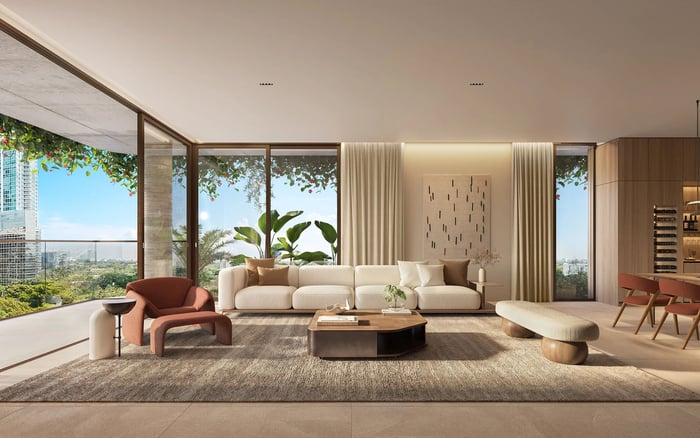
The most elegant lock-and-leave purchase is the one that fits this calendar without friction. If the home is meant to host, entertain, and recover quickly after guests depart, service depth matters. If the home is meant as a private refuge, the correct answer may be a more secluded address with fewer daily distractions.
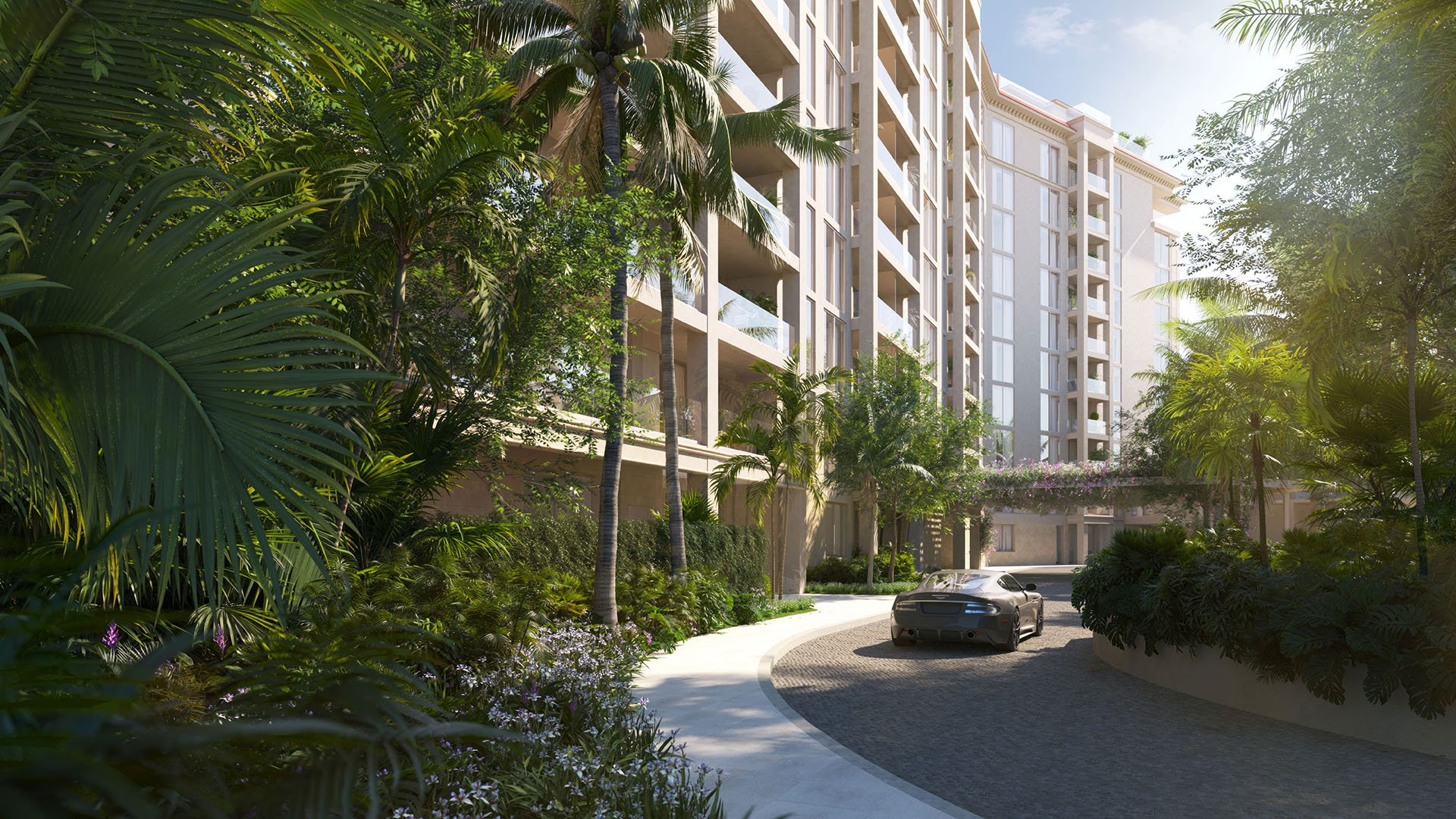
Fisher Island remains one of South Florida’s clearest answers for buyers who regard privacy as the primary amenity. The decision here is less about proximity to the scene and more about controlling the pace of life. For international owners, that can be especially appealing: arrive, settle in, and allow the outside world to feel held at a distance.
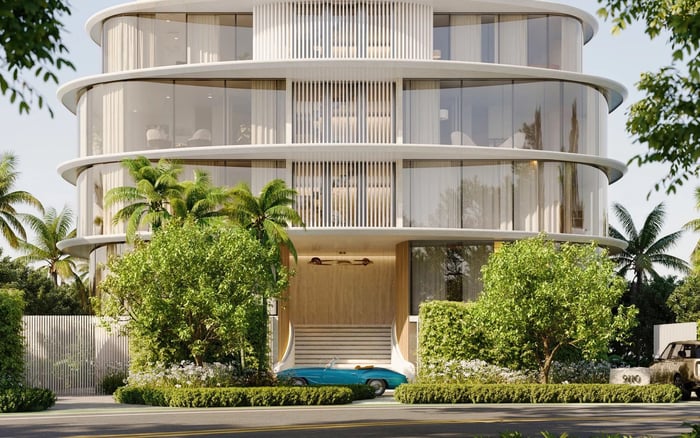
Within this frame, residences such as The Residences at Six Fisher Island speak to the buyer who wants new-generation island living without sacrificing a deeply residential atmosphere. For those considering a more estate-like interpretation, The Links Estates at Fisher Island belongs in the conversation because the ownership brief can shift from apartment convenience to a more private residential rhythm.
The key question is whether the owner wants a home that behaves like a managed sanctuary. A lock-and-leave residence on Fisher Island should be evaluated for arrival sequence, staff coordination, vendor access, storage, parking, terrace care, and the ease of preparing the home before each stay. Privacy is only valuable if the operations behind it are equally composed.
Brickell appeals to buyers who want a South Florida residence connected to city life. This is often the choice for owners who split time among financial centers and want convenience without giving up the formality of a high-service building. For the lock-and-leave buyer, the advantage is not simply proximity. It is the ability to keep the residence active within a managed urban ecosystem.
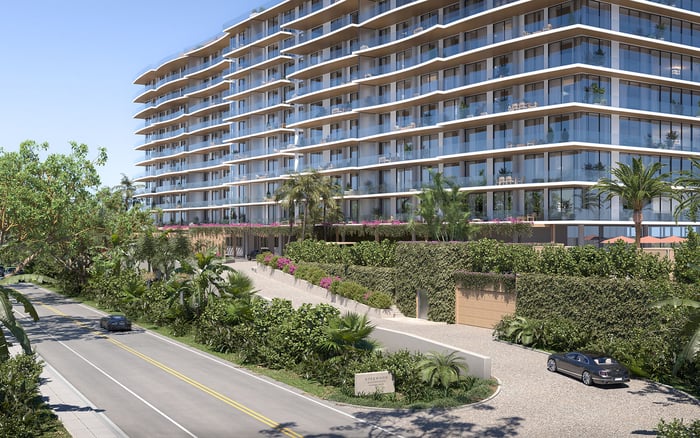
A property such as Baccarat Residences Brickell illustrates the kind of address that attracts owners seeking brand-level hospitality cues, a polished arrival experience, and a residence that can be entered and exited with minimal personal administration. The appeal is especially clear for buyers who use South Florida as a recurring business and leisure base rather than as a single-season home.
Brickell is not for every lock-and-leave owner. Those seeking deep quiet may prefer a beach, island, or low-density enclave. But for the buyer who wants restaurants, meetings, wellness appointments, and social plans close to the front door, Brickell can make ownership feel efficient and contemporary.
Miami Beach offers another version of the lock-and-leave equation. Here, the residence is often chosen for atmosphere as much as functionality: ocean air, design, dining, wellness, and the ability to move between private home life and resort-like energy. The best fit depends on whether the buyer wants the intensity of South Beach, the calmer edge of Mid-Beach, or the discretion of more residential pockets.
For a buyer seeking beachside living with a managed residential feel, The Ritz-Carlton Residences® Miami Beach can be considered within a broader search for service, privacy, and brand familiarity. The larger point is that Miami Beach works best when the buyer is honest about desired tempo. A home near dining and cultural life can be exhilarating, but a lock-and-leave property must still protect sleep, security, privacy, and ease of maintenance.
This is where building discipline matters. Ask how packages are handled when the owner is abroad, how service providers are approved, how terraces are cared for, and how quickly the residence can be readied for arrival. A beautiful apartment is only half the proposition. The other half is choreography.
Waterfront ownership is seductive, but the lock-and-leave buyer should evaluate it with practical discipline. Views, boat access, breezes, and outdoor entertaining matter, but so do exposure, maintenance, insurance conversations, and the systems required to keep a residence prepared when unoccupied. The goal is not to avoid complexity. It is to know who manages it.
The gated-community question is similar. Some buyers want formal access control, private roads, and a residential setting that feels shielded. Others prefer the anonymity of a well-run tower, where staff and building systems provide the daily protection. Neither model is inherently better. The better model is the one that matches the owner’s tolerance for household management.
For the second-home buyer, the decisive issue is accountability. Who notices a leak? Who prepares the home before arrival? Who resets the residence after guests leave? Who supervises vendors? Who manages hurricane preparation when the owner is overseas? These questions should be answered before contract, not after closing.
A true lock-and-leave residence narrows the owner’s decision load. That may mean a full-service condominium with established staff, a branded residence with hospitality expectations, or a private home supported by a household manager and vetted vendors. What matters is that the owner does not become the default project manager from another time zone.
Service should feel invisible but measurable. Look at response times, front desk protocol, maintenance culture, parking flow, elevator privacy, guest registration, pet policy, storage, backup procedures, and the ability to coordinate housekeeping or provisioning. In luxury real estate, the difference between impressive and livable is often found in these quiet details.
Buyers should also think about resale clarity. A residence that solves a defined problem for global owners, such as privacy, beach access, urban convenience, or managed service, is easier to explain later. The most resilient choices are not always the loudest. They are the homes with a coherent ownership thesis.
The journey from Geneva to Fisher Island is less a geographic move than a change in operating environment. South Florida offers many versions of luxury, but lock-and-leave ownership demands restraint. The best home is not necessarily the most dramatic. It is the one that makes life feel composed every time the door opens.
Begin by ranking priorities: privacy, beach, city access, family use, wellness, boating, schools, dining, staff support, and travel rhythm. Then evaluate each neighborhood through that lens. Fisher Island may win for privacy. Brickell may win for efficiency. Miami Beach may win for lifestyle and atmosphere. Palm Beach may appeal to those who want a quieter social cadence. Fort Lauderdale and Boca Raton may offer compelling alternatives for buyers seeking space, marinas, or a more residential pattern.
The final decision should feel almost understated. The right lock-and-leave home does not ask the owner to adapt constantly. It anticipates the owner’s return.
What does lock-and-leave ownership mean in South Florida? It means owning a residence that can be left unoccupied for periods while remaining secure, maintained, and ready for return.
Is Fisher Island a strong fit for privacy-focused buyers? Fisher Island is often considered by buyers who prioritize discretion, residential calm, and a more secluded ownership experience.
Is Brickell practical for a second home? Brickell can work well for owners who want an urban base with nearby dining, business access, and building-managed convenience.
Why consider Miami Beach for lock-and-leave living? Miami Beach offers a blend of beach lifestyle, culture, dining, and managed residential options for seasonal or frequent use.
Should I choose a condo or single-family home? A condo may simplify staffing and maintenance, while a single-family home can offer more privacy with the right management team.
What should international buyers ask before purchasing? Ask who manages the residence during absences, how vendors are supervised, and how the home is prepared before arrival.
Are branded residences useful for lock-and-leave owners? They can be useful when the buyer values hospitality standards, service consistency, and a more structured residential environment.
How important is storage? Storage is highly important for seasonal clothing, sports equipment, owner closets, vehicles, and household supplies between visits.
Does waterfront living require extra planning? Waterfront homes can require more careful attention to maintenance, exposure, preparation, and ongoing oversight when vacant.
What is the best first step in the search? Define how often you will use the home, who will use it, and what level of service you expect when you are away.
If you'd like a private walkthrough and a curated shortlist, connect with MILLION.
If branded residences are on your mind — as a home or as an allocation — we would be glad to share what we are seeing, privately.
Begin a quiet conversation