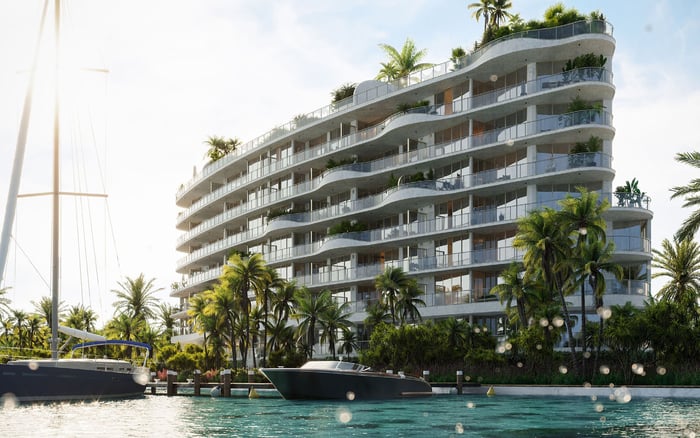
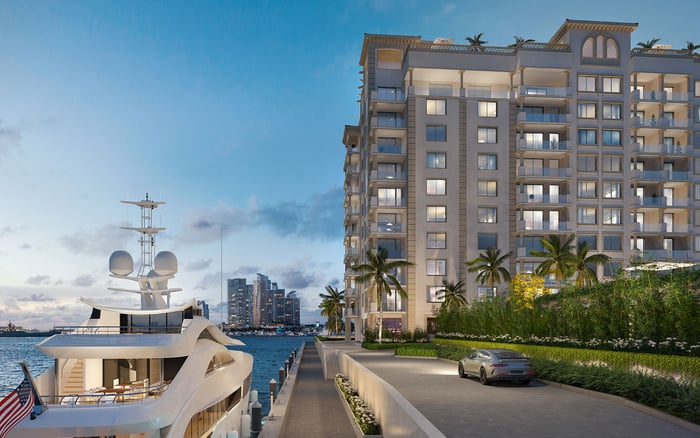
A buyer-focused look at Onda Bay Harbor’s future operating obligations, from association governance and boutique-scale staffing to marina, façade, insurance, reserves, and storm-related responsibilities.
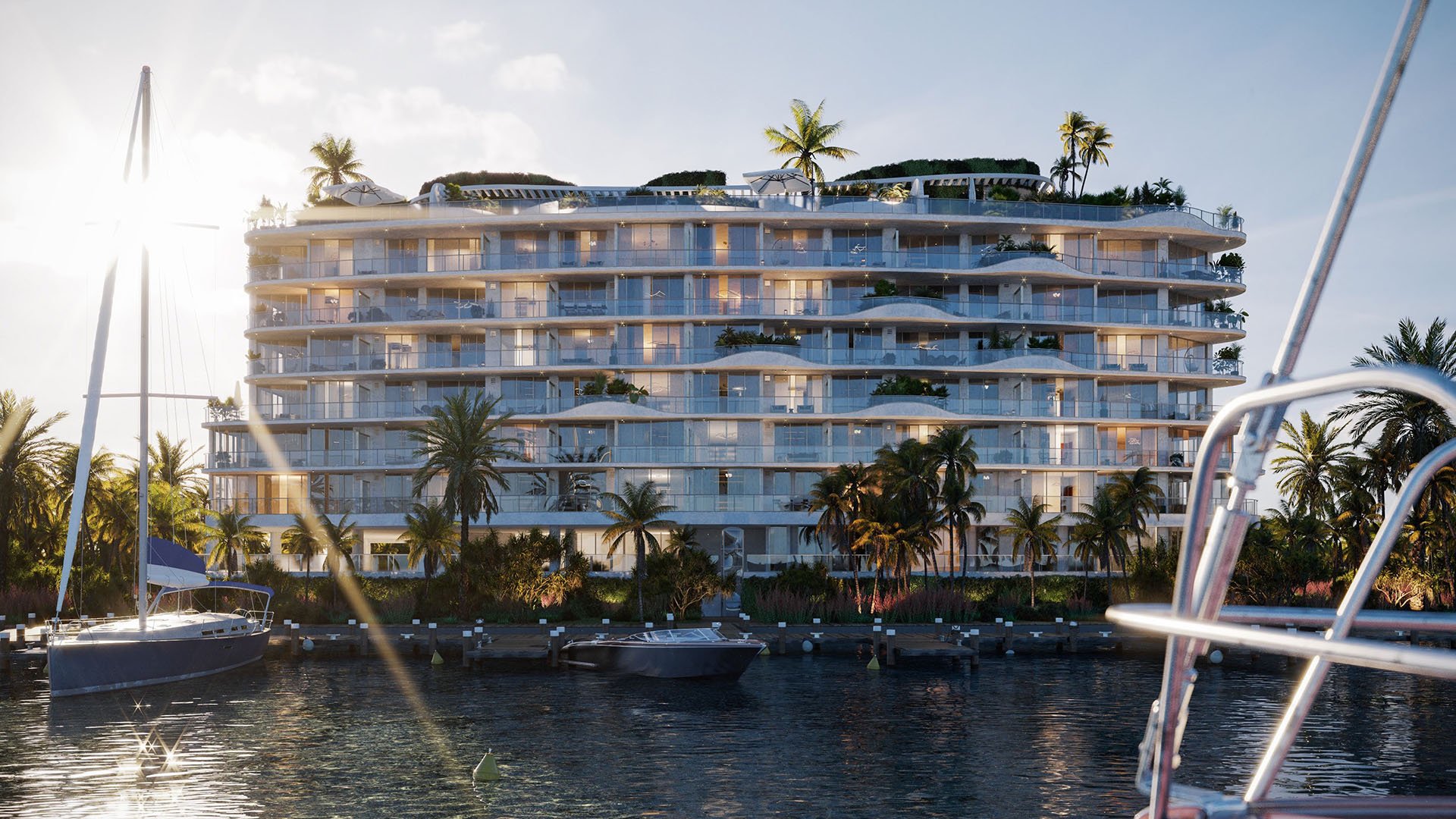
For buyers considering Onda Bay Harbor, the conversation should extend well beyond finishes, views, and floor plan selection. Onda is positioned as a boutique ultra-luxury waterfront condominium in Bay Harbor Islands, not a large resort-style tower. That distinction matters because the future cost of ownership will be shaped by association governance, waterfront infrastructure, staffing, insurance, reserves, and the long-term care of a highly exposed building envelope.
In practice, operating obligations are the recurring and potential future responsibilities that come with ownership. Some appear in monthly assessments. Others emerge through reserve planning, special assessments, association rules, insurance requirements, storm protocols, marina operations, and capital repair cycles. For a waterfront condominium of this caliber, the most sophisticated buyer is not simply asking, “What is the fee?” The better question is, “What does the association have to operate, protect, insure, maintain, and eventually replace?”
Boutique scale is central to Onda’s appeal. It suggests privacy, a calmer arrival experience, and a more intimate residential environment than a dense high-rise. It can also mean that fixed costs are spread across a smaller owner base. Staffing, valet or security, amenity maintenance, management contracts, common-area upkeep, insurance, and building systems still require funding, whether the building has many owners or relatively few.
That does not make boutique ownership less desirable. It makes budget review more important. Buyers should look closely at the association’s projected staffing assumptions, service standards, maintenance contracts, and reserve schedules. A smaller building may feel more private and personal, but there is less room for cost dilution if insurance, waterfront repairs, or building-envelope work exceed original expectations.
This is why comparable Bay Harbor Islands properties can provide useful context. A buyer weighing Onda against Bay Harbor Towers and La Maré Bay Harbor Islands should focus less on headline amenities and more on how each condominium structure allocates responsibility for shared infrastructure, service levels, reserves, and long-term capital needs.
Waterfront living is the emotional core of Onda Bay Harbor, and it is also one of the largest operational considerations. The building’s bayfront setting on the Indian Creek and Biscayne Bay side affects obligations around marine exposure, dock or marina operations, corrosion control, waterproofing, storm response, and seawall or waterfront maintenance.
Salt air, wind, sun, and water exposure are not abstract concerns. They affect railings, exterior sealants, balcony drainage, façade systems, glass, waterproofing assemblies, metal components, and terrace conditions. Large-format residences with extensive glass, balconies, and terraces elevate the importance of preventive maintenance and timely inspections.
A careful buyer should review whether the association budget anticipates reserves for seawalls, docks, corrosion mitigation, waterproofing, and post-storm work. Waterfront is a lifestyle asset, but it is also a maintenance category where beauty, risk management, and governance meet.
Onda’s private marina access and yacht-oriented amenities may add a separate layer of operating obligations. The key issue is not only whether a buyer can use a slip, but how that right is structured and who controls the related costs. If marina slips are applicable, buyers should review whether they are deeded, assigned, licensed, leased, or controlled by the association.
Each structure can affect cost, transferability, priority of use, repair obligations, insurance, and governance control. Association-controlled marine infrastructure may create shared obligations for dock upkeep, marine insurance, rules of use, and future capital repairs. Privately controlled slip rights may create different responsibilities for the individual owner.
This is also where rules matter. Buyers should examine use restrictions, guest vessel policies, maintenance standards, storm preparation requirements, and any association authority over access or repairs. A marina feature can significantly enhance daily life, but the legal and financial structure behind it should be understood before closing.
Buyers should evaluate Onda as a conventional condominium association model rather than a condo-hotel or operator-led resort product. That distinction affects decision-making power. In a conventional condominium, the association’s governing documents, budgets, reserve schedules, insurance requirements, and rules determine the true recurring cost of ownership beyond the purchase price.
For buyers comparing Onda with branded towers or hospitality-driven residences, the questions are practical. Who influences service levels? How are management contracts approved? What rental restrictions apply? Are services owner-directed or operator-directed? How much discretion does the association have to adjust budgets, staffing, and policies over time?
Within the local market, a buyer might compare Onda with Origin Bay Harbor Islands and Alana Bay Harbor Islands to understand how different boutique condominium models may frame lifestyle, governance, and recurring obligations. The important point is not that one model is universally superior. It is that each model carries a different pattern of control, service, cost, and owner responsibility.
The offering documents, declaration, bylaws, budget, reserve schedule, insurance provisions, rules, and management agreements are the real operating manual. They should clarify what the association maintains, what is assigned to individual owners, how assessments are calculated, what reserves are contemplated, and how future capital needs may be funded.
Buyers comparing Onda with single-family waterfront homes should understand the trade-off. Condominium ownership shifts many exterior and shared-infrastructure obligations to the association, including common areas, building systems, and certain waterfront elements. Yet the costs are still borne by owners through assessments. The association becomes the vehicle, not a substitute for financial responsibility.
Because Bay Harbor Islands is a separate municipality, association operations may also be affected by local rules on permitting, docks, seawalls, landscaping, parking, noise, and construction activity. For a Bay Harbor buyer, municipal context is not a footnote. It can influence timelines, repair procedures, waterfront work, and the practical rhythm of building operations.
Owners should expect rules requiring cooperation with hurricane preparation, balcony-item removal, impact-glass or shutter protocols, and post-storm access for inspections or repairs. These obligations are not unusual in South Florida, but they are especially relevant for a waterfront building with extensive exterior exposure.
A buyer should ask how the association will communicate storm protocols, who is responsible for securing private terraces, what access rights the association has after severe weather, and how emergency repairs are prioritized. The most elegant condominium operations are often the least visible in normal conditions and the most valuable when the building is under pressure.
Future assessments may arise if waterfront infrastructure, building-envelope systems, insurance costs, or reserve requirements exceed the association’s original budget assumptions. This is not a prediction that assessments will occur. It is a reminder that ultra-luxury ownership includes participation in the long-term stewardship of the asset.
For Onda, the strongest due diligence is layered: confirm the governance model, understand the service standard, review the marina structure, analyze reserves, study insurance obligations, and ask how waterfront capital repairs would be handled. A beautiful residence on the bay is not only purchased. It is operated.
Is Onda Bay Harbor a condo-hotel? Buyers should evaluate Onda as a conventional condominium association model, not as an operator-led resort or condo-hotel product.
Why does boutique scale matter for future costs? Fixed costs such as staffing, insurance, amenities, and building systems may be shared across a smaller owner base.
What should buyers review first? The governing documents, budget, reserve schedule, insurance provisions, rules, and management contracts should be reviewed carefully.
Can marina access create additional obligations? Yes. Dock upkeep, marine insurance, rules of use, and future repairs may create shared or owner-specific responsibilities.
Do slip rights always work the same way? No. Slips may be deeded, assigned, licensed, leased, or association-controlled, and each structure affects cost and control.
What exterior systems deserve attention? Buyers should consider future maintenance for glass, balconies, terraces, railings, drainage, waterproofing, and sealants.
How does waterfront exposure affect reserves? Reserves should be reviewed for seawalls, docks, corrosion control, waterproofing, and storm-response work.
Are hurricane rules likely to affect owners? Owners should expect cooperation requirements for balcony items, storm protocols, inspections, and post-storm access.
How does Onda compare with a waterfront house? A condominium association handles many shared obligations, but owners still fund those costs through assessments.
Can future assessments occur? They may arise if infrastructure, insurance, reserve needs, or building-envelope work exceed original budget assumptions.
If you'd like a private walkthrough and a curated shortlist, connect with MILLION.
If branded residences are on your mind — as a home or as an allocation — we would be glad to share what we are seeing, privately.
Begin a quiet conversation