A discreet guide for Los Angeles buyers evaluating Miami Beach homes where water, skyline, and garden sightlines form a meaningful part of long-term value.
For a Los Angeles buyer arriving in Miami Beach, the first adjustment is psychological. In Southern California, the prized outlook may be a canyon, city grid, hillside, or ocean horizon. In South Florida, the conversation often begins with water, light, and the long plane of the sky. The view can feel immediate and cinematic, but the essential question is not simply whether it is beautiful today. It is whether the sightline has durable protection tomorrow.
A protected view corridor is best understood as the portion of a residence’s outlook that has some reason to remain open. That reason may be physical, planning-related, architectural, or tied to the public realm. The operative word is not “view.” It is “protected.” A buyer should distinguish between a view that feels permanent and one that is merely unobstructed for the moment.
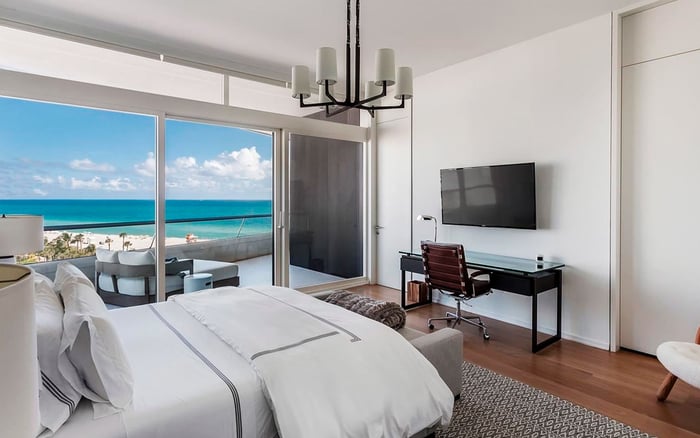
The shorthand is simple: Waterview and Waterfront are not the same, and High-floors with a Balcony still require disciplined diligence. A compelling terrace photograph can seduce the eye, but the better purchase is made by reading the view as an asset with boundaries, risks, and resale implications.
Los Angeles buyers often understand privacy, orientation, and light intuitively. That instinct travels well. What changes in Miami Beach is the terrain of risk. Instead of asking only whether a neighbor can build higher on a slope, the buyer should ask what sits between the residence and the water, which land parcels remain underused, how nearby building envelopes may evolve, and whether the desired outlook depends on a single vulnerable gap.
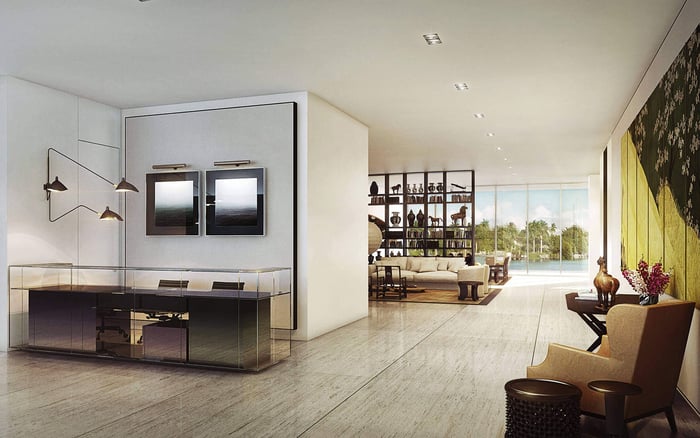
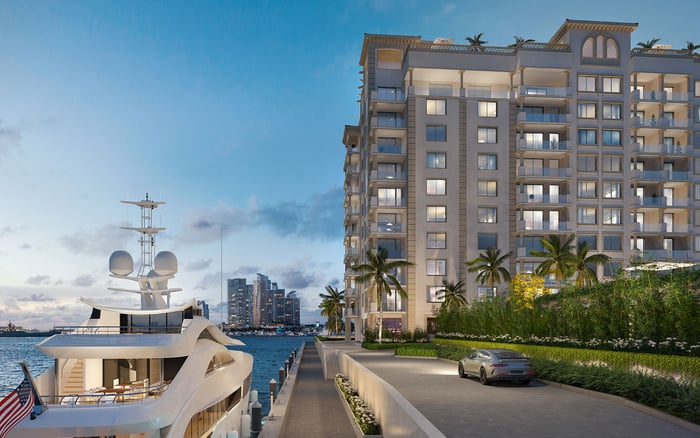
In Miami Beach, buyers comparing homes such as The Perigon Miami Beach or Shore Club Private Collections Miami Beach should avoid treating ocean, bay, skyline, and garden views as interchangeable. Each has a different character. Ocean views tend to be valued for breadth and calm. Bay views can feel more animated, especially as light changes across the water. Urban skyline views can become more dramatic at night, yet may also depend more heavily on what stands, or may one day stand, in the foreground.
The most sophisticated buyers do not ask, “What is the best view?” They ask, “Which view is most defensible for the way I live?”
A view-led search should begin before the showing. Ask for the exact residence line, floor level, exposure, and adjacent context. Then study the approach to the building, the neighboring parcels, and the spaces between towers. A protected corridor is often revealed not from the living room, but from the map, the street, and the zoning conversation.
During a private tour, stand still. Do not walk through the residence as if attending a preview. Sit where you would actually sit in the morning, at sunset, and after dinner. Look from the primary bedroom, kitchen, terrace, and main entertaining area. If the view appears strongest only from one corner, price that honestly. If the view is broad from multiple rooms, the asset is more fully integrated into daily life.
Buyers should also identify which part of the outlook is essential. Is it the waterline, the horizon, the skyline, the sunrise, or the sense of distance between buildings? This is not poetry. It is valuation discipline. A home with a narrower but more durable view may be preferable to one with a larger view that depends on a vacant or underbuilt neighbor.
Height matters, but it is not a substitute for protection. A higher floor may clear nearby structures, yet the best sightline can still be compromised if the building is poorly oriented or if future massing enters the frame. Conversely, a mid-level residence may feel exceptional if its outlook is aligned over a lower-scale or naturally open condition.
This is where Miami Beach comparisons become nuanced. A buyer looking at The Ritz-Carlton Residences® South Beach may be making a different view decision than a buyer studying Five Park Miami Beach. The right question is not which name is more recognizable. It is which residence line offers the more coherent relationship among light, privacy, view angle, and long-term confidence.
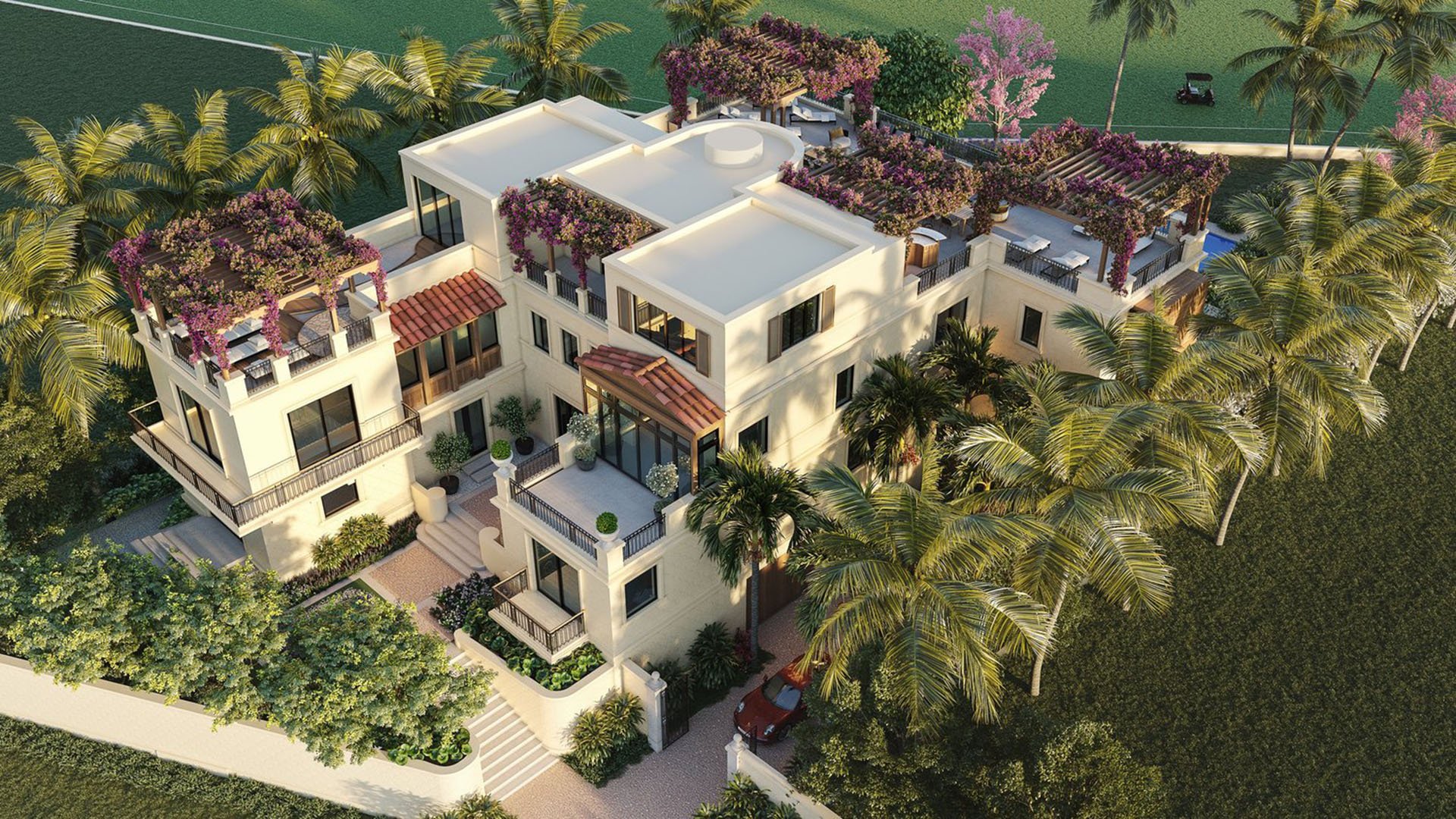
For some owners, a direct water view is essential. For others, the more luxurious experience is a protected layer of green, water beyond, and enough distance from neighboring glass to feel private. The latter can be quieter, more residential, and more livable over a full season.
In the ultra-premium market, buyers pay for emotion, but they negotiate on certainty. A protected or more defensible view helps a future buyer understand why one residence deserves a premium over another. It also gives an owner a clearer story when the time comes to sell: this is not just a high floor, a large terrace, or a fashionable address. It is a home whose outlook has been chosen with care.
That does not mean every purchase must chase the most expansive panorama. The strongest choice is the one that aligns view quality with architecture, interior volume, privacy, service, and neighborhood rhythm. A trophy outlook attached to the wrong floor plan can disappoint. A more measured view within a beautifully resolved residence can live better and trade more intelligently.
For Los Angeles buyers, the lesson is familiar in a different language: buy the irreplaceable element, then make sure the rest of the home supports it.
What is a protected view corridor? It is an outlook with some practical reason to remain open, rather than a view that is only unobstructed today.
Is an ocean view always better than a bay view? Not necessarily. Ocean, bay, skyline, and garden outlooks each offer a different daily experience and resale story.
Should I always buy the highest floor available? No. Height can help, but orientation, neighboring parcels, and the durability of the sightline matter just as much.
How should I evaluate a Balcony view? Sit, do not simply stand. Judge the view from the positions where you will actually spend time.
What makes a Waterview more defensible? A broader angle, multiple rooms with exposure, and fewer vulnerable foreground parcels can improve confidence.
Can a view change after I buy? Yes, which is why buyers should evaluate surrounding context and avoid assuming today’s open gap is permanent.
Is Waterfront property automatically the safest choice? No. Waterfront can be highly desirable, but privacy, orientation, and adjacent development context still matter.
How do Los Angeles buyers usually adjust their search? They often shift from terrain-based thinking to corridor-based thinking, focusing on water, skyline, and light.
Should view diligence affect my offer? Yes. A more durable view can support confidence, while a vulnerable sightline should be reflected in value.
What is the best first step before touring? Define the exact view you value most, then compare only residences that can credibly deliver that experience.
For a discreet conversation and a curated building-by-building shortlist, connect with MILLION.
If branded residences are on your mind — as a home or as an allocation — we would be glad to share what we are seeing, privately.
Begin a quiet conversation