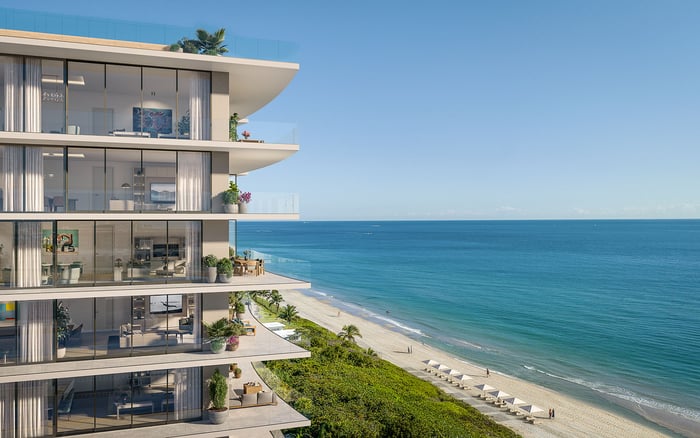
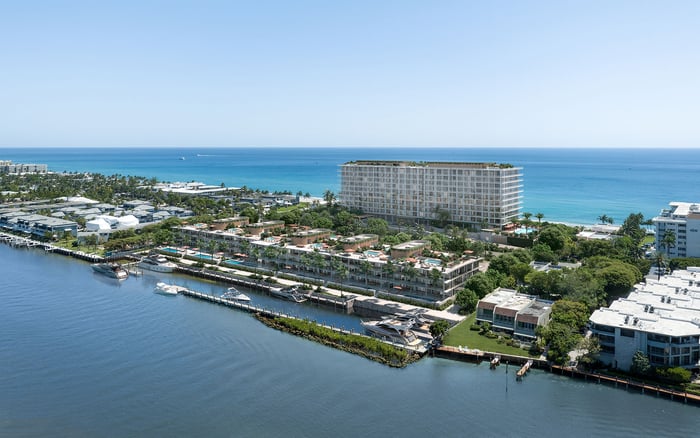
In ultra-premium beachfront living, privacy is engineered as much by what you never see as by what you do. At Rosewood Hillsboro Beach, the most consequential luxury can be the choreography behind the scenes: where staff enter, how service moves, and how everyday operations stay discreet while residents enjoy a calm, hotel-grade experience. This MILLION Luxury editorial looks at the practical logistics buyers and their representatives typically evaluate in a branded residential environment, with a focus on staff quarters planning and back-of-house circulation. Without relying on speculative floor counts or unpublished layouts, we concentrate on the questions that protect lifestyle: separation, security, noise control, and operational resilience in an Oceanfront setting.
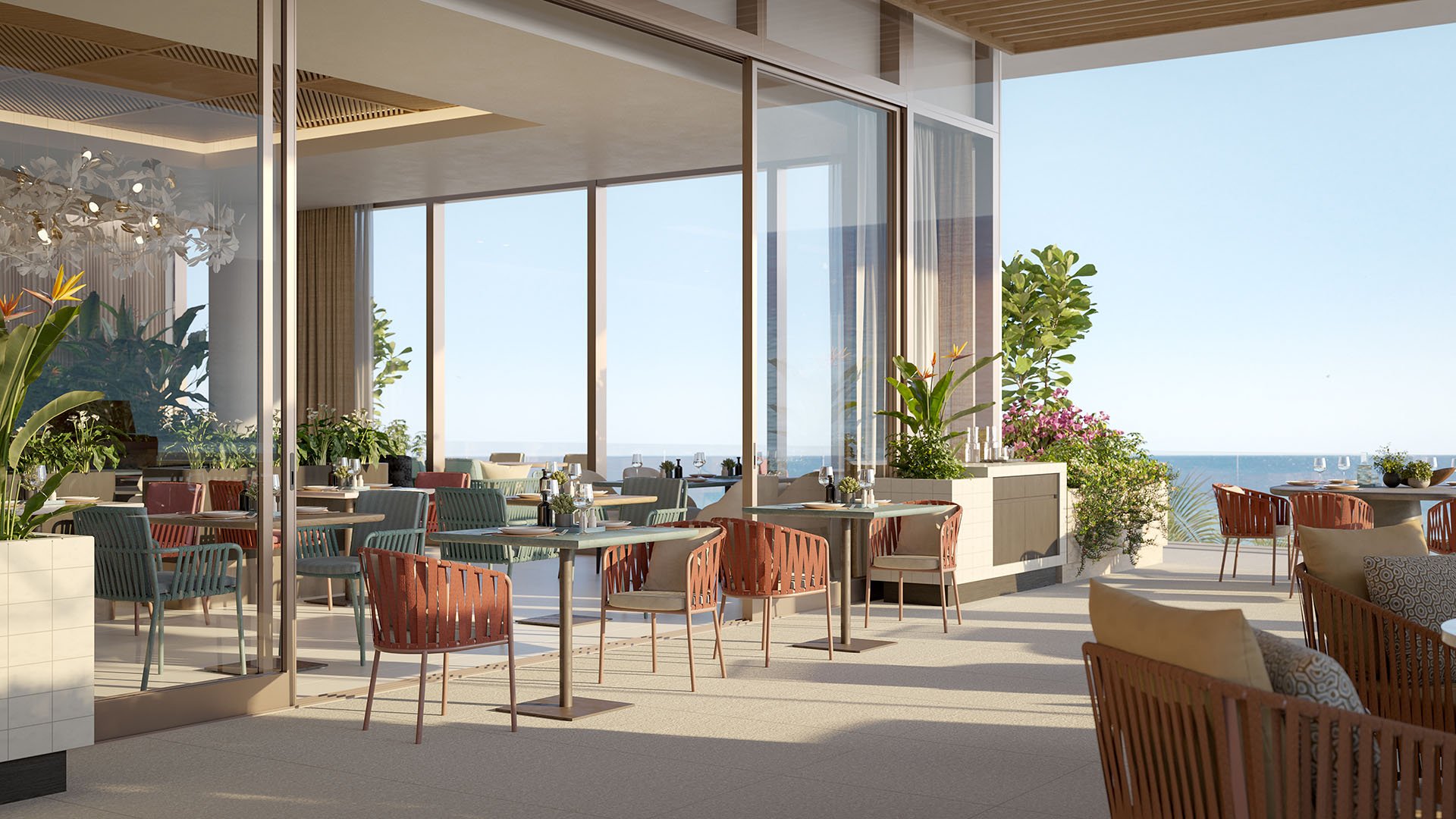
In a true luxury residence, the “front-of-house” experience should feel effortless: quiet arrivals, uncluttered corridors, and amenities that operate like a well-run private club. That calm is engineered. It’s the product of back-of-house logistics that keep deliveries, housekeeping, maintenance, and personal staff moving efficiently-without spilling into resident circulation.
At Rosewood Hillsboro Beach, the promise of a branded, hospitality-forward lifestyle is tested in these unseen moments: a catered dinner arriving without interrupting a neighbor’s evening; a stroller or beach gear moved without grazing art-lined hallways; a service call completed without technicians cutting through the lobby at peak hours.
For buyers evaluating Rosewood Residences Hillsboro Beach in Hillsboro-beach, “staff quarters” and “back-of-house” are not niche considerations. They directly shape privacy, security, and the building’s day-to-day rhythm. Strong circulation planning also protects long-term value by reducing wear on resident-facing finishes and supporting consistent operations as ownership changes.
“Staff quarters” can mean very different things depending on how an owner lives. Some households employ live-in staff. Others rely on day staff, rotating vendors, and part-time specialists who come and go. The building’s back-of-house plan should match your real staffing model-not the marketing version.
Start by clarifying what “staff quarters” needs to accomplish.
First: privacy. If discreet service is the expectation, staff should not have to traverse resident spaces to reach a unit. That requires entry points that are separated, controlled, and convenient. Second: practicality. If staff will handle laundry, unpacking, light maintenance, or staging, the building should support those tasks with nearby utility access, staging areas, and clear circulation paths.
When quarters are on-site within a residential building, buyers typically evaluate proximity to service circulation, the ability to access units without passing through social zones, and the acoustic separation that preserves quiet hours. When staff are not housed on-site, the same principles apply to day staff: secure arrival and departure, a predictable route to service areas, and minimal time spent in resident corridors.
In a coastal environment, operational planning should also anticipate salt-air realities: maintenance cadence can be higher, and vendor visits more frequent. Back-of-house logistics that absorb those visits discreetly help the building read as serene even when it’s actively being maintained.
Back-of-house performance can be tested through three separations: people, goods, and waste.
People separation
Means staff, contractors, and vendors have routes that don’t require cutting through resident amenity zones. In a best-in-class environment, there’s a clear distinction between resident arrivals and operational traffic. Ask to see how staff would enter during a busy weekend-and whether that path remains controlled when the building is fully occupied.
Goods separation
Covers deliveries, packages, catering, and move-ins. Luxury buyers often underestimate the “goods flow” generated by a second-home lifestyle: deliveries ramp up before arrival, floral and food drop-offs spike during entertaining, and seasonal move-ins can be substantial. A well-planned service path includes staging areas that keep carts out of sight while protecting resident-corridor finishes.
Waste separation
Is the most overlooked-and often the most revealing. In any oceanfront tower, trash, recycling, and bulky disposal must run with clockwork regularity. If the waste path shares elevators or corridors with residents, it introduces odor risk, noise, and aesthetic disruption. Ask where waste is consolidated, how it’s ventilated, and what keeps it isolated from living areas.
This separation philosophy isn’t unique to Hillsboro-beach. In Brickell, the same questions come up in high-service buildings such as 2200 Brickell, where owners expect a polished arrival experience despite dense urban logistics. The principle holds: luxury is the absence of operational friction.
Elevators are the vertical spine of a building-and they quickly show whether operations were treated as a first-order design problem.
In buyer conversations, the key question isn’t simply whether there’s “a service elevator.” It’s whether service movement can happen without competing with resident movement. Look for clarity on which elevators serve which functions, how access is controlled, and whether staff can reach the appropriate floors without passing through social choke points.
Corridor planning matters just as much. Wide, calm corridors feel luxurious, but they can become an operational highway when service circulation isn’t separated. The aim is to reduce encounters that feel intrusive: rolling carts, tool cases, or stacks of deliveries staged outside doors.
Ask specifically about:
Where deliveries are received and how they are staged.
How packages are secured before they reach a unit.
Whether there are dedicated routes for housekeeping and maintenance.
How sound is managed when service is active.
The best back-of-house systems stay quiet even when they’re busy. In an Oceanfront property, that discretion should extend to outdoor transitions as well-especially beach access points and the movement of towels, chairs, and equipment. The more seamless these paths, the more the building feels like a private resort rather than a busy condominium.
Comparable expectations show up along Miami Beach, where residents in trophy properties such as 57 Ocean Miami Beach prioritize discretion: staff movement should be predictable, controlled, and rarely visible.
Back-of-house logistics are inseparable from security. Every staff entry point and every service route is also a potential vulnerability if access control is weak.
Due diligence should examine how staff credentials are managed, how vendor access is verified, and how temporary access is granted and revoked. The operational reality in South Florida is that many residences depend on a rotation of service providers: cleaners, dog walkers, AV specialists, pool and spa technicians, and personal shopping deliveries.
A high-performing back-of-house plan supports this reality with controlled access zones and clear boundaries. Staff should be able to do their jobs efficiently without creating uncontrolled access to resident floors. In practice, that often means defining which doors and elevators require credentials, where cameras are located, and how service traffic is logged.
For owners who travel frequently, these systems become even more consequential. A second-home owner may want staff to prepare the residence before arrival. That calls for operational access that is secure and auditable, with minimal reliance on ad hoc workarounds.
In hospitality-grade living, housekeeping is less about frequency than it is about consistency-and consistency depends on logistics.
Consider the everyday tasks that create visual noise in a building: linen carts, trash runs, supply replenishment, and maintenance checks. When those activities spill into resident corridors, residents feel like they’re living “in a hotel” in the wrong way. When they stay within back-of-house circulation, residents experience a private home supported by hotel-level care.
For buyers, the most useful lens is scenario-based:
A catered dinner for twelve arrives while neighbors are returning from the beach.
A mid-day maintenance call happens during a quiet weekday at home.
Seasonal move-in occurs when the building is near full occupancy.
In each scenario, ask where staff will stage, how they’ll move vertically, and what surfaces or resident spaces they will touch. The more reliably the building keeps operations behind the scenes, the more it protects resident calm.
Along Fort-lauderdale’s luxury coastline, similar operational expectations appear in projects like Four Seasons Hotel & Private Residences Fort Lauderdale, where the value proposition is tied to service delivery that feels both present and invisible.
Even in newly delivered luxury residences, the ownership “lifecycle” begins immediately: art installation, furniture deliveries, occasional renovations, and periodic equipment updates. Buildings that treat back-of-house circulation as a core system manage these transitions with fewer disruptions.
Ask about policies and physical infrastructure that support high-end move-ins: where trucks queue, where items are staged, and whether there’s a protected service route that bypasses the main lobby. These details matter because they shape not only your experience, but your neighbors’ as well.
In an Oceanfront environment, resilience and maintenance aren’t theoretical. Salt air, wind-driven rain, and intense sun can accelerate exterior wear. A building with efficient maintenance circulation can keep standards high without becoming visibly “under construction.”
A useful mindset is to think like an operator for a moment. The residence should be beautiful-but it also needs to be serviceable. Luxury that can’t be maintained discreetly eventually becomes luxury that feels compromised.
High-net-worth buyers often focus on views, amenities, and finishes-then learn later that logistics define day-to-day satisfaction. The solution is to bring back-of-house into the buying conversation early.
Request materials that explain operations without guesswork: circulation diagrams, service entry protocols, package-handling procedures, and building rules around vendors and move-ins. If your lifestyle includes staffing, ask how staff will access the residence, whether designated staff routes exist, and what rules govern their use.
Also consider your tolerance for visibility. Some owners prefer a highly private environment where staff are almost never seen. Others are comfortable with a more open cadence. The right building is the one whose logistics align with your expectations.
For context, oceanfront living in South Florida spans multiple operational models, from boutique quiet to full-service scale. Along Hallandale, for example, residents in 2000 Ocean Hallandale Beach often prioritize the same fundamentals: controlled service flow, calm resident spaces, and a daily rhythm that feels residential rather than commercial.
Ultimately, Rosewood Hillsboro Beach will be judged not only by aesthetics, but by the elegance of its operations. In a branded environment, that elegance shows up in seconds saved, encounters avoided, and quiet preserved.
What does “back-of-house circulation” mean in a luxury residential building? It refers to the service routes used for staff, deliveries, maintenance, and waste so operations stay discreet.
Why do staff quarters impact resident privacy even if staff are not live-in? Because day staff still need secure entry and efficient routes that avoid resident-facing spaces.
Is a dedicated service elevator always necessary? Not always, but some form of separated service movement is key to minimizing resident disruption.
What should I ask about package and delivery handling? Ask where items are received, secured, staged, and how they reach units without cluttering corridors.
How can back-of-house planning reduce noise? By keeping carts, maintenance activity, and waste movement off resident corridors and timed appropriately.
Does oceanfront living change back-of-house needs? Yes, coastal conditions can increase maintenance activity, making discreet service routes more important.
How does staff circulation connect to security? Service entries and routes should be controlled, credentialed, and monitored to limit unauthorized access.
What’s the biggest red flag in back-of-house design? When trash, deliveries, or maintenance must regularly share the main lobby or resident elevators.
Should I review building rules as part of evaluating logistics? Yes, operational rules determine how vendors, move-ins, and service hours affect your daily experience.
Can great finishes compensate for weak operational planning? Rarely; logistics shape daily life, and persistent friction eventually undermines the luxury experience.
If you'd like a private walkthrough and a curated shortlist, connect with MILLION Luxury.
If branded residences are on your mind — as a home or as an allocation — we would be glad to share what we are seeing, privately.
Begin a quiet conversation