A buyer-oriented, discreet field guide to moving museum-caliber art into Miami’s condo lifestyle, from condition reporting and packing to elevator reservations, HVAC realities, insurance, and long-term care.

Relocating a serious collection into a climate-controlled Miami condo is less about mileage and more about interfaces: the handoff between conservator and packer, packer and carrier, carrier and building, building and installer. Works that travel safely between private residences can be compromised by a single high-rise bottleneck-a tight loading-dock window, an unpadded freight elevator, or a destination interior that is stunning but not yet environmentally stabilized.
Miami adds its own variables. Salt air, seasonal humidity, and strong solar exposure can stress works on paper, mixed media, and certain contemporary finishes when environmental management is treated as an afterthought. The most successful moves begin with a premise that feels counterintuitive to many new condo owners: you are not only transporting art-you are relocating its microclimate.
Before any crate is ordered, define the scope at a level a logistics team can execute without improvisation.
Start with a room-by-room inventory that clearly distinguishes artworks, high-value design objects, and “decorative” pieces that can travel with general household goods. The aim is to avoid mixed shipments and mixed accountability. For each artwork, assemble a simple dossier: current photos, prior conservation history, framing notes, hanging hardware, and any installation diagrams. If the collection includes multi-part works or fragile mounts, document how each piece is currently presented so it can be reconstructed precisely.
A discreet condition report is non-negotiable. It establishes the baseline for insurance, claims, and conservator follow-up. If you anticipate reframing, glazing upgrades, or mount changes, it is often cleaner to complete that work before the move so the piece travels in its final, stabilized configuration.
Fine art packing is where risk is either engineered out-or invited in.
Specify packing by object type. Works on paper, photography, and textiles typically require tighter control over humidity buffering and surface protection. Oil paintings and certain sculptural materials can be sensitive to vibration and point loads during last-mile handling. Crates should be purpose-built when the stakes justify it, and soft packing should be treated as a temporary layer-not a substitute for rigid protection.
The condo detail experienced art handlers plan around is handling reality: pieces will move through corridors, turns, and elevator thresholds with limited clearance and limited time. Have your logistics lead confirm crate dimensions against the building’s freight-elevator interior measurements, door openings, and any critical turns from dock to elevator to unit entry.
If you are moving into a new-construction environment, confirm the unit is fully sealed and commissioned. Construction dust, residual off-gassing, and fluctuating HVAC performance can be more damaging than the trip itself. In those scenarios, temporary off-site climate storage can be the more conservative choice until the residence has settled.
In a high-rise move, building rules set the choreography.
Reserve the freight elevator and loading area in writing, with a window that matches the shipment plan. Confirm insurance requirements, certificate language, and any building-mandated protection for floors, walls, and elevator interiors. Clarify whether the building requires a dedicated move coordinator or a security escort.
Ask for a walkthrough of the route from truck to unit. Identify pinch points: steep ramp grades, low ceiling clearances, narrow vestibules, sharp turns, and door hardware that forces awkward tilts. If pieces are exceptionally large, you may need to consider alternate access strategies, including staged delivery into a service corridor or, in rare cases, consulting about external hoisting. Those decisions should be made weeks in advance-not at the curb.
For owners choosing areas like Brickell, where vertical living is part of the lifestyle, plan art installation as part of the move itself, not as a later “decor day.” A building like 2200 Brickell sits in a context where schedules and service access matter, and white-glove teams perform best when building operations is engaged early.
“Climate-controlled” can mean different things in practice. For art, stability is the headline-especially in a coastal city.
Before delivery, confirm the unit’s HVAC is operating consistently and that humidity is being managed, not merely cooled. If the home has been vacant, run the system long enough to stabilize the space before unpacking. Consider professional monitoring for relative humidity and temperature, particularly for works on paper, panel paintings, and collections with sensitive adhesives or composite materials.
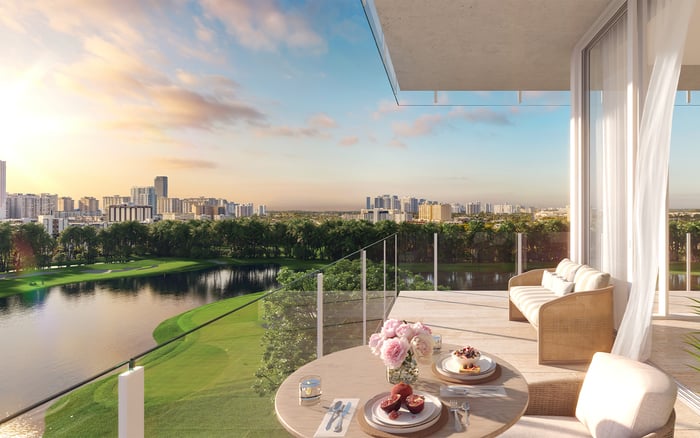
Light is the other invisible variable. Miami’s sun is beautiful-and unforgiving. The most refined interiors often feature expansive glass and open sightlines; that should trigger a plan for UV mitigation and placement strategy. Think like a curator: reserve the brightest exposures for robust materials, use protected walls for delicate works, and treat glazing decisions as part of conservation.
In Miami Beach and waterfront settings, salt air and wind-driven moisture can intensify the need for disciplined humidity control and careful placement. If your lifestyle includes an oceanfront residence such as 57 Ocean Miami Beach, build conservation thinking into design decisions from the beginning, including where the most sensitive works will live in relation to windows, terraces, and entryways.
Art risk is not a single risk; it is a chain of custody.
Align your insurance strategy to the timeline of movement. Coverage that works in a primary residence may not automatically follow pieces into transit, temporary storage, or a new property. Confirm, in plain language, when coverage attaches, who is responsible at each handoff, and what documentation is required if something goes wrong.
At minimum, expect to coordinate among your personal insurer, the fine art shipper’s coverage, and any building-required policies. The objective is not to over-insure the same risk, but to eliminate gaps. Keep condition reports, photos, and packing records organized so any claim can be supported without frantic reconstruction.
For ultra-high-value collections, discretion is a form of security.
Schedule deliveries for low-traffic windows when possible. Use unbranded vehicles or minimal markings when appropriate, and keep staging out of public sightlines. Confirm the building’s camera coverage along the service route, and clarify who can access footage if required.
Inside the unit, establish a clean staging zone with controlled access. Uncrating should happen away from open balconies, high-traffic hallways, and large gatherings. If you are furnishing and installing simultaneously, separate trades from art handlers; the presence of ladders, tools, and dust increases the likelihood of incidental damage.
In ultra-premium enclaves where privacy is part of the value proposition, this planning matters even more. In settings associated with Bal Harbour and Bay Harbor, owners often balance social visibility with operational discretion. Consider the operational tone of your community when designing the move.
Art installation in a condo is an engineering exercise dressed as styling.
Confirm what is behind your walls. High-rises frequently involve concrete, metal studs, or complex assemblies that require specific anchors and drilling protocols. Heavy works, large mirrors, and wall-mounted sculptures may require structural planning rather than standard hanging systems.
For sculpture and design objects, assess floor loads, vibration, and surface vulnerability. Stone plinths, glass bases, and delicate patinated surfaces benefit from deliberate placement and protective pads-particularly in homes where doors, balconies, and air-pressure changes can introduce subtle movement.
If the unit includes expansive terraces or indoor-outdoor transitions, treat exterior placement as a separate category. Many works that look “safe” outdoors are not suitable for salt-laden air, windborne grit, and direct UV. For most serious collections, outdoor art should be selected specifically for that environment.
Once the art is in place, the quiet work begins.
Establish a light-touch maintenance rhythm: periodic inspection for lifting, warping, mold risk, and framing stress; gentle dust management; and ongoing environmental monitoring. In Miami, the most common long-term issue is rarely a dramatic event-it is cumulative exposure, small fluctuations, and insufficient airflow behind tightly hung works.
If you seasonally travel, set the home’s HVAC and humidity management to maintain stability rather than shutting systems down entirely. Vacant periods can be deceptively risky, particularly in humid months.
Owners in newer towers that emphasize wellness and building performance often treat indoor air quality as a lifestyle feature. If you are considering a Bay Harbor setting such as The Well Bay Harbor Islands, consider how your art program and indoor-environment strategy will coexist, from filtration choices to how frequently the residence is occupied.
For collectors evaluating Miami condos, the art move is a diagnostic tool. If a building can support the move gracefully, it usually supports day-to-day ownership gracefully as well.
Prioritize:
Freight elevator dimensions and finish protections that can be reserved reliably.
A loading dock that can accommodate the vehicle type your shipper uses.
Building policies that allow specialized vendors and flexible scheduling.
Unit layouts with protected walls for sensitive works and controlled light.
Storage capacity for crates, packing materials, and rotating pieces.
If you are shopping in Hallandale Beach, where a sophisticated residential experience meets coastal conditions, consider how building operations-and your own routine-will support conservation. A property such as 2000 Ocean Hallandale Beach offers a useful mental model for the questions to ask: not only what the residence looks like, but how it functions when something irreplaceable needs to come through the service entrance.
Ultimately, the most collector-friendly condo is not the one with the most dramatic walls. It is the one that can deliver a stable interior climate, predictable logistics, and discreet operations-without making your collection feel like a special event every time it needs attention.
What is the first step before shipping a fine art collection to Miami? Create a detailed inventory and complete condition reports with current photos.
Should art travel with household goods in a condo relocation? Typically no; separating art shipments reduces handling risk and clarifies liability.
How far in advance should I coordinate with the condo building? As early as possible, ideally weeks ahead, to secure docks, elevators, and approvals.
Do “climate-controlled” condos automatically protect fine art? Not automatically; stable humidity, temperature, and light control still require planning.
Is Miami humidity a concern even indoors? Yes; without consistent dehumidification, indoor humidity can fluctuate and stress materials.
Can I install delicate works immediately after closing on a new unit? Only if the unit is stabilized, clean, and HVAC is operating consistently.
What documentation helps if something is damaged in transit? Condition reports, packing records, delivery receipts, and clear pre-move photographs.
Are freight elevator measurements really that important? Yes; an oversized crate can force unsafe unpacking in hallways or at the curb.
How should I think about sunlight in a glassy Miami condo? Use UV mitigation and place sensitive works away from direct, sustained exposure.
Is off-site climate storage useful during a phased move? Yes; it can protect works while renovations, commissioning, or furnishing is completed.
For a confidential assessment and a building-by-building shortlist, connect with MILLION Luxury.
If branded residences are on your mind — as a home or as an allocation — we would be glad to share what we are seeing, privately.
Begin a quiet conversation