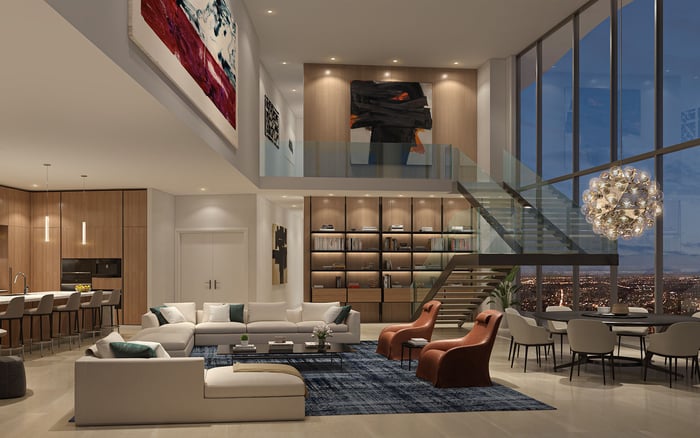
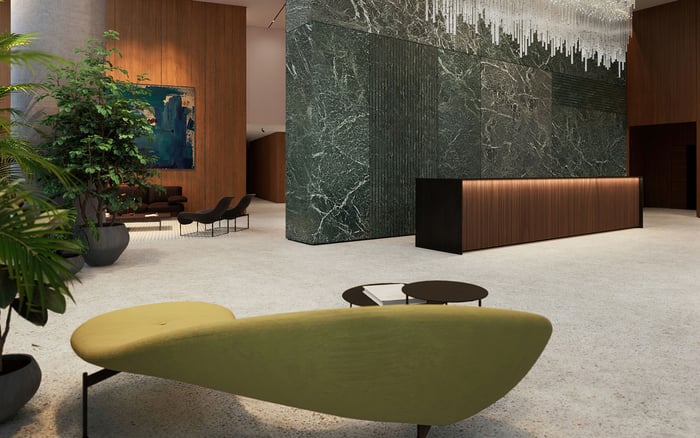
In Downtown Miami, branded residences have shifted the conversation from finishes to authorship. For buyers who think in decades, not seasons, the presence of a European design team can feel like an insurance policy: a disciplined material palette, a recognizable design language, and the kind of livable restraint that ages well when the market inevitably rotates. At Casa Bella by B&B Italia, that European imprint is central to the proposition, but the resale question remains nuanced. Design does not create value in isolation; it interacts with floor plan efficiency, service expectations, building operations, and the broader Downtown and Brickell buyer pool. This MILLION Luxury editorial outlines where European-led design can translate into resale strength, where it can misfire, and how to underwrite it with the same rigor you would apply to view corridors or condo docs.
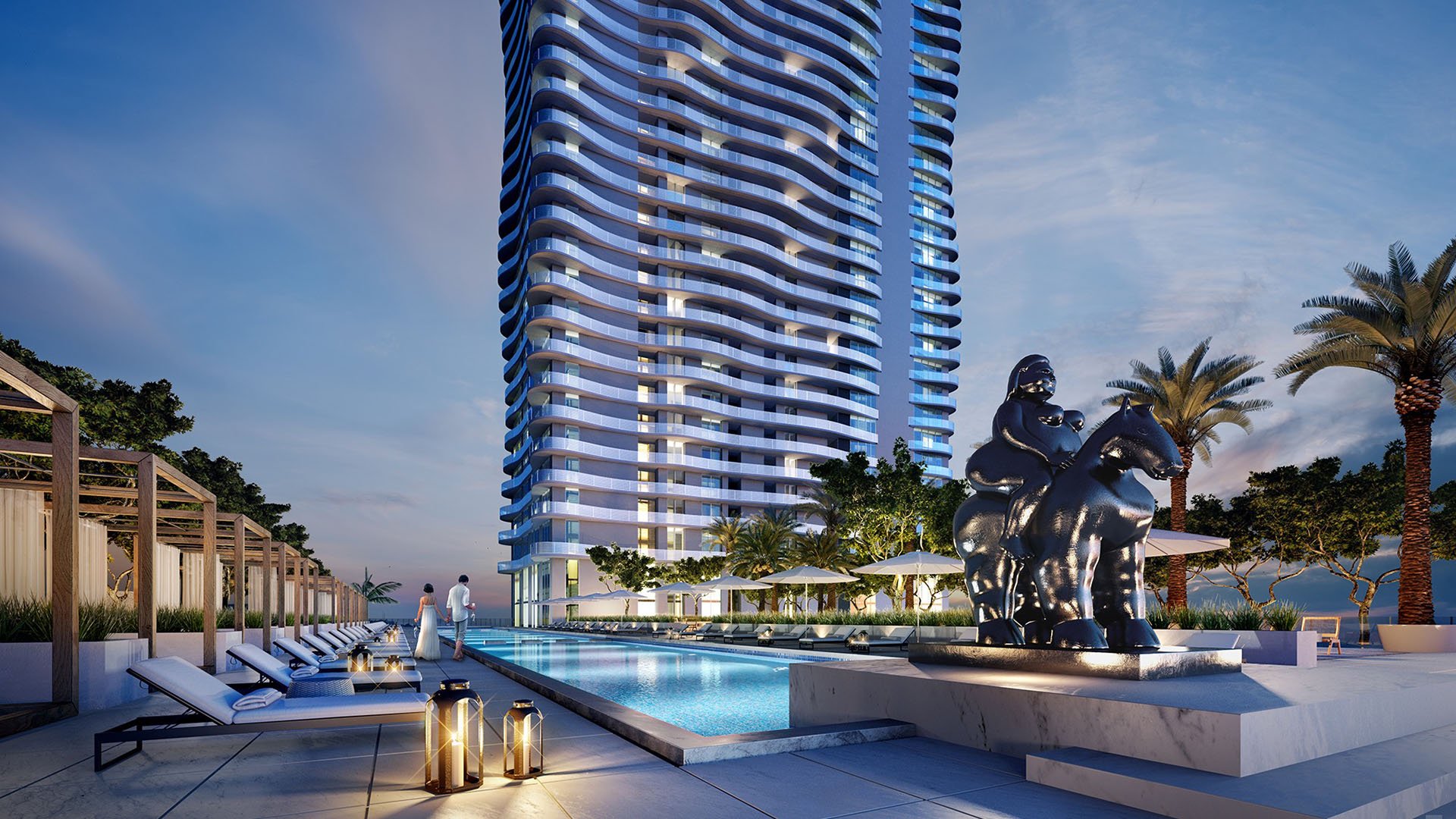
In South Florida’s ultra-prime condo market, “design” is no longer a decorative afterthought. It functions as a marker of intent, discipline, and future liquidity. European design teams often bring an approach that is less trend-chasing and more systems-led: proportion first, then materiality, then the quiet engineering of everyday use. In resale terms, that matters because most buyers are not paying for novelty. They are paying to avoid regret.
When a residence reads as coherent-from the entry sequence to the kitchen hardware-it reduces friction during showings. Buyers can picture living there without mentally renovating it. That is the first way European design can support resale: it lowers perceived effort and shortens the distance between “I like it” and “I could close on it.”
At Casa Bella by B&B Italia Downtown Miami, the European design cue is embedded in the brand itself. For resale, the question becomes less about whether the branding is prestigious and more about whether the result is timeless, maintainable, and legible to a global audience that shops Downtown Miami alongside New York, London, and Milan.
European-led residential design often strengthens the parts of a home a buyer experiences repeatedly, not just on closing day. In resale, those day-to-day touchpoints become persuasion.
Natural stones, woods, and metals specified to age gracefully can remain compelling after years of use. In practice, that can mean fewer surfaces that telegraph wear, fewer glossy laminates that read “new build” in the wrong way, and less dependence on fragile novelty finishes. The resale advantage is subtle but real: a home that still photographs as current is a home that draws higher-intent buyers.
Luxury resale is mediated through images long before a private tour. European restraint, when executed well, tends to photograph cleanly without reading as sterile. It also gives buyers room to project their own art, furniture, and lifestyle onto the space. That can expand the qualified buyer pool, particularly among second-home buyers who want “ready,” but not “someone else’s taste.”
A building’s first impression is its lobby, corridors, elevators, and amenity arrival. When public spaces and residences share a coherent language, buyers sense the building is curated, not merely assembled. This matters because resale buyers underwrite the full experience, including what their guests see before they ever reach the front door.
In many luxury condo resales, kitchens and baths are where deals are won or lost. European systems often prioritize ergonomics, storage logic, and minimal visual noise. The result can be a “quiet luxury” effect that helps a home feel expensive without demanding constant updating.
European design can also create resale headwinds when it prioritizes concept over living.
A strong point of view is valuable-until it becomes too specific. If an interior is so branded that buyers feel they are inheriting a museum installation, they may discount it to budget for changes, even if changes are unnecessary. The best European interiors avoid this by leaning into iconic restraint rather than theatrical statement.
High-design detailing can increase the cost and time to repair or replace. If interior components are difficult to source or require specialist labor, resale can soften because buyers anticipate higher ownership complexity. The antidote is not avoiding premium materials, but choosing specifications that are durable, repairable, and supported by a reliable supply chain.
A beautifully finished home with compromised storage, awkward furniture walls, or impractical lighting can lose ground to a less “designed” unit that simply lives better. In a competitive resale set, livability is value.
At Casa Bella by B&B Italia, the European design signature is intended to do two things at once: establish a distinct identity in Downtown Miami and deliver an interior sensibility that feels globally fluent. For resale, design authorship can act as shorthand. It tells the market, “this is not generic.”
But experienced buyers should treat the design team as the starting point, not the conclusion. Underwriting should focus on what will still matter at resale:
Does the palette read timeless in daylight and at night?
Are high-touch surfaces selected for longevity?
Are layouts efficient enough that furniture placement feels intuitive?
Do ceiling heights, glazing, and door detailing feel proportional?
Is there enough flexibility for an owner to personalize without fighting the architecture?
Downtown’s luxury buyer pool includes end-users, pied-à-terre buyers, and investors who want a unit that rents well and sells cleanly. A European design story can support all three-if the home’s fundamentals support it.
Resale value is partly about substitution: what else can a buyer buy instead? In South Florida, that comparison set is wide.
A design-forward buyer who likes a European sensibility in the urban core might also cross-shop Baccarat Residences Brickell for its own brand-driven atmosphere. Another buyer may prioritize a different kind of design authorship and look at 888 Brickell by Dolce & Gabbana, where fashion identity is part of the pitch. And a buyer who wants calm modernism with a different neighborhood energy may consider Una Residences Brickell.
This substitution effect is material: European design at Casa Bella by B&B Italia can support resale when it creates a clear, defensible position against nearby alternatives. The most resale-resilient buildings tend to be easy to explain in one sentence-and easy to love in one showing.
The strongest resale premiums often come from second-order effects rather than direct ones.
When a residence feels complete, buyers negotiate less on cosmetic issues. They may still negotiate on market conditions, but they are less likely to request concessions tied to “updating” the home. The result can be a cleaner contract path, which sellers experience as value.
European restraint typically accommodates a wide range of furnishings. That can make professional staging more effective and less expensive, which can meaningfully strengthen a resale campaign. In high price tiers, perception is performance.
A home designed around short-lived trends may require refreshes every few years to stay competitive. A well-executed European interior can extend that refresh cycle, supporting net resale by reducing carrying costs between acquisition and sale.
Design is best evaluated like any other asset component: by inspecting what will endure.
Daylight behavior: Finishes that look perfect under warm LEDs can look flat in bright Miami sun. Assess in person, at different times.
Acoustics and privacy: The most luxurious material palette is undermined if sound transmission or corridor noise is noticeable.
Kitchen usability: Look for clear prep zones, smart storage, and ventilation that supports real cooking.
Bathroom durability: Stone selection, grout lines, and hardware matter because they are resale-visible wear points.
Closet and utility logic: Owners notice storage daily; resale buyers feel it immediately.
Cohesion with amenities: If the amenity experience feels like a separate brand, the building can feel less “whole.” Cohesion supports pride of ownership, and pride of ownership supports resale.
In practice, European design influence can show up in two ways. Sometimes it earns a premium, especially when the building’s identity is unique and the interiors age gracefully. More often, it protects value by keeping a residence competitive as newer inventory enters the market.
That protective function is easy to miss. In a region with consistent new-construction launches, the risk is not only price decline. The risk is becoming the “older option” too quickly. A disciplined European interior can slow that aging curve-which is its own form of resale resilience.
Does a European design team automatically increase resale value at Casa Bella by B&B Italia? Not automatically. It can support resale if the design choices improve longevity, livability, and buyer appeal.
What design elements tend to help resale the most? Timeless materials, cohesive detailing, and layouts that furnish easily usually matter more than statement features.
Can branded interiors ever hurt resale? Yes. If the look is too specific or difficult to maintain, some buyers may discount the home to budget for change.
Is “quiet luxury” better for resale than bold design? Often, yes, because it widens the buyer pool and remains photogenic across changing trends.
Should buyers prioritize interior design over view and location? No. View, location, and building fundamentals typically lead, while design can meaningfully differentiate within a set.
How can an owner protect resale value in a design-forward building? Maintain finishes carefully, avoid overly personalized alterations, and keep upgrades consistent with the original palette.
Do turnkey units benefit more from European design? Typically. Turnkey buyers value cohesion and may pay more for a home that feels complete on day one.
Will future buyers recognize the value of European design authorship? Many will, especially global buyers, but recognition is strongest when the result feels timeless rather than branded-for-branding’s sake.
What should I inspect during a tour to judge long-term durability? Focus on high-touch surfaces, cabinetry operation, hardware quality, and how finishes look in natural light.
Is Casa Bella by B&B Italia more comparable to other Brickell branded towers? It can be cross-shopped with other design-led projects, but resale performance will hinge on how well the home lives and how the building is operated.
To compare the best-fit options with clarity, connect with MILLION Luxury.
If branded residences are on your mind — as a home or as an allocation — we would be glad to share what we are seeing, privately.
Begin a quiet conversation