In Miami Beach, a 50-foot slip is less an amenity than a logistical asset. Availability is finite, operating rules are exacting, and the real cost includes insurance, crew access, security, tides, and the daily choreography between home, dock, and sea. This editorial outlines the practical path: define your boating profile, map the waterways you will actually use, vet marina terms and physical constraints, and decide whether proximity or certainty matters more. For many buyers, the cleanest solution is to pair a Miami-beach residence with a protected slip strategy nearby, treating the berth as part of the lifestyle portfolio rather than a last-minute add-on.
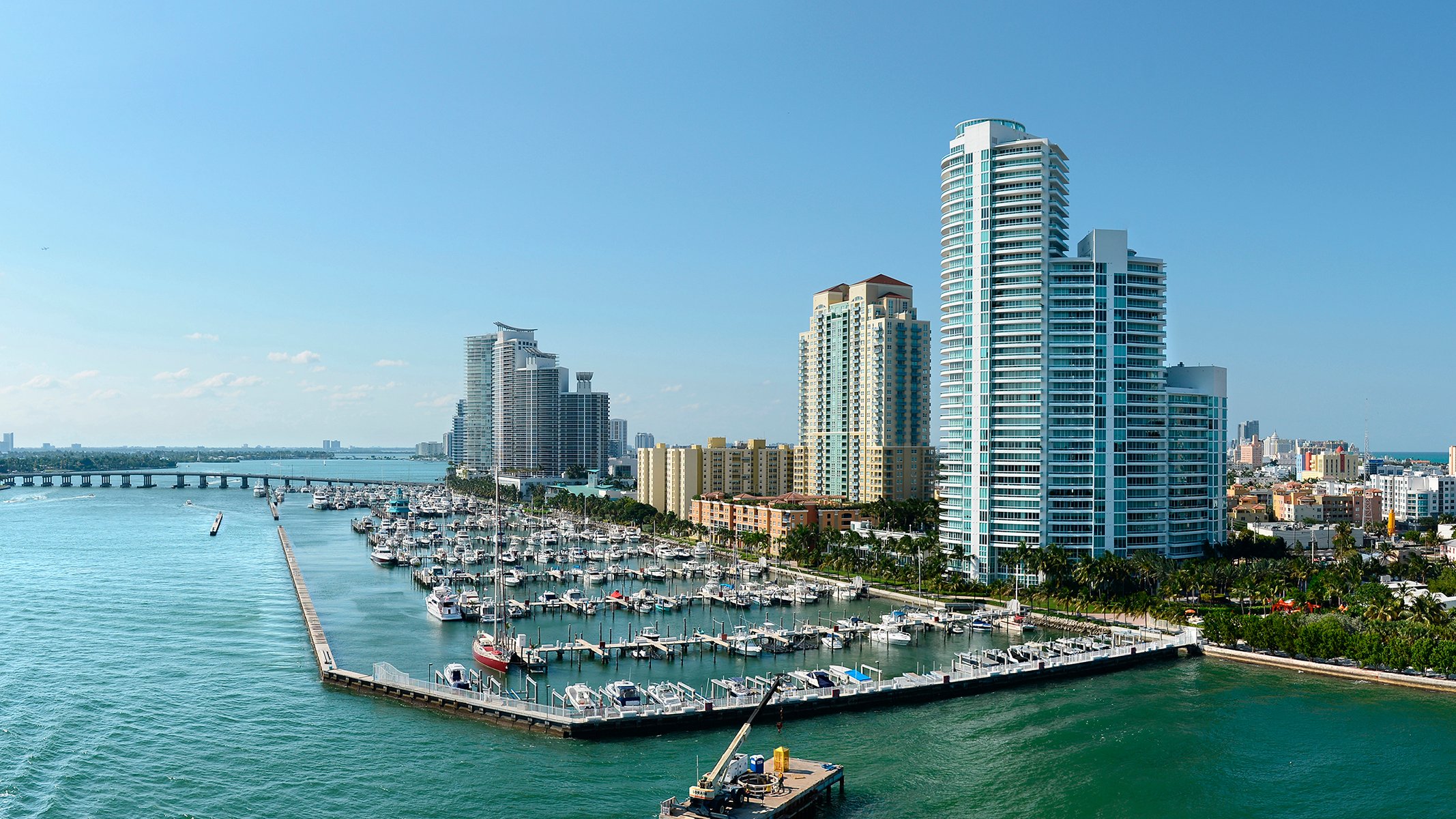
A fifty-foot boat slip in Miami Beach sits at the intersection of lifestyle and logistics. It is not simply a place to tie up. It is a daily operating plan that has to perform at night, in summer squalls, on peak weekends, and when you arrive with guests who expect the same ease they experience in your residence.
In the ultra-premium market, buyers often treat a slip like a checkbox. In practice, a slip functions as a constraint system: the vessel’s dimensions, your preferred departure routes, the marina’s rules, surrounding water conditions, and the reality of Miami Beach traffic when you are provisioning, boarding, and trying to leave on schedule. The owner who treats a berth as an afterthought often ends up with a beautifully finished home-and a boating routine that feels negotiated rather than effortless.
That is why the better question is not, “Where can I get a 50-foot slip?” It is, “What does it take to make a 50-foot slip operate like a private driveway?”
“50 feet” is shorthand, not a specification. Before you engage any marina, define the boat you will actually run-not the one you imagine. Your practical profile should include:
Overall length, including bow pulpit considerations that may push you beyond nominal length.
Beam, and how it behaves through a fairway turn.
Draft, especially if you run a deeper-V hull or typically carry full water and fuel.
Shore power requirements, air-conditioning loads, and whether the marina can support them reliably.
Intended use: day cruising, fishing, overnights, or frequent entertaining with catering.
The objective is to enter the conversation with your vessel’s true footprint and your real cadence. A slip that “fits” on paper can still feel tight if fairways are narrow, wind funnels through the basin, or your crew cannot stage lines and fenders without encroaching on neighboring slips.
Miami Beach is surrounded by iconic water, but access dictates whether boating feels seamless or stressful. Start with your most common routes: quick sunrise runs, short hops to lunch, or longer passages where bridge timing and no-wake zones become operational.
If you plan to boat frequently, the dock-to-open-water path needs to be predictable. That includes bridge schedules, traffic choke points, and the “last mile” of returning home when you are tired, it is dark, and the basin is active.
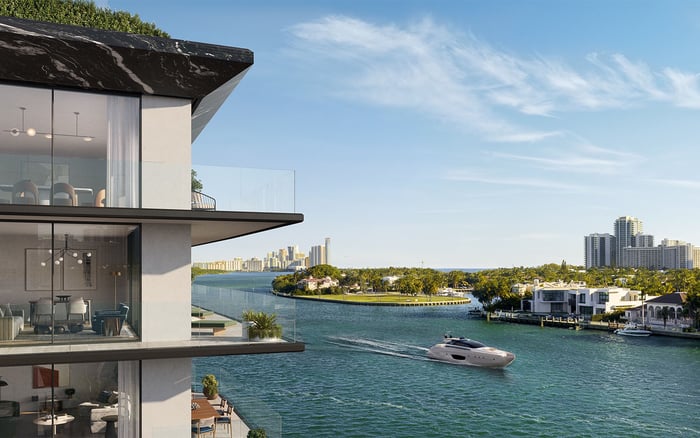
This is where a Miami Beach home selection can either simplify the plan or complicate it. Some owners prioritize a residence that optimizes land-side life, then solve the slip separately by selecting a marina that best fits the vessel and route. Others want the satisfaction of being close to the water, even if the slip is not on-site. If your day-to-day centers on South-of-Fifth (Sofi) dining, walkability, and a polished arrival experience, a home near that gravity can still work beautifully with a disciplined marina strategy. Residences like Apogee South Beach are a reminder that in Sofi, the lifestyle is curated; the boating plan should be curated, too.
When evaluating a candidate slip, walk it like an operator-not a visitor. A handful of practical checks often separates a convenient berth from an ongoing irritation:
Can you enter cleanly without multiple resets?
Tight fairways raise risk on windy days.
Boarding should feel elegant, not athletic.
The geometry should protect your hull.
A beautiful view can come with constant motion.
Consistency matters, especially with deeper draft.
Also evaluate the “human” side of the environment: where guests will wait, where a car can pause for drop-off, whether carts are available, and whether provisioning feels discreet. Luxury is often defined by what you do not have to think about.
A slip can be offered under different structures, and each one changes how secure your access truly is. Without getting lost in legal nuance, focus on the operational clauses that affect your day-to-day:
Term length and renewal rights.
Transferability if you sell your home or upgrade your boat.
Guest policies and whether you can host without friction.
Liveaboard restrictions and overnight rules.
Insurance requirements and who bears responsibility for dock damage.
The key takeaway is straightforward: a slip is only “yours” to the extent the agreement and policies allow you to use it the way you intend. If spontaneity is the point, avoid arrangements that turn every departure into a permission request.
Demand for well-located, well-protected slips that can comfortably handle fifty-foot vessels tends to concentrate in the same seasons when Miami Beach is at its most active. If you buy a home first and plan to secure a slip afterward, you are often leaving the hardest part of the lifestyle for last.
A cleaner sequence is to treat the slip search as parallel due diligence. Even if you do not sign immediately, you will quickly learn which basins stay calm, which policies align with your style, and what compromises you are willing to accept.
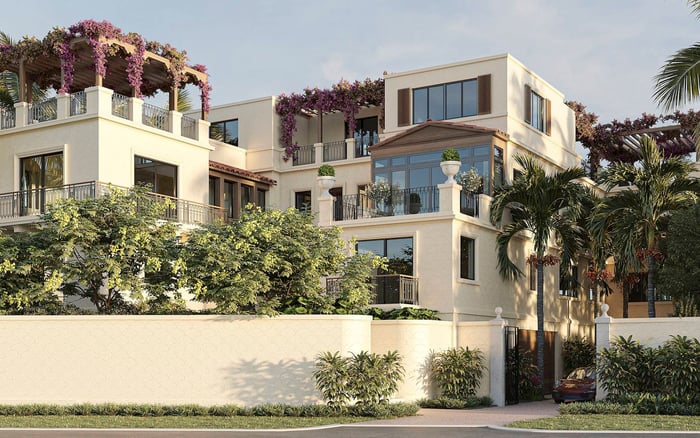
This is also why some buyers expand their residential search to nearby nodes where waterfront culture is strong and the marina ecosystem is robust. If you prefer a quieter, more residential cadence with direct bay access and a neighborhood feel, Bay Harbor can be compelling while keeping Miami Beach within easy reach. In that context, The Well Bay Harbor Islands reflects a wellness-forward approach to luxury living that pairs naturally with boating as a restorative ritual rather than a spectacle.
The slip is only one part of the machine. The lived experience is shaped by the support system around it:
Can you load provisions without a long walk or awkward transfers?
Access control should be strong, but not burdensome.
If you have a captain or crew, where do they park, wait, and work?
Routine maintenance should not feel like a negotiation.
These details are why some owners ultimately gravitate toward a residence whose hospitality infrastructure mirrors a marina’s operational discipline. In Miami Beach, a refined service culture sets expectations for how you want your boating life to run. Consider the tone set by Setai Residences Miami Beach, where calm, controlled arrivals are part of the value proposition. Your slip choice should aim for that same frictionless standard.
Miami Beach boating is defined by light, water color, and proximity to extraordinary routes. It is also defined by fast weather shifts and busy waterways. A slip that feels perfect at noon can feel entirely different in an afternoon squall or on a high-traffic weekend.
Practical owners evaluate:
How protected the basin feels when the wind turns.
Whether wakes roll in from passing traffic.
How quickly you can secure lines and get guests ashore.
The point is not to fear the elements. It is to respect that the slip becomes the setting for your most vulnerable moments: docking in low visibility, stepping off with children, returning after dinner, or managing an unexpected mechanical issue.
Some of the most sophisticated boating households stop forcing every element into a single address. They anchor their primary lifestyle in Miami Beach and treat the slip as a complementary asset optimized for vessel fit, protection, and ease.
That strategy can also influence where you buy. A residence with strong design, privacy, and long-term value can serve as the home base, while your slip solution is selected for operational excellence. If you are evaluating new luxury inventory beyond the sand, Brickell can function as a high-performance urban hub for business and entertaining, with boating handled through a separate marina plan that matches your schedule. In that spirit, 2200 Brickell illustrates the appeal of living in a polished, centrally connected neighborhood while keeping the nautical piece deliberately optimized.
For some buyers, the best move is to decide which part of life must be immediate and which can be managed. If you want to step into Miami Beach culture nightly, solve for the home first-but do not delay the slip search. If the boat is the priority, solve the slip first and let the home follow.
Use this buyer-oriented framework to keep the process disciplined:
Non-negotiables:
Vessel size, power, guest handling, and desired routes.
Risk tolerance:
Exposure to wake, weather, and tight maneuvering.
Convenience priorities:
Parking, staging, security, and service access.
Certainty vs proximity:
Guaranteed availability may beat being “closest.”
Exit plan:
The ability to change boats, change homes, or pause usage.
When you treat the slip as an operating platform rather than a postcard, decisions become less emotional and more exacting. That precision is what turns Miami Beach boating from occasional into habitual.
Is a “50-foot slip” always suitable for a 50-foot boat? Not necessarily. Overall length, beam, and dock geometry can make a nominal fit feel tight.
What matters more: slip length or fairway width? Both matter, but fairway width often determines how stressful docking feels in wind.
Do I need to think about shore power before I sign? Yes. Confirm that the available power supports your onboard systems without strain.
How do no-wake zones affect daily use? They can add meaningful time to short trips, especially during peak water traffic.
Can marina rules limit how I entertain on the boat? Yes. Guest policies, quiet hours, and access controls can shape the experience.
Is it better to secure a slip before buying a Miami-beach home? If boating is central to your lifestyle, parallel due diligence is the safest approach.
What is the biggest hidden friction point for owners? Provisioning and boarding logistics: parking, staging, and the walk to the dock.
How important is basin protection from wakes? Extremely. Constant motion increases wear, stress, and docking difficulty.
Should I plan for a future boat upgrade when choosing a slip? Yes. Choose flexibility where possible so a larger beam or length does not force a move.
Can I separate “Miami Beach living” from “best slip operations”? Absolutely. Many owners treat the slip as a separate asset optimized for function.
When you're ready to tour or underwrite the options, connect with MILLION Luxury.
If branded residences are on your mind — as a home or as an allocation — we would be glad to share what we are seeing, privately.
Begin a quiet conversation