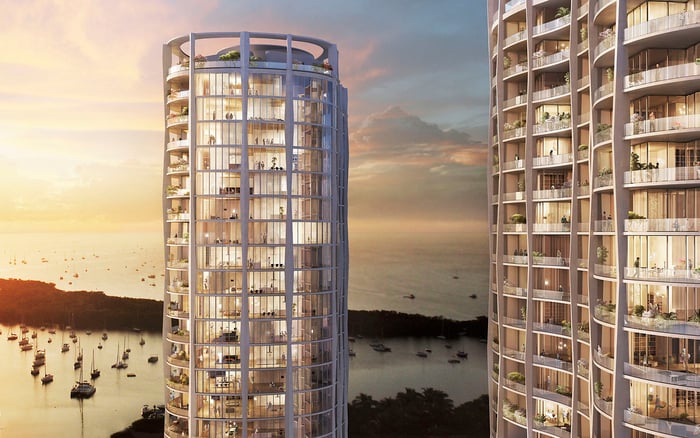
A discreet buyer-focused comparison of The Lincoln Coconut Grove and 2200 Brickell, centered on confidence, deposit structure, neighborhood character, and developer track record rather than price alone.
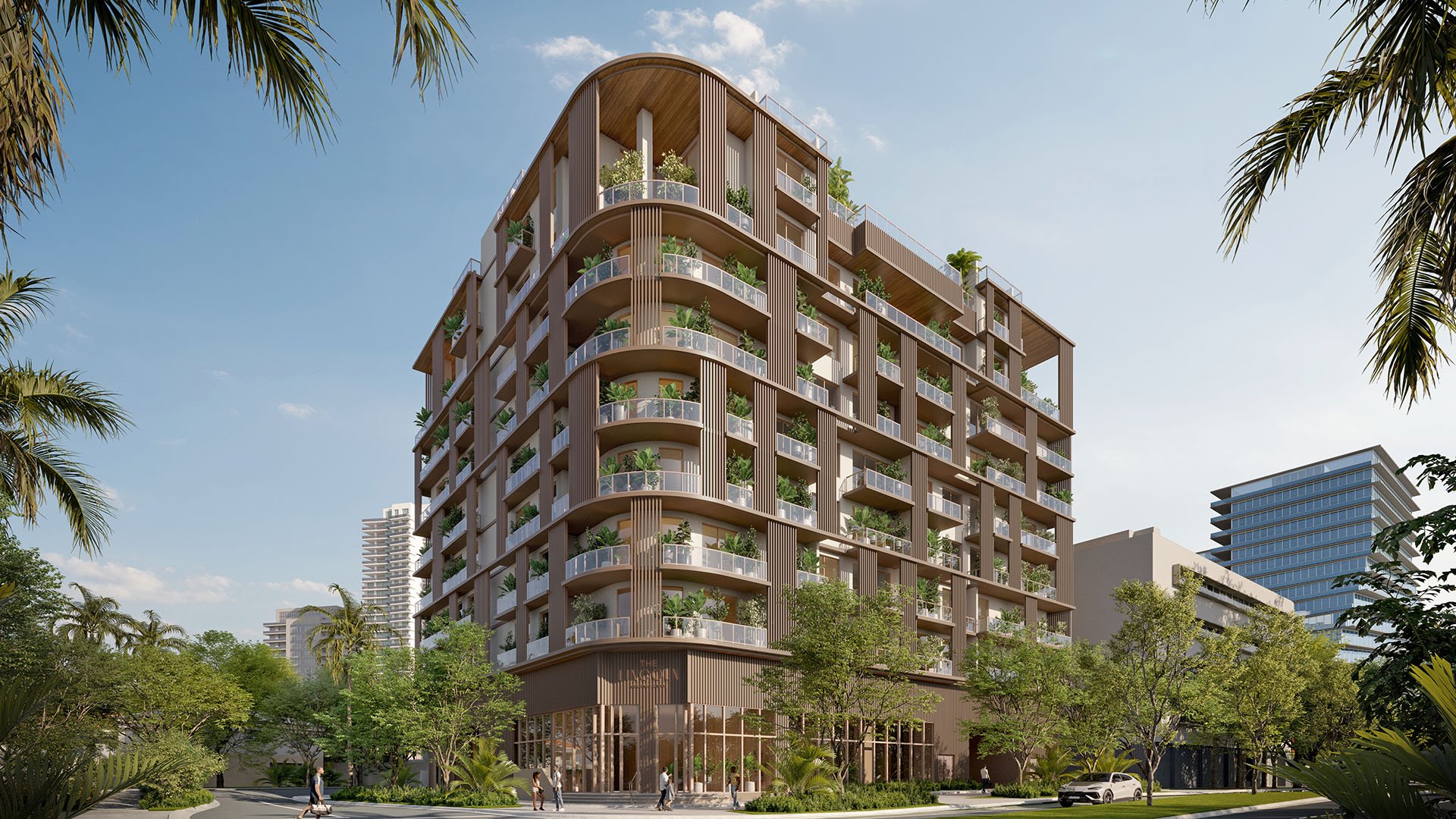
For sophisticated Miami buyers, the comparison between The Lincoln Coconut Grove and 2200 Brickell is less about which address feels more current and more about how much confidence can be established before a residence is delivered. Both belong to the broader Pre-construction conversation, yet they ask different questions of the buyer. One begins with Coconut Grove’s neighborhood identity and a more boutique residential lens. The other is anchored in Brickell, where the urban residential market carries its own rhythm, visibility, and expectations.
That distinction matters because Pre-construction and New-construction purchases are not merely transactions. They are commitments made before a finished home can be fully experienced. The buyer is evaluating plans, promises, construction sequencing, contractual discipline, deposit timing, and the credibility of the team behind the project. In that context, price becomes only one variable. Confidence becomes the more durable luxury.
The Lincoln Coconut Grove sits within the Coconut Grove context, and that setting is central to its appeal. Coconut Grove has long attracted buyers who value a more settled neighborhood character, with residential texture, mature identity, and a sense of separation from Miami’s most vertical corridors. In a Coconut-grove search, the emotional pull often starts with atmosphere before spreadsheets enter the conversation.
The Lincoln Coconut Grove is therefore best understood through the buyer who wants pre-construction optionality without surrendering the feeling of a neighborhood. Boutique scale and neighborhood identity may be part of the draw, especially for purchasers who view discretion, daily livability, and a less overtly corporate setting as part of the value proposition.
2200 Brickell, by contrast, is shaped by Brickell Avenue’s residential setting. Brickell buyers are often considering proximity, urban momentum, and the long-term relevance of a central Miami address. The neighborhood has a different energy, with residential demand tied to city living, access, and the gravitational pull of Miami’s financial and lifestyle core.
Neither choice is automatically superior. The more useful distinction is temperament. The Lincoln Coconut Grove speaks to buyers who may want a quieter, neighborhood-led acquisition. 2200 Brickell speaks to buyers who may prefer the clarity of a more urban residential frame.
In a pre-construction purchase, deposit structure deserves the same attention as floor plan, view orientation, and finishes. The title of this comparison places deposit structure at the center for good reason. It determines how much capital is committed, when it is committed, and how the buyer’s liquidity is managed before closing.
Because no buyer should treat deposit obligations as interchangeable, the essential exercise is comparative rather than emotional. A purchaser considering The Lincoln Coconut Grove should evaluate how the deposit schedule aligns with personal liquidity, broader portfolio obligations, and comfort with the project timeline. A purchaser considering 2200 Brickell should do the same, with equal attention to how the structure fits the expectations of an urban Brickell acquisition.
The most refined buyers tend to ask practical questions early. How is the deposit staged? What milestones trigger future payments? What protections are reflected in the contract? How does the structure compare with the buyer’s tolerance for waiting? These questions do not diminish the romance of a new residence. They protect it.
Developer track record is one of the quietest but most consequential parts of the decision. It does not appear in renderings, yet it shapes the buyer’s confidence in whether the project can move from concept to completion with discipline. In the ultra-premium market, execution history can function almost like invisible infrastructure.
For The Lincoln Coconut Grove, the buyer should study the credibility behind the development vision, the consistency between the stated concept and the contract documents, and the degree to which the project’s boutique and neighborhood-driven identity feels supported by the team responsible for delivery. For 2200 Brickell, the analysis should similarly consider whether the development team appears suited to the expectations of a Brickell residential project, where buyers may be especially attentive to urban context, building experience, and long-term positioning.
This is not about broad reputation alone. It is about fit. A developer’s past work may reassure a buyer, but the more precise question is whether that experience translates to this project, in this neighborhood, for this buyer profile.
The strongest buyers often separate attraction from commitment. Attraction is the initial response to location, design direction, and lifestyle narrative. Commitment begins when the buyer understands what is being promised, what remains uncertain, and what recourse exists if the path changes.
That is where The Lincoln Coconut Grove and 2200 Brickell become more than neighborhood alternatives. They become case studies in how affluent Miami purchasers manage uncertainty. A buyer may prefer the Grove’s quieter residential personality but still require clarity on deposit timing and development execution. Another may favor Brickell’s urban convenience but need a high level of confidence before committing meaningful capital.
The refined approach is not to chase the project that feels most persuasive in a presentation. It is to identify the project whose uncertainties are most acceptable. Every pre-construction purchase contains unknowns. The difference is whether those unknowns are clearly understood, contractually framed, and aligned with the buyer’s time horizon.
For a buyer choosing between The Lincoln Coconut Grove and 2200 Brickell, the decision can be organized around three questions.
First, which neighborhood setting better reflects the intended life of the residence? Coconut Grove may appeal to buyers seeking a boutique, identity-rich neighborhood context. Brickell may appeal to buyers who want an urban residential setting with centrality and visibility.
Second, which deposit structure creates the right level of comfort? The answer depends on liquidity, risk tolerance, and timing. A favorable structure for one buyer may be too capital-intensive for another.
Third, which developer track record inspires the greater confidence for this specific project? The point is not to admire a resume in the abstract. The point is to determine whether the team’s experience supports the exact promise being made.
For a buyer’s internal shorthand, the tags may read The Lincoln Coconut Grove, 2200 Brickell, Coconut-grove, Brickell, Pre-construction, and New-construction. The actual decision is more nuanced. It is about choosing the version of uncertainty that feels most controlled.
In Miami’s upper tier, confidence sometimes means proceeding. Just as often, it means waiting, renegotiating, or choosing the alternative that offers a cleaner path. The Lincoln Coconut Grove and 2200 Brickell each occupy credible positions within their respective neighborhoods, but the right purchase depends on the buyer’s ability to distinguish appeal from assurance.
The most elegant outcome is not necessarily the flashiest acquisition. It is the one where the buyer understands the neighborhood character, accepts the deposit structure, respects the development team’s ability to execute, and feels calm about the path from contract to closing. In that sense, the real luxury is not simply the future residence. It is the confidence with which it is acquired.
Is The Lincoln Coconut Grove a Coconut Grove project? Yes. The Lincoln Coconut Grove is the Coconut Grove project in this comparison.
Is 2200 Brickell a Brickell project? Yes. 2200 Brickell is the Brickell project in this comparison.
Is this comparison mainly about price? No. The stronger comparison centers on confidence, certainty, deposit structure, and developer track record.
Why does neighborhood character matter here? Coconut Grove and Brickell offer different residential personalities, so the preferred setting should match the buyer’s intended lifestyle.
What may appeal to buyers about The Lincoln Coconut Grove? Its Coconut Grove context and potential boutique character may appeal to buyers seeking neighborhood identity and discretion.
What may appeal to buyers about 2200 Brickell? Its Brickell setting may appeal to buyers who value an urban residential location and the presence of Brickell Avenue.
Why is deposit structure important in pre-construction? It affects how much capital is committed before delivery and how comfortably the buyer can manage timing and liquidity.
Why does developer track record matter? It helps buyers assess whether the team behind a project can credibly execute the promised residential vision.
Should buyers compare contracts as carefully as renderings? Yes. Contract terms, deposit timing, and buyer protections are essential parts of pre-construction diligence.
Which project is the better choice? The better choice depends on the buyer’s preferred neighborhood, comfort with deposit terms, and confidence in project execution.
When you're ready to tour or underwrite the options, connect with MILLION.
If branded residences are on your mind — as a home or as an allocation — we would be glad to share what we are seeing, privately.
Begin a quiet conversation