A buyer-oriented guide to reading reserve study assumptions when comparing Coral Gables and Boca Raton luxury condominiums, with emphasis on risk, timing, governance, and long-term ownership fit.
For high-net-worth buyers comparing Coral Gables and Boca Raton, reserve study assumptions are no longer back-office details. They are part of the architecture of ownership. A residence may deliver privacy, scale, service, and design, yet the ownership experience can still be reshaped by how a condominium anticipates long-term capital needs.
The question is not simply whether a building has reserves. The more precise question is what the reserve study assumes: which components are included, how remaining useful life is estimated, how future costs are modeled, and how quickly the association intends to fund its obligations. Those assumptions can materially alter the apparent value of two homes that otherwise look similar on paper.
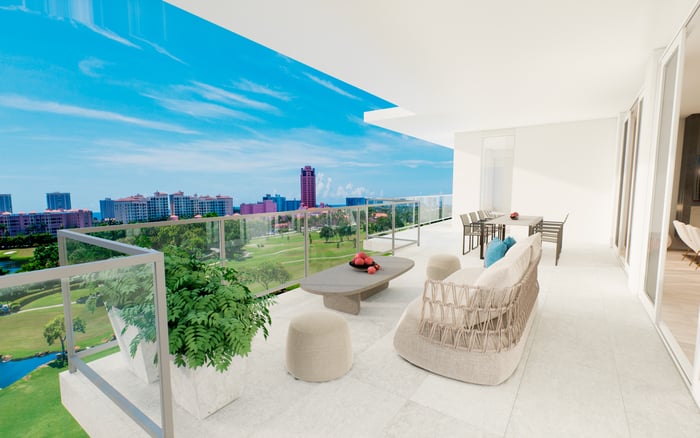
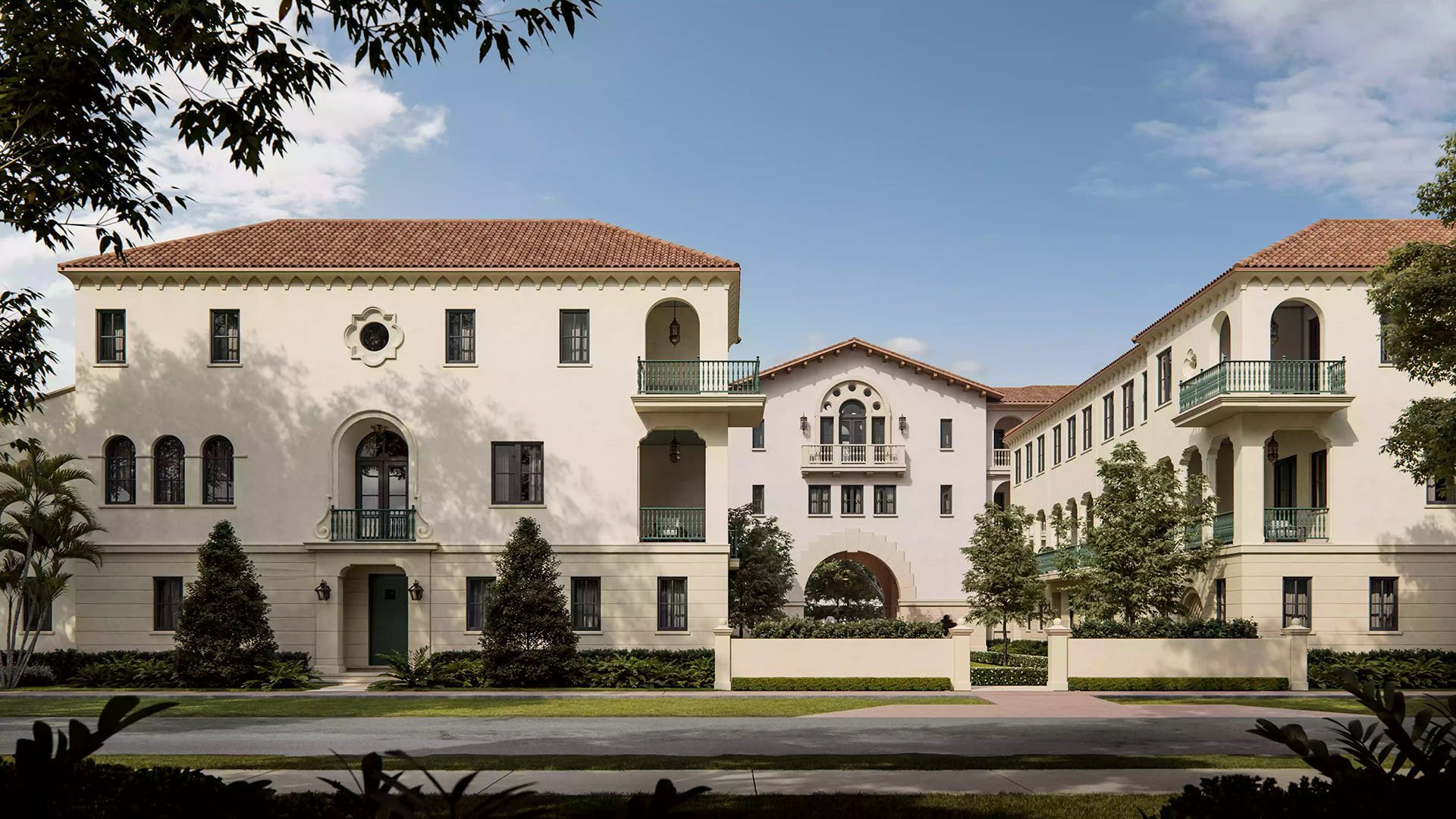
In Coral Gables, a buyer may be evaluating a boutique, design-forward lifestyle near established residential fabric, including projects such as Ponce Park Coral Gables and The Village at Coral Gables. In Boca Raton, the same buyer may be considering a different balance of privacy, services, and resort-style daily living, with options such as Alina Residences Boca Raton, Glass House Boca Raton, or The Residences at Mandarin Oriental Boca Raton. The reserve conversation helps distinguish not only the residence, but also the ownership culture around it.
A reserve study is only as useful as its assumptions. Buyers should focus on the components most likely to affect future contributions: roofs, elevators, mechanical systems, structural elements, waterproofing, common-area finishes, amenity infrastructure, and other shared assets. If the study excludes a major component, or treats it as beyond the planning horizon, the buyer should understand why.
Useful life is another pivotal assumption. A component expected to last many years may require modest annual funding; a component nearing the end of its anticipated life may create near-term pressure. Replacement cost is equally important. If pricing assumptions are conservative, ownership may feel more predictable. If estimates are thin, the association may eventually need to close the gap through higher assessments, special assessments, or changes to service standards.
For the MILLION audience, this is where Pricing & Trends becomes personal. Market movement may influence entry price, but reserve assumptions influence the lived cost of holding the asset. A polished lobby and a serene pool deck tell one story. The reserve schedule tells another.
The choice between Coral Gables and Boca Raton often begins with lifestyle. One buyer may prefer the rhythm of Coral Gables; another may favor Boca Raton. Reserve diligence adds a second layer: which association, building age, maintenance philosophy, and funding path best match the buyer’s tolerance for ambiguity.
A newer residence does not automatically settle the question. New construction can reduce some uncertainty because systems and finishes are recent, but future capital planning still matters. Early budgets, warranty periods, turnover timing, and the first years of association governance can shape the reserve framework that owners inherit.
A more established building is not automatically at a disadvantage either. If it has a disciplined maintenance history, clear funding posture, and transparent planning, it may feel more legible than a newer association still forming its long-term habits. The issue is not age alone. It is whether the numbers, documents, and board culture align.
This is why buyer's guides for luxury condominiums should treat reserve questions as lifestyle questions. A buyer seeking the most predictable holding experience may prefer a building with conservative assumptions and a measured funding plan. A buyer willing to accept more uncertainty may prioritize a particular address, view, floor plan, or service model, while negotiating with eyes open.
Before deciding that Coral Gables or Boca Raton is the better fit, ask the same reserve questions across both shortlists. Are assumptions based on current replacement expectations or older cost logic? Are contingencies included? Are common areas being maintained at the standard the buyer expects? Has the association identified major upcoming projects, and is there a funding plan for them?
Buyers should also ask whether reserve contributions appear aligned with the building’s ambitions. A luxury property with elaborate amenities, extensive landscaping, high-touch services, and sophisticated common areas may require a different reserve posture than a simpler boutique building. Lower monthly carrying costs are attractive only if they are not achieved by underfunding future obligations.
The investment lens is equally important. A buyer may intend to hold for a decade, use the home seasonally, or eventually pass it to family. Each plan changes the relevance of reserve assumptions. Shorter ownership may still be affected by disclosure, buyer perception, and resale negotiations. Longer ownership makes capital planning even more central.
The most sophisticated approach is comparative rather than emotional. Review the reserve study, current budget, meeting materials, insurance posture, maintenance history, and any disclosed capital plans. Then compare the findings side by side across Coral Gables and Boca Raton.
Ask your adviser to separate three categories: known costs, likely future costs, and uncertain assumptions. Known costs can be modeled. Likely costs can be negotiated or planned around. Uncertain assumptions should be treated as risk, even when the residence itself is exceptional.
The goal is not to avoid every building with future capital needs. In luxury real estate, stewardship is part of ownership. The goal is to understand whether the association’s assumptions match the level of discretion, predictability, and financial clarity the buyer expects.
Why do reserve study assumptions matter when comparing Coral Gables and Boca Raton? They reveal the future cost profile behind the lifestyle decision. Two residences can feel similar today while carrying different long-term funding risks.
Is a newer condominium always safer from a reserve perspective? Not always. Newer buildings may have newer systems, but early governance, budgeting, and long-term planning still deserve close review.
Should buyers avoid buildings with upcoming capital projects? Not necessarily. The key is whether the projects are clearly identified, reasonably costed, and supported by a credible funding plan.
What reserve assumptions should be reviewed first? Start with component scope, useful life, estimated replacement cost, contingencies, and the timing of anticipated work.
Can reserve assumptions affect resale value? Yes, because future buyers may evaluate the same documents. Unclear funding can become a negotiation point during resale.
How should a cash buyer think about reserves? A cash buyer still faces carrying costs, assessments, and future capital exposure. Liquidity does not replace due diligence.
Are lower monthly fees always better? Lower fees can be attractive, but they should be tested against maintenance needs and reserve adequacy. Underfunding can create future pressure.
What role does association culture play? Governance matters because boards decide how aggressively to maintain, fund, and communicate. Transparent culture can reduce ownership friction.
How does this affect second-home buyers? Second-home buyers often value predictability. Reserve clarity can make seasonal ownership feel simpler and easier to manage.
What is the best next step before making an offer? Review reserve materials with qualified advisers before finalizing price and terms. The documents should support the ownership experience you expect.
When you're ready to tour or underwrite the options, connect with MILLION.
If branded residences are on your mind — as a home or as an allocation — we would be glad to share what we are seeing, privately.
Begin a quiet conversation