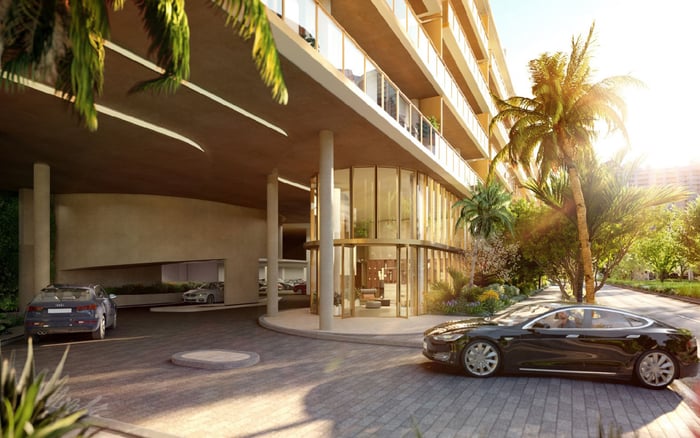
A discreet Brickell due-diligence guide for buyers weighing boutique scale against wellness-branded condominium ownership, with questions on costs, governance, resilience, access, and resale liquidity.
For a serious Brickell buyer, the comparison between 2200 Brickell and a wellness-branded concept such as House of Wellness Brickell should begin with a restrained premise: luxury is not only what appears in the sales gallery. It is also the quality of the budget, the durability of building systems, the clarity of governance, and the way daily life will feel once the property is operating.
That distinction matters because 2200 Brickell is best evaluated as a boutique condominium option rather than a high-density tower. A lower-scale building can appeal to buyers who value privacy, intimacy, and a more residential rhythm. Yet that same format demands careful scrutiny. Fewer residences may mean fewer owners sharing fixed costs for staff, insurance, reserves, maintenance, and long-term capital needs.
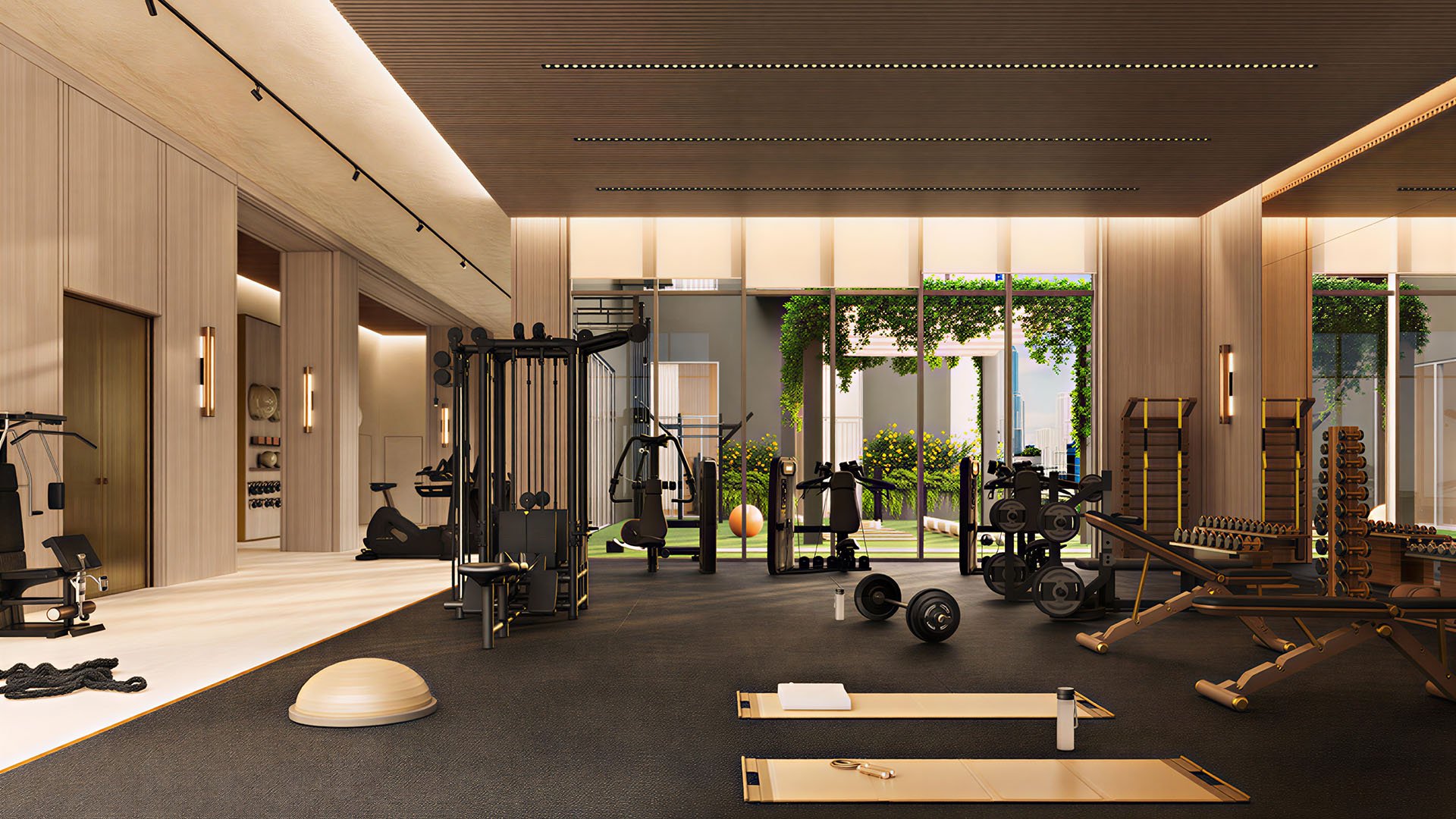
A wellness-branded Brickell project raises a different set of questions. The buyer is not simply purchasing a gym, spa language, or a wellness identity. The buyer is accepting an operating model. The key is determining whether wellness is embedded in the residences, building systems, programming, air or water quality strategies, and service culture, or whether it functions mainly as branding around amenities.
The first serious question is simple: who pays for the building you are being sold? A boutique residence may feel more private, but buyers should request the full condominium budget, projected association dues, reserve schedule, staffing plan, and assumptions behind future increases before signing.
This is especially important in new-construction and pre-construction purchases, where projections can appear polished while still depending on assumptions that will be tested only after opening. Ask how many staff positions are contemplated, which services are in-house, which are outsourced, and how replacement costs for major systems will be funded over time.
When comparing 2200 Brickell with larger Brickell residences such as Cipriani Residences Brickell or The Residences at 1428 Brickell, avoid assuming that bigger is automatically more efficient or that smaller is automatically more exclusive. The practical issue is cost allocation. A larger tower may spread certain operating costs across more owners, but it may also carry a broader amenity program and more complex staffing. A boutique building may offer calm and privacy, but fixed expenses can be more concentrated.
Wellness has become one of Brickell’s most persuasive luxury languages. For the right buyer, it can be meaningful. For the wrong budget, it can become an expensive motif.
Ask who operates the wellness programming, how long any operating agreement lasts, and whether a brand, consultant, or service partner can be removed or replaced. Then ask what happens if future boards reduce programming, underfund maintenance, or decide that certain features are too expensive to sustain. A wellness identity is only as strong as the operating discipline behind it.
Buyers should also ask whether wellness amenities create recurring costs through specialized staff, maintenance contracts, equipment replacement, consumables, software, third-party services, or enhanced mechanical systems. If the answer is yes, the next question is whether those costs are reflected in the proposed association dues and reserves, not merely in the sales narrative.
The same discipline should apply to any amenity package at a boutique property. Is it something residents will use daily, or is it primarily designed to photograph well? Serious buyers should separate personal utility from marketing appeal. A beautifully presented space that is rarely used still needs to be cleaned, insured, staffed, repaired, and eventually refreshed.
Brickell rewards convenience, but it also demands precision. Before choosing a residence, buyers should evaluate daily access patterns, including Brickell Avenue traffic, routes to I-95 and US-1, and the friction of peak office hours. A tower can be architecturally compelling and still impose a daily routine that does not fit a buyer’s life.
Visit the immediate area at multiple times: weekday morning, late afternoon, Friday evening, and a quiet Sunday. Observe pedestrian activity, construction exposure, privacy, valet movement, ambient noise, and the way the block changes after business hours. The right question is not whether Brickell is desirable. It is whether this specific location behaves the way you expect when you live there.
This is also where comparisons with other Brickell offerings, including ORA by Casa Tua Brickell, become useful. The point is not to rank one name against another by surface impression. It is to understand whether each building’s location, access, service model, and buyer profile support your intended use.
The condominium declaration deserves the same attention as the views. Buyers should review rental restrictions, pet rules, guest policies, short-term rental limitations, owner-voting structure, and any rules affecting access to amenities. These details influence privacy, noise, wear, governance, and resale perception.
For boutique buildings, governance deserves special focus. With fewer owners, individual voices may carry more weight, but so can disagreement. Fewer owners may also mean greater exposure to special assessments if reserves are inadequate or if major costs rise faster than projected. Ask how future boards will be structured, what voting thresholds apply, and how control transitions from developer to association.
The intended resident mix also matters. Is the building designed mainly for end-users, investors, seasonal owners, or short-term rental demand? That mix can shape everything from elevator traffic to amenity wear, from board priorities to the way future buyers perceive the building. An investment thesis that depends on flexibility may conflict with an end-user’s desire for quiet and permanence.
For any purchase before completion, ask for the developer’s track record, delivery history, financing status, construction timeline, and completion protections. Buyers should also understand how deposits are held, which milestones trigger payments, and what remedies exist if delivery is delayed or specifications change.
In coastal South Florida, resilience is not a secondary question. Ask about elevation, flood-risk planning, storm-hardening, backup power, mechanical-system placement, and hurricane-resilience features. These answers affect comfort, insurability, operations, and future market confidence.
Insurance should be treated as a core ownership cost, not an afterthought. Request projected master-policy premiums, deductible exposure, and the assumptions used in association forecasts. A low projected monthly cost is less persuasive if it rests on optimistic insurance assumptions.
Resale logic in Brickell is not simply about whether a building looks luxurious. A boutique residence may have fewer directly competing units when owners sell, but it may also require a buyer pool that understands and values its lower-scale format. A larger branded or wellness-oriented tower may have broader name recognition, yet more competing inventory inside the same building.
Require appreciation claims to be supported by Brickell submarket comps, not only handpicked examples from the same project or nearby trophy buildings. The strongest purchase decision connects architecture, cost discipline, governance, resilience, and liquidity into one coherent ownership model.
For the serious buyer, the decision is not 2200 Brickell versus a wellness-branded residence as a matter of style. It is a decision between operating systems. The better residence is the one whose costs, rules, maintenance obligations, buyer mix, and resale story remain persuasive long after the launch presentation is forgotten.
What is the first question buyers should ask about 2200 Brickell? Ask how its boutique scale affects privacy, staffing, reserves, monthly dues, and exposure to fixed operating costs.
How should buyers evaluate House of Wellness Brickell? Treat wellness as an operating model and ask what is built into systems, programming, staffing, and long-term budgets.
Are boutique buildings always less expensive to operate? Not necessarily. Fewer residences can mean fixed costs are shared by a smaller ownership base.
What documents should be reviewed before signing? Review the budget, reserve schedule, declaration, rental rules, pet policies, guest rules, and voting structure.
Why does the resident mix matter? End-users, investors, seasonal owners, and short-term rental demand can create different patterns of noise, wear, and governance priorities.
What should buyers ask about wellness amenities? Ask who operates them, how agreements can change, and whether equipment, staffing, and service costs are fully budgeted.
How important is Brickell traffic in the decision? It is central. Buyers should test routes to I-95, US-1, and daily destinations during peak office periods.
What resilience questions belong in due diligence? Ask about elevation, flood planning, storm-hardening, backup power, and placement of mechanical systems.
Why is insurance so important in a luxury condo purchase? Master-policy premiums, deductibles, and forecast assumptions can materially affect monthly ownership costs.
How should buyers think about resale? Compare boutique scarcity with broader branded recognition, then test appreciation claims against wider Brickell comps.
For a tailored shortlist and next-step guidance, connect with MILLION.
If branded residences are on your mind — as a home or as an allocation — we would be glad to share what we are seeing, privately.
Begin a quiet conversation