A refined buyer’s guide to assessing district construction risk before closing on a South Florida luxury residence, from access and noise to resale positioning and negotiation strategy.
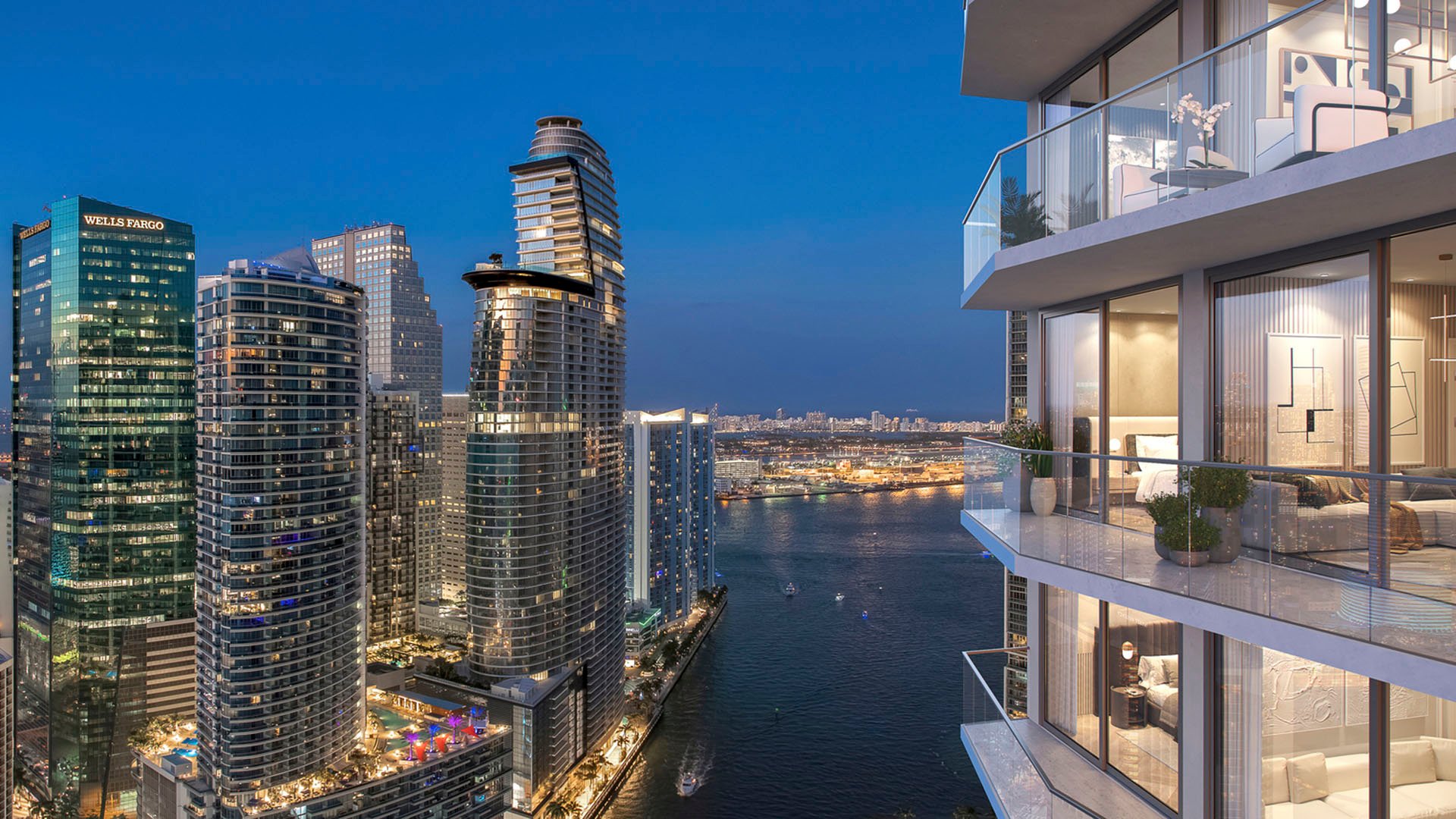
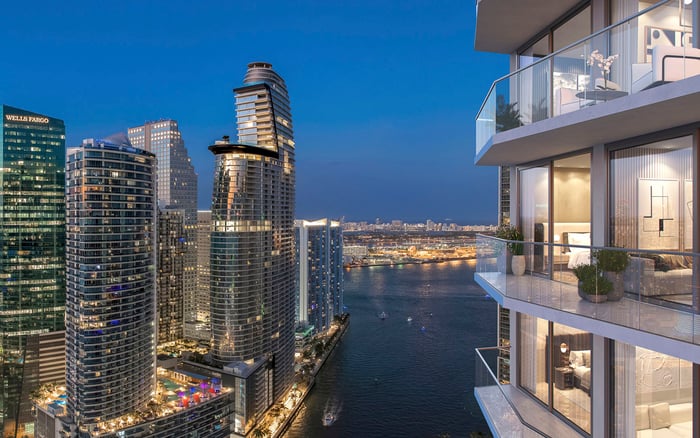
In South Florida luxury real estate, the residence itself is rarely the only asset being purchased. A buyer is also acquiring a rhythm of arrival, a measure of quiet, a degree of privacy, a view corridor, a commute pattern, and the surrounding civic theater of a neighborhood in motion. District construction can interrupt each of these, even when the building under contract is beautifully conceived and impeccably delivered.
The issue is not simply whether a crane is visible from the terrace. It is whether the broader area is entering a cycle of roadwork, adjacent tower development, utility improvements, streetscape changes, seawall activity, public-space upgrades, or large-scale private construction that may affect the first years of ownership. For a buyer closing on a primary residence, second home, or investment property, those first years matter. They establish the emotional value of the address and, in many cases, the early resale narrative.
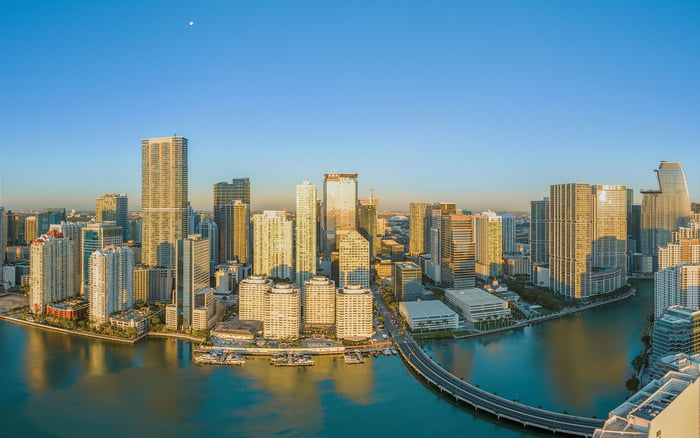
This is especially relevant in markets where new-construction and pre-construction opportunities sit within fast-evolving districts. In Brickell, Miami Beach, Sunny Isles, Fort Lauderdale, West Palm Beach, Bay Harbor Islands, Surfside, and Coconut Grove, the best addresses often stand near the very forces that made the neighborhood desirable: renewal, capital investment, infrastructure attention, and architectural ambition.
The hidden cost is rarely presented as a single line item at closing. It emerges in daily life. A ten-minute route to the garage becomes less predictable. A favored entrance is periodically constrained. A terrace intended for morning coffee faces intermittent equipment noise. Guests, staff, drivers, and deliveries require more choreography. None of this necessarily diminishes the quality of the residence, but it can alter the ownership experience.
For buyers comparing a polished resale with a new tower, the contrast can be subtle. A building may be complete, while the surrounding district remains in transition. A buyer evaluating The Residences at 1428 Brickell, for example, is not only assessing an individual address. The buyer is also weighing the intensity, mobility, and vertical future of Brickell as a whole.
The same logic applies in waterfront and resort-oriented neighborhoods. In Miami Beach, the character of a block can depend on access routes, neighboring parcels, streetscape changes, beach approaches, and nearby hospitality or residential work. A purchase near The Perigon Miami Beach invites a broader review of how the immediate district may feel during weekdays, high season, and major local events.
The strongest buyers do not ask only, “What is under construction?” They ask, “What could be under construction during my expected hold period?” That shift changes the diligence process.
Begin with the parcels closest to the residence. What is vacant, underused, recently cleared, recently fenced, or visibly staged for work? Which nearby buildings appear likely to be renovated, repositioned, or replaced? What roads, bridges, utilities, seawalls, parks, sidewalks, medians, or drainage systems could be improved? Even without exact schedules, these questions help frame risk.
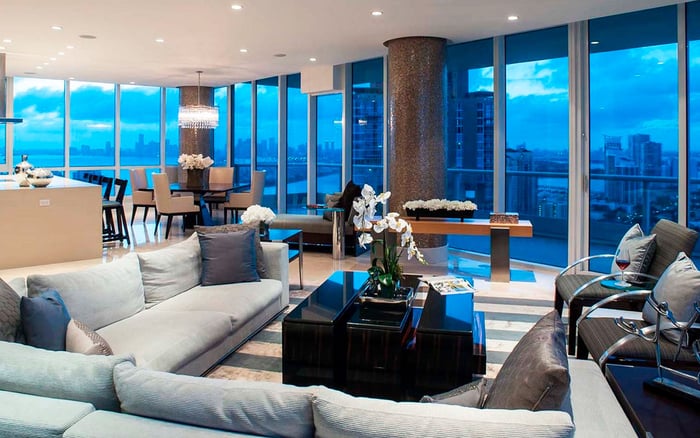
Next, examine how construction could affect the most valuable moments of ownership. If the residence is a waterfront home, sunrise and sunset privacy may matter more than daytime noise. If it is an urban pied-à-terre, garage ingress and egress may matter more than terrace use. If it is a family residence, school routes, service access, and weekend quiet may define the true cost.
For Sunny Isles buyers, vertical adjacency can be especially important because high-rise living often depends on outlook, light, and the feel of arrival. A residence near St. Regis® Residences Sunny Isles may prompt a buyer to consider not only the subject building, but also the development posture of nearby sites and traffic patterns along the corridor.
In luxury transactions, the contract should reflect what the buyer values most. If district construction could affect closing comfort, the buyer’s advisory team should review contingency periods, inspection rights, disclosure language, developer obligations, association materials, and any available public-facing plans for surrounding work. The goal is not to eliminate uncertainty. The goal is to avoid being surprised by a risk that was visible before the final wire.
This is particularly important for pre-construction purchases, where the buyer may be focused on floor plan, deposit structure, finish package, and expected delivery, while the surrounding area continues to evolve. A thoughtful buyer will ask how delays, neighboring work, access changes, or temporary operating conditions could affect move-in plans and early leasing or resale flexibility.
No contract can control an entire district. Yet the right language can clarify what is being promised, what is not being promised, and what remedies, if any, exist if conditions materially differ. A disciplined review also helps the buyer distinguish between normal urban evolution and a genuine concern that should influence price, timing, or walk-away posture.
Not every construction condition is negative. In many luxury districts, temporary inconvenience is the price of long-term improvement. The buyer’s challenge is to separate noise from impairment.
Temporary disruption includes predictable construction hours, limited-term access adjustments, visible staging, or a period of neighborhood congestion that may resolve as work concludes. Permanent impairment is different. It may involve a lasting loss of privacy, a changed view corridor, reduced ease of arrival, diminished pedestrian quality, or a new use nearby that shifts the character of the address.
This is where judgment matters. A buyer considering West Palm Beach may see district improvements as part of a broader lifestyle upgrade, while still needing to evaluate exact location, access, and timing. Around Forté on Flagler West Palm Beach, for instance, the appeal of a prestigious corridor should be weighed alongside the practical realities of surrounding change.
The same analysis applies across Broward and Palm Beach County as luxury demand expands beyond traditional Miami enclaves. Fort Lauderdale buyers may accept a more active construction environment if the long-term waterfront, marina, dining, or cultural profile strengthens. The key is to price the interim experience correctly.
For an owner who may resell within a short horizon, district construction can become part of the next buyer’s objection list. Even if the original buyer was comfortable with the disruption, the next buyer may ask for concessions. The same applies to rent strategy, particularly for long-term rentals where tenants expect predictable access and a polished environment from the first day of occupancy.
Luxury renters can be less forgiving than owners because they are purchasing convenience rather than long-term upside. If a building’s amenities are complete but the surrounding streets feel unfinished, the leasing conversation may require more finesse. That does not mean the asset is weak. It means the holding strategy should account for presentation, timing, and possible incentives.
For a second-home owner, the cost is more personal. If visits are concentrated into a few weeks each year, arriving during an intense construction phase can feel disproportionate. The buyer may not be living through the entire improvement cycle, only the inconvenient segment. In that case, the best question is not whether the district will be better later, but whether the residence will feel effortless when the owner actually uses it.
Before closing, buyers should request a neighborhood-level review that goes beyond the residence, association, and building documents. The checklist should include nearby parcels, visible work zones, access routes, planned streetscape or utility activity, parking and valet patterns, delivery routes, noise exposure by time of day, and the likelihood of adjacent future development.
Walk the area at different hours. Arrive as a guest would. Enter through the garage. Stand on the terrace in silence. Sit in the lobby and listen. Drive the nearest route during peak demand. These simple exercises often reveal more than a polished presentation.
Finally, translate the findings into negotiation strategy. The answer may be to proceed confidently, ask for a concession, alter the closing timeline, adjust the unit selection, request clearer documentation, or choose a different micro-location. In a luxury market, discretion is not passivity. It is the discipline of knowing precisely what one is buying.
Why does district construction matter before closing? It can affect access, privacy, noise, views, guest arrival, and early resale perception, even when the residence itself is exceptional.
Is nearby construction always a negative sign? No. It can indicate investment and neighborhood improvement, but buyers should understand the timing, intensity, and direct impact on daily life.
What should buyers review first? Start with adjacent parcels, access routes, visible work zones, neighboring buildings, streetscapes, utilities, and likely future development patterns.
Can contract language protect a buyer from district disruption? It may clarify obligations, contingencies, and expectations, but it generally cannot control third-party work beyond the property.
How does this affect pre-construction purchases? Buyers should consider not only delivery of the residence, but also surrounding conditions during move-in, leasing, and the first resale window.
Does district construction affect investment strategy? Yes. It can influence rentability, tenant expectations, resale timing, carrying comfort, and the need for incentives or pricing adjustments.
What is the difference between disruption and impairment? Disruption is usually temporary and manageable; impairment may permanently change privacy, views, access, or the character of the address.
Should second-home buyers be more cautious? Often, yes. If visits are limited, even temporary work can feel significant if it overlaps with the owner’s planned use periods.
Can a great building offset a difficult district phase? Sometimes. The question is whether the buyer is comfortable with the interim experience and whether the long-term location justifies it.
What is the best way to shortlist comparable options for touring? Start with location fit, delivery status, and daily lifestyle priorities, then compare stacks and elevations to validate views and privacy.
If you'd like a private walkthrough and a curated shortlist, connect with MILLION.
If branded residences are on your mind — as a home or as an allocation — we would be glad to share what we are seeing, privately.
Begin a quiet conversation