A discreet buyer’s guide to evaluating massage-room privacy as its own due-diligence topic, especially in amenity-rich South Florida luxury residences.
.jpg)
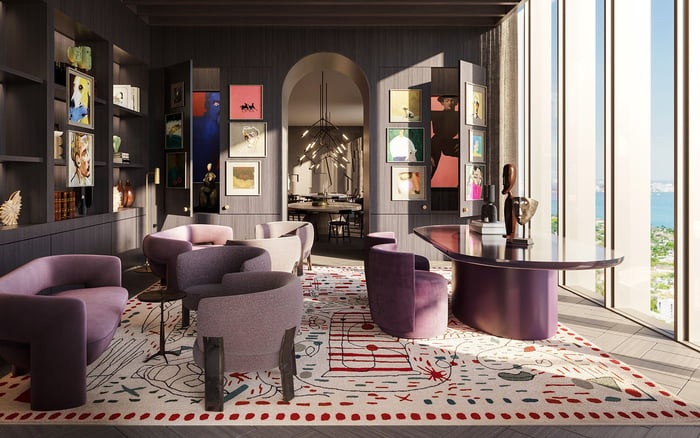
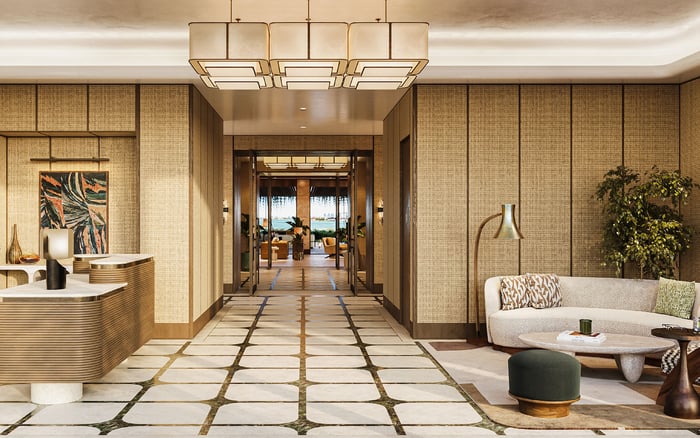
In South Florida luxury real estate, wellness amenities are often presented with the quiet confidence of a private resort. A massage room may appear serene during a sales tour, with soft lighting, stone surfaces, and a carefully composed sense of escape. Yet the privacy of that room is not defined by design alone. It is shaped by access, scheduling, staffing, acoustics, service protocols, and the path a resident takes before and after treatment.
That is why buyers should treat massage-room privacy as its own due-diligence conversation, not as a footnote within a broader amenities review. The question is not simply whether the building offers a wellness space. The sharper question is whether the experience remains discreet once the building is occupied, staffed, and operating at a high level of daily activity.
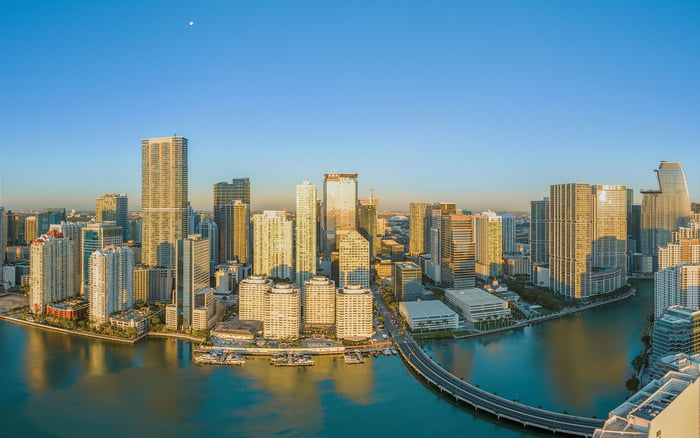
For buyers comparing residences across Brickell, Miami Beach, Sunny Isles, Fort Lauderdale, new-construction, and investment-oriented purchases, the privacy standard should remain consistent: if a room is intended for personal care, the surrounding procedures should be as carefully considered as the room itself.
A beautiful massage room photographs well. A private massage room functions well. Those are different tests.
On a tour, buyers often notice finishes first: the table, the lighting, the scent, the adjacent lounge, the steam room, or the spa corridor. Those details matter, but they do not answer the most important privacy questions. Who can see the booking calendar? Who controls access? Can residents pass through the area during a treatment? Is there a direct route from elevator to wellness suite? Are staff, outside therapists, or residents sharing the same vestibule?
The most refined buildings understand that privacy is operational, not merely architectural. A door can close and still leave the experience exposed through poor circulation, noise transfer, visible check-in points, or vague staffing rules. A buyer should not wait until after closing to discover that the spa suite feels discreet only when empty.
This is especially relevant when comparing amenity-rich properties such as The Residences at 1428 Brickell, where a purchaser may be evaluating not only the private residence, but also the rhythm of shared spaces, arrival sequences, and resident services.
The conversation should be calm, specific, and practical. It does not need to feel adversarial. It should simply move beyond aesthetic impressions and into the details that shape everyday privacy.
Start with access. Ask who may enter the massage-room area, whether access is controlled digitally or by staff, and whether guests, vendors, or outside practitioners follow a different route than residents. If the building allows outside therapists, clarify how they are approved, greeted, escorted, and logged. A luxury experience depends on elegance, but privacy depends on repeatable procedure.
Then review scheduling. Buyers should ask whether appointments are visible to front-desk personnel, concierge teams, spa attendants, or third-party operators. They should also ask whether resident names, unit numbers, treatment types, or guest details appear in any booking system. Even a tasteful amenity can become uncomfortable if too much personal information circulates unnecessarily.
Sound is another important point. Massage rooms are quiet by design, but adjacent uses may not be. Ask what sits next door, above, and below. A treatment room beside a fitness area, service corridor, pool deck, or children’s room may still be appealing, but the buyer should understand the conditions before relying on it for a true retreat.
Finally, discuss post-treatment movement. Privacy does not end when the session ends. A resident in a robe, relaxed and unguarded, should not have to cross a busy lobby-level amenity zone or pass directly through a social lounge unless that is a known and accepted part of the building’s design.
Branding can create confidence, but it should not replace diligence. A well-known name may suggest hospitality discipline, and a wellness-focused concept may signal thoughtful programming. Still, buyers should review the actual residential documents, rules, and procedures that govern the space they will use.
When evaluating a wellness-oriented address such as The Well Bay Harbor Islands, the buyer’s questions should remain precise. How is resident privacy handled during appointments? How are guests or practitioners screened? Does the operating model feel more like a private residential amenity or a semi-social wellness club?
The same discipline applies to beach and resort-style properties, including The Perigon Miami Beach or The Ritz-Carlton Residences® Fort Lauderdale. The higher the service expectation, the more important it becomes to understand how service is delivered without overexposure.
A separate conversation also helps distinguish marketing language from daily use. Words such as sanctuary, retreat, spa, and wellness are evocative. Due diligence translates them into questions of circulation, staffing, reservation visibility, operating hours, and resident control.
In pre-construction purchases, buyers often focus on floor plans, views, deposits, delivery expectations, and finish packages. Amenity privacy may feel less urgent because the space does not yet exist in finished form. That is precisely why the conversation should happen early.
Before a building opens, there may be an opportunity to understand the intended operating philosophy. Will the massage rooms be resident-only? Will they be bookable through a concierge? Will outside therapists be permitted? Will treatment rooms be near locker rooms, pools, wellness lounges, or social amenities? The answers may not always be final, but the questions reveal how seriously privacy is being considered.
For buyers considering highly visible projects such as St. Regis® Residences Sunny Isles, a separate discussion can also help align expectations between a hospitality-inflected lifestyle and the personal discretion expected inside a private residence. The goal is not to reject shared amenities. It is to understand whether they can be used comfortably by owners who value privacy as much as design.
A capable advisor should help convert a soft concern into a structured checklist. That checklist may include the declaration, rules and regulations, amenity policies, guest policies, vendor policies, reservation procedures, insurance requirements for outside providers, and any available operating guidelines.
Buyers should also ask whether the massage room is part of a broader spa suite, fitness amenity, resident lounge, hotel component, or private club-style program. Each structure can create a different privacy profile. A room inside a quiet residential wellness floor may feel very different from a room tied to a more public hospitality environment.
The strongest review also considers resale. Future buyers may care about the same questions. A massage room that is elegant, well managed, and discreet can support the overall perception of service quality. A space that feels exposed, poorly scheduled, or operationally vague may be less compelling, even if it looks impressive in renderings or photography.
The quiet luxury test is simple: can the amenity be used without announcing itself?
A truly private massage-room experience should not require the resident to negotiate awkward pathways, explain personal appointments, encounter unnecessary staff attention, or worry about who can infer what is happening and when. It should feel effortless because the building’s planning and procedures have already absorbed the complexity.
For discerning South Florida buyers, that is the point of separating this conversation from the general tour. Privacy is rarely proven by a single beautiful room. It is proven by the invisible choreography around it.
Why should massage-room privacy be discussed separately? Because privacy depends on operations, access, scheduling, and circulation, not just the appearance of the spa space.
Is this only relevant in buildings with large wellness programs? No. Even a single treatment room can raise privacy questions if access, staffing, or booking procedures are unclear.
What is the first question a buyer should ask? Ask who can access the massage-room area and how that access is controlled during appointments.
Should buyers ask about outside massage therapists? Yes. The approval, arrival, escort, and insurance process for outside providers can affect both privacy and comfort.
Do reservation systems matter? Yes. Buyers should understand who can see appointment details and whether personal information is minimized.
Can acoustics affect privacy? Yes. Adjacent fitness, pool, service, or social areas can influence whether a treatment room feels genuinely quiet.
Is this important for pre-construction buyers? Yes. Early questions can clarify the intended operating model before the building’s habits are established.
Should this be handled by the buyer or advisor? Both. The buyer should define the privacy expectation, while the advisor helps request and review the relevant documents.
Does a branded residence automatically solve this issue? No. Branding may suggest service quality, but buyers should still review the actual residential procedures.
What is the best way to shortlist comparable options for touring? Start with location fit, delivery status, and daily lifestyle priorities, then compare stacks and elevations to validate views and privacy.
To compare the best-fit options with clarity, connect with MILLION.
If branded residences are on your mind — as a home or as an allocation — we would be glad to share what we are seeing, privately.
Begin a quiet conversation