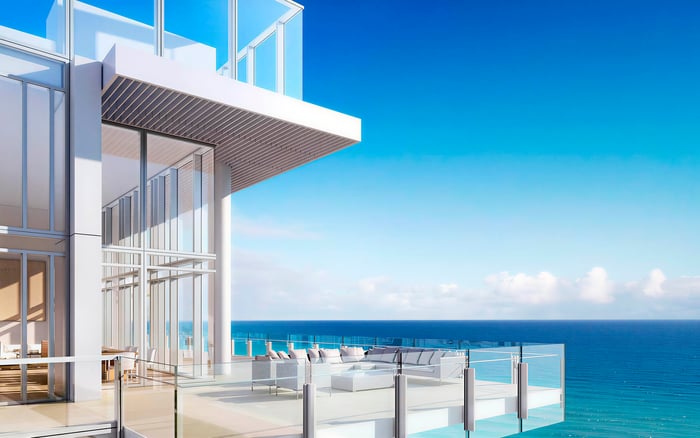
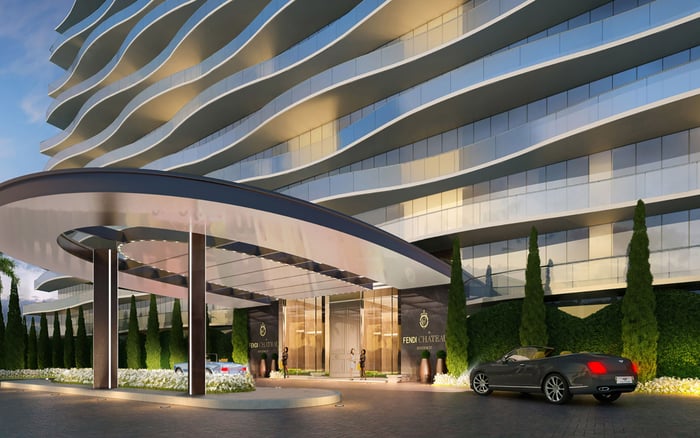
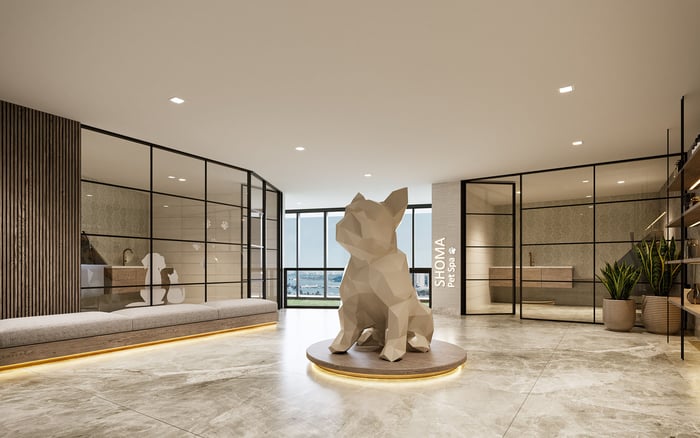
A buyer-focused comparison of Arte Surfside and Setai Residences Miami Beach, framed around design-led residential identity versus hotel-influenced branded living.
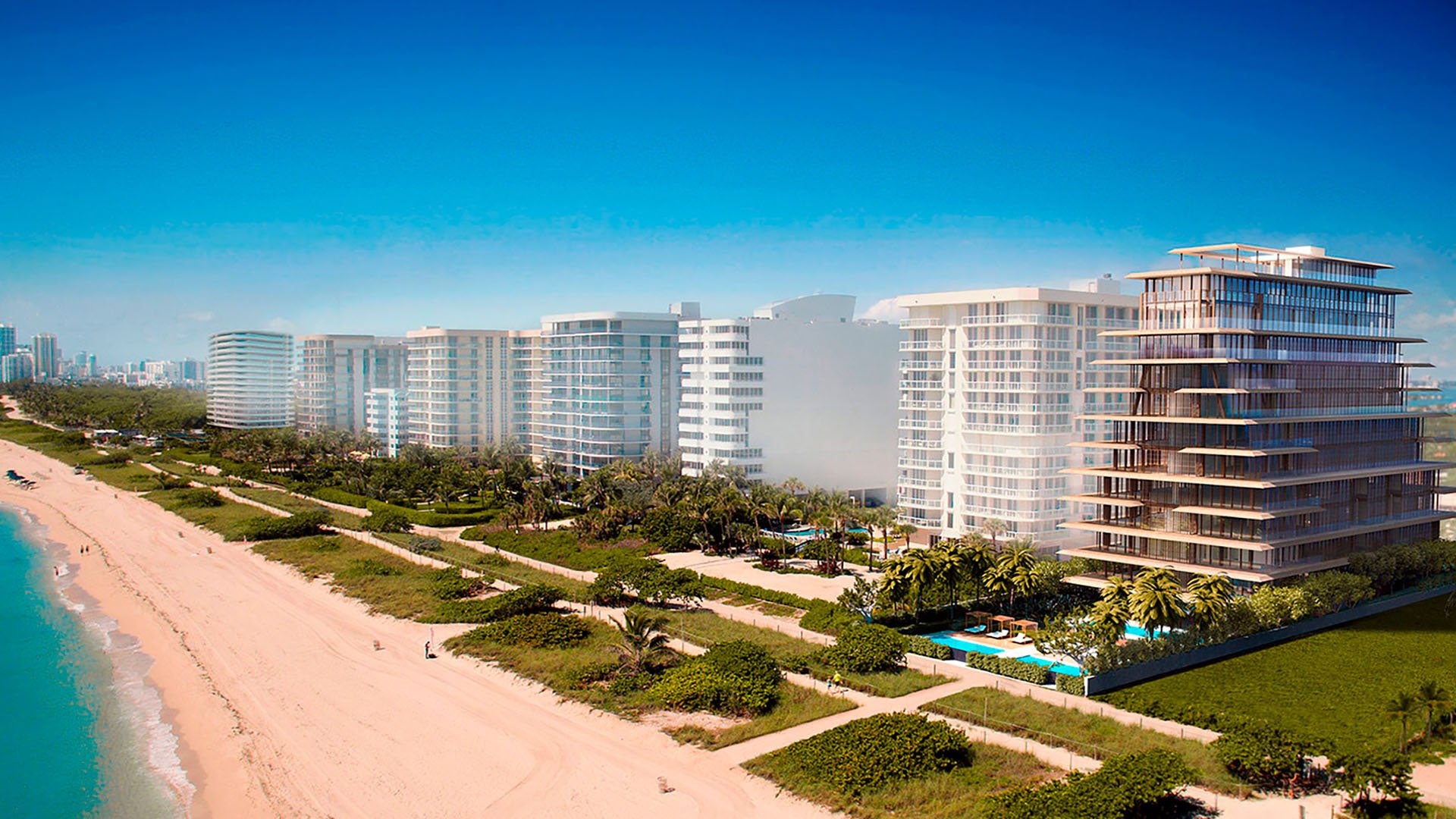
For a South Florida buyer operating at the top of the market, the comparison between Arte Surfside and Setai Residences Miami Beach is less about choosing an address than identifying the source of a property’s identity. One residence is framed by art, architecture, and a composed residential environment. The other is shaped by the cultural gravity of a hotel name, a service rhythm, and a lifestyle already associated with Miami Beach luxury.
That distinction matters because ultra-prime buyers are not simply purchasing square footage. They are choosing a daily operating system. Arte Surfside speaks to the collector who wants a building to feel authored, quiet, and visually intentional. Setai Residences Miami Beach speaks to the owner who values the aura of a hospitality legend, where residential life is informed by service, atmosphere, and the established Setai lifestyle.
Neither concept is inherently superior. The more useful question is which form of luxury will still feel natural after the first season of ownership.
Arte Surfside is the Surfside property in this comparison, and its identity is anchored in art as a residential language. The name itself places “Arte” at the center, signaling that visual culture, contemporary aesthetics, and architectural authorship are not decorative afterthoughts. They are part of how the property is meant to be understood.
For buyers who respond to design permanence, this matters. A design-led residence tends to attract an owner who wants privacy, proportion, and a building that can stand apart without leaning on a hotel brand. The appeal is not necessarily theatrical. It is often quieter, more intellectual, and more personal.
Surfside reinforces that reading. The town carries a residential character distinct from the hotel-residential energy of Miami Beach. Within that setting, Arte Surfside is positioned as a more purely residential concept, where ownership is less about entering a known hospitality universe and more about inhabiting a curated architectural environment.
The same buyer may also study nearby Surfside references such as Eighty Seven Park Surfside or The Surf Club Four Seasons Surfside, but Arte’s specific proposition remains tied to art-forward authorship rather than hotel-led recognition.
Setai Residences Miami Beach occupies a different emotional register. It is the Miami Beach property in this comparison and is tied to the broader Setai luxury hospitality identity. Its residential appeal is therefore not framed as a standalone condominium idea alone. It is shaped by the Setai name, hotel-style service, lifestyle curation, and the brand memory that surrounds the property.
That can be powerful for certain buyers. A branded hotel-residence environment offers a legible promise: service culture, social energy, and a resort-informed way of living. For an owner who values ease, arrival, and the feeling of being absorbed into an established luxury world, this can outweigh the quieter prestige of architectural authorship.
Setai Residences Miami Beach is associated with the Mid-Beach hotel-residential context, where ownership and resort-style services naturally overlap. That positioning makes the residence more brand-authored than architect-authored. The Setai lifestyle concept becomes the organizing force, shaping the way residents and guests perceive the address.
Buyers considering this lane may also look at other Miami Beach residences with strong lifestyle narratives, including The Perigon Miami Beach, but Setai’s distinction lies in the legacy of its hospitality identity.
Location is not merely geography here. It changes the meaning of ownership.
Surfside appeals to buyers who want proximity to Miami’s coastal luxury corridor without adopting the full rhythm of Miami Beach. It is residential, restrained, and privacy-oriented. For an owner-user who thinks in terms of long-term livability, Surfside can feel like a quieter frame for Oceanfront life.
Mid-Beach, by contrast, is more fluent in the language of hotel culture. It suits buyers who enjoy the intersection of residence and resort, where amenities, service, and social atmosphere can be part of the everyday experience. Setai Residences Miami Beach belongs naturally to that world.
This is why a tour should not focus only on finishes or views. It should test pace. Does the buyer want to retreat into a private architectural object, or belong to a serviced environment with a recognizable lifestyle code? That answer will often decide the comparison before any spreadsheet does.
For collectors of real estate, identity can be a form of value. In Arte Surfside, identity is linked to visual distinction and architectural authorship. If the building’s design language continues to feel relevant, its appeal may remain tied to scarcity of concept and the privacy of its residential setting.
In Setai Residences Miami Beach, identity is linked to hospitality legacy. Brand memory can help a residence remain instantly understandable to global buyers who already know what the Setai name implies. That recognition can be useful, especially for owners who prioritize lifestyle, service, and the confidence of an established luxury environment.
The risk profiles differ. A design-led residence depends on the continued appreciation of architecture and setting. A hotel-influenced residence depends on the continued strength of the brand experience and service culture. The best buyer will ask which value system feels more durable to them personally.
Current availability, pricing, and individual residence condition should always be evaluated at the moment of inquiry. At this tier, two units in the same building can produce very different outcomes depending on exposure, floor height, interior execution, and ownership history.
Arte Surfside is likely to resonate with the owner who wants privacy first, brand second. This buyer may collect art, prefer discretion, and see architecture as a lasting expression of taste. They are less concerned with the performative aspects of hotel living and more interested in a residence that feels deliberate and composed.
Setai Residences Miami Beach is better aligned with the owner who values service as part of the property’s core identity. This buyer may be seasonal, international, or simply drawn to the ease of a hospitality-informed lifestyle. They want the residence to feel connected to a larger experience, not isolated from it.
Both are luxury choices. The sharper distinction is whether the buyer wants the home to be authored by design or animated by hotel legend.
Is Arte Surfside more residential than Setai Residences Miami Beach? Yes. Arte Surfside is framed as a more purely residential concept with an art-forward design identity.
Is Setai Residences Miami Beach considered hospitality-influenced? Yes. Its identity is shaped by hotel-style service, lifestyle curation, and the Setai brand legacy.
Which property is better for privacy-focused buyers? Arte Surfside is positioned toward buyers who prioritize privacy, design permanence, and a Surfside setting.
Which property is better for service-focused buyers? Setai Residences Miami Beach is better suited to buyers who value branded hotel-style living and resort rhythms.
Is this comparison really about Surfside versus Miami Beach? Partly. Surfside supports a quieter residential mood, while Mid-Beach supports hotel-residential energy.
Does Arte Surfside rely on a hotel brand? No. Its appeal is framed around art, architecture, visual design, and a curated residential environment.
Does Setai Residences Miami Beach rely more on brand identity? Yes. The Setai lifestyle concept is the main organizing force in its residential appeal.
Should investors choose one clear winner? Not without defining the buyer profile. Design-focused and service-focused buyers may value different things.
Are Oceanfront residences evaluated only by views? No. Views matter, but identity, privacy, service model, and long-term livability are equally important.
How should a buyer compare individual residences? Review availability, pricing, exposure, condition, and lifestyle fit at the time of inquiry.
If you'd like a private walkthrough and a curated shortlist, connect with MILLION.
If branded residences are on your mind — as a home or as an allocation — we would be glad to share what we are seeing, privately.
Begin a quiet conversation