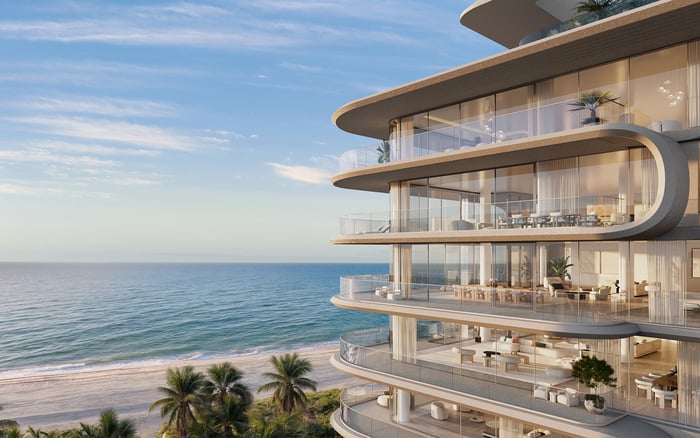
A refined buyer’s guide to assessing Surfside’s coastal lifestyle through the lens of service, maintenance, building operations, outdoor exposure, privacy, pets, parking, and long-term ownership ease.
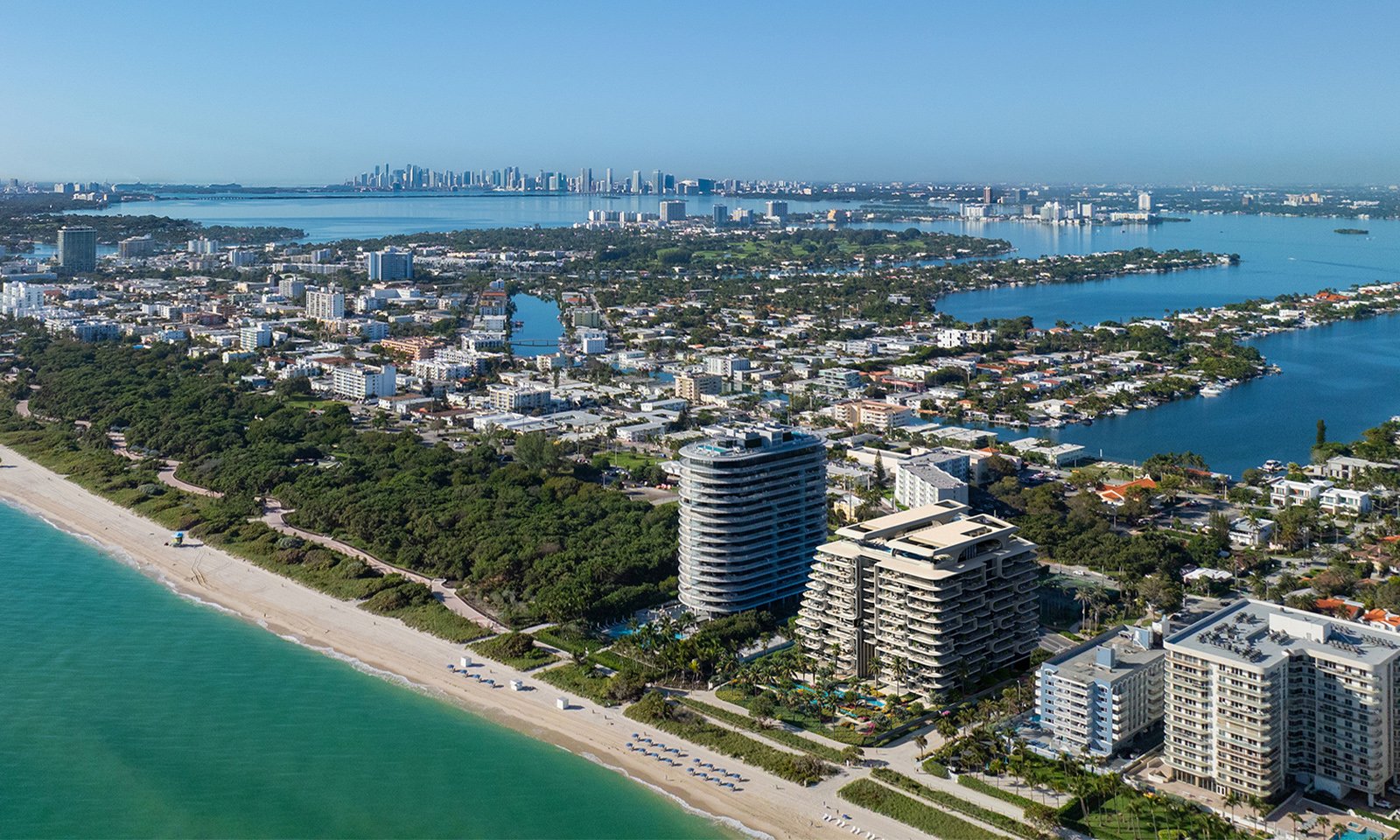
Buying in Surfside is rarely about square footage alone. For many high-net-worth buyers, the sharper question is whether a property can deliver a coastal rhythm without creating a second household to manage. The appeal is immediate: sea air, terraces, sunlight, privacy, and a quieter residential cadence. The decision becomes more nuanced as those pleasures are weighed against maintenance, exposure, association rules, staffing, storage, insurance, and daily logistics.
A simpler-maintenance coastal lifestyle is not the same as a maintenance-free lifestyle. It is a choice to place more responsibility with a building, association, manager, or service team. When the structure is well run, that can feel immensely elegant. When it is not, a beautiful lobby does not translate into a frictionless ownership experience.
In Surfside, approach the search as a lifestyle audit. Consider how often you will be in residence, whether the home is for seasonal use or full-time living, how many guests you expect, whether you travel with staff, and how much privacy you require. A residence that feels perfect during a weekend showing may perform differently across a full season of arrivals, deliveries, beach days, dinners, family visits, and vendor appointments.
The first step is precision. Simpler maintenance may mean no private pool to oversee, no exterior landscaping decisions, no roof or façade responsibility at the individual-owner level, and fewer direct vendor relationships. For another buyer, it may mean a lock-and-leave residence with strong front desk procedures, predictable package handling, clear guest access, and dependable building communication.
This is where a condominium or managed residential setting can be compelling. Projects such as The Delmore Surfside invite a buyer to think less about private-house upkeep and more about the quality of the shared operating environment. The right evaluation is not simply whether the building is beautiful. It is whether its service model matches the way you intend to live.
Ask how maintenance requests are submitted, who triages them, how urgent matters are handled, and what responsibilities remain with the owner. Review how the building treats terraces, windows, mechanical systems, parking areas, elevators, storage, and common spaces. A discreet luxury building should make ownership feel calm, but that calm is created by process.
A coastal residence can be visually seductive, but exposure deserves sober attention. Outdoor space, glazing, railings, finishes, doors, and mechanical equipment all interact with a marine environment. Before purchasing, understand which elements are maintained by the association and which remain your responsibility.
This does not mean avoiding an Oceanfront residence. It means underwriting the view with maturity. A buyer considering Ocean House Surfside, for example, should compare the pleasure of immediate coastal living with the practicalities of terrace care, furniture selection, hurricane preparations, and seasonal absence. The goal is not to diminish the romance of the ocean. The goal is to preserve it by planning for the realities that come with it.
Also evaluate how you use outdoor space. Some buyers want expansive entertaining areas. Others prefer a more protected balcony that can be enjoyed with less attention. The right answer depends on your tolerance for upkeep, your staffing structure, and whether the residence will sit vacant for long stretches.
A coastal lifestyle becomes simpler when daily movement is intuitive. Study how you enter the property, where guests are received, how service providers arrive, how beach items are stored, and how children, relatives, or staff circulate through the building. Even the most polished homes can become inconvenient when access patterns do not align with real life.
Use labels such as Oceanfront, Beach-access, Boutique, and Pets only as starting points. They are useful search shorthand, but they do not replace due diligence. A Boutique building may offer intimacy and discretion, while a larger service environment may offer broader staffing coverage. A building that permits Pets may still have rules affecting elevators, common areas, grooming logistics, or visiting family members with animals.
When touring Arte Surfside, or any comparable coastal address, pay attention to the moments between the front door and the water, between the garage and the residence, and between the elevator and the service areas. Luxury is often revealed in these transitions. If they feel effortless, the lifestyle will likely feel easier. If they feel improvised, the property may require more active management than expected.
A polished sales presentation cannot replace a careful review of association documents, rules, budgets, insurance materials, reserve practices, alteration policies, leasing restrictions, pet policies, parking rights, storage rights, and vendor procedures. Buyers seeking low-maintenance living should be especially attentive to what the association does and does not cover.
Ask whether private renovations require board approval, what hours vendors may work, how deliveries are scheduled, and whether there are preferred procedures for furniture installation, window treatments, terrace furnishings, and smart-home upgrades. These details are not glamorous, but they determine whether ownership feels graceful after closing.
At Eighty Seven Park Surfside, as with any design-forward coastal residence, the buyer should evaluate how architectural ambition is supported by ongoing governance and maintenance standards. The more refined the environment, the more important it is to understand the rules that preserve that refinement.
Service is not merely about courtesy. In a coastal purchase, it is part of risk control. A capable building team can help coordinate access, monitor issues, communicate policies, and keep the property experience orderly when the owner is away. Weak communication, by contrast, can turn even minor matters into recurring irritations.
During due diligence, ask practical questions. Who is present on site? How are after-hours issues handled? What is the protocol for water intrusion, elevator outages, access control, deliveries, and guest registration? How does management communicate with owners who are traveling? How often are common areas inspected? How are vendors vetted?
Buyers comparing a private home with a managed residence should be honest about their appetite for decision-making. A single-family home offers autonomy, but also direct responsibility. A condominium offers shared standards, but also shared rules. Simpler maintenance usually means accepting a governance structure in exchange for reduced personal oversight.
Even if you intend to hold the property for years, future buyers will ask the same questions you are asking now. Is the residence easy to arrive at, easy to close up, easy to insure, easy to furnish, easy to maintain, and easy to enjoy? Does the building feel cared for? Are common areas consistent with the private residences? Do the rules protect value without feeling burdensome?
A Surfside residence that pairs coastal atmosphere with operational clarity will often feel more livable than one that relies only on drama. The strongest purchase is the one where beauty and management reinforce each other. When that alignment is present, the owner can enjoy the coast without constantly administering it.
Before signing, conduct one final lifestyle rehearsal. Imagine arriving late, hosting guests, leaving for several weeks, sending a vendor, storing beach equipment, bringing a pet, and preparing the terrace before a storm. If the answers feel clear, the property is closer to the simpler coastal life you set out to buy.
What is the first thing a Surfside buyer should evaluate? Start with how the residence will be used: full-time, seasonal, or occasional. That determines the level of service and maintenance support you need.
Is a condominium always simpler than a single-family home? Not always. A condominium can reduce direct upkeep, but it also introduces association rules, shared costs, and governance procedures.
Why does coastal exposure matter before purchase? Coastal settings can affect exterior elements, terrace furnishings, and maintenance expectations. Buyers should know which responsibilities belong to the owner.
How important are building rules? They are central to the ownership experience. Rules influence renovations, pets, vendors, guests, leasing, parking, storage, and daily convenience.
Should buyers prioritize amenities or service? Service often matters more over time. Amenities impress during a tour, but consistent management shapes everyday ease.
What should pet owners review? Pet owners should review size rules, elevator procedures, common-area policies, and any restrictions affecting guests who bring animals.
How should seasonal buyers think about maintenance? Seasonal buyers should focus on access control, communication, inspections, vendor coordination, and how issues are handled while they are away.
Does beach access guarantee convenience? No. Buyers should study storage, rinsing areas, elevator routes, guest access, and how beach items move through the property.
What documents deserve special attention? Review association rules, budgets, reserves, insurance materials, alteration policies, parking rights, storage rights, and leasing restrictions.
What is the best sign of a low-friction coastal residence? The best sign is operational clarity. When arrivals, vendors, guests, pets, maintenance, and departures are well organized, ownership feels easier.
When you're ready to tour or underwrite the options, connect with MILLION.
If branded residences are on your mind — as a home or as an allocation — we would be glad to share what we are seeing, privately.
Begin a quiet conversation