A discreet buyer’s guide for Mexico City principals considering South Florida, focused on choosing homes that simplify staffing, access, service, privacy, and everyday ownership.
For a Mexico City buyer evaluating South Florida, the most elegant home is not always the one with the most dramatic arrival. It is the one that reduces decisions, handoffs, delays, and the small frictions that compound over time. Lower operational friction means the residence works with your life, rather than requiring your life to reorganize around the residence.
That lens changes the search. A waterfront address may be beautiful, but the more important question is whether the building, staff, access points, parking, storage, guest protocols, pet rules, delivery flow, and maintenance rhythm fit how the household actually lives. A second home that requires constant coordination can feel less like a retreat and more like another operating company.
This buyer’s guide approach is especially useful for families moving between Mexico City and South Florida. Instead of asking only where to buy, ask how the property will behave when the owner is away, when guests arrive, when staff need access, when a driver waits, when packages accumulate, and when a last-minute weekend becomes a full house.
Surfside has a particular appeal for buyers who want a quieter rhythm without sacrificing proximity to Miami Beach, Bal Harbour, and the broader coastal corridor. The draw is not only oceanfront living. It is the possibility of a more composed daily routine: fewer unnecessary transitions, a calmer sense of arrival, and an address that can feel residential even when the household is highly mobile.
A buyer considering The Delmore Surfside should evaluate more than design language or finish level. Ask how arrivals are handled, how private the approach feels, whether service movement is discreet, and how easily family members or trusted staff can manage the residence when the principal is abroad.
The same discipline applies at Ocean House Surfside. The project name may place it within a coveted coastal context, but the true ownership question is operational: does the building support a household that may be in residence intermittently, entertain selectively, and expect privacy without theatrical excess?
Miami Beach can be compelling for buyers who want restaurants, culture, beach access, and an internationally legible address. It can also introduce more complexity than some owners anticipate. The more active the setting, the more carefully one should study arrival sequence, parking, guest registration, service elevators, security culture, and noise exposure within the specific building.
For some buyers, Miami Beach is the right answer precisely because it concentrates lifestyle advantages in one area. For others, it is a place to enjoy without making it the operational center of the household. The distinction matters. A home that is ideal for a week of entertaining may not be right for a family member staying alone, an assistant coordinating vendors, or a household that values predictable quiet over social proximity.
When reviewing The Perigon Miami Beach, focus on how the residence would perform through ordinary routines, not just celebratory ones. Does the layout support guests without compromising privacy? Can service happen without crossing the main living spaces? Are terraces and common areas aligned with how the family actually uses outdoor time?
Brickell is often attractive to buyers who want a more urban pattern: business meetings, dining, wellness, banking, and social life close at hand. That convenience can reduce friction dramatically, but only when the building itself is well matched to the owner’s habits. In a dense urban setting, the difference between ease and irritation often lives in the details.
At 2200 Brickell, a buyer should frame the visit around practical choreography. How does a guest arrive? How does a driver circulate? Where does a family member park? How do deliveries reach the residence? What happens when several needs collide at once: luggage, groceries, guests, maintenance, and a tight dinner reservation?
Brickell works best for owners who value immediacy and are comfortable with an urban pulse. It may be less ideal for those seeking a retreat where the exterior world recedes completely. The point is not that one model is superior. The point is that operational friction appears when the location promises one lifestyle while the household requires another.
Coconut Grove often enters the conversation when buyers want a more relaxed residential sensibility while remaining connected to Miami’s core. The area can suit families who prefer tree-lined calm, village-like routines, and a less vertical emotional tempo. For a Mexico City buyer used to sophisticated urban life, the appeal may be the ability to decompress without feeling disconnected.
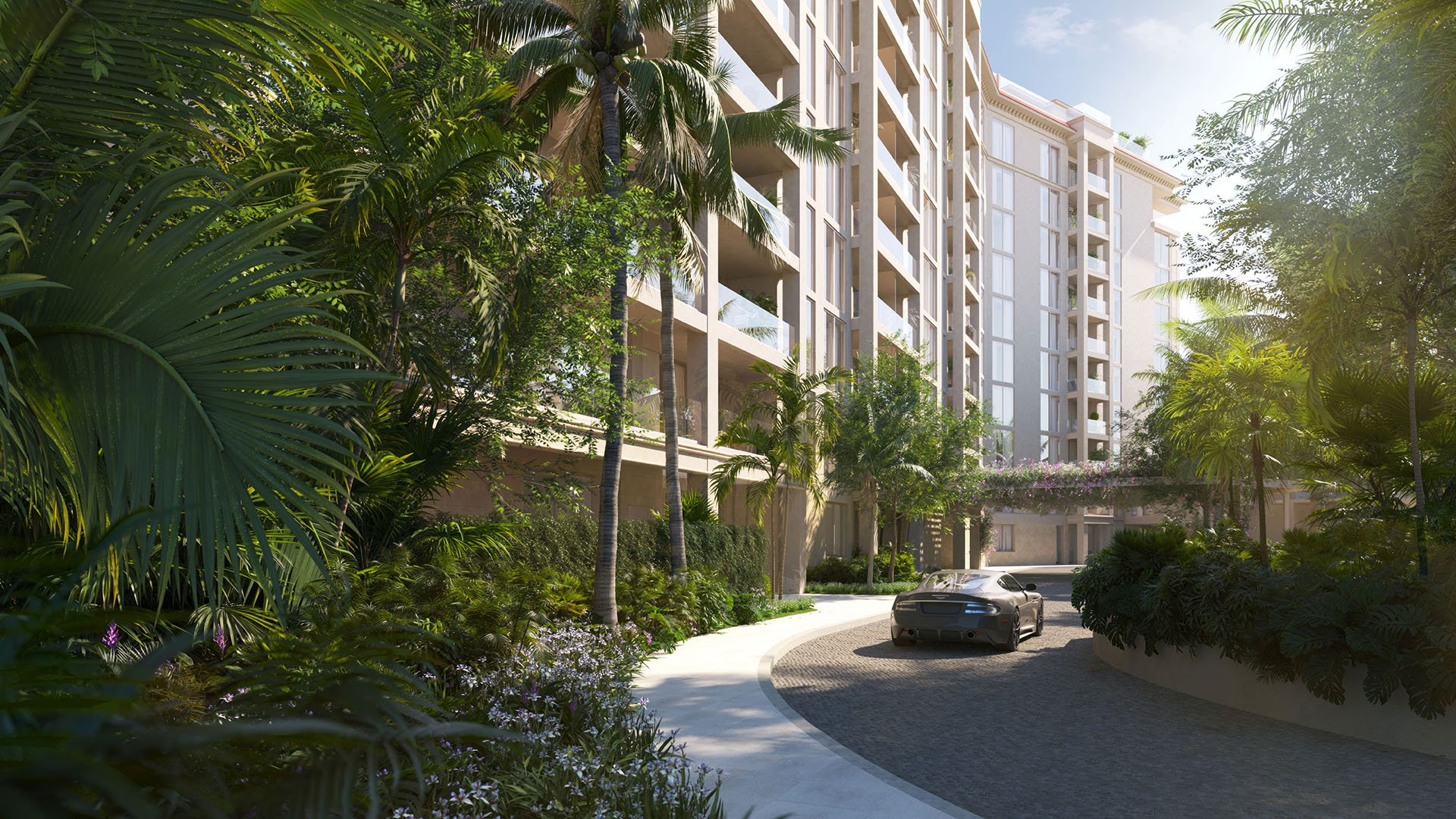
A project such as Four Seasons Residences Coconut Grove should be reviewed through the lens of household continuity. Does the building feel intuitive for children, older relatives, guests, and staff? Is the route from car to residence comfortable and discreet? Can the home support both quiet weekdays and fuller seasonal stays?
Coconut Grove is not simply a softer alternative to Brickell. It is a different operating philosophy. The buyer who chooses it is often choosing fewer transitions, more residential texture, and a daily cadence that makes ownership feel less performative.
Before committing to any South Florida residence, define the home’s true use case. Is it a seasonal base, a school-year residence, a weekend retreat, a family compound in the sky, or a long-term relocation platform? Each answer produces a different version of “easy.”
Then test the building against five practical dimensions. First, access: how people enter, leave, park, and wait. Second, service: how maintenance, deliveries, housekeeping, and vendors are managed. Third, privacy: whether the building culture protects discretion or invites exposure. Fourth, flexibility: how well the home handles changing family composition, guests, and remote ownership. Fifth, governance: whether the ownership rules align with the buyer’s plans.
The lowest-friction purchase is rarely accidental. It comes from asking direct questions early, walking the path from arrival to residence slowly, and imagining the home on an ordinary Tuesday rather than during a staged tour.
For high-net-worth buyers, luxury is often measured by what does not need to be discussed. The best home does not require constant explanation. The car is expected. The guest is handled. The service provider knows where to go. The family arrives without confusion. The principal leaves without a checklist of unresolved tasks.
That is the real bridge from Mexico City to Surfside, Brickell, Miami Beach, Coconut Grove, or any other South Florida address. The question is not simply which skyline, shoreline, or neighborhood is most desirable. It is which residence absorbs complexity with the least visible effort.
What does lower operational friction mean for a South Florida home? It means the residence is easy to manage, access, service, and enjoy whether the owner is present or away.
Is Surfside a good fit for buyers seeking privacy? Surfside can suit buyers who prefer a calmer coastal setting, but the specific building’s access, staff culture, and layout still matter most.
Should a Mexico City buyer prioritize oceanfront property first? Oceanfront living may be desirable, but the better starting point is how the home will operate for the household’s real routine.
Why might Brickell reduce friction for some owners? Brickell can place daily conveniences close together, which may simplify an urban lifestyle when the building is well organized.
When is Miami Beach the right choice? Miami Beach works best when the buyer wants energy, beach access, and social proximity, and accepts the operational planning that can come with them.
What should buyers ask about building staff? Ask how arrivals, vendors, packages, guests, maintenance, and owner absences are handled in normal day-to-day practice.
Does Coconut Grove suit family-oriented buyers? Coconut Grove can appeal to households seeking a softer residential rhythm, though each residence should be assessed individually.
Are branded residences automatically lower friction? Not automatically. A brand may signal service ambition, but buyers still need to examine rules, staffing, access, and governance.
How important are ownership rules? Very important, because rules on guests, rentals, pets, vendors, and renovations can shape the true ease of ownership.
What is the best way to shortlist comparable options for touring? Start with location fit, delivery status, and daily lifestyle priorities, then compare stacks and elevations to validate views and privacy.
For a discreet conversation and a curated building-by-building shortlist, connect with MILLION.
If branded residences are on your mind — as a home or as an allocation — we would be glad to share what we are seeing, privately.
Begin a quiet conversation