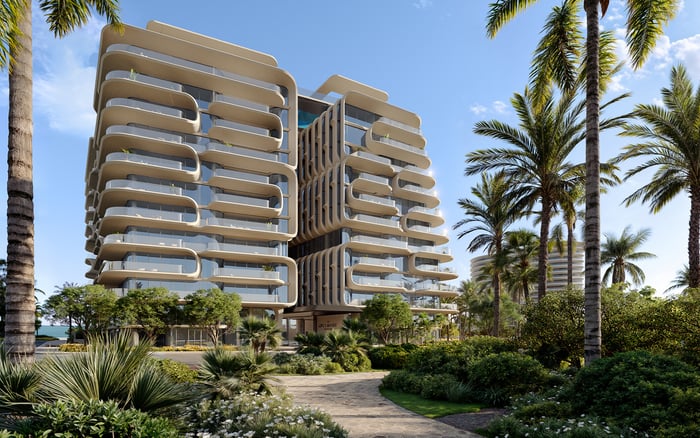
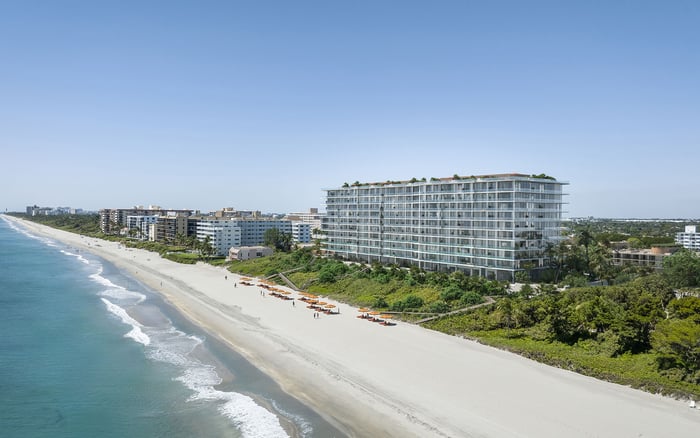
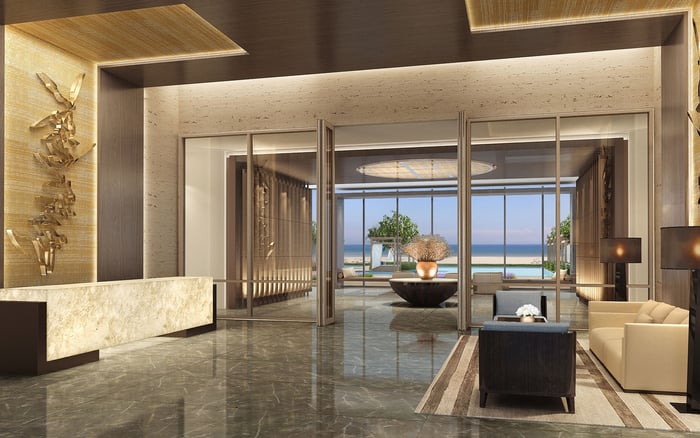
A buyer-focused look at The Delmore Surfside and the real lock-and-leave question: whether regional access enhances ownership without compromising the quiet appeal of Surfside.
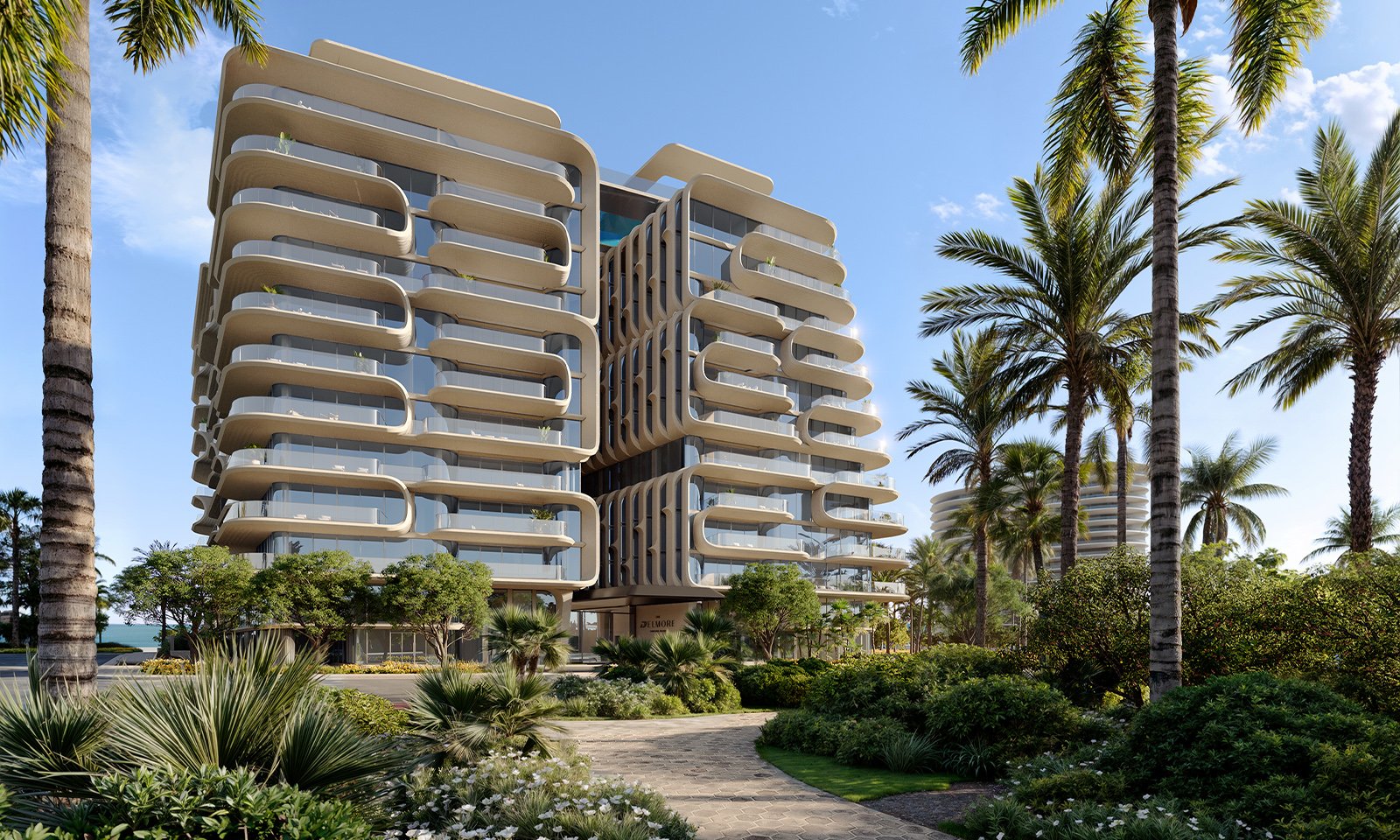
The Delmore Surfside occupies a category where convenience is never judged by distance alone. For the ultra-premium buyer, the more revealing question is not simply whether regional mobility is nearby, but whether it can be folded into ownership without diluting the sense of retreat. Brightline proximity may add a practical layer, yet the stronger test is how gracefully a residence supports an owner who arrives, settles in, departs, and expects everything to remain composed in between.
That is the essence of the lock-and-leave equation. It is not a casual phrase for occasional use. In the luxury market, it describes trust. It asks whether a home can retain its character as a sanctuary when the owner is elsewhere, and whether each return feels seamless rather than administrative.
Surfside has long appealed to buyers who want a more measured rhythm than larger urban centers. The draw is not only coastal living, but the ability to stay close to Miami’s energy while preserving a quieter daily experience. That duality is central to The Delmore Surfside. A buyer considering this address is often weighing privacy, ease, and discretion as carefully as architecture or views.
For a second-home owner, lock-and-leave performance is practical luxury. The home must be ready on short notice, simple to secure, and supported by services that reduce friction. The best version of this lifestyle does not feel automated or impersonal. It feels calm. The residence is prepared, the arrival is intuitive, and the owner is not required to manage the property from afar with constant attention.
Brightline proximity becomes meaningful when it expands the owner’s range without making the residence feel transient. For some buyers, regional rail access may support quick business travel, family movement, cultural weekends, or easier connections across South Florida. For others, it may remain secondary to the privacy and coastal character of Surfside.
The key is fit. A buyer should ask how often regional access will realistically shape the ownership pattern. If the residence is used primarily for long seasonal stays, proximity may be a convenience rather than a deciding factor. If the owner expects frequent short visits, same-week arrivals, or a more fluid relationship between South Florida markets, the value of access becomes more visible.
In that sense, Brightline is not the headline by itself. It is one component of a larger ownership system. The residence, building operations, transportation rhythm, and neighborhood setting must all work together.
Oceanfront real estate asks for a particular discipline from buyers. The emotional pull is obvious, but the practical questions are more refined. How private does the arrival feel? How protected is the daily experience from surrounding movement? How easily can owners shift between beach life, dining, travel, and quiet time without feeling overexposed?
This is where boutique sensibility matters. Larger buildings can offer scale, while more intimate settings can offer a different kind of discretion. The lock-and-leave buyer should consider how the building’s size, service philosophy, and circulation patterns support privacy. A luxury residence that is easy to leave should also be deeply satisfying to return to.
At The Delmore Surfside, the central appeal is framed by that balance: coastal presence with a level of convenience that does not need to announce itself. The best lock-and-leave homes do not feel built around absence. They feel built around confidence.
New-construction buyers should resist reducing the decision to a single amenity or access point. The more durable analysis is experiential. Picture a Friday arrival after a week elsewhere. Is the transition smooth? Does the location reduce effort? Does the home immediately feel private? Can the owner move through the weekend without logistical clutter?
Then picture departure. Is the residence easy to secure? Are services aligned with an owner who may not be present full time? Is there a sense that the property is being cared for at a level consistent with its price point? These questions often separate a beautiful residence from a truly functional second-home asset.
For buyers comparing Surfside with Bal Harbour, Miami Beach, or other coastal enclaves, the distinction may come down to temperament. Surfside often reads as quieter and more residential in spirit. That can be a powerful advantage for owners who want proximity without constant intensity.
The lock-and-leave profile also has an investment dimension, though it should be viewed with restraint. Homes that serve part-time owners well tend to benefit from clarity of purpose. They appeal to buyers who value ease, security, and a low-friction ownership experience. Still, no single access factor should be treated as a guarantee of future performance.
The stronger position is to evaluate The Delmore Surfside as a lifestyle asset first. If Brightline proximity supports the way an owner actually moves through South Florida, it may reinforce the case. If the buyer’s priority is simply a serene coastal base, the project must still stand on privacy, service, design, and setting.
That is the refined answer to the lock-and-leave question. Convenience matters, but only when it remains subordinate to the luxury of arriving home.
Is The Delmore Surfside primarily a second-home consideration? It can be considered through a second-home lens because lock-and-leave ease is central to many Surfside buyers, but the fit depends on each owner’s use pattern.
Does Brightline proximity automatically increase the appeal? Not automatically. It matters most when regional movement is part of the buyer’s actual lifestyle.
Why is Surfside relevant for lock-and-leave buyers? Surfside offers a quieter coastal setting that can suit owners who want access without losing a residential sense of calm.
What should buyers evaluate first? Buyers should begin with privacy, service quality, arrival experience, and how easily the residence can be managed during absences.
Is oceanfront positioning enough by itself? Oceanfront appeal is powerful, but long-term satisfaction depends on the full ownership experience, not only the view or shoreline setting.
How does boutique scale affect ownership? Boutique environments can support discretion and familiarity, which may be valuable for owners who prioritize privacy.
Should new-construction buyers focus on amenities? Amenities matter, but the more important question is whether the building supports effortless daily living and departure.
Is The Delmore Surfside comparable to Bal Harbour property? Buyers may compare both areas, but Surfside often presents a different residential rhythm and should be judged on its own character.
What is the biggest lock-and-leave risk? The main risk is confusing convenience with completeness. A true lock-and-leave home must feel secure, serviced, and serene.
Who is the ideal buyer for this conversation? The ideal buyer values coastal privacy, occasional or seasonal use, and regional access that supports rather than defines the lifestyle.
For a confidential assessment and a building-by-building shortlist, connect with MILLION.
If branded residences are on your mind — as a home or as an allocation — we would be glad to share what we are seeing, privately.
Begin a quiet conversation