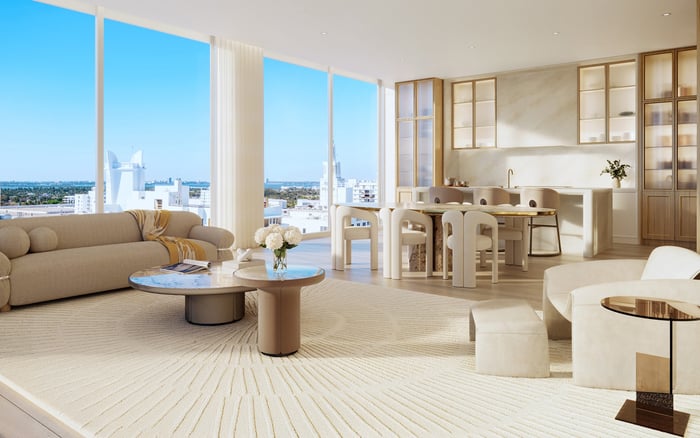
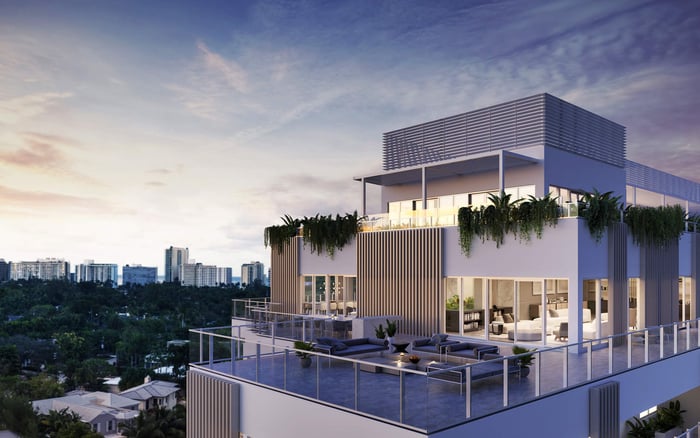
A discreet buyer’s checklist for evaluating school-zone traffic risk, daily access, chauffeur logistics, and resale considerations at The Ritz-Carlton Residences® South Beach in 2026.
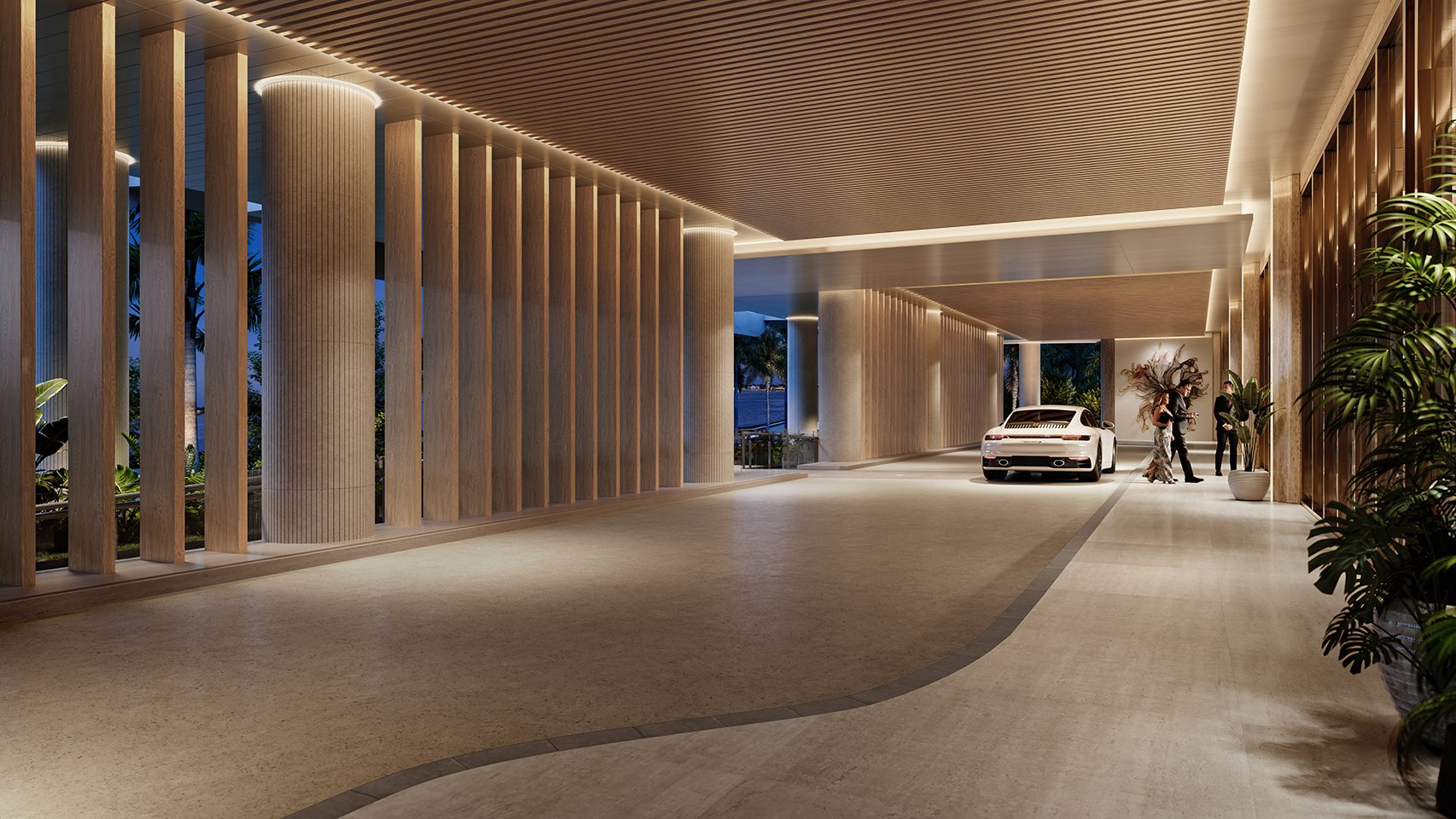
For buyers considering The Ritz-Carlton Residences® South Beach, the school-zone traffic question is not simply about morning congestion. It is about the precision of daily life: how a driver approaches the residence, how a family times departures, how a guest is received, and how predictably the address performs when South Beach is operating at full volume.
In 2026, sophisticated residential due diligence should treat school-zone traffic as part of the same lifestyle audit as views, service culture, privacy, wellness, and parking. Even buyers without school-age children should care. A nearby school pattern can influence curb rhythm, service-vehicle timing, rideshare wait times, and the way a residence feels during the first and last hours of the school day.
This is especially relevant in Miami Beach, where beach access, hospitality demand, local errands, and event calendars can overlap with weekday routines. The inquiry sits at the intersection of Miami Beach, South of Fifth, SoFi, private-school, and The Ritz-Carlton Residences® South Beach considerations.
The most useful traffic diligence is experiential. A polished sales presentation cannot replace a weekday arrival at the exact time your household will actually move. Buyers should schedule at least three separate drives: one during a typical school drop-off window, one during afternoon pickup, and one during an ordinary evening return.
The key is not total drive time alone. Observe whether turns feel intuitive, whether queues form at predictable points, whether navigation apps route through quieter residential streets, and whether the final approach preserves the sense of calm expected at a branded luxury address. If a chauffeur, nanny, house manager, or security driver will be part of the household, they should perform the test as well.
Buyers comparing South Beach options may also benchmark the arrival experience against established nearby luxury addresses such as Continuum on South Beach or newer Miami Beach offerings like Five Park Miami Beach. The goal is not to declare one traffic pattern superior in the abstract, but to understand which rhythm best matches the buyer’s actual life.
School-zone traffic diligence should be addressed before contract deadlines harden. A buyer should ask how the building plans to manage peak-hour arrivals, whether valet circulation is designed for overlapping resident and guest demand, and how service vehicles are separated, timed, or staged when possible. If the residence will be used seasonally, ask how access protocols differ when the household is absent for long periods.
For families, the question becomes more personal. Which school commute is realistic without turning each morning into a negotiation with the clock? How will sports, tutoring, airport runs, and household staff schedules interact with the same route? Private-school decisions can change over time, so the diligence should focus on flexibility rather than a single current commute.
For investors and second-home buyers, the issue is equally practical. A future purchaser may have different school needs, and a rental occupant, where permitted by building rules, may judge the residence by how easily daily life functions. Traffic is rarely the headline feature, but it often becomes a decisive comfort factor.
At the ultra-premium level, the last 200 feet can matter as much as the last 20 minutes. A building can be located in a desirable district and still feel compromised if curb choreography is not elegant. Buyers should study how vehicles enter, where a guest pauses, how a child can be collected, and whether staff can assist without exposing the household to unnecessary visibility.
This is where luxury residences distinguish themselves through operational discipline. It is not enough to have valet service. The better question is how valet service behaves under pressure. Does the arrival experience remain composed when several residents return at once? Is there a plan for deliveries, rideshare pickups, and private drivers? Are there clear expectations for vendors and household employees?
Nearby branded and design-led properties, including The Ritz-Carlton Residences® Miami Beach and Shore Club Private Collections Miami Beach, illustrate why arrival experience has become central to Miami Beach luxury analysis. The residence is no longer judged only inside the front door.
A serious buyer should create a simple household traffic map before closing. Mark the primary school route, airport route, grocery or pharmacy route, club route, beach route, and emergency alternative. Then ask a practical question: if one street is delayed, does the household still have a dignified second option?
The map should also account for recurring people, not just places. A tutor, trainer, chef, housekeeper, dog walker, or nurse may arrive during the same windows that schools are active. If a household depends on reliable staff scheduling, even small delays can ripple through the day.
Buyers should also consider technology discipline. Navigation apps can over-optimize for speed while sending drivers through streets that feel less gracious or more exposed. A preferred route may be a few minutes longer yet more consistent, safer, and better aligned with the tone of the household.
Traffic diligence becomes part of the resale story because luxury buyers increasingly evaluate time as an amenity. A residence that feels effortless during peak weekday movement can command deeper emotional confidence. Conversely, a home that requires elaborate workarounds may narrow its audience, even if its design and services are compelling.
This does not mean buyers should avoid school-zone conditions. In many prime neighborhoods, schools, restaurants, beaches, parks, and cultural venues coexist in close proximity. The question is whether the building and the buyer have a plan. A well-understood pattern is manageable; an undiscovered pattern can become a daily irritation.
For The Ritz-Carlton Residences® South Beach, the 2026 checklist should therefore be less about fear and more about precision. The right buyer will want to know when to leave, how to arrive, where staff should stage, and how the residence performs in real life, not only in renderings or appointment windows.
Before waiving contingencies, complete the following review with the same seriousness applied to floor plans and financial terms. Drive the area during school-day peaks. Test more than one approach. Ask about valet sequencing, guest drop-off, service access, and private-driver protocol. Review building rules that may affect pickups, deliveries, and household staff. Speak plainly with your advisor about how often the residence will be used, who will be moving through it, and whether school needs may change.
Finally, separate occasional inconvenience from structural mismatch. South Beach is a dynamic setting, and a certain level of movement is part of its appeal. The luxury question is whether that movement can be managed with discretion, predictability, and grace.
Why does school-zone traffic matter for a luxury South Beach buyer? It can affect daily timing, curb experience, staff coordination, and the overall feeling of ease at the residence.
Should buyers test traffic even if they do not have children? Yes. School patterns can influence valet flow, guest arrivals, rideshare timing, and service access for any household.
How many test drives are enough before contract? At minimum, test morning drop-off, afternoon pickup, and a normal evening return to understand different rhythms.
What should a chauffeur or driver evaluate? They should assess approach routes, waiting areas, turn movements, curb comfort, and backup options during delays.
Can a better route be slower but preferable? Yes. A slightly longer route may offer more consistency, privacy, and composure than the fastest app-directed route.
What building operations questions should buyers ask? Ask about valet sequencing, service access, guest drop-off, delivery timing, and procedures during peak arrival periods.
Is school-zone traffic always a negative for resale? Not necessarily. Buyers often accept active neighborhoods when access patterns are understood and operationally managed.
How should seasonal owners think about traffic? They should test the residence during the periods they actually plan to use it, not only during quiet appointment windows.
Should staff schedules be part of traffic diligence? Yes. Household employees and service providers often move during the same windows that create local traffic pressure.
What is the most important takeaway for 2026 buyers? Treat traffic as a lifestyle system, then confirm that the residence, routes, and household routines work together.
To compare the best-fit options with clarity, connect with MILLION.
If branded residences are on your mind — as a home or as an allocation — we would be glad to share what we are seeing, privately.
Begin a quiet conversation