A practical, design-led guide for families evaluating teen lounges in South Florida luxury buildings, with attention to privacy, supervision, acoustics, programming, and long-term livability.
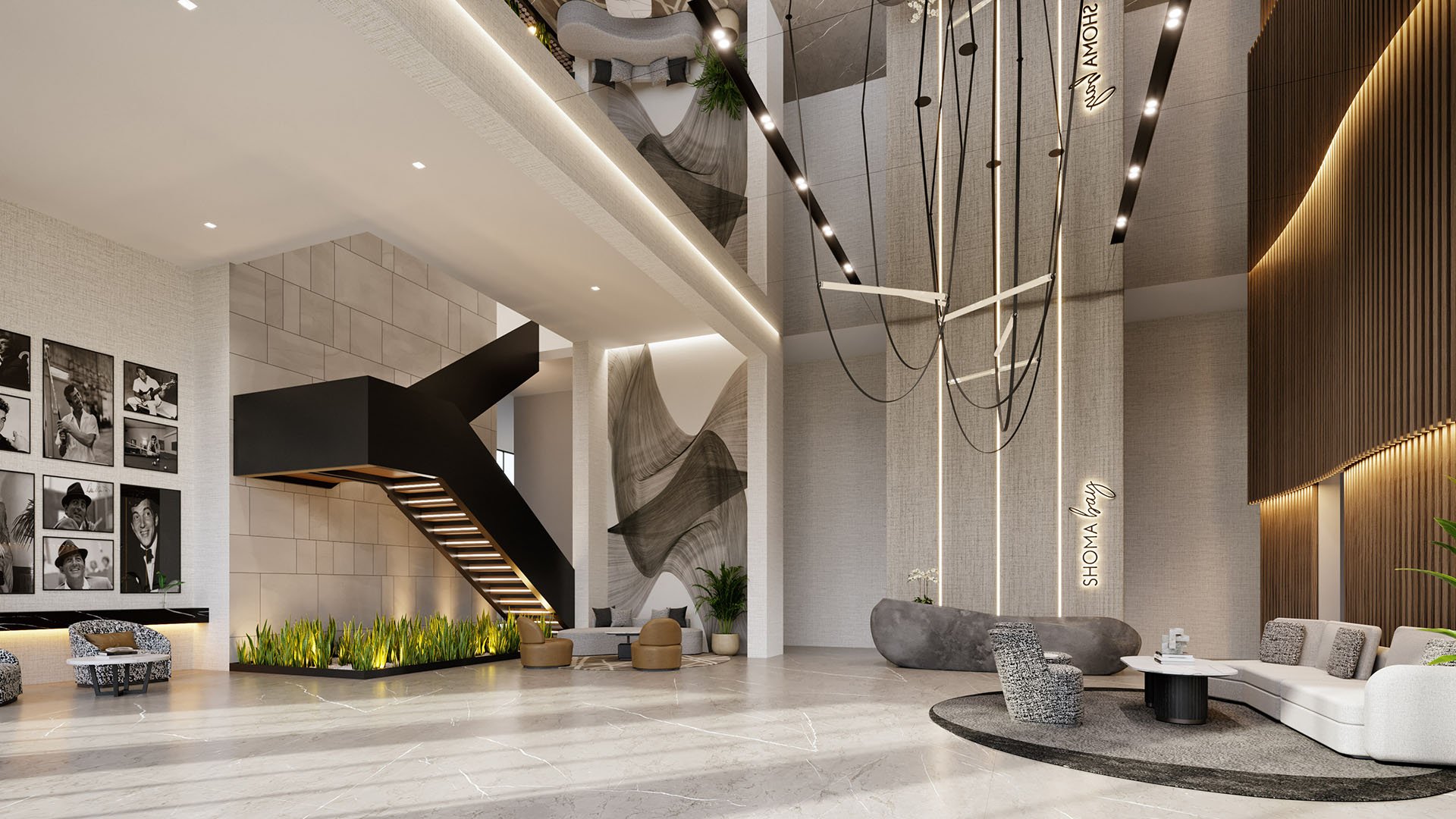
In South Florida luxury buildings, the teen lounge has moved beyond novelty. For families, it can function as a pressure valve between the privacy of the residence and the highly programmed life of the amenity deck. It gives adolescents a place to gather without taking over the main club room, crowding the lobby, or turning the residence into the default social venue every weekend.
The best teen lounges are not simply rooms with a screen, a sofa, and a game console. They are designed around independence with boundaries. Buyers should evaluate them with the same seriousness they would apply to a fitness center, wellness suite, Pool, or children’s room. The question is not whether the building has one. The question is whether it has been planned, governed, and maintained in a way that makes family life feel more effortless.
This matters across Brickell, Aventura, Sunny Isles, and the broader coastal market, where many luxury buyers are balancing school calendars, second-home rhythms, multigenerational visits, and the desire for privacy. A strong teen lounge can make a residence feel larger, calmer, and more complete.
Begin with location. A teen lounge should be accessible enough for older children to use confidently, yet not so exposed that every gathering becomes part of the building’s public theater. Look for a position near other family amenities, a staffed area, or a circulation path that feels visible without feeling surveilled. Hidden rooms at the end of silent corridors may look chic in renderings, but they can be less practical in daily life.
Next, study the layout. Good teen spaces typically allow several activities at once: conversation, gaming, study, casual dining, and quiet scrolling. A single open room can work if the furnishings create zones. If every seat faces one screen, the room may become a narrow entertainment box rather than a true social setting.
Acoustics are essential. Hard floors, glass walls, and low-profile modern furniture can create a beautiful but noisy room. During a tour, clap lightly, speak at a normal volume, and listen for echo. Ask whether acoustic panels, rugs, upholstered seating, or sound-dampening ceilings are part of the final design. A lounge that bleeds noise into adjacent areas will eventually attract complaints and restrictions.
Technology should be robust but discreet. Families should ask about Wi-Fi strength, charging access, screen-sharing capability, and whether gaming equipment is building-owned, resident-provided, or controlled by management. The more clearly these details are handled, the fewer conflicts arise later.
Luxury buyers often want a balance that is difficult to articulate: teenagers should feel trusted, but parents and staff should not be blind. That balance is created through access control, sightlines, and rules rather than heavy-handed monitoring.
Ask how residents enter the lounge. Is access tied to fobs, apps, age permissions, or household profiles? Can younger siblings enter freely, or is the room reserved for a specific age range? Can guests attend without a resident parent in the building? These are not minor questions. They shape the social culture of the amenity.
Visibility is equally important. A glass entry, partial interior glazing, or a nearby staff desk can discourage misuse while preserving autonomy. Full isolation may sound exclusive, but for family living it can be less desirable. The most successful spaces feel relaxed, not abandoned.
It is also worth asking how quiet hours and private events are managed. A teen lounge that can be booked every weekend may not serve residents as a shared amenity. Conversely, a space with no reservation policy can become informal territory for a small group. The strongest buildings establish clarity early.
A teen lounge must be more durable than a formal club room and more refined than a playroom. Buyers should look for performance fabrics, wipeable surfaces, rounded edges where appropriate, layered lighting, and furniture that can be rearranged without damaging floors. Beautiful pieces are valuable only if they can survive regular use.
Avoid judging the room solely by its first impression. A dramatic sectional may photograph well, but it may not support homework, gaming, or group conversation. Tables should be large enough for laptops and snacks. Seating should include both communal and individual options. If the building expects teens to use the space after school, there should be somewhere to plug in devices without stretching cords across the floor.
Finishes should also match South Florida living. Residents may arrive from the beach, the Pool, a Terrace gathering, or an outdoor sports session. Materials that look pristine only under perfect conditions will create maintenance tension. The better question is whether the room can age gracefully.
The physical room is only half of the amenity. The other half is how the building activates it. Some families prefer a lounge that remains open and unprogrammed, allowing teens to shape their own routines. Others value movie nights, study periods, seasonal gatherings, or supervised social events.
Neither model is universally superior. The right answer depends on the household. What matters is transparency. Ask whether programming is occasional, recurring, or resident-led. Ask whether costs are included in association expenses or billed separately. Ask who approves events and whether residents have a voice in future uses.
For families relocating to South Florida, a teen lounge can soften the arrival into a new social environment. It can help older children meet peers without the awkwardness of formal introductions. For second-home owners, it can give visiting teens a familiar place to return to during holidays and long weekends.
Pet policies can also intersect with this conversation. If a building’s family life includes dog walks, pet elevators, and outdoor routines, buyers should understand whether teen areas are strictly pet-free and how circulation between amenities is handled.
Think about the teen lounge in relation to the residence itself. If the family owns a large floor plan, the lounge may be a supplemental social space rather than a necessity. If the residence is more efficient, the lounge can meaningfully expand the household’s functional footprint.
Elevator logistics matter. A lounge several levels away may be ideal if access is simple and secure. If reaching it requires crossing formal adult spaces or changing elevator banks, younger teens may avoid it. The amenity should feel naturally connected to daily movement, not like a destination that requires permission and planning.
Families should also consider school routines. Is the lounge useful after class, before dinner, or on weekends? Does it support quiet study, or only entertainment? A space that works between 4 p.m. and 7 p.m. can be more valuable than one that is impressive only during a sales tour.
Not every buyer needs a teen lounge, but many luxury buyers appreciate buildings that demonstrate thoughtful life-stage planning. A complete family amenity package can widen a residence’s future audience, especially in markets where buyers are comparing private homes with full-service condominium living.
The teen lounge should be viewed as part of a broader ecosystem: children’s spaces, wellness amenities, outdoor areas, sports facilities, private dining, security, and service. If the lounge feels like an afterthought, it may not carry much weight. If it is integrated into the building’s rhythm, it can become a quiet differentiator.
The strongest version is neither childish nor overly adult. It sits in the middle with polish, durability, and social intelligence. That is the point of luxury family design: not more amenities for their own sake, but better transitions between privacy, community, and independence.
What is the first thing buyers should check in a teen lounge? Start with location and visibility. A well-placed lounge feels independent but not isolated.
Should a teen lounge be supervised? It should be governed more than watched. Access control, sightlines, and clear rules usually matter more than constant staff presence.
What makes a teen lounge feel luxurious rather than childish? Refined materials, flexible seating, strong acoustics, and discreet technology create a more mature environment.
Is gaming equipment important? It can be, but the room should not depend entirely on gaming. The best lounges support conversation, study, and casual gathering as well.
How should buyers evaluate noise? Visit the space if possible and listen for echo, vibration, and sound transfer to adjacent amenities or residences.
Are reservation policies important? Yes. Clear booking rules prevent one household or group from informally controlling the lounge.
Can a teen lounge improve resale appeal? It can help with family-oriented buyers when it is part of a broader, well-managed amenity program.
What questions should parents ask about guests? Ask how many guests are permitted, whether parents must be present, and how access is monitored.
Should the lounge include study space? Yes, if the building markets itself to families. A table, strong lighting, and reliable connectivity make the room more useful.
Is a teen lounge valuable for second-home owners? Often, yes. It gives visiting teenagers a familiar social setting during holidays, school breaks, and extended stays.
For a tailored shortlist and next-step guidance, connect with MILLION.
If branded residences are on your mind — as a home or as an allocation — we would be glad to share what we are seeing, privately.
Begin a quiet conversation