A discreet buyer’s guide to evaluating Grove residences through lifestyle fit, ownership costs, governance, climate resilience, and long-term resale logic.
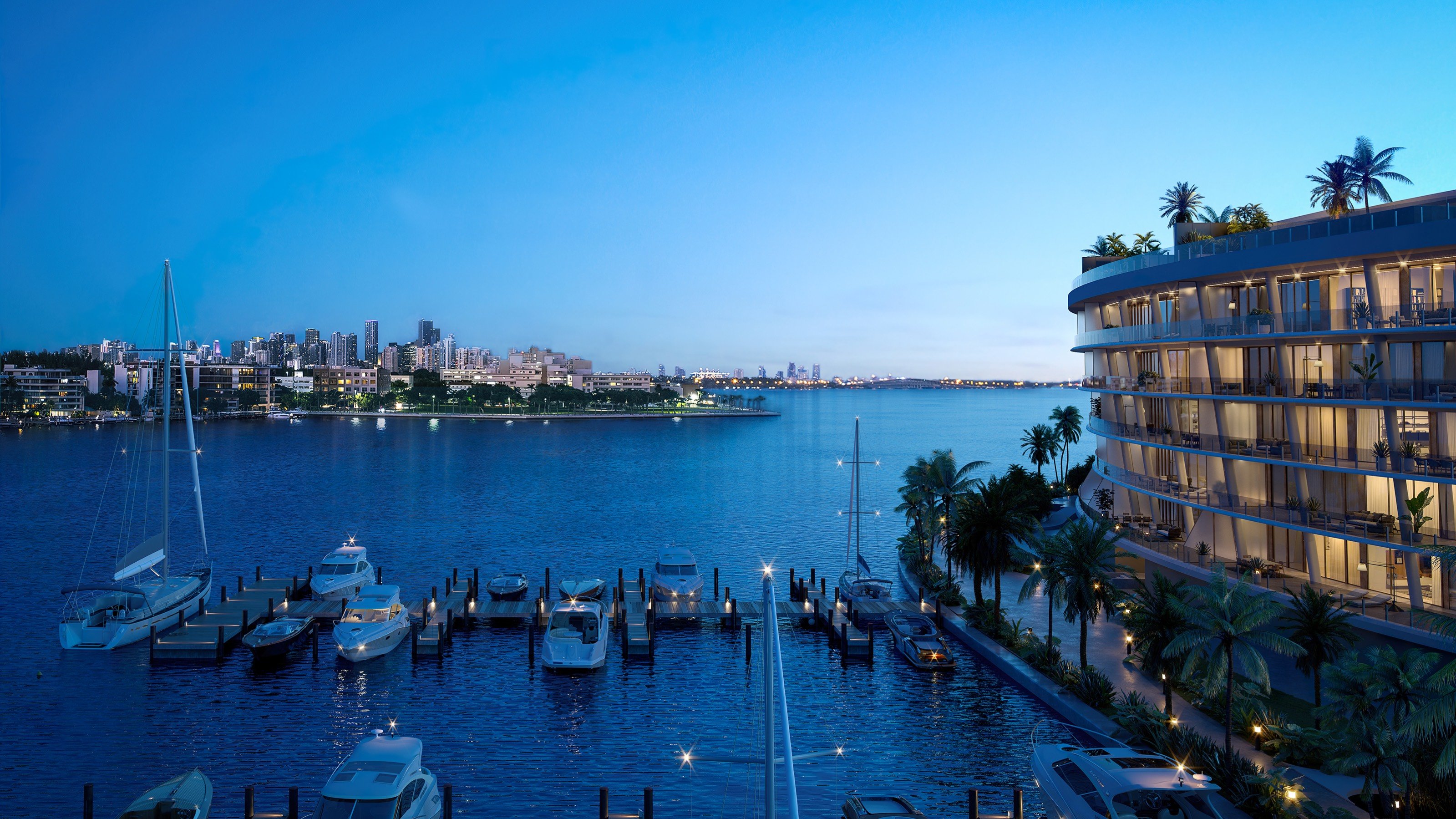
The most serious buyers in South Florida are not asking only whether a residence is beautiful. They are asking whether it will be easy to own, graceful to live in, resilient to manage, and compelling to resell years from now. That distinction matters especially in Coconut Grove, where the neighborhood is part of the ownership decision.
A residence such as Arbor Coconut Grove should be evaluated as a Coconut Grove home first and a Miami condominium second. Its appeal should be tested through daily convenience, privacy, neighborhood feel, and the way the property supports the buyer’s actual routine.
The same discipline applies when comparing a residence like Vita at Grove Isle with Grove-area alternatives. The right question is not which name sounds more exclusive. It is which ownership environment best matches the buyer’s private life, family needs, risk tolerance, and time horizon.
Boutique living is not merely an aesthetic label. In Coconut Grove, it can raise practical questions about arrival, privacy, shared spaces, service expectations, and the rhythm of day-to-day ownership. Buyers considering Arbor Coconut Grove should resolve whether a more intimate residential setting is truly preferable to a larger luxury building.
Ask how many daily interactions you want. Do you prefer a larger building with more services and a broader amenity program, or a more residential environment where privacy and neighborhood integration are central? A buyer considering Four Seasons Residences Coconut Grove may be focused on brand, service, and hospitality cues, while another buyer may prioritize a quieter residential feel. Neither instinct is wrong. The point is to identify the lifestyle you will value on an ordinary weekday, not only during a sales presentation.
Also ask whether the residence’s value proposition depends on amenities you may rarely use, or on neighborhood character that may remain meaningful over time. In the Grove, buyers often weigh privacy, walkability, setting, and residential atmosphere alongside visible luxury features inside the building.
Coconut Grove buyers should examine daily movement with unusual precision. How private is the approach? How easy is the drive to the office, school, marina, airport, or dinner? Can you walk where you actually want to go, or is walkability more theoretical than practical?
A polished model residence may reveal finish quality, but the surrounding streets reveal whether the address supports your real routine. Buyers should spend time in the area at different hours rather than relying only on a short tour. Morning traffic, weekend activity, evening restaurant movement, and storm-season access can all change the lived experience.
When comparing Grove choices such as The Well Coconut Grove, Opus Coconut Grove, Arbor Coconut Grove, and Vita at Grove Isle, the practical question remains the same: will this location make life simpler or more complicated?
Sophisticated buyers know that the acquisition price is only the opening line. Long-term ownership costs deserve a full review before any commitment. Ask for a clear explanation of association dues, reserves, insurance exposure, maintenance obligations, and likely cost escalation. The question is not simply what the monthly cost is today. It is how that cost may behave over the next several years.
In South Florida, insurance and maintenance should not be treated as minor line items. Building systems, reserve policies, and storm-related exposures can shape the owner experience. Buyers should understand what is included in the association budget, what may become a special assessment, and how reserves are being handled.
This is especially important for buyers accustomed to single-family estates, where control is more direct. Condominium ownership requires comfort with shared governance and collective financial planning. A residence may feel private, but the balance sheet is still communal.
Condominium documents are often treated as legal paperwork to be processed after emotion has already taken over. That is a mistake. Rules, rental restrictions, voting rights, reserve policies, owner approval requirements, pet policies, renovation limitations, and use restrictions can affect both enjoyment and resale.
Ask whether the building culture aligns with your intentions. Are you buying for full-time use, a seasonal retreat, or a long-term hold with possible family use? Are rental restrictions compatible with your planning? Are there owner approval procedures that could affect future renovations or transfers? Does the association structure provide adequate clarity on decision-making?
The best luxury residence is not merely one that photographs well. It is one whose rules support the life you intend to lead. A buyer who values total flexibility may read documents differently from a buyer who values quiet, owner-occupied stability.
Pre-closing presentation matters, but post-closing performance matters more. Buyers should review the developer’s track record, delivery history, warranty approach, and post-closing responsiveness. Ask how issues are handled after residents move in. Ask who remains accountable once the building is delivered. Ask whether the property’s physical and operational standards are likely to be preserved.
This is particularly relevant for buyers who plan a long hold. A building’s first impression is only one chapter. Over time, management quality, maintenance discipline, board decisions, insurance availability, and capital planning can separate enduring assets from complicated ones.
The Grove’s appeal may support demand for well-conceived residences, but buyers should still think through future competing supply and resale liquidity. A beautiful residence in a desirable neighborhood is stronger when the ownership framework is equally durable.
Waterfront appeal remains one of South Florida’s defining luxuries, but waterfront ownership also demands sober analysis. Buyers comparing Arbor Coconut Grove with more waterfront or resort-style alternatives should clarify whether they prioritize neighborhood integration, privacy, and day-to-day convenience over a more destination-oriented setting.
Ask direct questions about storm protection, flood exposure, insurance availability, building systems, emergency procedures, and long-term regulatory risk. These questions are not pessimistic. They are part of responsible luxury ownership in a coastal market.
A residence that feels effortless should still be stress-tested. Where are critical systems located? How has storm readiness been planned? What insurance assumptions are embedded in the budget? How might changing regulations or reserve requirements influence future costs? In the ultra-premium market, elegance and resilience should not be separate conversations.
Before choosing a residence like Arbor Coconut Grove or Vita at Grove Isle, buyers should narrow the decision to five priorities. First, does the address support daily life better than the alternatives? Second, does the building scale match your privacy expectations? Third, are long-term costs transparent and tolerable? Fourth, do the governance documents support your intended use? Fifth, does the residence have a credible resale story over a decade or longer?
The most successful purchases usually have a calm logic beneath the emotion. They are not driven by a single amenity, a rendering, or a social signal. They reflect an understanding of how the building, neighborhood, documents, and ownership economics work together.
In Coconut Grove, that discipline is especially valuable. The neighborhood rewards buyers who appreciate subtlety: shade, privacy, walkability, access to daily amenities, and a residential mood that differs from Miami’s more vertical luxury districts. The right residence should not merely announce itself. It should quietly improve the owner’s life.
What is the first question buyers should ask about Arbor Coconut Grove? Ask whether its scale, setting, and ownership structure fit your daily lifestyle better than a larger or more service-heavy luxury product.
Should Arbor Coconut Grove be compared with all Miami luxury condos? It should be evaluated primarily as a Coconut Grove residence because neighborhood context is central to the decision.
Can buyers compare Arbor Coconut Grove and Vita at Grove Isle directly? Yes, but the comparison should focus on ownership factors, lifestyle fit, governance, costs, and long-term usability.
Why do association dues and reserves matter so much? They influence the real cost of ownership and can affect both comfort during the hold period and future resale appeal.
What documents should a serious condo buyer review? Review rules, rental restrictions, voting rights, reserve policies, owner approval requirements, and maintenance obligations.
How should buyers think about amenities? Ask whether the amenities will genuinely improve your life or whether the neighborhood, privacy, and scarcity carry more value.
Why is climate resilience part of a luxury purchase? Storm protection, flood exposure, insurance, and building systems can shape long-term ownership quality in South Florida.
Is a boutique building always better for privacy? Not automatically, but a more intimate scale can support a quieter residential feel when building operations are well planned.
What should long-term buyers consider before committing? Consider resale liquidity, future competing supply, governance stability, cost escalation, and demand for Grove residences.
How can buyers make a more confident final decision? Reduce the choice to lifestyle fit, financial clarity, building governance, resilience, and the credibility of the long-term resale story.
For a discreet conversation and a curated building-by-building shortlist, connect with MILLION.
If branded residences are on your mind — as a home or as an allocation — we would be glad to share what we are seeing, privately.
Begin a quiet conversation