A discreet buyer’s guide to assessing Las Olas homes and condominiums for social access, daily convenience, waterfront ease, and long-term lifestyle resilience without relying on private club membership.

A club-adjacent address in Las Olas can be immediately persuasive. The promise is elegant and familiar: proximity to dining, yachting culture, wellness routines, social rooms, beach access, and a polished calendar that can make a South Florida residence feel turnkey from the first season. Yet the most discerning buyers should separate club access from lifestyle durability before committing capital.
The distinction is subtle, but essential. A club can enrich ownership, but it should not be the only reason a property works. Membership rules can change. Waitlists can lengthen. Use patterns can shift as children age, work habits evolve, or seasonal travel becomes more frequent. A residence should still feel complete on an ordinary Tuesday morning, during a quiet summer week, or when guests arrive with no interest in club culture.
The stronger question is not simply whether a home is near a desirable club. It is whether the property offers an independent, resilient way of living in Fort Lauderdale, with Las Olas as the organizing lifestyle spine rather than a single amenity as the anchor.
Club-adjacent should not be reduced to drive time or a name on a membership card. It should mean the home sits within a broader network of pleasures and practicalities: restaurants you will genuinely use, waterfront walks, marina access when relevant, wellness options outside the building, cultural convenience, guest-friendly arrival, and a neighborhood rhythm that supports both privacy and spontaneity.
In Las Olas, buyers often gravitate toward residences that allow a layered day: coffee nearby, a morning workout, a meeting downtown, lunch on the boulevard, a late afternoon on the water, and dinner without complex logistics. The club may be part of that day, but it should not be required to make the day feel successful.
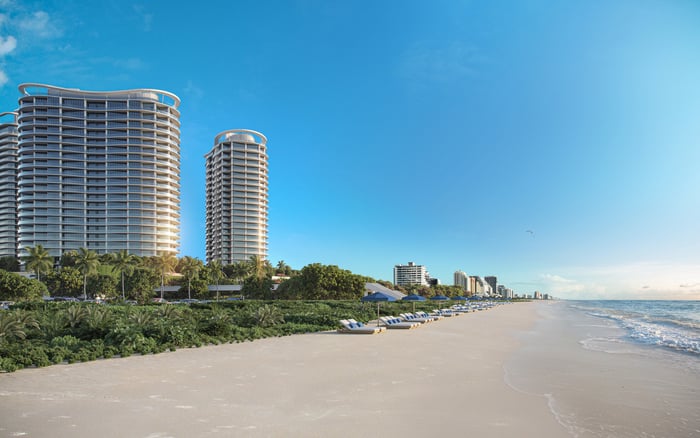
Nearby residential options can serve as useful comparables. A buyer considering the riverfront and urban texture around Sixth & Rio Fort Lauderdale may be assessing a different daily cadence than someone drawn to the resort-inflected beach environment of Four Seasons Hotel & Private Residences Fort Lauderdale. Both can be lifestyle-rich, but they answer different questions about frequency, formality, and dependence on external memberships.
The best evaluation exercise is simple: imagine five days in residence without using the club. Where do you have breakfast? Where do you walk? Can you exercise without friction? Is there a place to host friends if you do not want to entertain at home? Can visiting family enjoy the neighborhood independently? Are the beach, boulevard, or waterfront experience accessible enough to feel natural rather than scheduled?
This test reveals whether the address has intrinsic value as a lifestyle choice. If the home only feels compelling when paired with a club calendar, the purchase may be more fragile than it appears. If the home remains comfortable, social, and restorative without that dependency, then the club becomes what it should be: a privilege, not a crutch.
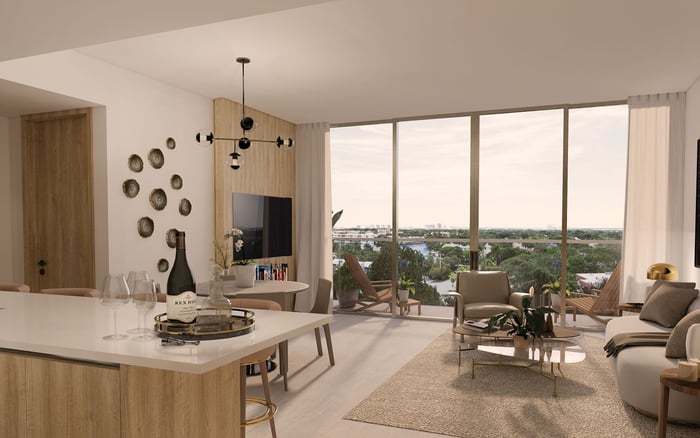
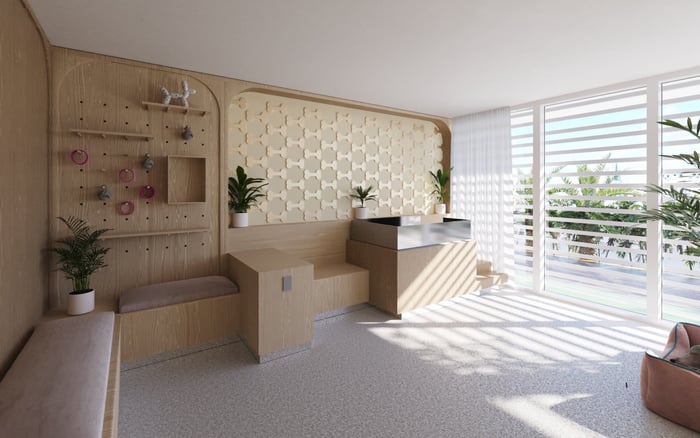
Buyers should also examine how the building or community itself performs. Pools, fitness areas, lounges, terraces, valet flow, guest suites where available, and service standards can meaningfully reduce reliance on outside facilities. In a condominium setting, strong in-house amenities can make private membership feel optional rather than necessary.
Las Olas has a natural relationship with water, but not every buyer uses the water in the same way. Some want direct boating convenience. Others simply want the emotional value of light, breeze, and views. Still others prefer to be close to restaurants and cultural life while keeping boating as an occasional pleasure. Before paying a premium for proximity to a marina or canal-oriented setting, buyers should be candid about actual usage.
If boating is central to the household, evaluate approach, storage, service logistics, guest arrival, and how often the vessel will actually be used. If boating is aspirational, ask whether a less boat-dependent residence may deliver better daily satisfaction. A property such as Riva Residenze Fort Lauderdale can enter the conversation for buyers who want a riverfront sensibility, while St. Regis® Residences Bahia Mar Fort Lauderdale may appeal to those drawn to a more resort and marina-oriented coastal narrative.
The most refined decision is not always the most obvious one. A buyer may discover that water views matter more than dock proximity, or that beach access matters more than a boat slip. The point is to identify the ritual, not just the symbol.
Club proximity often appeals because it offers a ready-made social structure. That can be valuable, especially for seasonal residents or relocating buyers. But a high-quality Las Olas purchase should also allow social independence. You should be able to dine, meet friends, host privately, or enjoy a quiet evening without feeling that every social decision passes through the same institution.
This matters for resale as well. Not every future buyer will value the same club, share the same membership status, or want the same level of formality. A home with broad appeal across dining, waterfront access, architecture, service, and convenience can speak to a wider buyer pool. A home that feels inseparable from a single private membership may narrow its audience.
Privacy deserves equal attention. Some buyers want the energy of a visible social scene. Others want the club nearby, while their residence remains serene and protected. Study lobby flow, elevator privacy, terrace exposure, valet choreography, and the transition between public arrival and private living. Luxury is often less about access itself and more about controlling when access becomes visible.
A club-adjacent purchase should be evaluated at two scales: the residence and the neighborhood. The residence must deliver comfort, service, views, and ease. The neighborhood must deliver depth. Las Olas is strongest when both scales reinforce one another.
A building with excellent amenities but limited neighborhood utility may still create dependence on the club. Conversely, a well-located residence with modest amenities may rely too heavily on the surrounding district. The ideal balance is a home that feels complete inside and connected outside. It gives the owner choices: stay in, walk out, drive to the beach, meet at the club, or entertain privately.
This is why buyers often compare across micro-locations before deciding. The beachside luxury associated with Auberge Beach Residences & Spa Fort Lauderdale differs from the more boulevard and river-connected experience closer to Las Olas. Neither is universally superior. The better choice is the one that matches the owner’s true habits without requiring a club to fill in lifestyle gaps.
Before purchasing in Las Olas, buyers should ask one final question: if the club were unavailable for a season, would this still be the right home? If the answer is yes, the property has independent lifestyle strength. If the answer is uncertain, the buyer should slow down and examine whether the premium is attached to real estate fundamentals or borrowed from an external amenity.
The most durable luxury purchases are not dependent on a single institution. They are supported by architecture, location, service, daily convenience, privacy, and an environment that remains compelling across changing seasons of life. In Las Olas, club adjacency can be exceptional. Club dependency is the risk to avoid.
What does club-adjacent mean in a Las Olas purchase? It means the home benefits from proximity to club culture, dining, water, and social access without relying on membership to make daily life work.
Should I buy primarily because a club is nearby? No. The residence should stand on its own through location, design, service, amenities, and neighborhood utility.
How do I test whether I am too dependent on a club? Imagine a full week without using it and decide whether your routines still feel elegant, convenient, and complete.
Are building amenities a substitute for private club membership? They can reduce dependency, especially when fitness, pool, lounge, service, and entertaining spaces are strong.
Does waterfront access always matter near Las Olas? It matters most when it matches your real habits, such as boating, views, walking, or outdoor entertaining.
Is marina proximity always worth a premium? Only if the household will use it often enough to justify the convenience, cost, and location tradeoffs.
How should seasonal buyers think about club adjacency? They should prioritize flexibility, guest ease, and a residence that feels satisfying even during quieter periods.
Can club dependency affect resale? Yes. A home with broader lifestyle appeal may speak to more buyers than one tied closely to a single membership culture.
What is the most overlooked factor? Privacy. Buyers should study arrival, valet flow, elevator access, terrace exposure, and the separation between public and private space.
What is the ideal outcome? A home where the club enhances the lifestyle, while Las Olas, the residence, and Fort Lauderdale provide independent strength.
To compare the best-fit options with clarity, connect with MILLION.
If branded residences are on your mind — as a home or as an allocation — we would be glad to share what we are seeing, privately.
Begin a quiet conversation