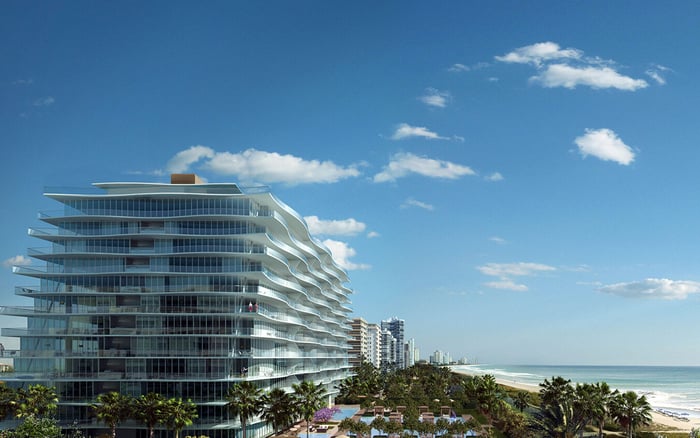
A practical South Florida luxury-buyer guide to evaluating Fendi Château Residences Surfside against 619 Residences through parking rights, EV charging, valet rules, and private-driver logistics rather than branding alone.
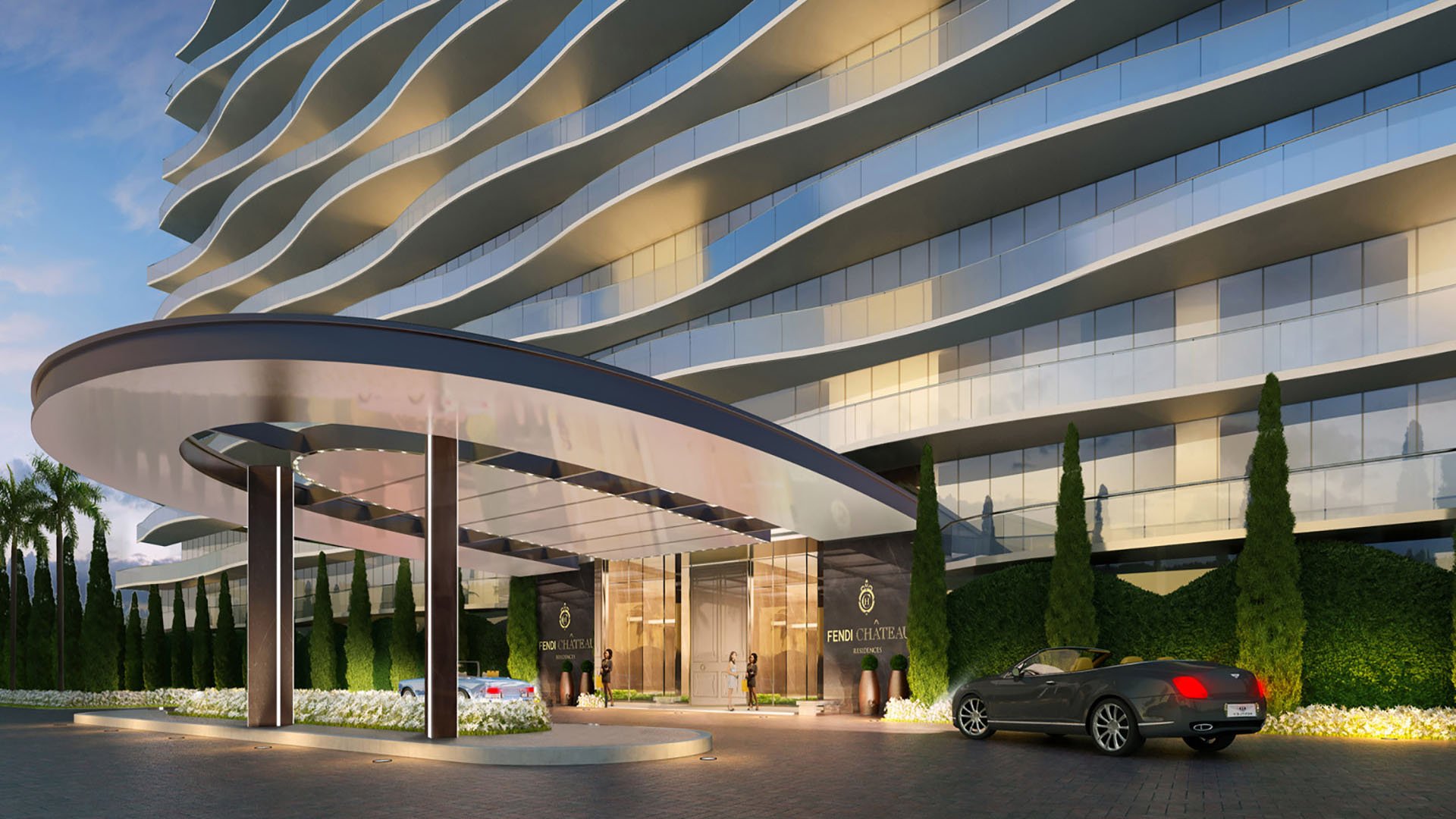
For ultra-prime South Florida buyers, the comparison between Fendi Château Residences Surfside and 619 Residences by Foster + Partners + Nobu Hospitality should begin with everyday function. Branding may influence atmosphere, but ownership is felt through the systems used repeatedly: where vehicles are kept, how guests arrive, how electric vehicles are charged, and whether a private driver can operate without friction.
The names attached to each residence may create different expectations. Yet those expectations do not replace the need for written clarity. A buyer should separate design identity and hospitality language from the mechanics that shape privacy, convenience, and control.
That discipline is especially important for buyers who maintain multiple vehicles, rely on chauffeurs, host guests frequently, or split time between residences. In that context, the most valuable question is not which brand feels more prestigious. It is which residence better supports the household’s daily movements.
In the luxury condominium market, parking is more than a convenience. It can influence privacy, resale perception, guest coordination, and the ease of maintaining a larger household fleet. Buyers should confirm whether spaces are deeded, assigned, licensed, valet-managed, or subject to association control.
That distinction matters because each structure can carry different implications. A deeded or clearly assigned arrangement may feel very different from a valet-only or revocable access model. The buyer should review the declaration, parking schedule, association rules, closing materials, and any limited common element language before treating parking as settled.
For Fendi Château Residences Surfside, the practical task is to confirm the exact rights attached to the residence being considered. For 619 Residences by Foster + Partners + Nobu Hospitality, the same approach applies: marketing language should be translated into documents that identify what the buyer actually controls.
The most useful question is precise: what parking rights attach to this exact residence, and what can be changed later by building rules or association action?
Electric-vehicle readiness should not be reduced to whether charging is mentioned in a presentation. The real inquiry is about infrastructure, electrical capacity, access, metering, installation approvals, insurance requirements, and billing procedures.
A buyer should ask whether chargers are already installed, whether charging is shared or private, whether a charger can be installed at a specific space, and whether the system can support future vehicle needs. The answer should be supported by written rules, not informal assurances.
For Fendi Château Residences Surfside, EV charging should be evaluated through the building’s governing materials and management procedures. For 619 Residences by Foster + Partners + Nobu Hospitality, the same review should be completed before assuming that a modern brand environment automatically delivers a seamless charging experience.
The luxury standard is not a vague promise of readiness. It is a system that fits the owner’s actual vehicles, schedule, and billing expectations.
For many affluent buyers, arrival choreography is one of the clearest measures of building quality. A residence can feel compromised if a chauffeur has no appropriate waiting area, if valet handoff is inconsistent, or if guest arrivals require repeated explanation.
Private-driver logistics should be tested through specific questions. Where may a driver wait? How long may a vehicle stage? Are there limits on idling, security vehicles, or repeated pickups? How are guests announced? How do valet and front-desk teams coordinate during busy periods?
These questions matter for both Fendi Château Residences Surfside and 619 Residences by Foster + Partners + Nobu Hospitality. A refined brand experience should still be supported by operational rules that protect privacy and reduce friction.
The goal is not theatrical arrival. It is calm, predictable movement from street to residence and back again.
A disciplined buyer can compare the two residences by building a private operating brief. The brief should list the exact parking rights, guest-parking rules, valet procedures, EV charging process, charger-installation pathway, billing method, and private-driver protocol for each option.
The buyer should also walk the arrival route at the times the household is most likely to use it. A midweek afternoon can feel very different from an evening arrival, a holiday period, or a moment when guests, deliveries, and valet activity overlap.
If one residence offers stronger written control over parking, clearer EV procedures, and a more comfortable driver sequence, that advantage may matter more than brand recognition. If the other residence offers a better fit for how the household actually moves, the buyer should give that practical fit meaningful weight.
In South Florida’s luxury market, convenience is not a soft benefit. It is part of the ownership experience and, for many buyers, part of the asset’s long-term appeal.
Is this comparison a recommendation to choose one residence over the other? No. The article is a buyer framework for evaluating parking, EV charging, valet rules, and private-driver logistics before making a decision.
What should a buyer review first? Start with the exact parking rights attached to the residence, including whether spaces are deeded, assigned, licensed, or valet-managed.
Why does the parking structure matter? Different parking arrangements can affect control, transferability, privacy, and how easily the residence supports multiple vehicles.
Can EV charging be assumed from luxury branding? No. EV readiness should be verified through written rules, infrastructure details, billing procedures, and approval requirements.
What EV charging questions are most important? Ask who controls access, how electricity is billed, whether private installation is allowed, and whether capacity supports future vehicle needs.
How should private-driver logistics be evaluated? Buyers should ask where drivers may wait, how long vehicles may stage, and how valet or front-desk staff coordinate repeated arrivals.
Does a hospitality association guarantee smooth daily service? No. Hospitality language can set expectations, but the buyer still needs written operating rules and consistent building procedures.
What should be asked about valet operations? Confirm guest-parking limits, handoff procedures, peak-period congestion rules, and any restrictions affecting chauffeurs or security teams.
How can the two residences be compared fairly? Use the same checklist for both: parking rights, EV access, valet rules, guest arrivals, and private-driver protocols.
What if marketing language conflicts with written documents? Buyers should rely on the governing documents, contracts, and building rules rather than informal descriptions or brand impressions.
For a discreet conversation and a curated building-by-building shortlist, connect with MILLION.
If branded residences are on your mind — as a home or as an allocation — we would be glad to share what we are seeing, privately.
Begin a quiet conversation