A buyer-focused look at how reserve study assumptions influence ownership costs, value perception, and due diligence for South Florida boutique residences.

In South Florida luxury real estate, the most seductive line item is rarely the most important one. A private elevator, a calm waterfront exposure, a sculptural lobby, or a limited collection of residences may shape the first impression, yet the reserve study often defines the long-term cost of ownership. For a boutique residence, where fewer owners may share responsibility for major capital items, the assumptions inside that study can quietly alter the economics of a purchase.
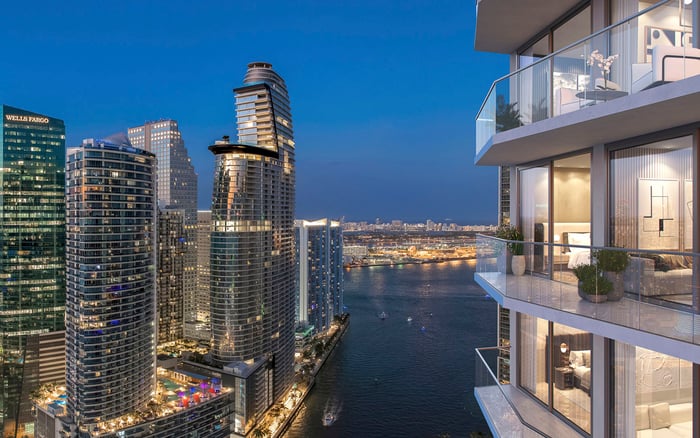
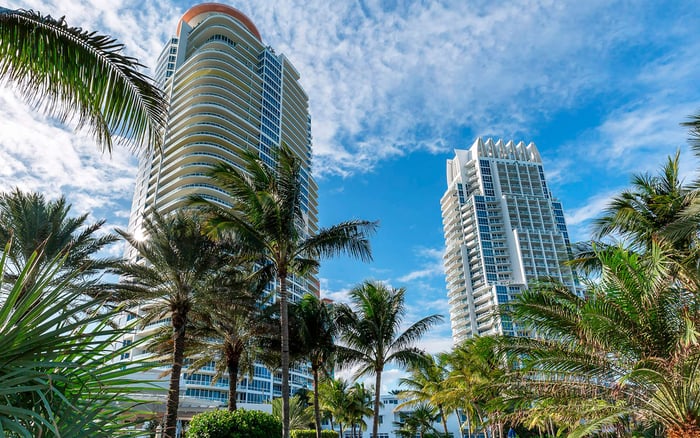
A reserve study is not simply a binder of future repairs. It is a financial portrait of how a building expects to age. It considers components, timing, replacement cost, funding levels, and the cadence of maintenance. Change the assumptions, and the same residence can look materially different from an ownership perspective. A buyer comparing a glassy tower in Brickell with a quieter coastal address in Miami Beach should read not only the floor plan, but also the capital plan behind the lifestyle.
This is especially relevant in boutique settings, where intimacy is part of the appeal. A building with fewer residences may offer privacy, discretion, and a more personal rhythm, but it may also mean that common-area decisions affect each household more directly. The difference between an elegant residence and an expensive one can be found in the assumptions no one mentions during the first showing.
The most influential reserve study assumptions tend to fall into several categories. The first is useful life: how long the building expects a system, finish, or component to last before major work is required. A longer useful-life assumption can make near-term funding appear more comfortable. A shorter assumption can bring future costs into sharper focus.
The second is replacement cost. South Florida buyers understand that premium materials, coastal exposure, and high-design common areas do not behave like generic condominium expenses. If the study assumes ordinary replacement costs for extraordinary finishes, the funding plan may understate the real future requirement. A discerning buyer should ask whether the assumptions reflect the building that actually exists, not an abstract version of it.
The third is inflation. Even without assigning a specific rate, the direction matters. A study that is conservative about future cost escalation will produce a different funding recommendation than one that assumes today’s pricing remains broadly stable. This matters because the monthly carrying cost is only one part of the ownership picture. The reserve trajectory can influence resale perception, negotiability, and the confidence of a future buyer.
The fourth is interest or earnings on reserve balances. If a funding plan depends heavily on investment return, the assumptions deserve careful scrutiny. Reserve funds are meant to preserve the asset, not to perform like an aggressive portfolio. A residence can appear better funded on paper if projected earnings are optimistic.
Boutique buildings are often prized because they feel residential rather than institutional. They may have fewer corridors, quieter amenity decks, more controlled arrivals, and a stronger sense of architectural identity. That intimacy can be a luxury, but it also changes the reserve equation. When a major component is scheduled for replacement, the cost is distributed across a smaller ownership base than in a larger building.
This does not make boutique ownership less attractive. It simply makes the reserve study more personal. A buyer considering The Well Bay Harbor Islands or another low-density address is often seeking atmosphere and privacy as much as square footage. The financial review should match that level of refinement. Does the study account for the quality of the amenities? Does it reflect the realities of maintaining a design-forward property? Are near-term projects funded through regular contributions, special assessments, or deferred decisions?
A buyer should also consider governance culture. Some associations prefer to fund steadily and avoid surprises. Others keep monthly charges more appealing in the present and address capital needs later. The residence may be identical in both scenarios, but the real cost is not.
South Florida’s most desirable residences often place owners close to water, light, and outdoor space. Those attributes require disciplined capital planning. Waterfront and near-water buildings may face more demanding maintenance expectations for exterior elements, terraces, glazing, railings, mechanical systems, and landscape environments. The reserve study should not be treated as a technical formality; it should be read as a narrative of how the property plans to protect its architectural promise.
In Miami Beach, projects such as The Perigon Miami Beach illustrate the buyer expectations that surround highly designed coastal living. The question is not whether a residence is beautiful today. The question is whether the ownership structure is prepared to keep it beautiful, functional, and competitive over time.
Finishes can also complicate assumptions. A boutique residence may have custom millwork in common spaces, specialty stone, distinctive lighting, or wellness-oriented amenities that require more specialized replacement. If the study treats these elements as standard, the future budget may not align with the building’s identity. Luxury requires maintenance at the same level at which it was conceived.
Many buyers focus on the monthly association figure because it is easy to compare. Yet that figure can be misleading when separated from reserves. A lower recurring charge may be attractive, but if it is paired with thin reserve funding or optimistic assumptions, the owner may encounter larger capital calls later. Conversely, a higher monthly contribution may represent a more deliberate approach to preserving the asset.
For investment-minded buyers, this distinction matters. The real cost of ownership includes predictable monthly payments, potential assessments, insurance-related pressures, maintenance expectations, and the quality of long-term capital planning. A residence at 2200 Brickell may appeal for urban access and new-construction positioning, while a quieter boutique alternative may appeal for privacy. The best comparison is not just price per square foot or amenity count. It is how each building anticipates future capital needs.
Buyers should ask whether the reserve study uses conservative, moderate, or optimistic assumptions. They should also ask how recently it was updated, whether major components have been inspected, and whether the current budget follows the study’s recommendations. The answer may not be glamorous, but it is often decisive.
A polished buyer review starts with direct, practical questions. What components are included in the study? What components are excluded? Are elevators, roofs, exterior systems, mechanical equipment, pool areas, parking facilities, and amenity spaces reflected in the plan? Are replacement costs aligned with the building’s finish level? Is the funding plan designed to smooth costs over time or defer larger decisions?
For a boutique residence, the next question is proportionality. How many owners share each capital item? How sensitive is the budget to one major project? Does the association have a history of keeping reserves aligned with the physical condition of the property? A careful buyer does not need to become an engineer or accountant, but should engage the right professionals before waiving diligence.
At Vita at Grove Isle, the appeal of an island-oriented residential setting naturally invites a broader conversation about stewardship. In any building with a distinctive site or design concept, the reserve assumptions should be evaluated as part of the residence’s luxury proposition.
Reserve study assumptions can affect negotiation without becoming confrontational. If the study shows deferred funding, a buyer may seek clarity before contract deadlines. If assumptions appear overly optimistic, the buyer may request additional documentation or adjust the perceived value. If reserves are well planned, that strength can support confidence in the asking price.
The same logic applies in new and recently completed residences. Buyers of Alba West Palm Beach or similar boutique-scale offerings should still understand how early budgets transition into long-term funding. Newness does not eliminate future capital needs; it simply changes the starting point.
The most sophisticated buyers treat reserve assumptions as part of asset quality. They know that architecture, service, location, and governance all contribute to value. A residence is not only a private interior. It is a shared financial structure wrapped around a lifestyle.
What is a reserve study in a condominium purchase? It is a planning document that estimates future major repairs and replacements for shared building components and recommends how reserves may be funded.
Why does it matter more in a boutique residence? A smaller ownership base can make each owner’s share of major capital items more visible, so assumptions may have a stronger impact on real ownership cost.
Can two similar buildings have very different reserve needs? Yes. Differences in age, finish level, amenities, exposure, maintenance history, and funding philosophy can create different long-term cost profiles.
Is a lower monthly association fee always better? Not necessarily. A lower fee may reflect efficiency, but it may also indicate lean reserve funding or delayed capital planning.
Which assumptions should buyers review first? Useful life, replacement cost, inflation, reserve earnings, and the list of included components are usually the most revealing areas.
Should buyers rely only on the seller’s summary? No. Buyers should review the full available documentation with qualified advisers before making final decisions.
Do new buildings still need reserve planning? Yes. New construction begins with newer systems, but every building still ages and requires a plan for future capital needs.
Can reserve assumptions affect resale value? They can. Future buyers may view strong funding and realistic assumptions as signs of careful stewardship.
How should buyers compare Brickell and Miami Beach residences? Look beyond location and amenities, then compare the capital plan, exposure, building scale, and funding approach.
What is the safest mindset for luxury buyers? Treat the reserve study as part of the residence’s architecture, because financial structure helps preserve the lifestyle.
If you'd like a private walkthrough and a curated shortlist, connect with MILLION.
If branded residences are on your mind — as a home or as an allocation — we would be glad to share what we are seeing, privately.
Begin a quiet conversation