A discreet buyer’s guide to evaluating privacy landscaping in South Florida luxury buildings, from sightlines and terraces to maintenance standards and long-term livability.
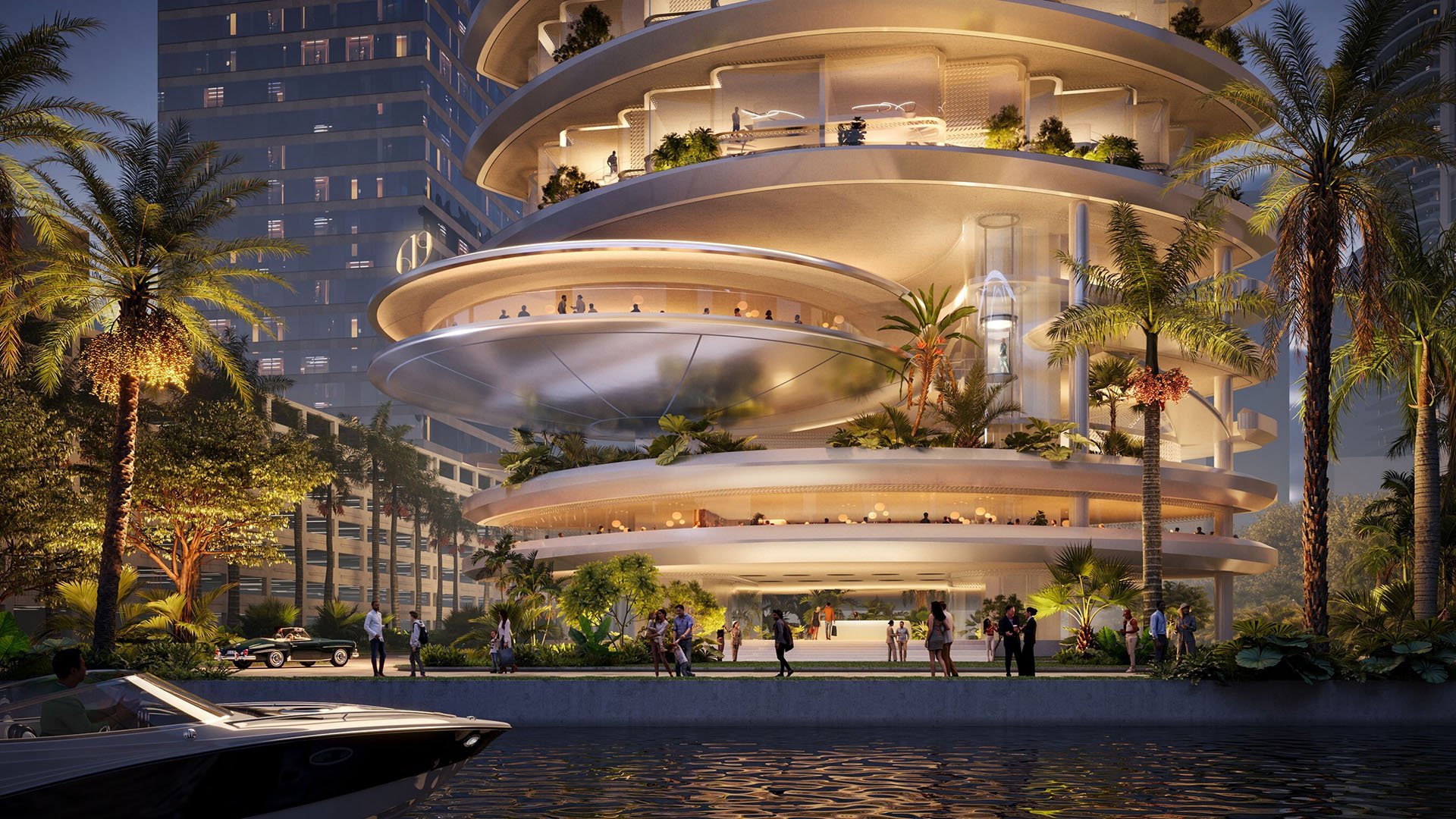
In South Florida luxury buildings, privacy is often discussed in terms of elevators, gated arrivals, floor height, and service corridors. Yet the most immediate privacy experience is often botanical. A hedge that softens a pool deck, a canopy that filters views into a lobby lounge, or layered planting beside a terrace can determine whether a residence feels composed or exposed.
For the buyer, privacy landscaping should never be treated as decorative afterthought. It is part of the architecture of daily life. It influences how one hosts, how one works from home, how children use outdoor spaces, and how a primary suite feels at night when nearby towers begin to glow. The best approach is calm and forensic: observe carefully, ask precise questions, and separate visual beauty from functional discretion.
The first test is not whether the landscaping looks lush. It is whether it interrupts the views that matter. Stand where you would actually live: at the dining table, beside the primary bed, near the outdoor shower, on the balcony edge, and along the path between elevator and residence. Then look outward and inward. Ask what neighboring residents, hotel guests, pedestrians, valet staff, and amenity users can see.
A privacy screen that works from the pool may fail from the third floor across the street. A beautiful garden may frame the residence rather than shield it. Buyers should also consider night conditions. Glass, lighting, and reflective surfaces can shift the privacy equation dramatically after sunset. If possible, return at different times of day before concluding that the landscaping performs as intended.
Effective privacy landscaping is usually layered. A single green wall or line of palms may create drama, but layered planting often creates a more nuanced veil. Look for a sequence: lower planting to soften edges, mid-height foliage to interrupt seated views, taller elements to filter upper-level exposures, and architectural elements that help the landscape do its work.
In a luxury building, those layers should feel intentional from the motor court to the private outdoor areas. Arrival privacy matters because it establishes the tone of the building. Amenity privacy matters because residents should not feel as though the pool, spa garden, or cabana area is performing for the street. Residence-level privacy matters most because it shapes the daily experience of ownership.
Pay particular attention to transition zones. The path from lobby to garden, the moment one exits an elevator vestibule, the corridor beside cabanas, and the threshold between indoor living room and outdoor terrace can reveal whether privacy was designed holistically or applied as a cosmetic layer.
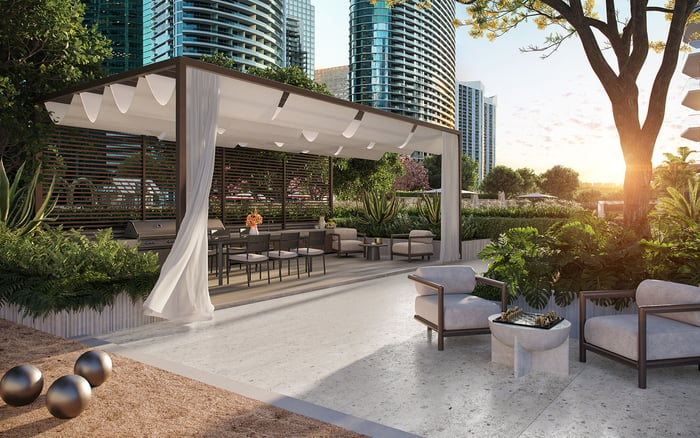
Outdoor living is central to South Florida ownership, but it is also where privacy claims are easiest to overstate. A terrace may be expansive yet highly visible. A plunge pool may photograph beautifully yet sit within the line of sight of neighboring windows. A summer kitchen may be elegant but positioned where service staff, adjacent residences, or amenity users can observe the entire setting.
For a buyer, the question is not simply, “Is there greenery?” The better question is, “What does the greenery allow me to do comfortably?” Dining outdoors, reading in a robe, taking a private call, or hosting late without feeling watched are distinct privacy scenarios. Walk the space and imagine each one.
Also examine planters and built-in landscape zones. Are they deep enough to support meaningful growth, or do they read as shallow decoration? Is irrigation discreetly integrated? Are drainage and maintenance access considered? Even without choosing the plant palette yourself, the physical infrastructure should suggest that privacy can be sustained rather than staged for a first impression.
Privacy landscaping is a living asset. Its performance can improve with maturity, but it can also decline if maintenance is weak or replacement standards are vague. Buyers should review how the building handles pruning, irrigation, pest management, storm preparation, and plant replacement. The goal is not to become a horticultural expert. The goal is to understand whether the building treats its landscape as a permanent privacy system.
Ask who controls the planting in private outdoor areas. In some residences, owners may have flexibility; in others, association rules may govern appearance, height, containers, irrigation, and drainage. A buyer should know whether a desired screen can be enhanced, whether a current screen can be altered, and who pays if plantings fail.
Pruning deserves special attention. Over-pruning can turn a lush screen into an exposed frame. Under-maintenance can create disorder, block views that were meant to remain open, or interfere with outdoor living. The best buildings tend to balance privacy with architectural discipline, allowing the landscape to soften the setting without overwhelming the design.
Privacy is contextual. A buyer comparing Miami Beach, Brickell, Coconut Grove, Bal Harbour, Sunny Isles, and a terrace-oriented residence will not be evaluating the same conditions. A dense skyline setting may require vertical screening, careful glazing, and smart terrace orientation. A quieter waterfront setting may depend more on arrival sequence, marina exposure, and neighboring sightlines. A garden-driven neighborhood may offer a softer privacy language but still require scrutiny at property edges and shared amenities.
The key is to avoid importing the wrong expectation from one submarket to another. Urban privacy is often about control and choreography. Waterfront privacy is often about angles, setbacks, and outdoor exposure. Resort-style privacy is often about whether amenity spaces feel serene during peak use. In every case, the landscape should mediate between the residence and its surroundings without making the home feel enclosed.
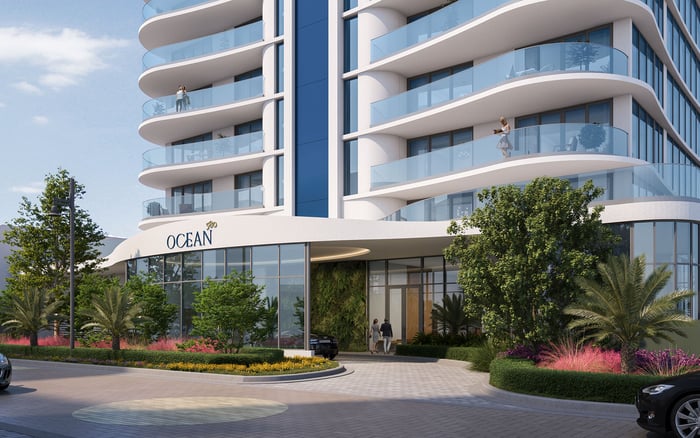
Begin at arrival. Does the driveway, porte cochere, or lobby approach protect residents from feeling on display? Notice where staff, visitors, and neighboring buildings have direct views.
Walk the amenity level slowly. Sit; do not just stand. Privacy changes when you occupy a chaise, dining chair, spa deck, or lounge seat. Consider whether the planting shields real use, not just circulation.
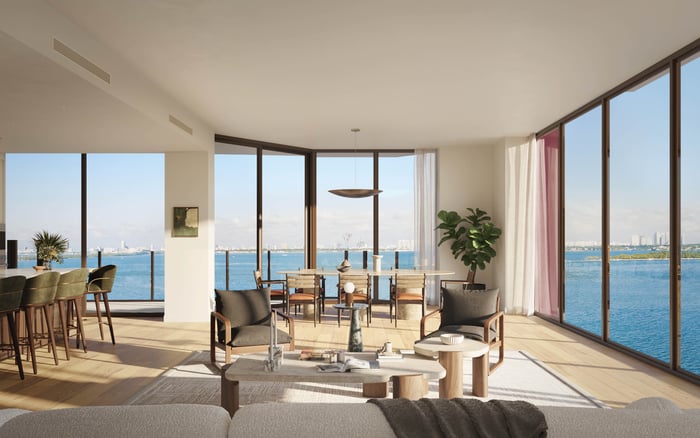
Enter the residence and test the principal rooms. Look from the kitchen island, living room sofa, primary suite, bath, and outdoor seating areas. If a space feels exposed during the showing, assume it may feel more exposed in daily life.
Study the terrace perimeter. Identify where planting, railings, walls, screens, or architectural overhangs work together. A strong privacy condition usually comes from multiple elements, not one heroic hedge.
Ask about rules before imagining upgrades. If you plan to add planters, increase height, change species, or install screens, confirm what is permitted before purchase. The most elegant privacy plan is useless if the building will not approve it.
Request maintenance clarity. Understand who maintains shared and private landscaping, how often it is reviewed, and how replacements are handled. Privacy should not depend on a single season of perfect presentation.
Finally, trust discomfort. Luxury buyers often rationalize exposure because the view, finishes, or address are compelling. If a terrace, bath, bedroom, or pool deck feels too visible, make that concern central to negotiation and selection.
What is privacy landscaping in a luxury building? It is the use of planting, planters, garden design, and landscape structure to reduce unwanted visibility while preserving beauty, light, and outdoor livability.
Should I evaluate privacy during the day or evening? Both are useful. Daylight reveals external sightlines, while evening conditions can expose issues created by interior lighting and glass.
Is a high floor always more private? Not necessarily. Neighboring towers, amenity decks, and angled views can affect privacy even in elevated residences.
What should I ask the association before buying? Ask who controls planting, what changes are permitted, how maintenance is handled, and whether height or container rules apply.
Can I add my own terrace landscaping after closing? Possibly, but approval may be required. Confirm rules for planters, irrigation, drainage, weight, and appearance before relying on future changes.
How do I know if a pool deck is truly private? Sit in the areas you would use and look outward. Then identify who can see the space from surrounding residences, streets, or amenity levels.
Does lush landscaping always improve privacy? No. Lush planting can still leave direct sightlines if it is poorly placed, too low, or maintained in a way that opens gaps.
Should privacy landscaping affect resale thinking? Yes. A residence that feels discreet, comfortable, and usable outdoors may appeal strongly to buyers who value everyday livability.
What is the biggest mistake buyers make? They judge landscaping from photographs or a quick tour rather than testing sightlines from the exact places they will live.
Who should help evaluate privacy before purchase? A knowledgeable advisor, design professional, or landscape specialist can help identify exposure issues that may not be obvious during a showing.
For a confidential assessment and a building-by-building shortlist, connect with MILLION.
If branded residences are on your mind — as a home or as an allocation — we would be glad to share what we are seeing, privately.
Begin a quiet conversation