A practical, buyer-focused guide to evaluating energy-aware automation in South Florida luxury buildings, from climate control and glazing coordination to resilience, privacy, service, and long-term ownership fit.
In South Florida luxury real estate, energy-aware automation deserves the same scrutiny as views, ceiling heights, finishes, and building services. The most elegant systems are rarely the loudest or most complex. They are the ones that make a residence feel consistently calm while quietly managing light, cooling, air movement, privacy, and daily routines.
For buyers, the question is not simply whether a home has smart technology. The sharper question is whether the automation was designed as part of the architecture or added later as a collection of gadgets. A well-conceived system should coordinate with glazing, shades, mechanical equipment, lighting scenes, security, access control, and building operations. It should make life easier for a full-time resident, a seasonal owner, or a household that travels often.
The checklist below is designed for buyers comparing high-end condominium residences, penthouses, and estate homes across Brickell, coastal enclaves, and established residential neighborhoods. It favors practical questions over novelty. In this segment, convenience matters, but continuity matters more.
South Florida homes place a premium on comfort. A residence may have dramatic glass, generous terrace space, or a sweeping balcony, but the daily experience depends on how the home manages heat, humidity, glare, and air circulation. Energy-aware automation should begin with the climate strategy.
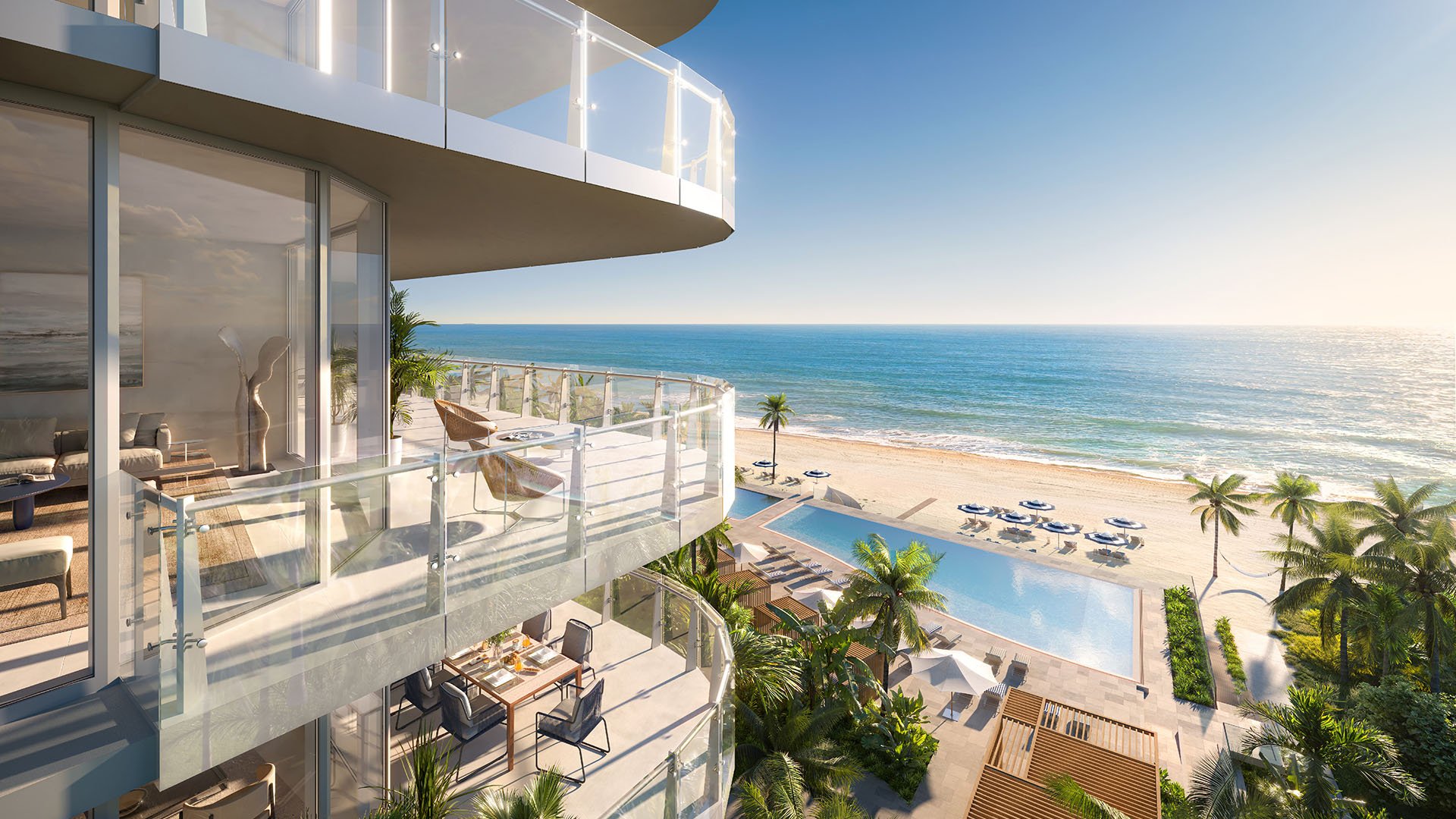
Ask whether thermostats, motorized shades, lighting, and sensors operate together. A sophisticated system may reduce solar gain before a room becomes uncomfortable, rather than relying on air conditioning to solve the problem later. In an oceanfront residence, this can be especially relevant where exposure, reflection, and changing light conditions shape how a room feels throughout the day.
Buyers should also ask whether the system can create separate zones for bedrooms, entertaining areas, service spaces, and seldom-used rooms. Zoning is less about technology for its own sake and more about avoiding the wasteful habit of treating an entire residence as one climate condition. In a large home, nuanced control can support both comfort and restraint.
Begin with integration. Confirm which systems are connected: cooling, lighting, shades, fans, humidity control, entry, cameras, audio, pool equipment, elevators where applicable, and garage or arrival systems. Then ask which of those systems can be controlled locally, remotely, and manually. A luxury home should not become difficult to use because an app is unavailable.
Next, evaluate simplicity. The main interface should be intuitive for owners, guests, family members, and household staff. If every basic action requires navigating menus, the system may look impressive but live poorly. Ask for a real demonstration: morning routine, evening entertaining, leaving for travel, returning from travel, and storm preparation.
Then examine sensors and scheduling. Occupancy sensors, daylight sensors, and programmable scenes can help a residence respond to actual use rather than assumptions. A seasonal owner may want a low-activity setting that protects the home without fully shutting it down. A full-time owner may want routines that shift by time of day, room, and lifestyle.
Finally, ask about overrides. Manual controls should be present, discreet, and clearly labeled. In the best luxury residences, automation enhances human preference. It should never trap the owner inside someone else’s preset idea of comfort.
Many South Florida luxury residences are defined by glass. That visual openness is part of the appeal, but it requires discipline from the building systems. Buyers should ask how window treatments are powered, programmed, repaired, and coordinated with lighting scenes. Motorized shades should not be treated as a decorative afterthought.
Look for scenes that respect daily life: soft arrival lighting, privacy after sunset, bright task lighting in kitchens and closets, and low-glare settings for media rooms. Ask whether shades can be grouped by exposure, room, or whole-residence mode. If the home has expansive outdoor living, the system should make transitions between interior rooms and terrace areas feel natural rather than abrupt.
Lighting also deserves close attention. Energy-aware design does not mean a residence should feel dim or utilitarian. It means the home should deliver the right light, in the right place, at the right time, with minimal waste and minimal friction.
A luxury buyer should ask what happens when conditions are imperfect. Can key systems be monitored while the owner is away? Are alerts available for temperature, humidity, leaks, access events, or equipment issues? Who receives those alerts: the owner, property manager, building staff, or a private home manager?
Remote access is valuable, but it should be approached with restraint. Buyers should understand permission levels, password management, guest access, and whether former vendors or prior occupants retain any credentials. Privacy is part of luxury. A beautiful interface means little if access is poorly controlled.
For second-home owners, absence modes can be especially useful. These settings may reduce unnecessary usage while keeping the residence protected and ready for return. Ask whether the system can be adjusted before arrival so the home feels composed the moment the door opens.
The best automation is maintainable. Before committing to a residence, ask who installed the system, who services it, what components are proprietary, and whether replacement parts are readily available. A buyer should also request documentation: wiring diagrams, equipment lists, warranties, software information, and contact details for qualified technicians.
In a condominium, clarify the boundary between in-unit systems and building-managed systems. Some controls may be private to the residence, while others depend on building infrastructure or association protocols. For buyers comparing new-construction with resale opportunities, this distinction can influence both convenience and future flexibility.
Also consider upgrade paths. Technology evolves, but walls, ceilings, millwork, and mechanical rooms are costly to disturb. A residence with thoughtful wiring, accessible panels, and organized equipment rooms may age more gracefully than one dependent on a scattered set of consumer devices.
When touring, resist the temptation to be impressed by a single wall panel or dramatic lighting scene. Instead, compare how each residence supports the way you actually live. In Brickell, the priority may be seamless arrival, privacy, and quiet recovery after a demanding day. In an oceanfront setting, it may be glare management, shade coordination, and protection during extended absences. In a family residence, ease of use across multiple generations may matter most.
Ask the sales team or owner’s representative to demonstrate everyday scenarios, not just showcase moments. How does the home behave at sunrise? What happens when guests arrive? How quickly can the residence shift from dinner to cinema to sleep? Can staff access service areas without disturbing private zones? Can a child or visiting parent operate the basics without a tutorial?
For ultra-premium buyers, energy-aware automation is ultimately about composure. The technology should disappear into the rhythm of the home. It should help the residence feel cool, quiet, secure, and ready, without asking the owner to manage every detail.
What is energy-aware automation in a luxury residence? It is a coordinated system that manages comfort, lighting, shading, access, and selected equipment with attention to efficiency and ease of living.
Is smart-home technology enough on its own? No. The value comes from integration, serviceability, and thoughtful programming, not simply from having connected devices.
What should buyers ask first during a showing? Ask which systems are integrated, who services them, and how the home performs during daily routines and extended absences.
Why are shades so important in South Florida residences? Shades help manage privacy, glare, and interior comfort, especially in homes with substantial glass and strong exposure.
Should automation work without a phone app? Yes. Essential functions should also be available through wall controls, keypads, or other intuitive manual options.
How should seasonal owners think about automation? They should prioritize remote monitoring, absence modes, alerts, and the ability to prepare the residence before arrival.
What privacy questions should buyers ask? Ask who has access, how credentials are managed, and whether previous users or vendors have been removed from the system.
Does automation affect resale appeal? A well-documented, easy-to-use system can support buyer confidence, while confusing or unsupported technology can create hesitation.
What matters most in a large residence? Zoning, clear interfaces, reliable service, and simple scenes are more important than an excessive number of features.
How should buyers compare two similar residences? Choose the home whose systems feel quieter, more intuitive, better documented, and more aligned with daily life.
For a confidential assessment and a building-by-building shortlist, connect with MILLION.
If branded residences are on your mind — as a home or as an allocation — we would be glad to share what we are seeing, privately.
Begin a quiet conversation