A buyer-focused look at The Bristol Palm Beach and why a seemingly small school-bag storage question can reveal larger issues of common-area control, family logistics, service expectations, and condominium governance in an ultra-luxury South Florida setting.
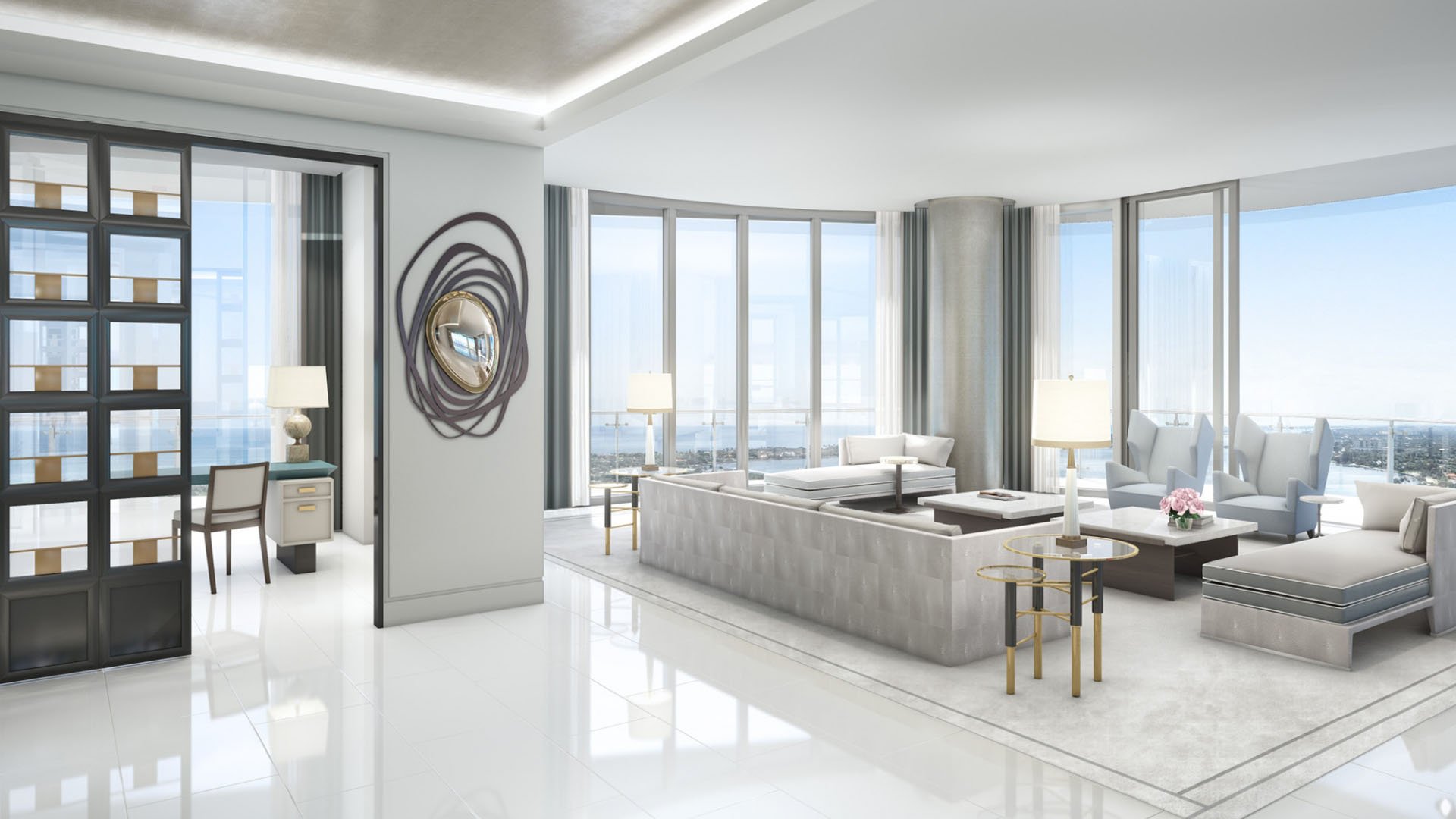
At The Bristol Palm Beach, the question of school-bag storage is not really about a backpack. It is about how a highly polished residential environment absorbs the ordinary friction of family life without diluting the atmosphere buyers chose in the first place.
In many luxury condominiums, governance questions remain abstract until a routine moment brings them into focus. A child arrives from school. A sports bag is handed off. A driver waits. A parent takes a call in a shared lounge. The lobby, club room, business center, fitness area, spa corridor, pool deck, or children’s space becomes the stage for a larger issue: who controls common areas, and how much everyday living should be allowed to show.
For buyers comparing South Florida residences, the answer matters because the ownership experience is not limited to the private home. It includes arrivals, elevators, service routes, amenity etiquette, staff protocols, and the building culture that shapes daily use.
A school-bag issue may sound small, but in an ultra-luxury setting it touches several layers of ownership at once. It involves aesthetics, liability, security, resident privacy, staff responsibilities, and the difference between temporary convenience and informal storage.
The larger the household rhythm, the more visible these details become. School schedules, tutors, visiting relatives, staff coordination, pet routines, sports equipment, and weekend entertaining can all pass through shared thresholds. Even when the private residence functions beautifully, the common areas still require rules that everyone understands.
That is where the tension lives. Families want ease. Buildings need order. Owners want the benefits of condominium convenience without surrendering the standards of an ultra-luxury address.
In a single-family estate, the mudroom, garage, service entry, and staff corridor can absorb the mess of daily life. In a condominium, the equivalent functions may be less obvious. The question becomes whether the building has rules, staffing patterns, storage protocols, and amenity-use provisions that accommodate real household logistics.
A school bag left in a lobby may feel minor to one owner and unacceptable to another. A sports duffel near a club room may be viewed as practical by a family and as visual clutter by a neighbor expecting a composed atmosphere. A pool deck towel station may not be the right place for backpacks. A children’s area may carry different expectations from a formal lounge.
For buyers, the issue is not whether children belong in luxury buildings. They do. The issue is whether the building’s governing documents and resident culture clearly define where family logistics are welcomed, where they are restricted, and who has authority to decide.
Before assuming that a doorman, valet, concierge, or attendant can hold school bags, sports gear, instruments, or other personal items, buyers should review the actual condominium framework. The relevant materials may include the declaration of condominium, rules and regulations, easements, and amenity-use provisions.
The goal is not to search for conflict. It is to understand the rights and boundaries that shape daily life. Can personal belongings be stored in common areas at all? Are there designated storage rooms or temporary holding practices? Are staff members permitted to accept responsibility for resident property? Do rules distinguish between lobbies, lounges, business centers, spa areas, fitness spaces, children’s rooms, pool decks, and club rooms? Are there time limits, liability disclaimers, or board approval requirements?
These questions are especially important for a buyer who expects the residence to function as more than an occasional retreat. A small routine can become a repeated point of friction when it is not addressed in the documents, house rules, or operating practices.
A sophisticated buyer should ask the question calmly and directly. The best answer is not necessarily permissive or restrictive. The best answer is clear.
Ultra-luxury buyers often expect service to make life seamless. Yet service and storage are not the same thing. A concierge can coordinate. A valet can receive. A staff member may assist with movement through the building. But the longer-term holding of personal items in common areas raises separate questions about access, liability, aesthetics, security, and fairness among residents.
This is where ownership expectations should be aligned before closing. If a family intends to use the residence as a primary home, the day-to-day details matter. Where does a child wait after school? Where does a driver meet the household? Can a tutor enter through a particular point? Is there a preferred route from car to elevator? What happens when sports equipment arrives before the owner does?
For a second-home owner, these concerns may feel remote. For a full-time family, they may define the quality of the residence as much as the view, the floor plan, or the finish package. Private life can feel expansive, but shared thresholds still require discipline.
Governance is part of value. In an ultra-luxury building, the rules around shared areas help protect the residential brand. A polished common-area experience supports the perception of calm, privacy, and control.
At the same time, rules that ignore the realities of family life can create friction for owners who otherwise fit the building beautifully. The strongest luxury condominiums do not pretend children, school schedules, luggage, deliveries, and equipment do not exist. They create systems so those realities remain discreet.
For buyers, the correct lens is long-term compatibility. If the residence will host grandchildren, school-age children, visiting family, staff, or frequent guests, the ownership review should go beyond floor plan and view corridor. It should include the choreography of arrival, waiting, storage, and movement through the property.
The school-bag question is useful because it is specific. It turns a vague promise of service into a concrete test of governance. If the answer is thoughtful, consistent, and documented, the building may be better equipped for full-time residential life. If the answer is informal or uncertain, buyers should proceed with a more detailed conversation.
Is the school-bag issue a confirmed controversy at The Bristol Palm Beach? No. It is best understood as a buyer due-diligence question about common-area control and family logistics.
Why does school-bag storage matter in an ultra-luxury condominium? It reveals how the building balances daily household convenience with a refined shared-space standard.
What types of spaces are most relevant to this question? Lobbies, lounges, business centers, fitness and spa areas, pool decks, club rooms, and children’s spaces may all matter.
Why can the issue be relevant to South Florida buyers? Many South Florida buyers evaluate residences for seasonal use, full-time living, family visits, or multi-generational routines, so shared-space rules can affect daily fit.
Should buyers assume staff can hold bags or sports gear? No. Buyers should confirm what staff may handle and what rules apply to temporary storage.
Which documents should a buyer review? The declaration of condominium, rules and regulations, easements, and amenity-use provisions should be reviewed carefully.
Does strict common-area control reduce livability? Not necessarily. Clear rules can protect both family convenience and the building’s luxury atmosphere.
Can a large private residence still create common-area conflicts? Yes. Even a generous home relies on shared entries, amenities, elevators, and service pathways.
What is the best buyer question to ask before closing? Ask how the building handles school bags, sports equipment, guest arrivals, staff assistance, and temporary holding of personal property.
What is the best way to shortlist comparable options for touring? Start with location fit, delivery status, and daily lifestyle priorities, then compare stacks and elevations to validate views and privacy.
For a discreet conversation and a curated building-by-building shortlist, connect with MILLION.
If branded residences are on your mind — as a home or as an allocation — we would be glad to share what we are seeing, privately.
Begin a quiet conversation