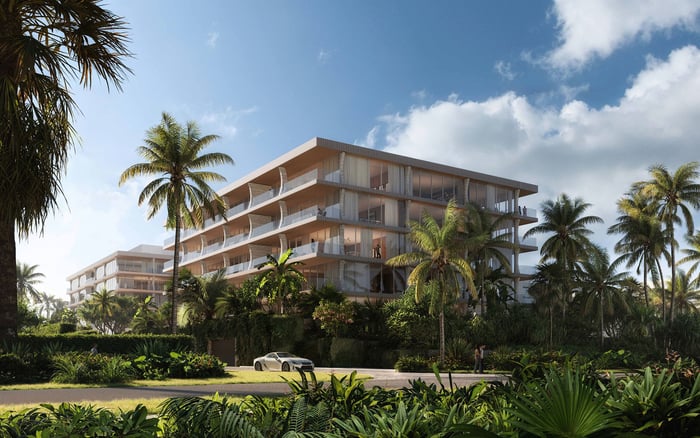
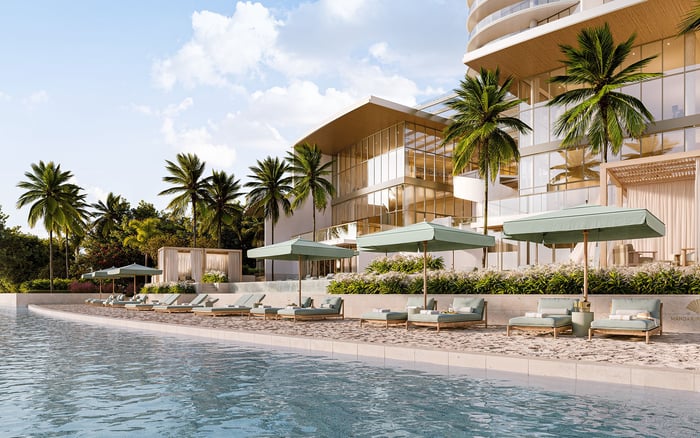
A buyer-focused look at why resilience planning, generator coverage, and storm staffing have become defining measures of luxury living in West Palm Beach.
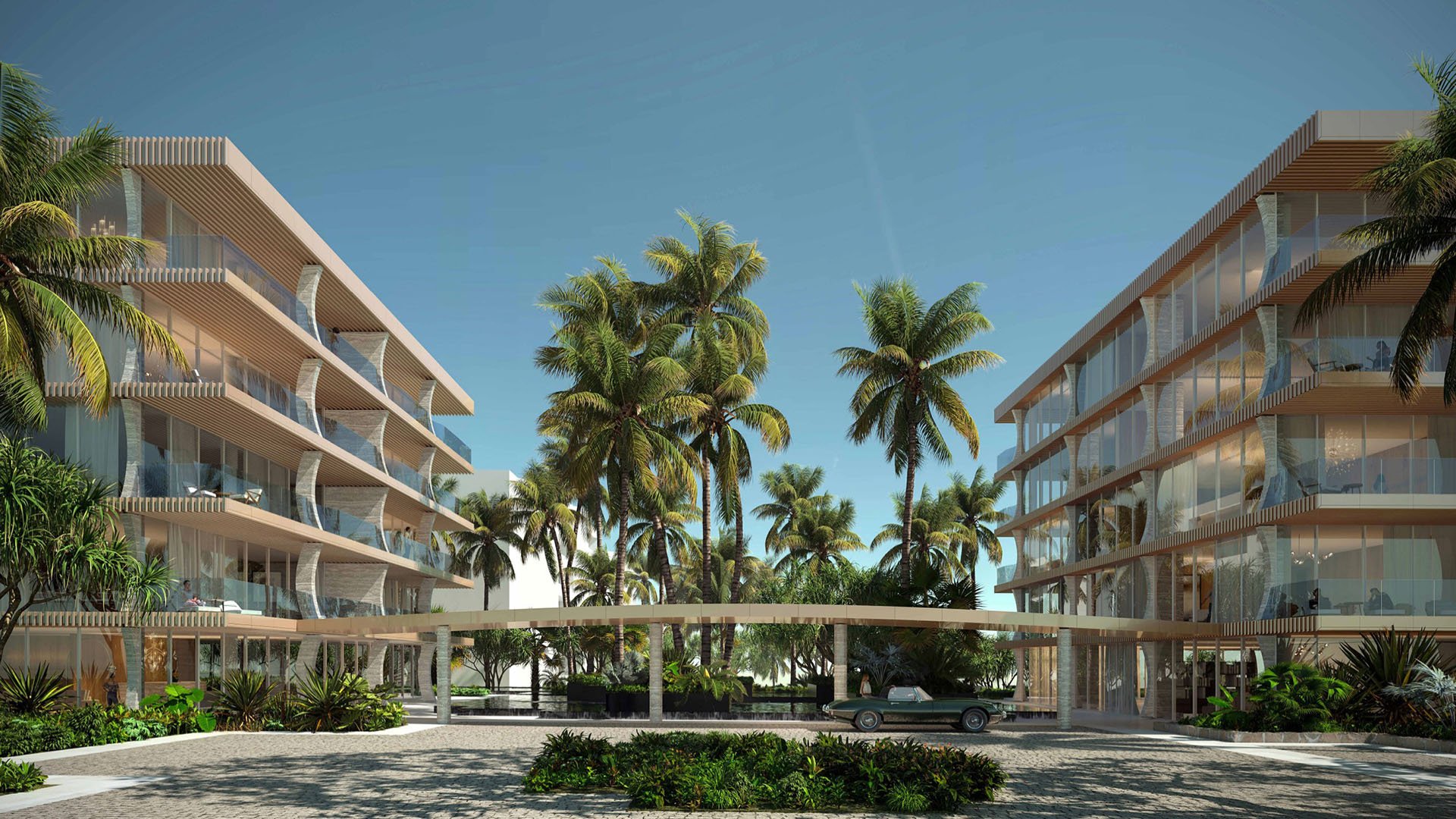
In South Florida luxury real estate, resilience is no longer a technical appendix to the sales conversation. It is part of the emotional architecture of ownership. For buyers considering West Palm Beach, the most important questions often come after the view, the finish package, and the private amenity program: What happens when the weather turns, who is on site, and how much of daily life can continue without improvisation?
That shift is especially relevant in a market that attracts full-time residents, seasonal owners, and second-home buyers who may not be present when a storm is approaching. The most sophisticated purchasers are not asking whether a building feels secure on a blue-sky afternoon. They are asking whether it has a disciplined plan for preparation, continuity, communication, and recovery.
West Palm Beach answers that question through a buyer culture increasingly focused on operations. In practice, luxury is measured not only by stone, glass, waterview exposure, pool design, or a private terrace, but by how a residence performs under pressure.
Generator coverage has become one of the clearest dividing lines in the resilience conversation. Buyers should not stop at whether a building has backup power. The more useful question is what the generator actually supports.
In a high-rise or boutique condominium, partial coverage can mean many different things. It may support life-safety systems, selected common areas, limited lighting, pumps, access control, elevators, refrigeration in service areas, or certain mechanical components. It may not support every residential comfort. For that reason, informed buyers ask for plain-language explanations rather than broad assurances.
The strongest due diligence begins with a simple scenario: if utility power is unavailable, what remains functional for residents, staff, security, access, cooling, water movement, communications, and vertical transportation? A residence can be visually exceptional, but if the operating plan is vague, the ownership experience becomes more fragile than it appears.
This is where West Palm Beach feels increasingly aligned with the expectations of ultra-premium buyers. The question is not merely whether a property is new or beautiful. It is whether the building’s infrastructure and management culture support continuity.
Storm staffing is not glamorous, but it may be one of the most consequential services in a residential building. A polished lobby team matters in ordinary conditions. A trained, coordinated, and well-briefed team becomes invaluable when owners are away, deliveries need to pause, outdoor furnishings must be secured, and building access has to be managed with precision.
For buyers, staffing questions should be direct. Who remains on site before, during, and after severe weather? Which responsibilities are handled by building employees, third-party vendors, security teams, engineering staff, and property management? How are residents updated if they are traveling? What is the protocol for shuttering, access restrictions, package management, garage preparation, and reopening amenities?
In the ultra-luxury segment, the best answers tend to be specific and calm. They do not rely on vague promises of attentiveness. They explain sequence, responsibility, escalation, and communication. That operational choreography is what allows a building to feel composed when conditions outside are not.
Downtown West Palm Beach buyers often balance lifestyle access with operational scrutiny. Walkability, dining, culture, offices, waterfront proximity, and private club life matter, but they do not replace the need for infrastructure intelligence. A buyer may love the convenience of an urban address, yet still want to understand garage protocols, loading access, elevator service, staffing depth, and post-storm cleanup expectations.
The downtown buyer is also more likely to compare residential alternatives closely. In that environment, resilience planning becomes a differentiator. Two residences may offer comparable views and interior specification, but the building with clearer operating standards often feels more valuable because it reduces uncertainty.
This matters for new construction as well. Newer residential offerings are often evaluated through the lens of design, amenity programming, wellness spaces, and hospitality influence. Yet buyers should also ask how the property is intended to operate when normal routines are interrupted. The answer can shape the long-term ownership experience as much as any design material.
A serious buyer should approach resilience with the same discipline used to evaluate financial terms or residence layouts. The goal is not to become an engineer. The goal is to understand what ownership feels like when the building is tested.
Ask for the building’s storm preparation protocol in understandable language. Ask what is covered by backup power. Ask how elevator access is managed during power interruptions. Ask whether air conditioning, ventilation, access control, domestic water systems, fire and life-safety systems, and communications are handled separately or as part of a broader plan.
Ask about vendor relationships before storm season begins. Landscaping, glass, roofing, mechanical systems, cleaning, security, and water intrusion response all depend on coordination. A building with relationships in place before an event is typically better positioned than one that starts making calls afterward.
Finally, ask how residents receive updates. For owners who travel frequently, communication may be the most practical form of reassurance. A refined building should know how to speak to residents clearly, without drama, repetition, or confusion.
Resilience planning is not only a safety conversation. It is a value conversation. In the luxury market, confidence has economic weight. A buyer who understands how a building prepares, operates, and recovers can make decisions with less ambiguity. A seller in a well-managed property can point to a deeper standard of care.
This does not mean every buyer will rank resilience above view, floor height, privacy, or design. It does mean resilience increasingly belongs in the same conversation. The residence is no longer judged only by what it offers during perfect weather. It is judged by how gracefully it supports life when the easy conditions disappear.
For West Palm Beach, that is the quiet advantage. The market’s most discerning audience is not simply purchasing an address. It is purchasing confidence, continuity, and the ability to enjoy South Florida with a more complete understanding of risk.
Why does resilience planning matter for West Palm Beach luxury buyers? It helps buyers understand how a building prepares, communicates, and recovers during disruptive weather. For seasonal and frequent-travel owners, that clarity can be essential.
Is backup power the same as full generator coverage? No. Buyers should ask exactly which systems are supported, including elevators, access control, pumps, lighting, cooling, and life-safety systems.
What should I ask about storm staffing? Ask who is on site, what each team is responsible for, and how residents receive updates before, during, and after a storm.
Does new construction automatically mean better resilience? Not automatically. A newer building may offer modern systems, but buyers still need to understand coverage, protocols, staffing, and maintenance culture.
Why is communication so important for second-home owners? Owners may be away when decisions need to be made. Clear communication helps them understand building status, access rules, and recovery timing.
Should buyers review storm protocols before making an offer? Yes. Operational due diligence should be part of the early evaluation, especially for high-rise, waterfront, and amenity-rich properties.
Do amenities like a pool or terrace affect storm planning? They can. Outdoor amenities and private exterior spaces require preparation, securing, inspection, and reopening procedures.
How does downtown living change the resilience conversation? Downtown convenience is valuable, but buyers should still evaluate garage access, elevator plans, staffing, vendor coordination, and communications.
Can resilience planning influence resale confidence? It can support buyer confidence because operational clarity reduces uncertainty. In the luxury segment, that confidence can be meaningful.
What is the simplest way to compare buildings? Ask each property the same questions about generator scope, staffing, resident communication, preparation protocols, and recovery procedures.
If you'd like a private walkthrough and a curated shortlist, connect with MILLION.
If branded residences are on your mind — as a home or as an allocation — we would be glad to share what we are seeing, privately.
Begin a quiet conversation