A practical luxury buyer’s guide to evaluating grill approvals, terrace rules, association consent, resale risk, and outdoor-living expectations in Aventura condos in 2026.
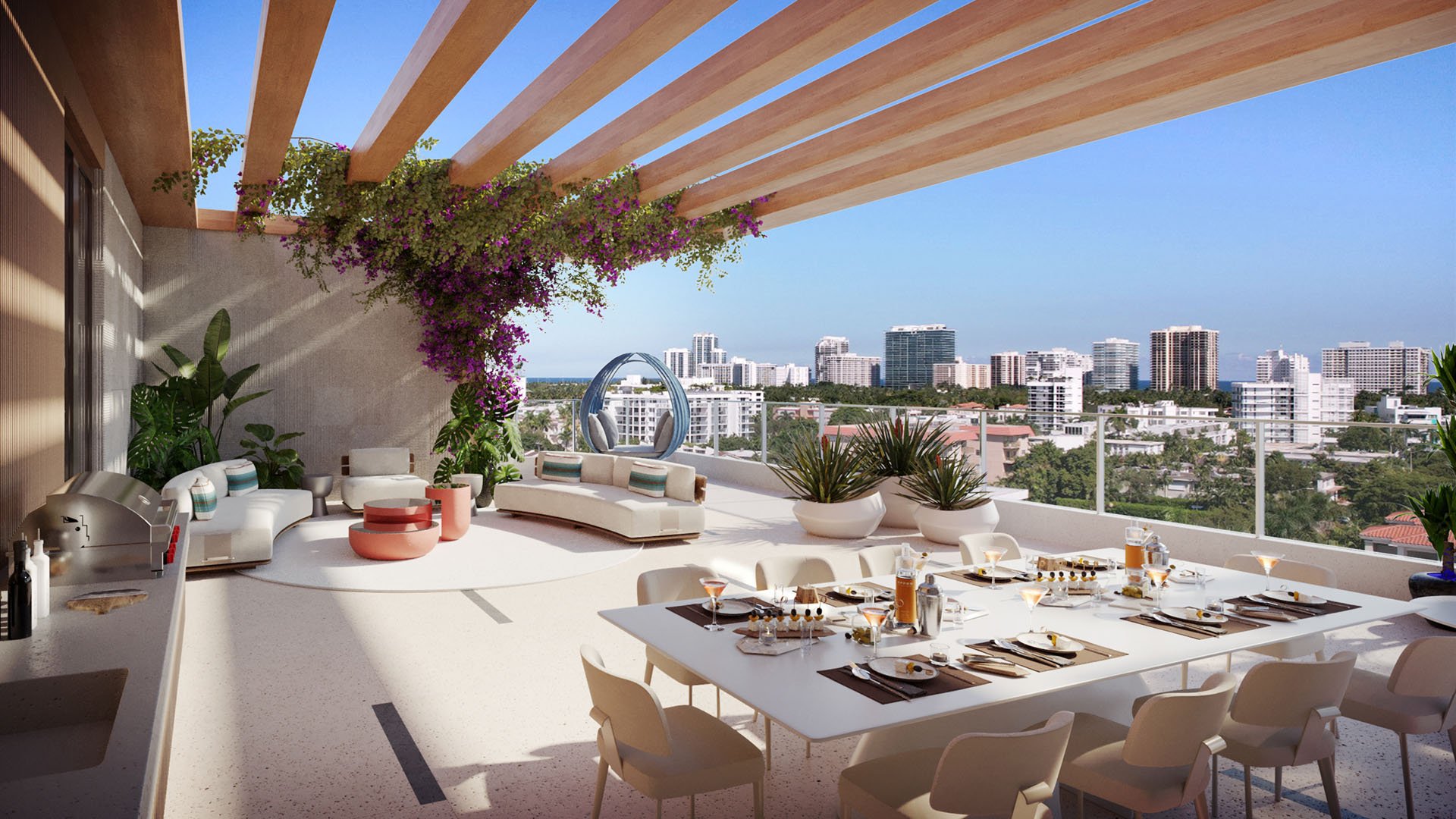
For the Aventura buyer, the outdoor kitchen question is rarely casual. It touches lifestyle, architecture, association culture, insurance comfort, and the quiet rituals that define waterfront living. A generous terrace may appear ready for open-air dining, yet the right to place, connect, store, or operate a grill can be controlled by documents far less visible than the view.
In 2026, a sophisticated buyer should treat grill approval as pre-contract diligence, not a design detail to solve after closing. The distinction matters. A balcony, loggia, roof deck, or private terrace may be presented as outdoor living space, but permission to cook there depends on the building’s governing documents, house rules, management posture, and any applicable permit or safety review. The language matters. So does the process.
This is especially relevant in Aventura, where buyers often compare large-format residences, marina-adjacent homes, and amenity-rich towers with properties in neighboring luxury markets. At Avenia Aventura, as with any residence under consideration, the question is not simply whether outdoor space exists. The question is what that outdoor space is allowed to become.
A grill decision usually sits within several layers of review. First are the condominium documents and rules. These may address open flames, electric appliances, fuel storage, built-in equipment, alteration of common elements, noise, smoke, odors, and cleaning obligations. Second is the association’s approval process, which may require an application, board consent, management review, contractor information, or proof of insurance. Third are life-safety and building considerations, which can determine whether an appliance is appropriate in a particular location.
For buyers, the core principle is to avoid assumptions. A neighbor’s visible setup does not guarantee the same arrangement is permitted for another unit. A prior owner’s equipment does not automatically mean continued approval. A developer rendering, listing photograph, or furnished model may suggest a lifestyle, but the binding answer belongs in written rules and written approvals.
The cleanest path is to request the current rule set before finalizing plans. If the intended use involves a built-in grill, outdoor cabinetry, gas connection, electrical work, venting, or any fixed installation, the buyer should obtain written clarity before relying on the feature as part of the residence’s value.
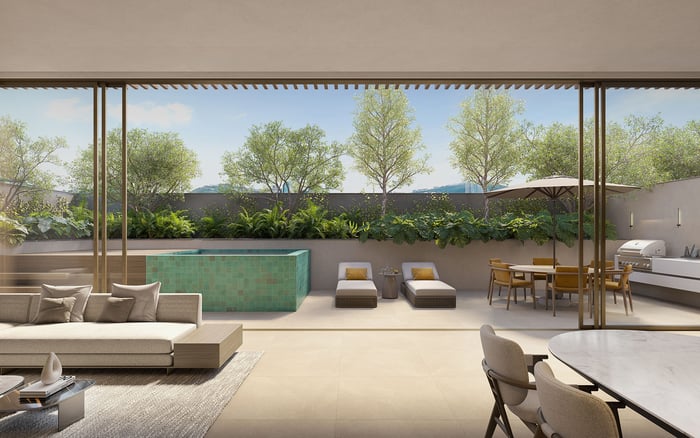
Balcony and Terrace are not interchangeable words in a buyer’s analysis. A balcony may be more limited in load, depth, exposure, and association tolerance. A terrace may feel more expansive and private, yet it can still be subject to rules that restrict cooking, heat, smoke, and alterations. Marketing vocabulary should be read alongside the legal and operational vocabulary.
The phrase “private terrace” can be emotionally powerful, but it does not necessarily grant unlimited use. Buyers should ask whether the space is part of the unit, a limited common element, or another category described in the condominium documents. That classification can influence who controls changes, who maintains the area, and how approvals are granted.
This diligence is particularly useful for buyers cross-shopping lifestyle-driven buildings along the coast. A residence such as Bentley Residences Sunny Isles may appeal to a client who prioritizes privacy, arrival, and dramatic outdoor living, while Aventura may offer a different rhythm of water, marina, and neighborhood convenience. In both cases, the outdoor cooking question should be documented, not inferred.
For Resale purchases, the grill question has an added dimension: history. A seller may believe a setup was permitted because it has been in place for years. That belief is not the same as transferable approval. The buyer should ask whether the grill or outdoor kitchen was installed with association consent and whether any approvals, plans, permits, warranties, or contractor documents are available.
If the equipment is freestanding, the buyer should still confirm storage rules, fuel restrictions, electrical limitations, and operating hours. If the equipment is built in, the review should be more disciplined. Fixed improvements can raise questions about waterproofing, structure, penetrations, utilities, fire separation, and responsibility for repair.
The elegant solution is to make grill-related diligence part of the same review as flooring, window treatments, terrace enclosures, and other alterations. Luxury buyers are accustomed to studying finishes and views. In Aventura, they should study permissions with the same care.
For New-construction buyers, the best moment to ask about grilling is before customization decisions begin. A buyer who intends to entertain outdoors should request the building’s anticipated policies, terrace alteration standards, and appliance guidelines as early as possible. If final rules are not yet available, the buyer should be cautious about treating future approval as guaranteed.
Pre-closing conversations can also help distinguish what is included, what is optional, and what will require later association consent. Outdoor plumbing, electrical capacity, cabinetry, surfaces, and appliance placement may each carry separate review requirements. A beautiful terrace plan is only as strong as its compliance path.
The same principle applies across South Florida’s premium inventory. Buyers comparing Aventura with nearby addresses such as Turnberry Ocean Club Sunny Isles or One Park Tower by Turnberry North Miami should not assume uniform policies from one municipality, developer, or tower to another. Each building has its own operating culture.
Outdoor cooking permission is not just a lifestyle preference. It can influence how a residence lives, photographs, entertains, and resells. A broad terrace without grill permission may still be exceptional for lounging and dining, but it is not the same asset as a terrace with a properly approved cooking installation. Conversely, a residence with unapproved equipment can introduce uncertainty that weakens negotiation confidence.
The strongest position is clarity. A buyer who can show written permission, approved specifications, and responsible installation has a better story. A buyer who relies on informal assurances may inherit avoidable friction with management, neighbors, or a future purchaser.
In Aventura, the outdoor lifestyle is often about ease: coffee above the water, dinner with a breeze, family gatherings that move naturally between interior and exterior rooms. Grill approvals protect that ease by defining what is allowed before expectations harden into plans.
Before committing to a grill-dependent residence, ask for the current condominium rules, alteration procedures, and any terrace-use guidelines. Confirm whether electric, gas, charcoal, portable, or built-in equipment is addressed differently. Ask whether tank storage, utility connections, heat clearance, smoke, odor, or placement are restricted. If a seller already has equipment, request written evidence of approval.
For any planned installation, identify whether the work requires association review, licensed contractors, insurance certificates, drawings, or permits. Ask who maintains affected surfaces and who is responsible if waterproofing, tile, railings, drains, or exterior finishes are impacted. Finally, confirm whether approval is personal to the current owner or runs with the unit.
The point is not to make the process feel burdensome. It is to protect the buyer’s vision. In high-end real estate, the most luxurious amenity is certainty.
Can I assume a grill is allowed if the terrace is large? No. Size helps with lifestyle planning, but approval depends on written building rules and any required review.
Should grill approval be reviewed before making an offer? If outdoor cooking is important to the purchase, it should be reviewed as early as possible in the diligence process.
Does a seller’s existing grill prove it is approved? Not necessarily. Ask for written association approval and any related installation documents before relying on it.
Are electric grills treated the same as gas grills? Not always. Buildings may distinguish among appliance types, storage methods, connections, and operating conditions.
Can a buyer add a built-in outdoor kitchen after closing? Possibly, but only if the building’s rules and approval process allow it and any required reviews are completed.
Why does Balcony language matter? Balcony rules may limit cooking, storage, furniture, heat sources, or alterations even when the space feels private.
Why does Terrace language matter? Terrace rights can vary by building documents, so buyers should confirm whether changes require association consent.
Is grill approval different for Resale and New-construction? Yes. Resale buyers verify past approvals, while New-construction buyers should clarify future policies early.
Can grill restrictions affect resale value? They can. Clear permissions can strengthen confidence, while uncertainty may complicate future negotiations.
Who should review grill rules for an Aventura purchase? Buyers should coordinate with their real estate advisor, counsel, management, and qualified contractors when needed.
If you'd like a private walkthrough and a curated shortlist, connect with MILLION.
If branded residences are on your mind — as a home or as an allocation — we would be glad to share what we are seeing, privately.
Begin a quiet conversation