A cash closing can remove financing friction, but it should not remove mechanical diligence. In South Florida luxury real estate, pump systems deserve a focused review before money changes hands.
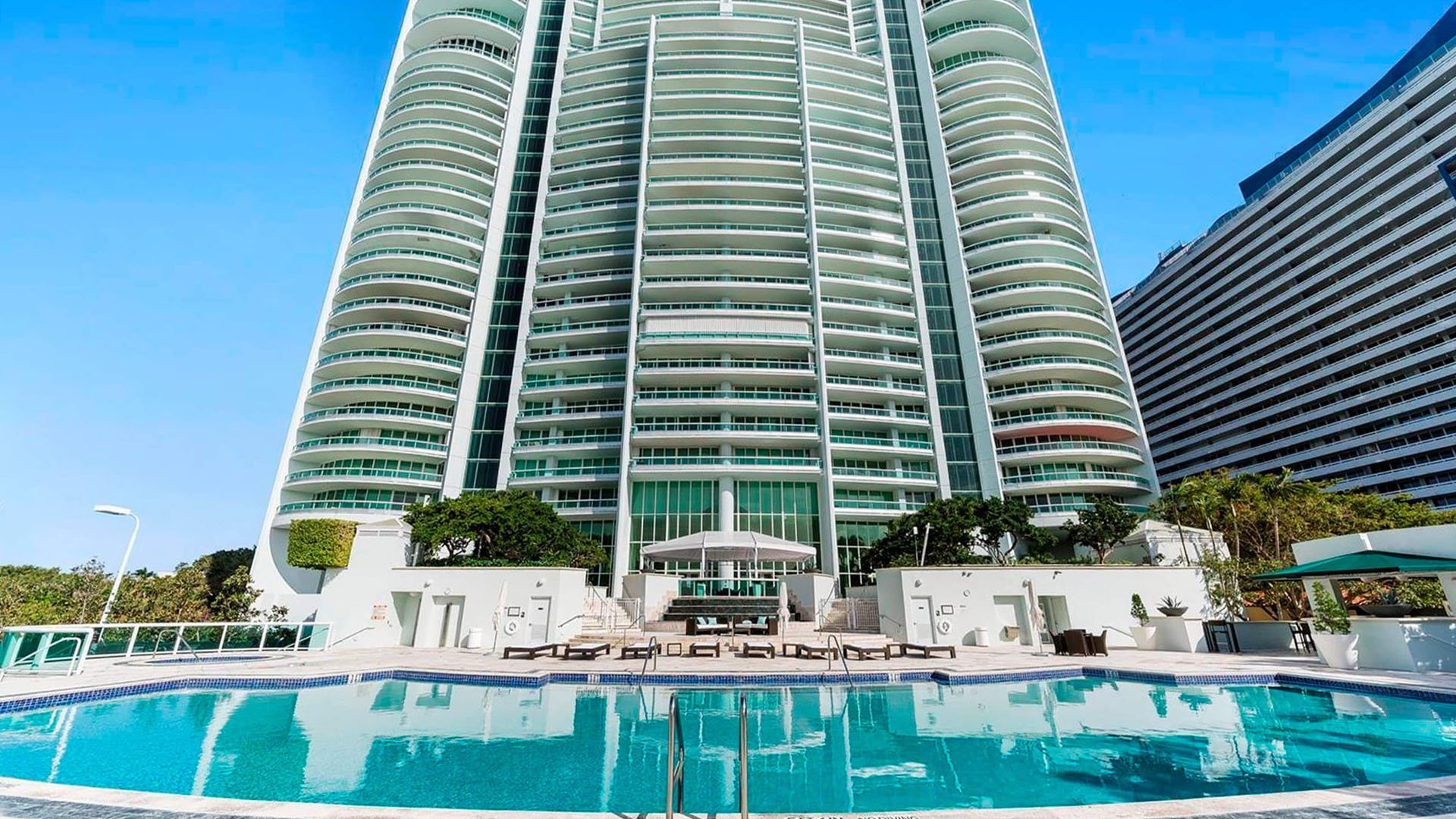
A cash buyer often moves with speed, privacy, and negotiating confidence. Yet the absence of a lender does not make a property simpler. It shifts the burden of verification more squarely onto the buyer and the advisory team. In South Florida luxury real estate, that burden includes pump systems that sit out of sight but influence daily comfort, risk management, and long-term operating costs.
The word “pump” can mean several different things inside a high-value home or condominium. It may refer to drainage, sewage ejector equipment, pool circulation, irrigation, domestic water pressure, HVAC condensate removal, or components tied to shared building infrastructure. Each system carries a different consequence if it fails. Some failures create inconvenience. Others can interrupt occupancy, damage finishes, or expose a buyer to immediate capital work after closing.
For buyers searching across Brickell, oceanfront, pool-oriented, new-construction, resale, and single-family home opportunities, the issue is not limited to one property type. Whether the target is a waterfront estate, a boutique low-rise, or a branded tower, cash buyers should treat pump review as a separate diligence lane, not a footnote inside a general inspection.
The first question is not whether the home has a pump. It is how many pumps serve the property, where they are located, who owns them, and what each one does. A buyer comparing a vertical residence such as The Residences at 1428 Brickell with a coastal home or lower-density condominium will encounter very different mechanical responsibilities.
In a condominium, the residence may rely on systems owned, maintained, or controlled by the association. Inside the unit, there may still be equipment associated with condensate, specialty fixtures, terraces, or private amenities. In a single-family setting, the owner is more likely to bear direct responsibility for drainage, pool, irrigation, lift, and pressure equipment. The practical task is to separate private ownership from shared ownership before contingencies are waived.
Ask for a written inventory. If no inventory exists, request that the inspector, plumber, pool professional, or mechanical contractor identify pumps by function. A clean closing file should make clear what is being purchased, what is being relied upon, and what remains under association control.
A pump room can look orderly without revealing how well the equipment has been maintained. Cash buyers should ask for service records, invoices, warranty documents, repair notes, and evidence of recent testing. The goal is not to build an academic archive. It is to determine whether the system has been actively cared for or simply left untouched until a problem appears.
Service history is especially valuable when finishes are new. Fresh flooring, crisp millwork, and staged lighting can distract from older mechanical components. In luxury homes, the cost of failure is amplified by the quality of the materials around the system. A small mechanical issue can become a design, access, and remediation issue if it reaches stone, wood, wall coverings, or built-in cabinetry.
For new construction, the question changes. Buyers should ask what commissioning has occurred, who installed the equipment, which warranties transfer, and what maintenance is required to keep coverage intact. A buyer looking at Bentley Residences Sunny Isles or other high-profile coastal addresses should distinguish between the glamour of delivery and the practical handoff of mechanical responsibility.
A pump that works during a walkthrough is not necessarily a system designed for interruption. Cash buyers should ask how the system alerts an owner or management team if something goes wrong. Is there an audible alarm, a visual alert, a smart notification, or a connection to building management? Who receives the notice, and what is the response protocol?
Backup power also deserves careful attention. If a pump is essential to drainage or occupancy, buyers should know whether it is supported during an outage and under what conditions. This inquiry should be specific. It is not enough to hear that a building or home has a generator. The relevant question is whether the particular pump at issue is connected to backup power, tested, and included in maintenance procedures.
Redundancy is another point of distinction. Some systems may have more than one pump, while others rely on a single component. A cash buyer does not need to become an engineer, but the buyer should understand whether there is a secondary path if the primary pump fails.
In a condominium purchase, pump diligence extends beyond the unit. Buyers should ask for association documents that clarify responsibility, recent repairs, planned mechanical work, budget treatment, and access rules. If an association controls the equipment, the buyer should know whether the cost of repair is handled through routine maintenance, reserves, special assessment, or another mechanism.
This is particularly relevant in sophisticated coastal and urban buildings, where private living depends on shared systems. A buyer touring The Perigon Miami Beach may focus naturally on light, view, architecture, and arrival sequence. Those qualities matter, but so does the less visible question of who maintains the equipment that protects comfort and continuity.
Access can be just as important as ownership. If a pump serving the residence is located in a common mechanical area, the buyer should know who may enter, how quickly service can be arranged, and whether after-hours protocols exist. Luxury living is not only about amenities. It is about operational competence when something requires attention.
For single-family homes, pump diligence becomes more personal because the owner usually controls more of the system. The inspection should include drainage paths, pool equipment, irrigation pumps, sump or lift components where present, and any specialty systems linked to lower-level spaces, outdoor kitchens, or ancillary structures.
Waterfront and low-lying sites deserve particular care, not because every property carries the same risk, but because site conditions can make mechanical details more consequential. Buyers should request testing where practical, review visible discharge points, confirm that equipment is accessible, and ask whether any recurring service issues have been disclosed.
A residence such as Alina Residences Boca Raton may draw a different diligence profile than a private waterfront home, but the discipline is similar: define the system, confirm who owns it, test what can be tested, and understand what happens when it fails.
Cash buyers often shorten timelines. That makes clear contract language more important, not less. If pump review is material, the purchase agreement should allow enough time for specialized inspections, document requests, and follow-up visits. A general inspection period may be too broad if the buyer needs a plumber, pool contractor, mechanical specialist, or association response.
If a concern arises, the remedy should be specific. A vague promise to repair may not be enough. Buyers can request licensed contractor evaluation, proof of completed work, transferable warranties where available, escrow for defined items, or a price adjustment that reflects known uncertainty. The correct approach depends on the property and negotiation posture.
Post-closing access should also be considered. If equipment is located behind finished surfaces, inside locked areas, or within association-controlled spaces, a buyer should understand the practical steps required for future maintenance. In the luxury market, discretion and design often conceal infrastructure. Due diligence should make sure beauty has not compromised serviceability.
Pump systems rarely define the romance of a South Florida purchase. They do not appear in the sunset photograph, the terrace conversation, or the first impression at the porte cochère. Yet they help determine whether a home lives as effortlessly as it looks.
For cash buyers, the advantage is control. Without financing delays, there is more freedom to negotiate terms, select specialists, and move decisively. The responsibility is to use that freedom wisely. Verify the systems. Clarify responsibility. Test assumptions. Keep written records. Then close with the confidence that the visible luxury is supported by competent infrastructure.
Should a cash buyer still order a pump inspection? Yes. Paying cash removes lender requirements, but it does not remove mechanical risk or the need for specialized review.
Which pump systems should be identified first? Start with drainage, sewage or lift equipment, pool circulation, irrigation, domestic pressure, and HVAC condensate systems where applicable.
Are condo pump systems always the association’s responsibility? No. Some systems may be shared, while others may serve or be located within a private residence, so responsibility should be confirmed in writing.
What documents should a buyer request? Ask for service records, invoices, warranties, repair notes, maintenance schedules, and any association documents related to shared mechanical systems.
Is a working pump during a walkthrough enough? No. A walkthrough only shows a moment in time, while records and testing help reveal reliability, maintenance, and response planning.
Should backup power be verified? Yes. Buyers should confirm whether critical pumps are connected to backup power and whether that arrangement is tested and maintained.
Can pump issues affect closing terms? Yes. Material pump concerns can affect the buyer’s risk assessment and negotiation strategy, so they should be addressed before contingencies are released.
Who should inspect pump systems? A general inspector may identify concerns, but plumbers, pool contractors, or mechanical specialists may be needed for deeper review.
What matters most in a luxury condo purchase? Clarify ownership, access, maintenance history, association budgeting, and emergency response procedures for any shared or residence-specific systems.
What should be negotiated if a problem is found? Consider contractor evaluation, completed repairs, transferable warranties, escrow, or pricing adjustments tied to the specific issue.
For a discreet conversation and a curated building-by-building shortlist, connect with MILLION.
If branded residences are on your mind — as a home or as an allocation — we would be glad to share what we are seeing, privately.
Begin a quiet conversation