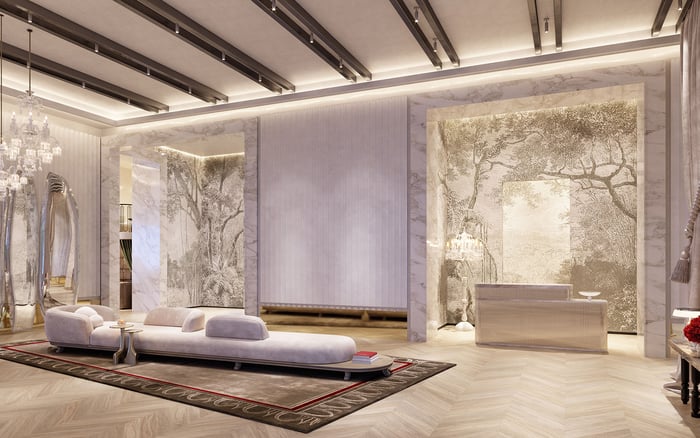
A buyer-focused look at how private wellness rooms in Miami penthouses should be evaluated in 2026, from ventilation and acoustics to board approvals, serviceability, privacy, and long-term resale flexibility.
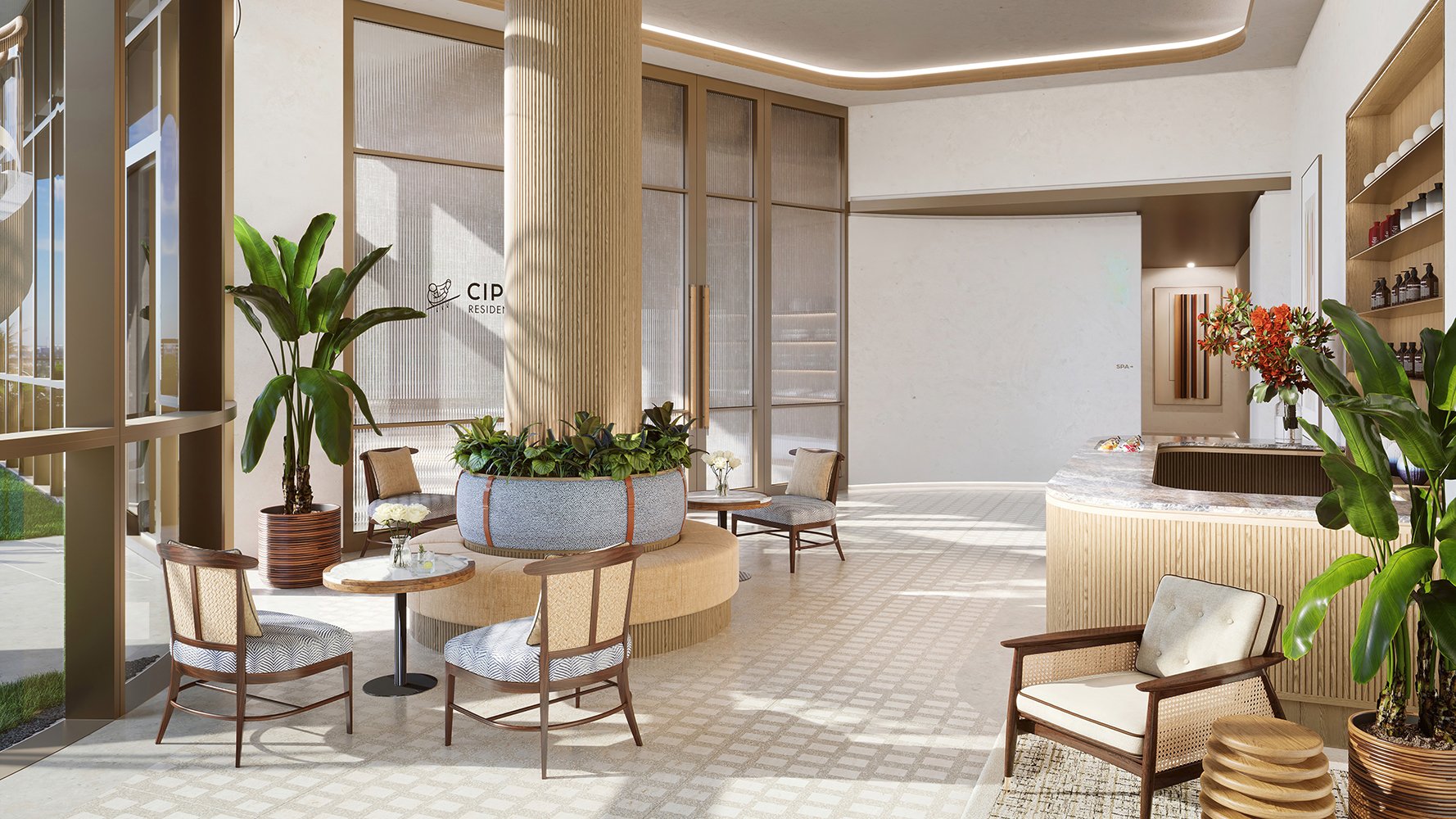
Private wellness rooms have become part of the penthouse conversation in Miami, but the sharper 2026 question is not whether the space exists. It is whether the room has been designed with the same discipline as the kitchen, primary suite, elevator landing, and terrace structure. A massage room, infrared sauna, cold plunge area, meditation suite, recovery lounge, or treatment room may photograph beautifully. The due-diligence issue is whether it performs quietly, safely, and elegantly after closing.
For a penthouse buyer, the room should be treated as private infrastructure, not decorative square footage. That means looking beyond finishes and asking how the space breathes, drains, isolates sound, receives service, and adapts if a future owner wants another use. In the ultra-premium market, wellness is not persuasive because it sounds indulgent. It is persuasive when it is calm, maintainable, and nearly invisible in operation.
The first test is mechanical credibility. A true private wellness room may require carefully considered ventilation, humidity control, electrical capacity, water management, and temperature consistency. If the room includes heat, steam, plunge, exercise, or treatment functions, the buyer should understand how those systems interact with the residence and the building. The most beautiful millwork cannot compensate for condensation, odor transfer, vibration, or a service panel placed where no technician can reasonably reach it.
The second test is acoustics. Wellness is often associated with silence, but silence is designed. Ask whether the room is buffered from bedrooms, neighboring residences, elevator cores, service areas, and outdoor mechanical noise. A private treatment room that shares a wall with an active entertaining zone may be less serene than the floor plan suggests. A recovery room near the primary suite can be excellent, but only if privacy is protected in both sound and circulation.
The third test is reversibility. Buyers in Brickell, Miami Beach, and Sunny Isles often compare very different lifestyles, but the same principle applies: the best wellness space should have a credible second life. A room that can become a study, salon, nursery, dressing lounge, studio, or staff support area may carry broader value than a highly specific installation that is difficult to remove.
A private wellness room succeeds when it does not announce its complexity. Buyers should ask how vendors enter, where linens or supplies are stored, and whether a therapist, trainer, or technician can arrive without disrupting the household. In a penthouse, the arrival sequence matters. Service access, elevator protocol, parking coordination, and staff circulation can make the difference between a room used weekly and a room that becomes a showpiece.
Discretion also applies to privacy. A room designed for bodywork, recovery, or meditation should not feel exposed to main entertaining spaces or terrace sightlines. If the residence has dramatic glass, the buyer should consider shading, reflection, evening visibility, and the relationship between interior lighting and exterior views. Waterview drama is one of Miami’s great luxuries, but in a wellness room it should be controlled rather than theatrical.
The most refined layouts create a private sequence: suite, dressing, bath, wellness, terrace, or a variation of that rhythm. The least convincing layouts borrow a leftover room and rename it wellness. In 2026, buyers should be able to tell the difference quickly.
Private wellness is still part of a larger condominium ecosystem. Before treating any installation as permanent value, buyers should understand whether the association permits the relevant equipment, whether approvals are required for plumbing or electrical changes, and whether any future alteration would need additional review. A room with water, heat, vibration, or specialized equipment may carry different implications than a conventional den.
Insurance is another quiet but important layer. Buyers should ask whether specialty equipment affects coverage, maintenance obligations, leak risk, or warranty expectations. If a seller has added a feature after original delivery, the buyer should request clear documentation that the work was properly approved and completed. If the residence is new-construction, the question becomes whether the room is part of the original design intent or an optional fit-out that still needs precise execution.
The purpose is not to make wellness feel complicated. It is to avoid paying a premium for a space whose elegance depends on assumptions. In the highest tier, confidence is part of the amenity.
The most valuable private wellness rooms usually share a few traits. They are appropriately scaled, technically legible, visually quiet, and connected to the daily life of the residence. They do not require guests to pass through intimate areas. They do not force staff through formal spaces. They do not depend on a single trend. Most importantly, they support the way the owner actually lives.
A buyer who entertains frequently may prefer wellness tucked behind the primary suite, away from the social spine. A buyer who travels often may prioritize recovery, stretching, and sleep support near the bedroom. A family may value a flexible room that can shift between wellness, study, and quiet retreat. A collector may care more about air quality, lighting control, and calm separation from display areas. None of these priorities is universal, which is precisely why due diligence should be personal.
There is also a resale dimension. A future buyer may admire a private spa suite, but may not want the exact same equipment. The strongest penthouse plans preserve optionality. They suggest wellness without trapping the next owner inside a fixed concept.
MILLION views private wellness rooms through a simple lens: does the space make the residence more livable, more private, and more enduring? If the answer depends only on materials or branding, the diligence is incomplete. If the answer rests on systems, circulation, approvals, maintenance, and adaptability, the room has a stronger claim to real value.
In Miami’s upper tier, a penthouse is often judged by what can be seen immediately: ceiling height, terrace depth, water exposure, kitchen design, and the quality of the primary suite. Private wellness requires a quieter reading. The essential clues are behind walls, above ceilings, beneath floors, and in the choreography of how people move through the home. The best rooms do not ask for attention. They create relief.
For 2026 buyers, the core question is direct: is this a designed wellness environment, or an expensive room with a wellness label? The answer may influence comfort, maintenance, privacy, and long-term desirability more than the marketing language ever could.
What is the main due-diligence question for a private wellness room? Ask whether the room is supported by appropriate systems, approvals, acoustics, and service access, not simply whether it looks finished.
Should buyers treat a wellness room as added value? It may add value when it is well designed, permitted where needed, maintainable, and flexible enough to suit future owners.
Why does ventilation matter in a penthouse wellness room? Heat, humidity, scent, and exercise use can affect comfort, finishes, and adjacent rooms if ventilation is poorly planned.
Are cold plunge or sauna areas more complex than a meditation room? Yes. Water, heat, drainage, electrical load, and maintenance access can create additional diligence questions.
How important is sound control? Very important. A wellness room should feel calm and private, which requires attention to both interior and building-related noise.
Can a wellness room hurt resale? It can if it is too specialized, difficult to remove, or poorly integrated into the residence’s floor plan.
What should buyers ask about condominium approvals? They should ask whether equipment, plumbing, electrical changes, and future alterations require association review or documentation.
Is a flexible wellness room better than a fully built spa suite? Often, yes. Flexibility can protect long-term value while still supporting a high level of daily comfort.
Where should a private wellness room be located? Ideally, it should be near the owner’s private zones while remaining discreetly accessible for service or professional visits.
What is the simplest sign of a credible wellness room? It feels quiet, works naturally with the plan, and has visible evidence of thoughtful technical planning.
When you're ready to tour or underwrite the options, connect with MILLION.
If branded residences are on your mind — as a home or as an allocation — we would be glad to share what we are seeing, privately.
Begin a quiet conversation