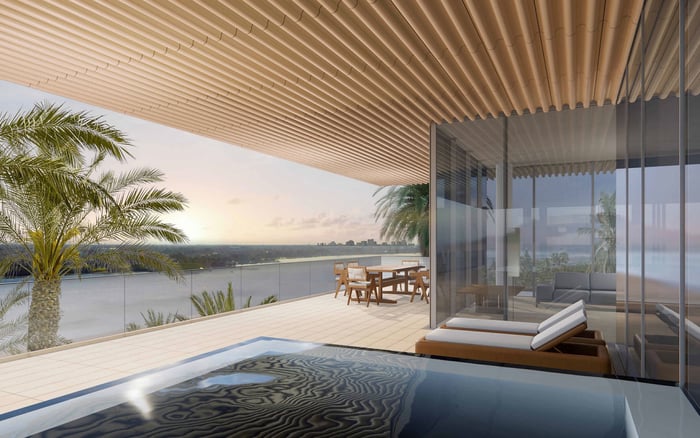
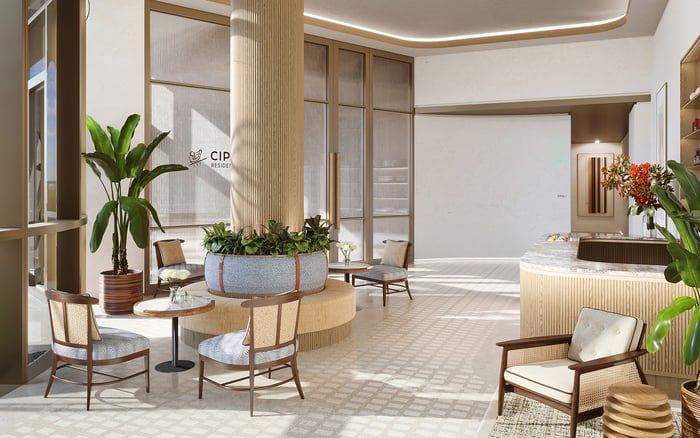
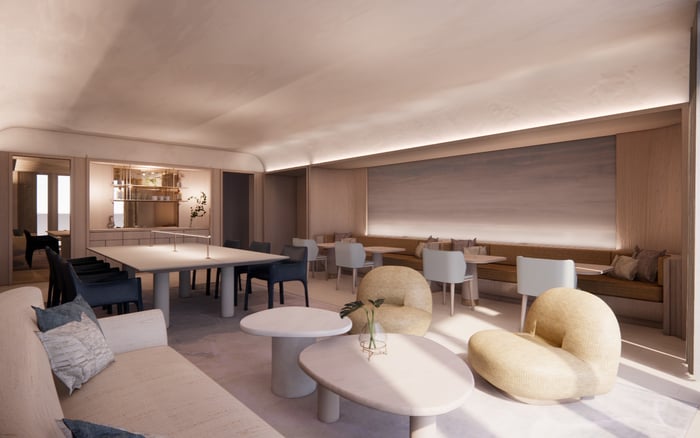
A buyer-oriented editorial on why sunrise light is becoming a more discerning lens for South Florida luxury residences, from daily rhythm to resale composure.
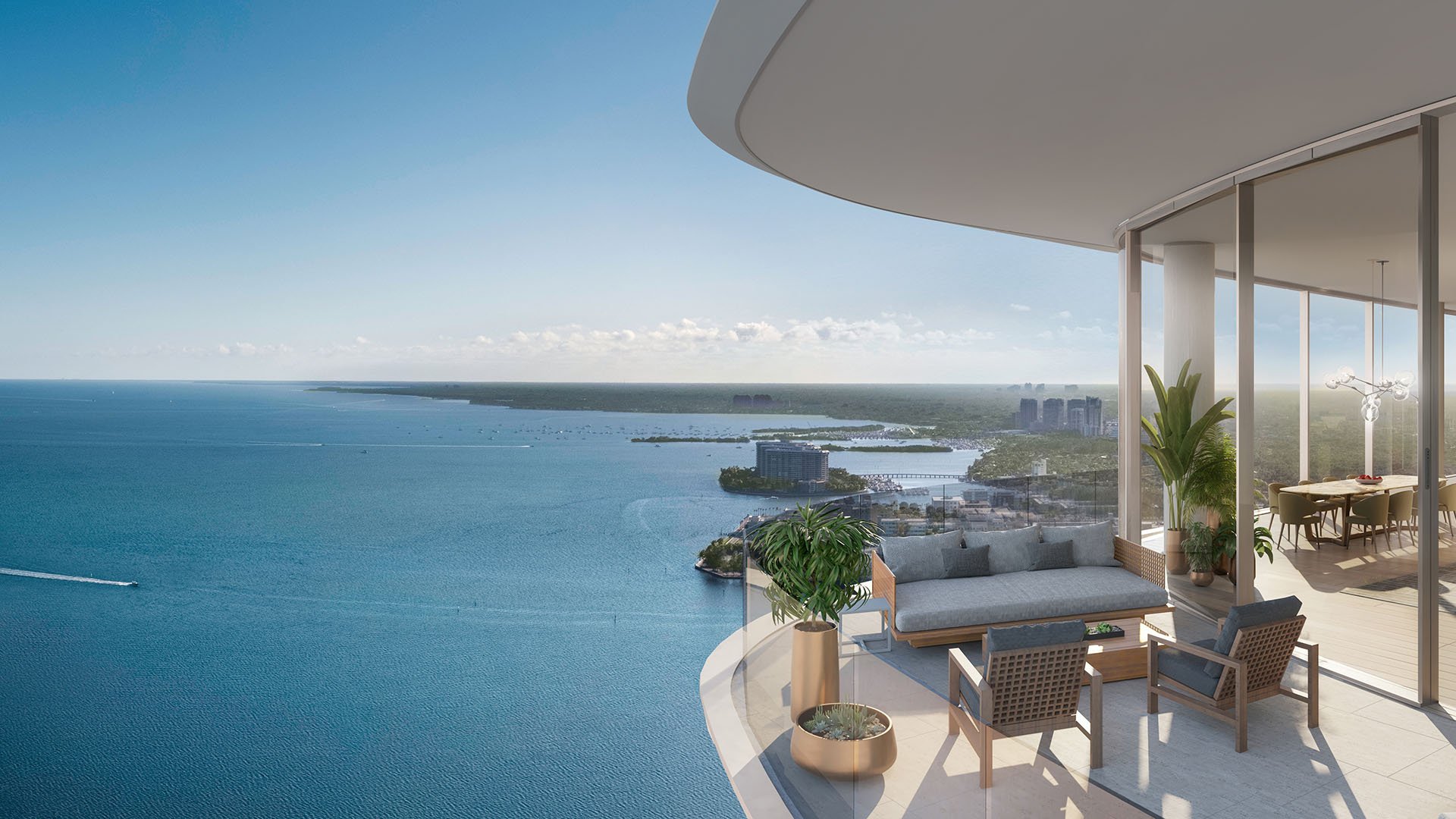
In South Florida luxury real estate, sunrise light has always been beautiful. The 2026 buyer question is whether it is useful. A residence can dazzle at first viewing, especially when the horizon is clean, the glass is generous, and the water turns silver before the day begins. Yet the more refined buyer is no longer asking only what the light reveals. The sharper question is what the light does to daily life.
Morning light touches the private hours of a home: waking, reading, exercising, preparing for school, taking the first call, or sitting quietly before the city gains volume. It can make a primary suite feel restorative or overly exposed. It can give a kitchen a sense of ceremony or create glare across a breakfast table. It can make a terrace feel like the best room in the residence, but only when exposure is balanced by shade, proportion, and privacy.
For a 2026 purchase, sunrise is not a poetic detail. It is a performance test. Buyers should experience it, not imagine it. The most persuasive homes are those where morning light feels calm, controlled, and repeatable, not merely dramatic for a few minutes.
The luxury buyer is increasingly attentive to how a residence behaves across the day. A floor plan may read perfectly on paper, but orientation determines how the home feels in use. Sunrise light becomes a filter because it touches comfort, wellness, photography, privacy, furnishings, and the emotional cadence of the home.
This is especially relevant in a region where water, sky, glass, and outdoor space define much of the residential experience. A sunrise-facing room can deliver a memorable first impression, but the premium lies in moderation. Does the light wash the room softly or strike it harshly? Does the bedroom invite rest, or does it require blackout solutions every morning? Does the terrace support coffee and conversation, or does it become a viewing platform used only in select conditions?
The most sophisticated buyers look beyond the obvious vocabulary. The shorthand a buyer may use, from Brickell to Miami Beach and Palm Beach, often begins with a view category: oceanfront, waterview, or new construction. The better search then becomes more precise: how does the residence receive the first light, and how does that light support the life intended there?
A view can be immediate. Livability is slower. It requires the buyer to consider how long the view remains pleasurable after the initial impact. Sunrise light may frame the water beautifully, but it should also cooperate with the furniture plan, the temperature of the room, the height of the sill, and the placement of art.
A well-composed morning residence does not force the owner to choose between beauty and comfort. The ideal condition is layered: glass that opens the room, enough architectural depth to soften brightness, a terrace that can be occupied without strain, and interior proportions that let the light move rather than dominate.
Buyers should pay particular attention to the primary suite. Morning light there is deeply personal. Some owners want an early natural cue. Others want darkness, stillness, and control. Neither preference is more luxurious than the other. The luxury is having the residence accommodate the preference without compromise.
Kitchens and breakfast areas deserve similar scrutiny. A kitchen with sunrise exposure can feel optimistic and highly usable, especially for households that begin early. But direct glare across stone, lacquer, or glass surfaces can alter the experience. The question is not whether the room photographs well. It is whether it functions gracefully at the hour it is most likely to be used.
A buyer should treat a sunrise showing as a site visit, not a tour. Arrive early enough to observe the transition from low light to full morning. Stand in the rooms that matter most. Sit where the bed would be used, where breakfast would be served, where a laptop might open, and where a guest would naturally pause.
Look for reflections as much as views. Light bouncing off water or adjacent glass can be as important as direct sun. Notice whether brightness gathers in one corner or floods the entire room. Observe whether privacy changes as the light rises. A residence may feel secluded at dusk and quite visible at sunrise.
The terrace requires its own reading. A generous outdoor room should be evaluated for actual use, not just its dimensions. Is there enough depth for shaded seating? Does the railing preserve the view while seated? Does the morning air feel connected to the interior, or is the terrace more symbolic than practical?
Buyers considering high floors should also think about exposure differently. Elevation can create wider horizons and a grander sense of arrival, but it can also increase the importance of shading, window treatment planning, and interior material choices. The goal is not to avoid brightness. The goal is to make brightness civilized.
Resale value should not be reduced to a single feature, and sunrise light is not a guarantee of future demand. Still, a residence with well-managed natural light tends to feel more complete. It photographs cleanly, shows well, and offers a daily experience that buyers can understand quickly.
The key phrase is well-managed. Raw exposure is not the same as refined exposure. A room that requires constant correction can weaken the feeling of ease. By contrast, a room that receives morning light with poise can make the entire residence seem more intentional.
In the upper tier, buyers are often comparing homes that are already impressive. The differentiator is rarely one isolated amenity. It is the accumulated sensation that nothing has been left unresolved. Morning light contributes to that sensation because it reveals decisions: ceiling height, glass quality, terrace depth, room orientation, and the relationship between private and social spaces.
This is why the sunrise question belongs early in the buying process. If the home is meant for primary use, the morning routine matters. If it is a second home, the question becomes how the property feels during the rare hours when owners are most likely to slow down. In both cases, the light is not a backdrop. It is part of the reason to own.
The essential question is simple: will this light make the residence more livable five years from now, or is it only persuasive today?
That question is useful because it resists impulse. It asks the buyer to imagine habit, not spectacle. It asks whether the sunrise makes the home easier to inhabit, easier to enjoy, and easier to return to after time away. It also clarifies priorities. Some buyers will prefer soft indirect light and extended privacy. Others will want a direct morning horizon and an early sense of energy. The right answer depends on the life being designed.
A disciplined buyer should compare several moments: sunrise, midmorning, afternoon, and evening. The first light may win the heart, but the full day must support the decision. The residence that deserves attention is the one that remains composed across these changes.
In that sense, sunrise light is less about romance than precision. It is one of the most revealing ways to judge whether a South Florida home has been chosen for image or for life.
Why does sunrise light matter in a luxury home? It affects privacy, comfort, room use, and the emotional start of the day.
Should every buyer prioritize an eastern exposure? No. The best exposure depends on lifestyle, sleep habits, view preference, and climate control.
Is a sunrise view always better for resale? Not always. Managed light and livability are more important than direction alone.
What room should buyers evaluate first? Start with the primary suite, then study the kitchen, terrace, and main living area.
How should buyers test morning glare? Visit early, sit in the main use areas, and observe reflections on floors, counters, and glass.
Can window treatments solve poor morning light? They can help, but they should refine the experience rather than rescue the room.
Does terrace depth matter for sunrise exposure? Yes. A usable terrace needs enough depth, shade potential, and comfort while seated.
Is sunrise light more important for a primary home or second home? It matters for both, but the priority changes with how and when the residence is used.
What is the biggest mistake buyers make with sunrise views? They judge the photographable moment instead of the full daily experience.
How should a 2026 buyer frame the decision? Ask whether the light will still feel calm, useful, and desirable after the first impression fades.
If you'd like a private walkthrough and a curated shortlist, connect with MILLION.
If branded residences are on your mind — as a home or as an allocation — we would be glad to share what we are seeing, privately.
Begin a quiet conversation