A refined buyer’s guide to evaluating steam-room ventilation as part of a luxury wellness suite, with emphasis on finish integrity, comfort, service access, and resale confidence.
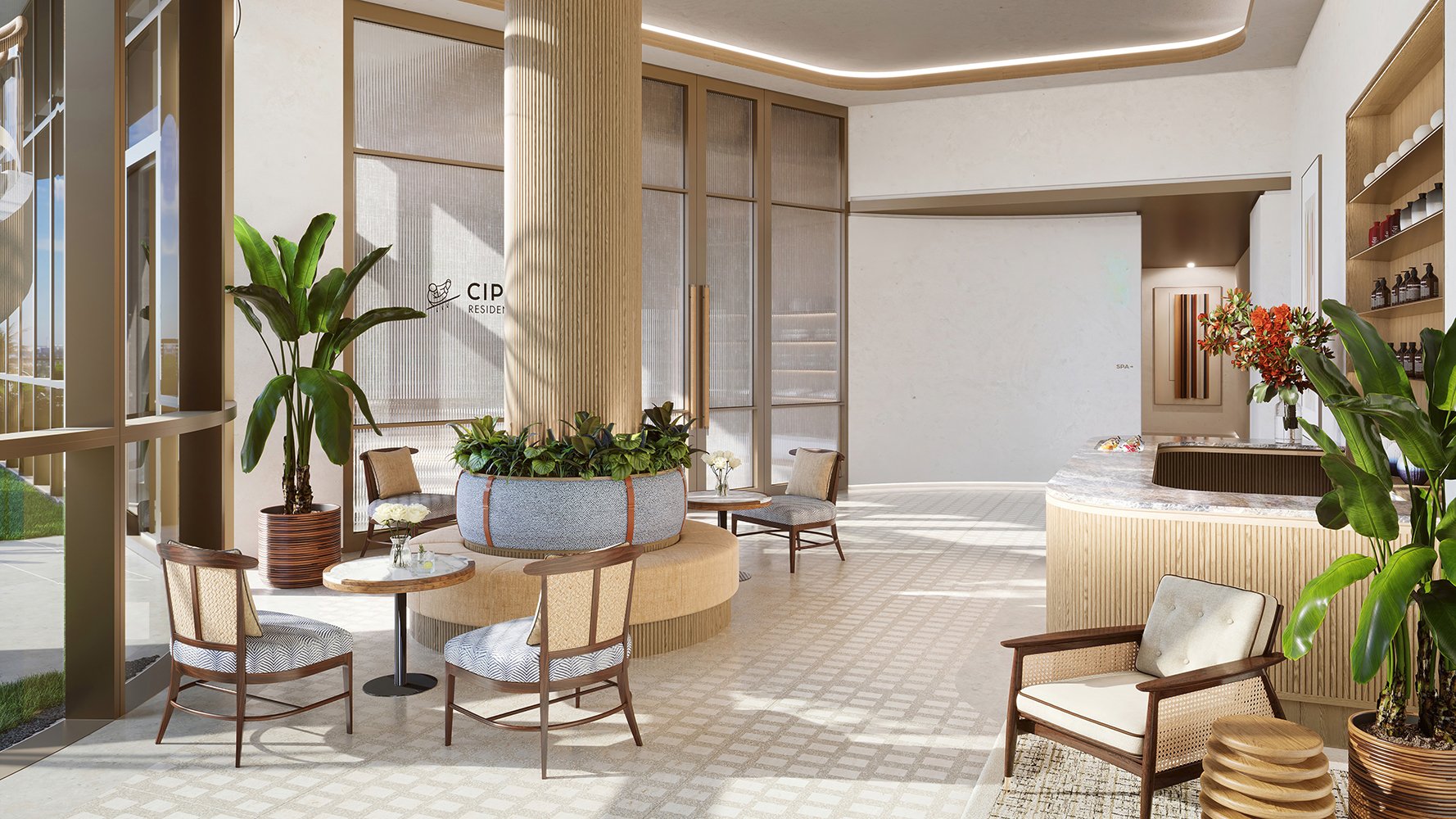
A steam room can seduce quickly. Warm stone, dim light, a bench shaped for stillness, and the promise of private ritual all reach the buyer before the technical questions begin. That is exactly why the most disciplined luxury buyer slows down.
In an ultra-premium residence, the steam room is not merely an amenity. It is a compact, demanding interior environment set inside a much larger asset. The difference between a tourist’s glance and a buyer’s read is simple: the tourist asks whether it feels glamorous in the moment. The buyer asks whether that glamour is controlled, serviceable, and likely to age with dignity.
Ventilation sits at the center of that judgment. Not because it should dominate the room, but because it should quietly support everything else: the comfort of the session, the condition of adjacent finishes, the feeling of the spa corridor afterward, and the owner’s confidence that beauty has been engineered rather than staged.
Most people step into a steam room and look at the stone first. A sharper buyer looks at where the moisture wants to go next. Open the door, pause, and observe the transition area. Does the air feel heavy outside the room? Is the ceiling immediately beyond the door visually crisp? Does the door close with confidence, or does it feel tentative and ornamental?
A luxury steam room should convey containment. That does not mean it feels crudely sealed. It means the room has been conceived as part of a sequence: dry approach, controlled steam, calm recovery, and clean re-entry into the residence. If the experience spills into corridors, changing zones, or millwork-adjacent areas, the design may be asking finishes to perform beyond their role.
Look especially at thresholds. A convincing threshold is not only a piece of hardware or a line of stone. It is a boundary between two atmospheres. The best rooms make that boundary feel intentional.
In a steam environment, the ceiling deserves more attention than the floor. Buyers often admire book-matched slabs and overlook the plane above them, yet the ceiling can reveal whether the room was designed for use or merely photographed well.
Stand still and look for visual discipline. Are joints clean? Are light fixtures placed with restraint? Does the ceiling read as an integrated surface, or as an afterthought carrying equipment, lighting, and access points without hierarchy?
A buyer does not need to diagnose the mechanical design on sight. The more useful skill is noticing whether the ceiling feels calm. In high-end residential wellness spaces, calm is rarely accidental. It suggests that design, installation, and service expectations were considered together.
Luxury buyers are trained to look. Steam rooms also ask them to listen. Mechanical sound, airflow tone, door behavior, and the ambient quiet of the recovery area all matter. A room can be beautifully clad and still feel unresolved if the experience is noisy, uneven, or distracting.
Enter without conversation. Close the door. Let the room settle. Listen for vibration, rattling, or tonal harshness that interrupts the spa mood. Then step outside and listen again. The true luxury test is not only what happens inside the steam room, but whether the surrounding residence remains composed.
This is especially relevant in dense vertical living, where wellness amenities, private baths, dressing rooms, and sleeping areas may sit in close relationship. The standard should be serenity, not merely function.
The steam-room door is one of the most revealing components in the entire suite. It is handled repeatedly, sits at the atmospheric boundary, and must feel substantial without feeling difficult. A flimsy or poorly fitted door can undermine even an expensive material palette.
Open it slowly. Close it without force. Study the perimeter. A sophisticated door does not call attention to itself, but it communicates precision. The handle should feel natural to the hand. The swing should suit the room. The glass, if present, should feel aligned with privacy, proportion, and the architecture of the wellness area.
Do not mistake visual minimalism for performance. A spare detail can be excellent, but only if it is resolved. In luxury property, the invisible discipline behind the detail is often more important than the detail’s drama.
A serious buyer should ask practical questions in a calm tone. How is the steam room serviced? Where are access points? Who maintains the system? What routine care does the space require? How are adjacent areas protected during use? These questions do not make the buyer difficult. They make the buyer sophisticated.
The point is not to turn a showing into an inspection. The point is to understand whether the property team, owner, or developer can speak clearly about the wellness suite as a living system. Vague answers are not automatically alarming, but precision is reassuring.
For a buyer considering Miami Beach, Brickell, Sunny Isles, or Palm Beach residences, the wellness conversation often sits beside larger questions of privacy, service culture, and long-term ownership comfort. In oceanfront and new-construction settings, the steam room should feel like part of the residence’s broader design intelligence, not a decorative amenity added for brochure value.
The area immediately outside the steam room may tell you more than the room itself. This is where design discipline becomes visible. A towel niche, shower sequence, bench, hook placement, lighting temperature, and floor transition all reveal whether the steam experience was imagined from the user’s point of view.
A luxurious recovery zone does not need to be large. It needs to feel composed. There should be a place to pause, dry, and reorient without colliding with cabinetry, corridors, or circulation. If the steam room opens awkwardly into a high-finish area with little buffer, ask how the space performs when actually used.
The best wellness suites create a change in tempo. You leave heat and enter calm. The transition should feel effortless, not improvised.
Luxury steam rooms often rely on rich materials, shadow lines, and atmospheric lighting. These are legitimate pleasures. The buyer’s task is not to reject drama, but to determine whether drama has been disciplined by durability.
Look at corners, seams, benches, ledges, and the lower portions of walls. These areas often reveal the relationship between design ambition and execution. A room that photographs beautifully from the doorway may be less convincing when read at the edges.
Also consider whether the aesthetic depends on perfection that may be difficult to preserve. Some finishes are stunning because they are pristine. Others are stunning because they are robust, tactile, and forgiving. A luxury buyer should know which kind of beauty is being offered.
A steam room rarely drives the entire purchase decision, but in the upper tier it can influence how a residence feels as a complete private world. Wellness spaces are part of the emotional architecture of ownership. They shape mornings, evenings, guests’ impressions, and the owner’s sense that the home anticipates private rituals.
Still, valuation should remain disciplined. A steam room is more compelling when it supports the property’s overall language. It should align with the primary suite, bath design, terrace life, views, service areas, and the level of finish expected throughout. If it feels isolated from the rest of the home, it may be a feature rather than a fully integrated luxury element.
The strongest read is holistic: beautiful atmosphere, controlled transition, confident detailing, accessible service logic, and a recovery area that feels as considered as the room itself.
What should a luxury buyer notice first in a steam room? Begin with the threshold and the area outside the door. They reveal whether the steam experience is contained and thoughtfully sequenced.
Is stone quality the most important sign of a good steam room? Stone matters, but it is only part of the story. Joints, ceilings, doors, lighting, and recovery areas often say more about execution.
How can I evaluate ventilation during a short showing? Notice air heaviness outside the room, door behavior, ceiling condition, and sound. You are reading the experience, not performing a technical inspection.
Should I ask maintenance questions before making an offer? Yes. Service access, routine care, and operating expectations are appropriate questions for a serious luxury buyer.
What does a well-designed recovery zone feel like? It feels calm, dry, intuitive, and private. It gives the user a graceful pause between heat and the rest of the residence.
Can a beautiful steam room still be poorly resolved? Yes. A space can photograph well while feeling noisy, awkward, or unresolved at thresholds, corners, and service points.
Why does the door matter so much? The door is the boundary between two atmospheres. Its weight, fit, swing, and seal all influence the sense of quality.
Should buyers bring a specialist to review the steam room? For a serious purchase, specialist review can be prudent. The buyer’s first role is to identify what deserves closer attention.
Does a private steam room add luxury value? It can strengthen the residence when integrated with the broader wellness and bath experience. It is most persuasive when it feels intentional.
What is the best way to shortlist comparable options for touring? Start with location fit, delivery status, and daily lifestyle priorities, then compare stacks and elevations to validate views and privacy.
To compare the best-fit options with clarity, connect with MILLION.
If branded residences are on your mind — as a home or as an allocation — we would be glad to share what we are seeing, privately.
Begin a quiet conversation