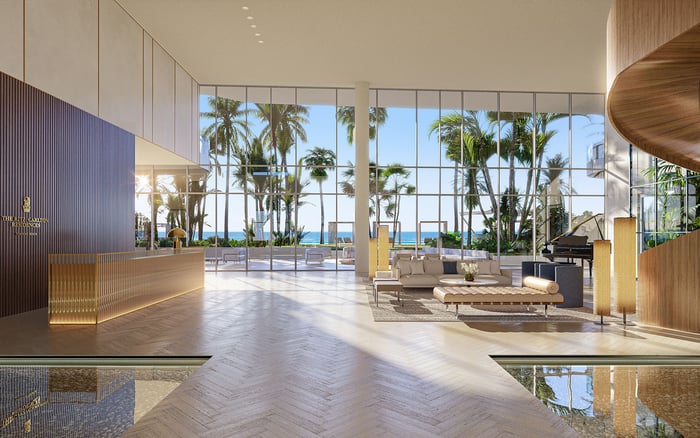
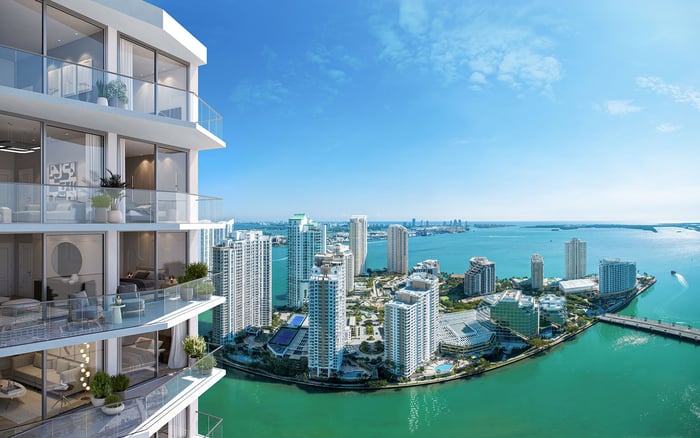
A buyer-focused guide to approaching waterfront insurance planning in Palm Beach and South Florida, especially for Buenos Aires families evaluating second homes, new residences, and condo ownership.
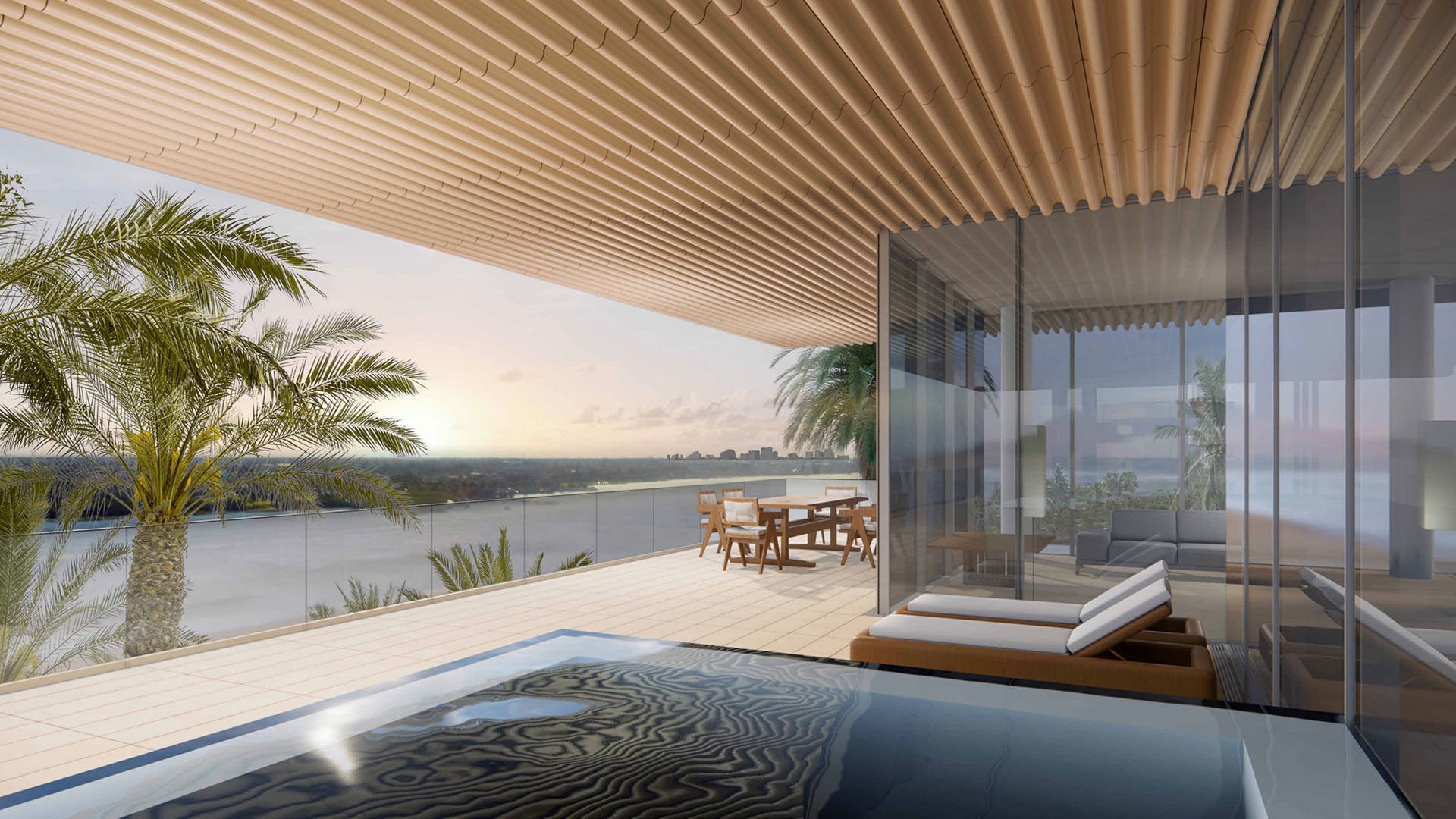
For a Buenos Aires buyer, Palm Beach often feels like a natural progression: familiar privacy, club culture, water views, and a quieter expression of wealth than many global resort markets project. Yet the strongest waterfront purchases are not evaluated by architecture, outlook, or proximity to Worth Avenue alone. They are assessed through a parallel lens: how the asset will be insured, protected, documented, and maintained over time.
Insurance planning is not a closing detail. It is part of the acquisition strategy. A residence on the water can involve several distinct considerations: wind exposure, flood exposure, building replacement assumptions, interior finishes, art, jewelry, personal liability, watercraft, staff access, seasonal vacancy, and the distinction between what a condominium association covers and what an owner must insure privately. For buyers coming from Buenos Aires, the priority is to translate lifestyle expectations into underwriting realities before emotional commitment hardens around a view.
Many Argentine families approach South Florida with a precise brief. They want a secure base for extended stays, a place where children and relatives can gather, and an asset that feels legible from abroad. The insurance plan should be equally legible. Who will occupy the residence? Will it be used seasonally or throughout the year? Will domestic staff, guests, or family offices have access? Will the home hold art, couture, watches, wine, or specialty furnishings?
These details matter because the policy architecture should reflect how the property will actually live. A lightly furnished pied-à-terre has different needs than a full-floor waterfront residence with imported stone, custom millwork, and valuable collections. Likewise, a condo used only during school holidays may require a different conversation than a residence occupied by family members year-round.
In the buyer's own file, terms such as Palm-beach, Oceanfront, Waterview, Second-home, New-construction, and Brickell should not function merely as search labels. They should become prompts for insurance questions.
Waterfront ownership in South Florida can look deceptively simple from the outside. A tower may offer concierge service, valet, wellness amenities, and a highly managed arrival sequence, yet the owner's personal insurance responsibilities can remain significant. Before contract, counsel and insurance advisors should review the building's governing documents and master insurance position, then separate association-level coverage from unit-owner exposure.
The practical question is not only whether the building is insured. It is what the owner must insure inside the residence. Flooring, cabinetry, built-ins, appliances, closets, wall treatments, fixtures, and specialty upgrades can fall into a gray area unless reviewed carefully. Buyers considering refined West Palm Beach waterfront settings, including Alba West Palm Beach, should treat the master policy review as part of design due diligence, not as paperwork.
Single-family waterfront ownership raises another set of concerns. The home, site conditions, seawall, dock, pool, generators, guest structures, exterior improvements, and landscaping may require a more customized approach. The appeal of privacy is real, but so is the responsibility of owning the entire envelope.
For international buyers, one of the most important distinctions is that water-related risk is not one category. Wind-driven rain, storm surge, interior plumbing leaks, roof openings, rising water, and mold can be treated differently depending on the policy and circumstances. A polished closing binder is not enough. The buyer needs a clear explanation of what is covered, what is excluded, what is subject to special deductibles, and what must be placed separately.
Flood deserves its own review, especially for waterfront and low-lying settings. Even when a residence feels elevated, well managed, and architecturally substantial, the buyer should ask for a direct explanation of flood coverage, limits, deductibles, waiting periods if any, and the interaction with lender requirements. If a property is being purchased without financing, the absence of a lender requirement should not be mistaken for the absence of risk.
Wind coverage should also be examined with precision. Deductibles may operate differently than the buyer expects, and the out-of-pocket exposure after a named storm can be material for a high-value residence. The conversation should be framed in real numbers: what happens after a significant event, who coordinates the claim, and how quickly repairs can begin.
New residences can offer advantages in documentation, building systems, impact glazing, code compliance, and managed operations. They can also create a more organized pathway for insurance review because buyers may receive current building information through the sales process. Still, new construction should never be assumed to be simple from an insurance standpoint.
A buyer evaluating Forté on Flagler West Palm Beach may be drawn to the Flagler Drive waterfront rhythm, while another may prefer the marina and garden sensibility associated with The Ritz-Carlton Residences® Palm Beach Gardens. In both cases, the insurance review should move beyond the brochure: association obligations, unit finish responsibility, temporary occupancy rules, storage areas, parking, private terraces, and any boat-related exposure should all be discussed.
Buyers should also ask whether future interior customization will change the insured value. The moment a residence receives bespoke millwork, imported slabs, collectible lighting, or museum-level installation, the insurance schedule may need to be updated.
A waterfront residence is rarely just real estate. For many Buenos Aires families, it becomes a container for lifestyle assets: art, watches, jewelry, handbags, wine, sporting equipment, and occasionally vehicles or watercraft. Standard contents assumptions may not be adequate for these categories. The prudent approach is to establish schedules, valuations, storage protocols, and transit coverage before items arrive.
Liability also deserves discreet attention. Guests, household employees, yacht crew, drivers, children, and hosted events can all affect the risk profile. An umbrella or excess liability structure may be appropriate, but it should be coordinated with the ownership structure and any policies already maintained abroad. The objective is not to overcomplicate the purchase. It is to prevent gaps between the way the family lives and the way the policies respond.
Insurance planning also helps compare locations. Palm Beach, West Palm Beach, Fort Lauderdale, Miami Beach, Bay Harbor Islands, and Brickell each offer different lifestyle patterns, building formats, and waterfront relationships. A buyer who wants a calm seasonal residence may think differently than one seeking a social marina lifestyle or a city-facing bay view.
For example, Shorecrest Flagler Drive West Palm Beach speaks to buyers focused on the Flagler corridor, while Riva Residenze Fort Lauderdale may suit those drawn to boating culture and a broader Broward waterfront circuit. The insurance review should follow the lifestyle, not just the address.
The best advisors ask unglamorous questions early: how often the owner will be in residence, who has keys, whether the property will be lent to friends, whether it will ever be rented, how valuables will be stored, and who is authorized to act after a storm. These answers can influence coverage, service expectations, and claims readiness.
Before signing, buyers should request a coordinated review among legal counsel, insurance advisors, property managers, and, where appropriate, the family office. The goal is to define the likely coverage stack, understand deductibles, identify exclusions, and confirm whether the contemplated ownership structure creates any issue.
The checklist should include building documents, association insurance summaries, inspection materials when available, elevation or flood-related information when relevant, prior claim questions where appropriate, proposed interior upgrades, contents inventory planning, and emergency management protocols. For a waterfront residence, the post-closing plan matters as much as the closing itself.
This is where sophisticated buyers create an advantage. They do not wait for the insurer to react to the property. They present the residence, use case, ownership profile, and risk controls clearly, allowing the insurance market to respond with greater precision.
Should Buenos Aires buyers arrange insurance before making an offer? They should begin the conversation before contract so coverage, deductibles, and timing do not become late-stage surprises.
Is condo insurance simpler than single-family insurance? It can be more structured, but buyers still need to understand what the association covers and what remains the owner's responsibility.
Does a new waterfront building remove the need for flood review? No. New construction may improve documentation, but flood exposure and policy terms still require separate review.
What should buyers ask about wind coverage? They should ask how deductibles work, what triggers them, and how repairs would be handled after a major event.
Are art and jewelry automatically covered? High-value items often require schedules, appraisals, or specialized coverage, so they should be discussed before arrival.
Does paying cash change insurance needs? It may remove lender requirements, but it does not remove the owner's exposure to loss or liability.
Should ownership structure be discussed with the insurance advisor? Yes. The named insured, entity structure, and authorized users should align with the policy language.
Can seasonal vacancy affect coverage? It can. Buyers should disclose actual occupancy patterns and arrange monitoring, maintenance, and access protocols.
What role does a property manager play? A manager can help document conditions, coordinate vendors, and respond quickly after weather or water events.
What is the best way to shortlist comparable options for touring? Start with location fit, delivery status, and daily lifestyle priorities, then compare stacks and elevations to validate views and privacy.
For a discreet conversation and a curated building-by-building shortlist, connect with MILLION.
If branded residences are on your mind — as a home or as an allocation — we would be glad to share what we are seeing, privately.
Begin a quiet conversation