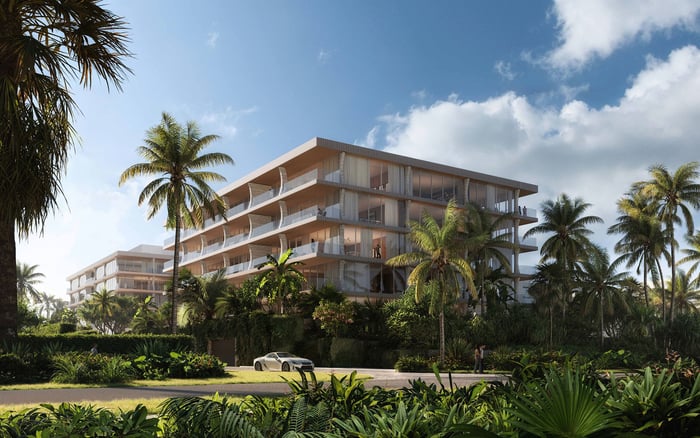
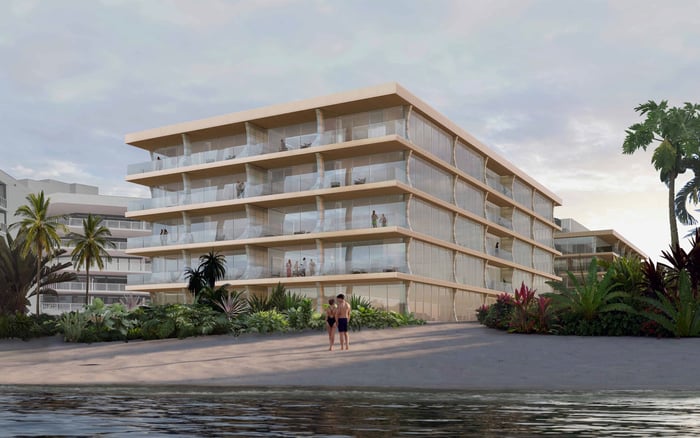
Seasonal buyers in South Florida need circadian lighting that supports arrival, recovery, entertaining, and quiet evenings, not just decorative impact.
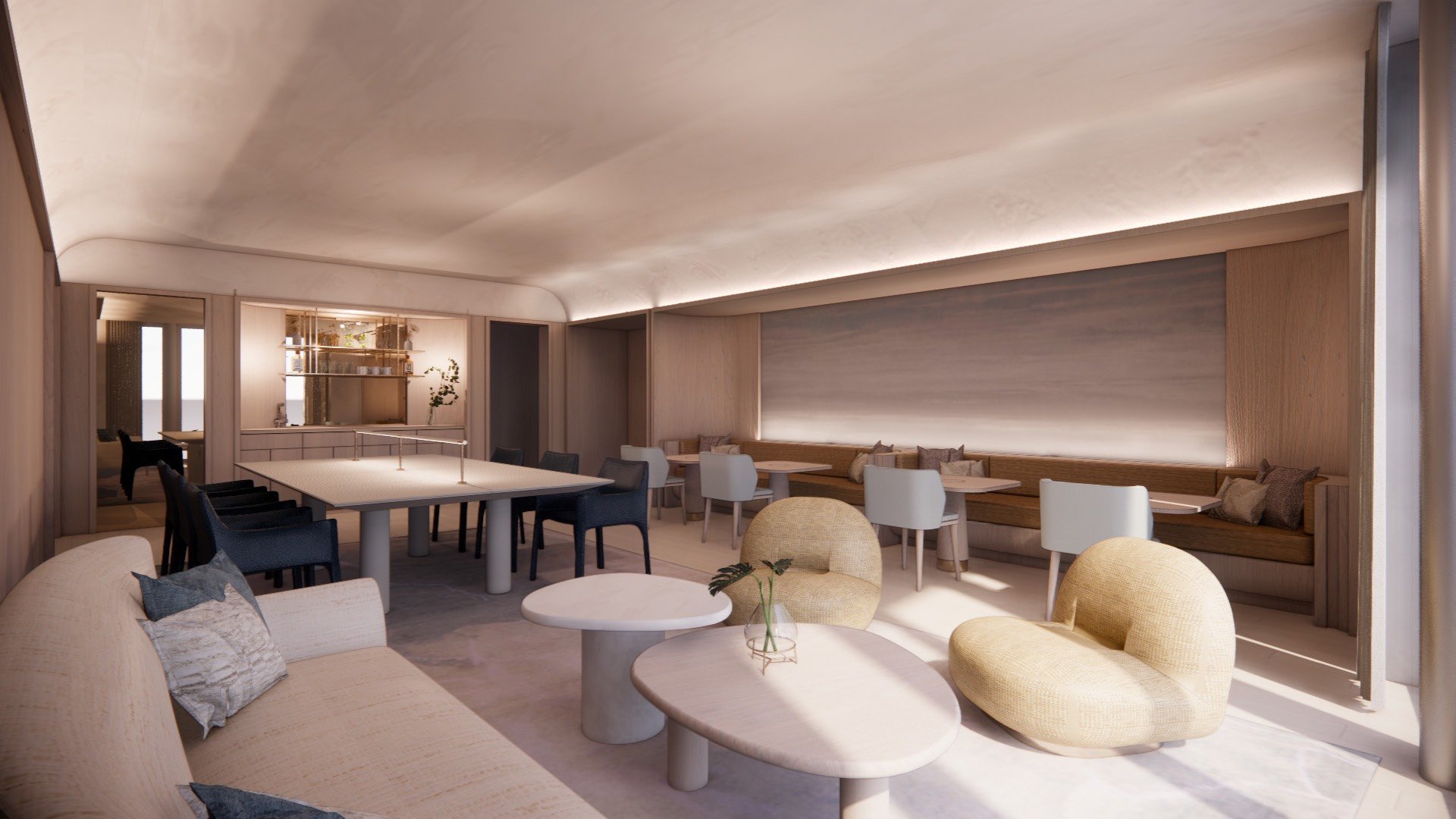
In a primary residence, lighting is typically refined around routine. The owner wakes in the same bed, uses the same kitchen, reads in the same chair, and gradually adapts to the home’s rhythm. A seasonal residence is different. It must welcome its owner after travel, restore orientation, and perform beautifully during compressed periods of use.
That is why circadian lighting deserves a higher standard in South Florida’s luxury market. The question is not whether a home has attractive fixtures, soft dimming, or a photogenic evening glow. The more important question is whether the lighting system helps the owner feel grounded at arrival, alert during the day, composed at dinner, and relaxed before sleep.
For seasonal buyers, especially those moving between climates and time zones, lighting is part of the residence’s wellness infrastructure. It is as consequential as acoustic privacy, air quality, shade control, and the quality of the primary suite. The best systems feel nearly invisible. The home simply seems to know how bright, warm, or restrained it should be.
South Florida homes are shaped by powerful natural light. Ocean glare, reflective water, glass architecture, deep terraces, pale stone, and sunset exposure all change the way interiors behave throughout the day. A lighting plan that looks balanced on a showroom board may feel stark, flat, or theatrical once installed in an oceanfront residence.
Seasonal use makes this more sensitive. Owners often arrive after flights, meetings, or long drives. They may enter the home at dusk, host guests the next day, then spend several quiet mornings recovering from a demanding northern schedule. The lighting system must serve each condition without requiring the owner to relearn the residence.
In practical portfolio language, the brief often reads: second-home, oceanfront, new-construction, with Miami Beach, Brickell, or Palm Beach lifestyle patterns shaping the daily light plan. Yet those labels are only the beginning. A true circadian standard studies how a buyer lives in the home during arrival, entertaining, work, exercise, retreat, and sleep.
Many luxury residences are beautifully lit in the architectural sense. Cove lighting glows. Pendants create drama. Backlit stone looks exquisite after dark. Art walls are highlighted. But decorative lighting and circadian lighting are not the same discipline.
Decorative lighting asks how the residence looks. Circadian lighting asks how the residence feels over time. It considers the tone of light in the morning, the intensity of light during focused tasks, the transition from late afternoon to dinner, and the restraint needed near bedtime. A chandelier can be spectacular and still do little to support the body’s sense of day and night.
This is especially important in bedrooms and bathrooms. A seasonal owner may arrive at night, wake early, and step into a bath that is either too dim to function or too bright to feel civilized. A better standard gives the primary suite multiple modes: a gentle night path, a calm morning scene, a grooming setting that renders color properly, and an evening mode that avoids harsh overhead emphasis.
The first hour in a seasonal residence sets the tone for the stay. A thoughtful arrival scene should make the home feel occupied, calm, and legible. It should light the entry, kitchen, circulation paths, and primary suite with enough clarity to unpack and settle in, but without the intensity of a fully active daytime scene.
This is where many homes underperform. They offer too many switches, too many unlabeled scenes, or lighting that defaults to a dramatic entertaining mode. For an owner arriving after dark, drama can feel like friction. The residence should not demand technical attention at the very moment it is meant to deliver ease.
A superior system is simple on the surface and sophisticated behind it. The entry scene should coordinate with motorized shades where applicable, soften reflections on glass, and avoid washing the entire home in uniform brightness. Luxury is not maximum illumination. It is precision.
Circadian quality is not created by fixtures alone. In South Florida, it depends on the choreography between daylight, shade, glass, interior finishes, and artificial lighting. A residence with full-height windows can feel magnificent in the morning and fatiguing by afternoon if glare is not managed. Conversely, an overly shaded home may protect art and upholstery while leaving rooms feeling muted during the day.
Seasonal buyers should evaluate how the residence behaves at different times, not only during a scheduled showing. The best design approach treats electric lighting as a companion to daylight. Morning spaces should feel fresh without glare. Work areas should be clear without looking corporate. Dining spaces should flatter faces and materials. Terraces should transition gracefully from sunset to evening without becoming a spotlighted stage.
This is where lighting intersects with architecture. Deep overhangs, recessed windows, textured ceilings, warm woods, pale marbles, and bronze details all affect the result. A circadian plan must be tuned to the actual residence, not copied from another property.
Seasonal buyers should ask whether lighting scenes have been commissioned after installation, not merely designed. Commissioning means the system has been adjusted in the completed home, with furniture, finishes, art, and window treatments considered. It is the difference between intention and performance.
They should also ask how easy the system is to use. A home may have advanced controls, but if the owner cannot confidently select arrival, morning, dinner, evening, and night scenes, the system is too complicated. The most refined homes reduce choices without reducing capability.
Bedrooms deserve particular scrutiny. Ask whether bedside controls can activate quiet pathways without disturbing a partner. Ask whether bathroom lighting can shift between grooming clarity and late-night softness. Ask whether guest suites are intuitive enough for visitors. In a seasonal property, guests are part of the use case, and confusion is not luxurious.
A well-executed lighting system is difficult to capture fully in photographs, but it is immediately felt during a private showing. Buyers sense when a residence is comfortable at dusk, flattering after dark, and calm in the primary suite. They also sense when a home feels visually expensive but physically tiring.
As luxury buyers become more fluent in wellness, the distinction will matter more. The value is not in claiming a wellness feature. It is in delivering a daily experience that feels better than expected. In a seasonal residence, where time in the home is precious, that advantage becomes even more pronounced.
Circadian lighting should not be treated as a gadget or an afterthought. It belongs in the same conversation as floor plan, ceiling height, exposures, acoustic separation, terrace depth, and privacy. For the right buyer, it can be the invisible detail that makes the residence feel restorative rather than merely impressive.
For South Florida’s ultra-premium audience, the standard is shifting from aesthetic lighting to experiential lighting. The residence must photograph beautifully, yes, but it must also support how the owner enters, rests, hosts, works, and recovers. Seasonal buyers should expect lighting that is adaptable, discreet, and thoughtfully commissioned.
The ideal result is not a home that announces its technology. It is a home that feels easier to inhabit from the first evening. In the most refined residences, circadian lighting is not a feature to demonstrate. It is a quality that quietly shapes the entire stay.
What is circadian lighting in a luxury residence? It is lighting planned to support the home’s daily rhythm, with scenes that shift in brightness, warmth, and intensity from morning to night.
Why do seasonal buyers need a different standard? Seasonal buyers often arrive after travel and use the home in concentrated periods, so lighting must support recovery, orientation, entertaining, and sleep.
Is circadian lighting the same as smart lighting? No. Smart lighting refers to control capability, while circadian lighting refers to the quality and timing of light throughout the day.
Which rooms matter most for this type of lighting? Primary bedrooms, bathrooms, kitchens, work areas, circulation paths, dining rooms, and terraces are especially important.
Should buyers evaluate lighting during the day or evening? Ideally, both. A residence can feel balanced in daylight but too bright, dim, or theatrical after sunset.
Does ocean exposure change the lighting plan? Yes. Water, glass, and pale finishes can intensify glare and reflections, so shade control and softer interior scenes become important.
Can an existing residence be upgraded? Often, yes. The feasibility depends on wiring, controls, fixture locations, ceiling conditions, and the desired level of integration.
What makes a lighting system feel truly luxurious? It should be intuitive, quiet, flattering, flexible, and simple to operate without calling attention to the technology behind it.
Should guest suites have simplified controls? Yes. Guests should be able to use basic scenes without instruction, especially in a seasonal home designed for hosting.
When should lighting be reviewed in a purchase process? It should be reviewed before closing whenever possible, alongside shades, audiovisual systems, electrical capacity, and interior finish plans.
To compare the best-fit options with clarity, connect with MILLION.
If branded residences are on your mind — as a home or as an allocation — we would be glad to share what we are seeing, privately.
Begin a quiet conversation