A discreet guide to how South Florida luxury buyers should evaluate developer warranties before committing to new or pre-construction residences.

In South Florida luxury real estate, the buyer conversation has become more exacting. Views, finishes, architecture, service, wellness programming, and privacy still matter, but 2026 buyers are increasingly asking a quieter question before they sign: what does the developer stand behind after closing?
That question is not driven by fear. It is driven by sophistication. At the top of the market, a residence is not only a setting for life on the water or above the skyline. It is a complex asset composed of structure, systems, shared amenities, branded services, association governance, and long-term maintenance obligations. A developer warranty is one of the few documents that connects the romance of a new residence with the practical realities of ownership.
For new-construction and pre-construction purchasers, warranty review now belongs in the same discipline as reviewing floor plans, deposit structure, completion expectations, and association documents. The most informed buyers do not treat warranties as boilerplate. They read them as a statement of accountability.
A warranty is not a sales amenity. It is a framework for what may be addressed, how claims are made, who decides whether an issue qualifies, and what remedies may be available. The language can be technical, but the underlying buyer question is simple: if something material does not perform as expected, what happens next?
In the ultra-premium segment, that question extends beyond the private residence. It may touch terraces, windows, waterproofing, mechanical systems, elevators, pool decks, spa areas, garages, smart-home infrastructure, and other common elements. Buyers should understand the distinction between items inside the residence, items serving the residence, and elements controlled by the association or building management.
The best warranty review begins before contract execution, not after closing. By the time a buyer is selecting stone, cabinetry, lighting, and closet systems, the legal and practical warranty questions should already be in motion. What is covered? What is excluded? How long does coverage last? What notice must be given? Is repair the only remedy? Who performs the work? What happens if a condition is intermittent or difficult to reproduce?
These questions are not adversarial. They are normal in a mature luxury market.
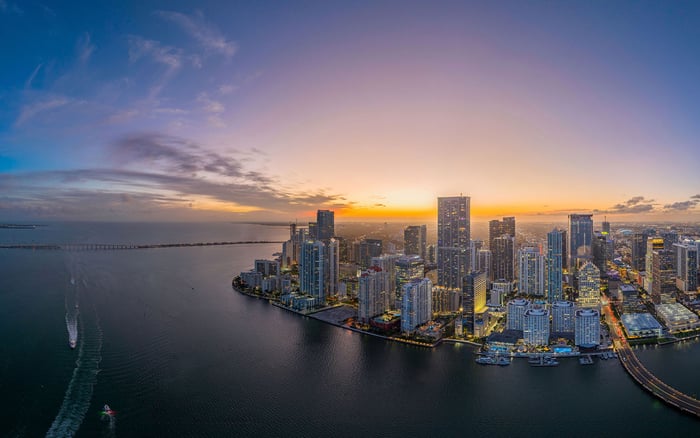
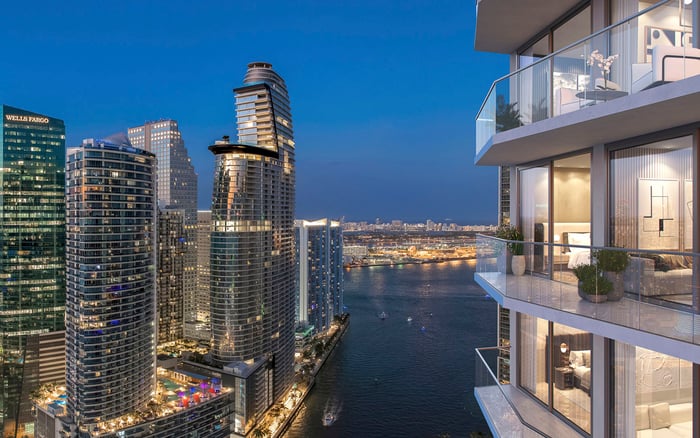
South Florida’s new-residence landscape is dense with promise. Brickell speaks to vertical urban living and international capital. Miami Beach draws buyers who want ocean air, cultural proximity, and a softer daily rhythm. Sunny Isles continues to attract waterfront buyers who prize height, exposure, and resort-style service. Each setting has its own lifestyle logic, but the warranty lens is remarkably consistent.
A warranty can reveal how a developer thinks about post-closing relationships. Clear notice procedures, accessible owner support, practical timelines, and transparent limitations suggest an organized delivery culture. Vague language, narrow definitions, or burdensome claim requirements may require deeper questioning.
For an investment-minded buyer, the warranty conversation also affects liquidity. A residence with unresolved issues can become more complicated to lease, sell, or refinance. Even when a defect is ultimately repairable, uncertainty has a cost. Buyers who expect optionality should ask how warranty claims are documented, how transferable rights are treated, and whether open matters could follow the unit into resale negotiations.
This is where discretion matters. In the best transactions, warranty diligence is handled calmly by experienced counsel, inspectors, and advisors. It does not disrupt the elegance of the purchase. It preserves it.
The first document to review is the warranty language itself. Buyers should ask for the full text, not a marketing summary. If the residence is part of a larger condominium or branded development, the warranty language should be read alongside the purchase agreement, condominium documents, association budget, rules, and any specifications describing materials and systems.
Second, buyers should understand exclusions. Many warranties contain limitations for normal wear, owner modifications, improper maintenance, cosmetic tolerances, weather events, misuse, or work performed by third parties. These exclusions may be reasonable, but they should be understood before a buyer begins customizing the residence.
Third, buyers should clarify procedure. A strong warranty right can lose force if notice is late, incomplete, or sent to the wrong party. High-net-worth buyers often have household staff, property managers, designers, and contractors involved after closing. Everyone should know who is responsible for documenting an issue and sending notice.
Fourth, buyers should study the relationship between punch-list items and warranty claims. A pre-closing punch list is not the same as a post-closing warranty claim, although the two can overlap. The final walk-through should be careful, photographic, and specific. A buyer who accepts possession without documenting visible items may face a harder conversation later.
Finally, buyers should think about access. Repairs in a luxury residence can require scheduling around travel, family use, security protocols, art installation, pets, and privacy concerns. A warranty is most valuable when the process for evaluating and correcting issues is workable in real life.
One of the most important distinctions is between the unit and the common elements. A buyer may feel an issue inside the residence, while the cause may sit elsewhere in the building. Water intrusion, vibration, noise, temperature variation, or ventilation concerns can involve multiple systems and multiple decision makers.
This is why sophisticated buyers ask how the developer, association, property management, and any relevant contractors coordinate after closing. The buyer does not need to manage the building, but the buyer should understand the chain of communication. In a full-service property, the promise of ease depends on operational clarity.
The question becomes even sharper in amenity-rich buildings. Wellness suites, pools, lounges, private dining rooms, marinas, screening rooms, children’s spaces, and arrival experiences are part of the lifestyle value. If an amenity is delayed, modified, or requires repair, buyers should know which documents govern expectations and what recourse may exist.
In this sense, a warranty is part of the building’s emotional contract with its residents. It shapes how confidence is maintained after the ribbon is cut.
The most effective buyer strategy is simple: document, calendar, and communicate. Keep the warranty, contract, specifications, closing documents, inspection reports, punch-list records, correspondence, photographs, and maintenance records in a single organized file. Calendar notice deadlines. Report issues promptly and in writing. Avoid relying on informal side conversations as the only record of a problem.
Buyers should also be careful with renovations immediately after closing. Custom millwork, lighting changes, slab replacement, AV systems, window treatments, plumbing adjustments, and smart-home modifications can complicate responsibility if an issue appears later. Before altering any element that may affect coverage, obtain guidance.
For seasonal owners, designate a local representative who can inspect the residence periodically and respond quickly. South Florida residences often sit within demanding coastal environments, and maintenance is part of ownership. A warranty is not a replacement for stewardship.
The goal is not to create friction. The goal is to preserve leverage while keeping the relationship professional.
At the high end, buyers are not merely purchasing square footage. They are purchasing confidence. They expect materials to be resolved, service to be responsive, and the ownership experience to match the ambition of the architecture. Developer warranties belong in that conversation because they define what happens when the physical asset meets real conditions.
The 2026 buyer question behind developer warranties is therefore less about skepticism and more about alignment. Does the document align with the price point? Does the process align with the service promise? Does the developer’s post-closing posture align with the way the residence was presented before contract?
When those answers are clear, a warranty becomes more than a clause. It becomes part of the trust architecture of the purchase.
Should I review the developer warranty before signing a contract? Yes. Warranty language should be reviewed before signing so coverage, exclusions, deadlines, and remedies are understood early.
Is a warranty the same as an inspection? No. A warranty may address certain post-closing issues, while an inspection helps identify visible or discoverable concerns before closing.
Can cosmetic items be covered by a developer warranty? Sometimes, but coverage depends on the exact language and any exclusions or tolerances in the governing documents.
Why do exclusions matter so much? Exclusions define what the developer is not agreeing to cover, which can be as important as the coverage itself.
Should I document punch-list items in writing? Yes. Written notes, photos, and dates create a clearer record if an item remains unresolved after closing.
Who should review warranty documents for a luxury buyer? Experienced real estate counsel, inspectors, and trusted advisors should review the documents in the context of the full purchase.
Can renovations affect warranty coverage? They can. Buyer modifications may complicate responsibility, so guidance should be obtained before significant post-closing work.
Do warranties cover common areas? They may address certain building elements, but buyers should distinguish unit coverage from association or common-element matters.
Why does this matter for resale? Open warranty issues can affect buyer confidence, negotiation leverage, and the perceived condition of the residence.
What is the best habit after closing? Keep organized records, calendar deadlines, report issues promptly, and maintain the residence carefully.
For a discreet conversation and a curated building-by-building shortlist, connect with MILLION.
If branded residences are on your mind — as a home or as an allocation — we would be glad to share what we are seeing, privately.
Begin a quiet conversation