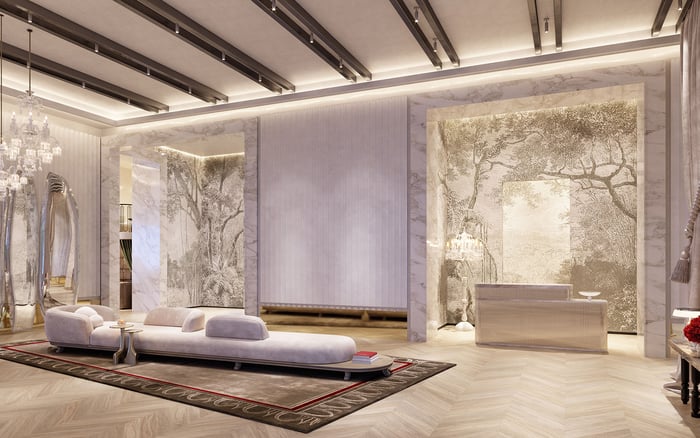
Circadian lighting belongs in its own due-diligence conversation because it affects daily use, controls, serviceability, privacy, and long-term flexibility in a luxury residence.
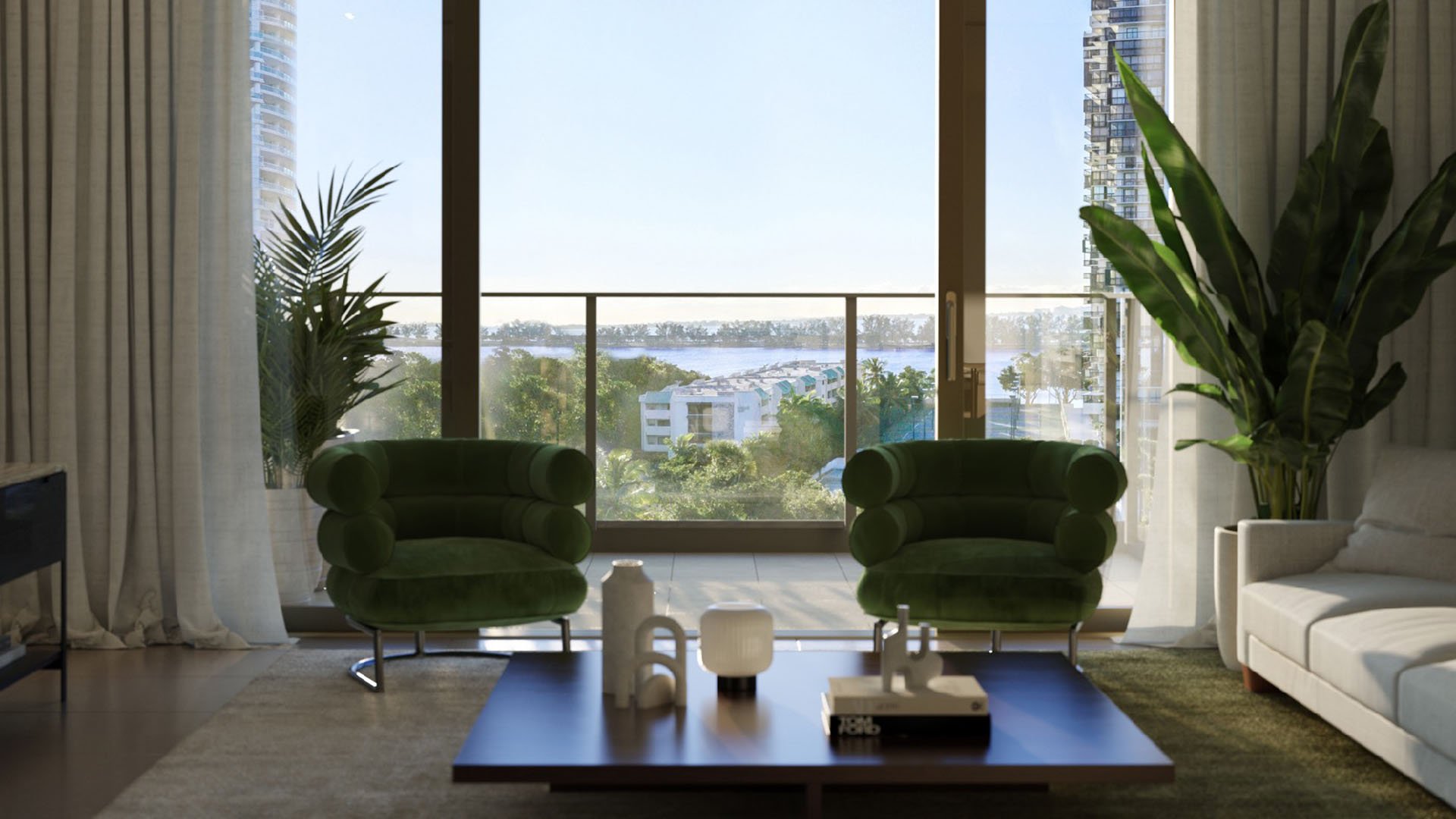
In luxury residential due diligence, lighting is often discussed too late and too broadly. A buyer may review chandeliers, downlights, architectural coves, art lighting, exterior glow, and smart-home controls in a single walkthrough, then assume the overall impression tells the whole story. Circadian lighting deserves a more deliberate review. It is not merely about whether a room looks beautiful at sunset. It is about how the residence is intended to feel, respond, and remain usable across mornings, work hours, evening entertaining, overnight circulation, and seasonal occupancy.
For South Florida buyers, the issue is especially relevant because residences are frequently evaluated as complete lifestyle environments. A waterfront home, a high-floor condominium, or a pied-à-terre may be purchased for light, views, privacy, hospitality, and quiet ease. If the lighting system is part of that promise, it should be reviewed as its own operating layer, separate from the more emotional conversation about finishes.
The goal is not to turn every buyer into a lighting engineer. It is to create a disciplined conversation before closing, contract deadlines, or design approvals make changes more expensive, disruptive, or politically complicated.
Decorative lighting answers one question: does the space look compelling? Circadian lighting asks another: how does the space behave across a day? Those questions are related, but they are not the same. A residence can photograph beautifully and still have a lighting system that feels confusing, overly automated, difficult to override, or poorly aligned with the way the owner actually lives.
A separate review allows a buyer to move beyond visual preference. Instead of asking only whether the living room is flattering, the better questions are practical. What happens when the first person wakes up? What happens when guests arrive? What lighting scene appears after dinner? What if someone wants the residence dimmer, brighter, warmer, cooler, or simply off? What happens during cleaning, security checks, or late-night movement through corridors?
This is where the conversation becomes personal. A buyer who entertains formally may want a different lighting rhythm than a family that uses the same spaces for remote work, children, guests, and quiet evenings. A collector may care intensely about art walls. A frequent traveler may value reliable preset scenes more than endless customization. The point is not that one approach is superior. The point is that the system should serve the buyer, not the other way around.
A focused due-diligence conversation should begin with plain-language mapping. Ask for an explanation of the lighting zones, the principal scenes, and the intended daily sequence. If the explanation becomes vague, that is useful information. A sophisticated residence should be capable of being explained clearly to the person who will live with it.
Buyers should ask which rooms are part of the circadian strategy and which are conventionally lit. They should ask whether the system is centralized, app-based, keypad-based, voice-enabled, sensor-driven, or some combination. They should understand whether manual control is simple, whether guests can use the system without instruction, and whether household staff can operate essential functions without touching sensitive settings.
The discussion should also include documentation. A buyer should know whether there is a schedule, scene list, control map, equipment list, and service contact structure. Even in a highly bespoke home, clarity matters. If a system depends entirely on one person’s memory, the buyer is inheriting fragility rather than convenience.
In many premium residences, the control interface becomes as important as the light source itself. Keypads, touchscreens, mobile apps, and presets shape the daily experience. A beautiful lighting concept can become frustrating if the controls are unintuitive or if basic adjustments require too many steps.
During due diligence, buyers should physically operate the controls. Do not only watch a demonstration. Turn scenes on and off. Dim them. Adjust rooms independently. Test the primary bedroom, bath, kitchen, closets, terrace access, and arrival sequence. Consider how the residence will feel to someone arriving late, leaving early, hosting guests, or moving through the home without turning on an entire suite of lights.
The same discipline applies across Brickell, Miami Beach, Sunny Isles, and Coconut Grove searches, whether the residence is new construction, pre-construction, recently completed, or being considered for renovation. In every case, the question is not simply whether technology exists. The question is whether the technology has been edited into an elegant daily routine.
In a completed residence, due diligence is about inspection, operation, and documentation. In a pre-delivery setting, the conversation shifts toward design approvals, allowances, substitutions, and upgrade paths. Buyers should clarify when lighting decisions become fixed, what can still be modified, and whether the circadian concept is included, optional, or merely compatible with future customization.
This is particularly important because lighting touches ceilings, controls, wiring, cabinetry, mirrors, closets, and sometimes shades. A late change can ripple across multiple scopes. A buyer who isolates the topic early has a better chance of keeping the conversation strategic rather than reactive.
The most valuable question may be the simplest: what will be delivered, and what will remain the owner’s responsibility? That distinction protects expectations. It also helps the buyer decide whether to engage an independent lighting designer, smart-home consultant, architect, or owner’s representative before decisions become final.
Lighting systems can involve software, connectivity, user profiles, service access, and stored preferences. Buyers should understand who can access the system, how updates are handled, and what happens if an owner wants to change vendors later. These are not alarmist questions. They are basic ownership questions for any highly controlled residential environment.
Serviceability also deserves attention. Ask whether replacement components are straightforward, whether the system can be reprogrammed without opening walls, and whether a future owner can simplify it. Luxury should not mean dependency on a system no one can maintain. The most refined technology often disappears into daily life while remaining legible to the people who support the residence.
Flexibility is equally important. A buyer’s use of a residence may evolve. A second home may become a primary home. A guest suite may become a nursery, office, wellness room, or caregiver suite. A lighting strategy that can adapt without major reconstruction is more valuable than one that is impressive but rigid.
The best conversation is calm, specific, and separate from negotiation theater. Buyers should ask for a dedicated session with the appropriate design, construction, or systems representative. The tone should be practical. The buyer is not accusing anyone of poor work. The buyer is clarifying how an important lifestyle system functions and what ownership will require.
A useful review can be organized around five themes: daily rhythm, controls, documentation, service, and adaptability. If the residence is occupied or staged, the buyer should request demonstrations at different light levels where feasible. If it is still under development, the buyer should request written clarity on inclusions, exclusions, and decision deadlines.
This is also an ideal moment to align household stakeholders. Couples, family offices, designers, assistants, and property managers may all interact with the lighting in different ways. A separate conversation gives each party room to identify concerns before they become daily irritations.
Circadian lighting should not feel like a technical burden. At its best, it becomes a quiet part of the residence’s atmosphere, supporting the owner’s preferred pace without demanding constant attention. That level of effortlessness rarely happens by accident. It comes from asking the right questions before the purchase or design process hardens.
For buyers at the top of the market, the issue is less about gadgetry and more about control over lived experience. Light influences how architecture is perceived, how rooms transition, and how a home receives its occupants. Treating it as a separate due-diligence conversation is not excessive. It is a mark of disciplined luxury ownership.
Why should circadian lighting be reviewed separately? Because it involves daily behavior, controls, service, and flexibility, not just decorative appearance.
Is this only relevant for new residences? No. Completed, renovated, new-construction, and pre-construction residences can all benefit from a focused lighting review.
What should a buyer ask to see first? Ask for the zone map, scene list, control locations, and a plain-language demonstration of daily use.
Should buyers operate the system themselves? Yes. A buyer should test key scenes, dimming, manual overrides, and common daily pathways directly.
What if the lighting looks beautiful during a showing? Beauty is only one part of the review. The system should also be intuitive, documented, serviceable, and adaptable.
Who should attend the due-diligence conversation? The buyer, adviser, designer, property manager, or systems specialist should attend when their input affects ownership.
Does circadian lighting require a smart-home system? Buyers should not assume. They should ask how the lighting is controlled, programmed, serviced, and changed.
What matters most in a second home? Simplicity, reliability, guest usability, and clear service support are especially important for intermittent occupancy.
Can lighting decisions affect renovation planning? Yes. Lighting can touch ceilings, controls, cabinetry, mirrors, shades, and other coordinated design elements.
What is the best way to shortlist comparable options for touring? Start with location fit, delivery status, and daily lifestyle priorities, then compare stacks and elevations to validate views and privacy.
For a discreet conversation and a curated building-by-building shortlist, connect with MILLION.
If branded residences are on your mind — as a home or as an allocation — we would be glad to share what we are seeing, privately.
Begin a quiet conversation