A discreet buyer’s guide to evaluating lock-and-leave ownership in Bal Harbour, from service structure and access control to absence planning, privacy, and long-term fit.

Lock-and-leave ownership is one of Bal Harbour’s quiet luxuries. For the right buyer, it means arriving to a residence that feels composed, secure, and ready, whether it has been vacant for two weeks or an entire season. For the wrong buyer, it can reveal a gap between expectation and building reality. The difference is rarely the marble, the view, or the lobby fragrance. It is the operating structure behind the address.
In Bal Harbour, many purchasers are not evaluating a primary residence in the traditional sense. They may be considering a second home, a seasonal base, or a residence that supports a broader portfolio of homes. Convenience matters, but it also makes due diligence more exacting. The question is not simply, “Can I leave?” It is, “What happens while I am gone, who is accountable, and how quickly can the residence return to full readiness when I arrive?”
For discerning buyers, this belongs among Buyer’s Guides because the decision blends Bal Harbour location, oceanfront exposure, waterfront expectations, and lifestyle discipline. A lock-and-leave home should be judged as both a private retreat and a managed asset.
Before comparing buildings, define how you actually intend to use the residence. A buyer who leaves for ten days at a time has different needs from an owner who may be away for months. A family that hosts regularly requires different support than a couple seeking quiet seasonal use. These patterns should shape every question that follows.
Ask whether the building’s rhythm aligns with your calendar. Will staff be familiar with seasonal arrivals? Are procedures clear for deliveries, cleaning, air-conditioning checks, vehicle handling, package intake, and guest authorization? Does the building communicate in a way that suits an owner who is often out of state or abroad? A residence can be exquisite and still feel burdensome if the owner must coordinate every detail personally.
The better lock-and-leave purchase is not necessarily the most amenitized one. It is the one where the owner’s absence has already been anticipated by the building’s systems.
Finishes are visible during a showing. Service quality is often revealed only through careful questioning. Buyers should understand the roles of management, front desk personnel, maintenance teams, valet, security, and any approved outside vendors. The issue is not whether these services exist in some form. It is whether the chain of responsibility is clear.
A practical review should include access rules for housekeepers, designers, art handlers, pet care providers, personal assistants, and family members. If you plan to arrive with little notice, determine whether your residence can be opened, cooled, stocked, inspected, and reset in advance. If you travel frequently, clarify whether the building expects the owner to coordinate directly with vendors or whether a more structured process exists.
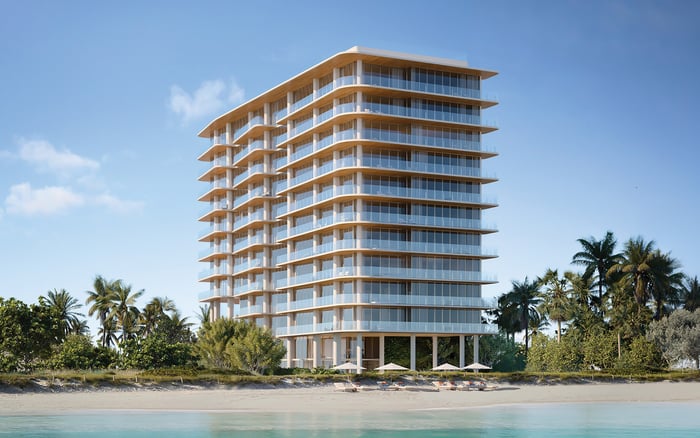
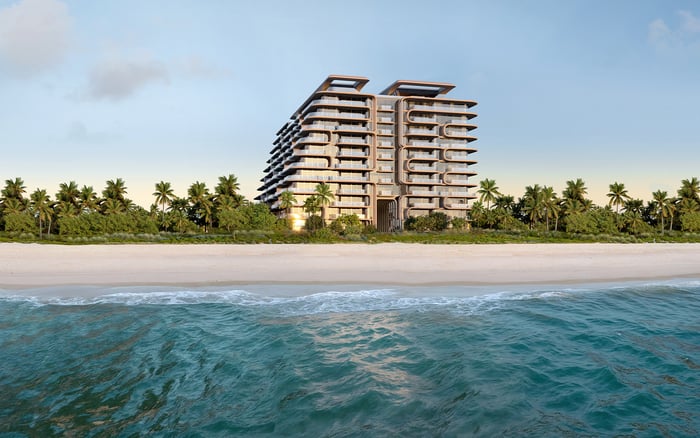
In Bal Harbour, buyers often compare addresses such as Rivage Bal Harbour and Oceana Bal Harbour through a design and location lens. For lock-and-leave purposes, the more revealing comparison is operational: how each ownership experience functions on the day before arrival, the day after departure, and during an unexpected maintenance issue.
The elegance of lock-and-leave ownership depends on financial clarity. Monthly carrying costs are only the first layer. Buyers should review association budgets, reserve posture, insurance obligations, maintenance responsibilities, and rules regarding repairs inside the residence. A low-friction lifestyle can become less serene if owners are surprised by what is personal responsibility versus building responsibility.
This is especially important in a coastal setting, where owners should be attentive to building protocols, storm preparation policies, balcony furniture rules, window and door responsibilities, and emergency contact procedures. The point is not to approach the purchase with anxiety. It is to determine whether the building’s governance matches the value of the asset.
Ask for plain-language explanations of what happens if a leak is discovered while you are away, if access is needed for a building repair, or if a vendor damages common areas. The answers will reveal whether the association culture is organized, reactive, or overly dependent on individual owner initiative.
The best lock-and-leave environments protect privacy without making the home difficult to use. That balance is essential in Bal Harbour, where buyers often value discretion as highly as convenience. Access should be controlled, documented, and flexible enough to support real life.
A strong building will have clear processes for guest lists, temporary permissions, service elevators, move-ins, deliveries, and after-hours access. Buyers should ask how often vendor rules are updated, whether approved vendor lists exist, and how the building handles unfamiliar service providers. If art, fashion, jewelry, or collectible automobiles are part of the lifestyle, the details matter even more.
Technology can help, but technology alone is not a substitute for judgment. A sophisticated owner should want both digital permissioning and human accountability. The person at the desk, the manager responding to an email, and the staff member noticing something unusual all form part of the ownership experience.
Bal Harbour has a distinct tone: polished, residential, and intentionally restrained. Still, lock-and-leave buyers should compare it with nearby options before committing. A buyer drawn to Bal Harbour may also consider Surfside, Bay Harbor Islands, Miami Beach, or Sunny Isles Beach, depending on preferred pace, view orientation, building scale, and service style.
This comparison is not about declaring one market superior. It is about clarifying fit. In Surfside, projects such as Arte Surfside and The Delmore Surfside give buyers another frame for evaluating privacy, design expectations, and the cadence of coastal ownership. A buyer who wants a quieter lock-and-leave pattern may respond differently than one who wants more movement, more dining energy, or more frequent guest use.
The same buyer should also consider how often they will cross bridges, use airports, visit family, entertain, shop, or spend time at the beach. Lock-and-leave ownership is only easy if the neighborhood supports the way the owner actually lives.
Lock-and-leave works best for buyers who value predictability. They are not seeking to improvise every arrival. They prefer a residence that can be prepared in advance, monitored during absence, and maintained within a clear structure. They also accept that convenience has a cost, and that the least expensive monthly carrying cost may not produce the best ownership experience.
It also works best when buyers are honest about their tolerance for rules. Condominium living offers simplicity because responsibilities are shared and procedures are formalized. The tradeoff is that owners cannot always operate with the freedom of a single-family estate. For some, that is precisely the appeal. For others, it may feel restrictive.
Before purchasing, walk through a full year of ownership on paper. Who enters the residence? How is mail handled? What happens before hurricane season? How is a vehicle maintained? Who checks the terrace? How are guests approved? How quickly can the home be ready for a same-week arrival? The right building will not make every answer perfect, but it will make the answers clear.
What does lock-and-leave ownership mean in Bal Harbour? It means owning a residence that can be left vacant for periods of time while building systems, staff procedures, and owner planning help preserve readiness and security.
Is lock-and-leave the same as full-service living? Not exactly. Full-service living may offer convenience while occupied, while lock-and-leave specifically tests how well the residence functions during owner absence.
What should buyers review first? Start with building rules, access procedures, management responsiveness, maintenance responsibilities, insurance obligations, and how the residence is prepared before arrival.
Why does absence pattern matter? A seasonal owner, frequent traveler, and occasional weekend user each need different levels of preparation, monitoring, and vendor coordination.
Are amenities the most important factor? Amenities matter, but operating discipline matters more. A beautiful amenity program does not replace clear procedures for access, repairs, deliveries, and communication.
Should buyers compare Bal Harbour with Surfside? Yes. Surfside can offer a useful nearby comparison for buyers evaluating privacy, building scale, coastal setting, and service expectations.
How important are association rules? Very important. Rules define how flexible the ownership experience will feel when you are away, entertaining guests, or coordinating vendors.
What questions should be asked about vendors? Ask how vendors are approved, documented, escorted, scheduled, and held accountable if an issue occurs inside the residence or common areas.
Can lock-and-leave ownership suit families? Yes, if guest access, deliveries, children’s caregivers, pet care, and arrival preparation are addressed clearly before purchase.
What is the best way to shortlist comparable options for touring? Start with location fit, delivery status, and daily lifestyle priorities, then compare stacks and elevations to validate views and privacy.
When you're ready to tour or underwrite the options, connect with MILLION.
If branded residences are on your mind — as a home or as an allocation — we would be glad to share what we are seeing, privately.
Begin a quiet conversation